


 Tiếng Việt
 English
 한국어
한국어 日本語
日本語 简体中文
简体中文 Français
 Deutsch
 Español
 Italiano
 Русский


 Đăng nhập cho Doanh nghiệp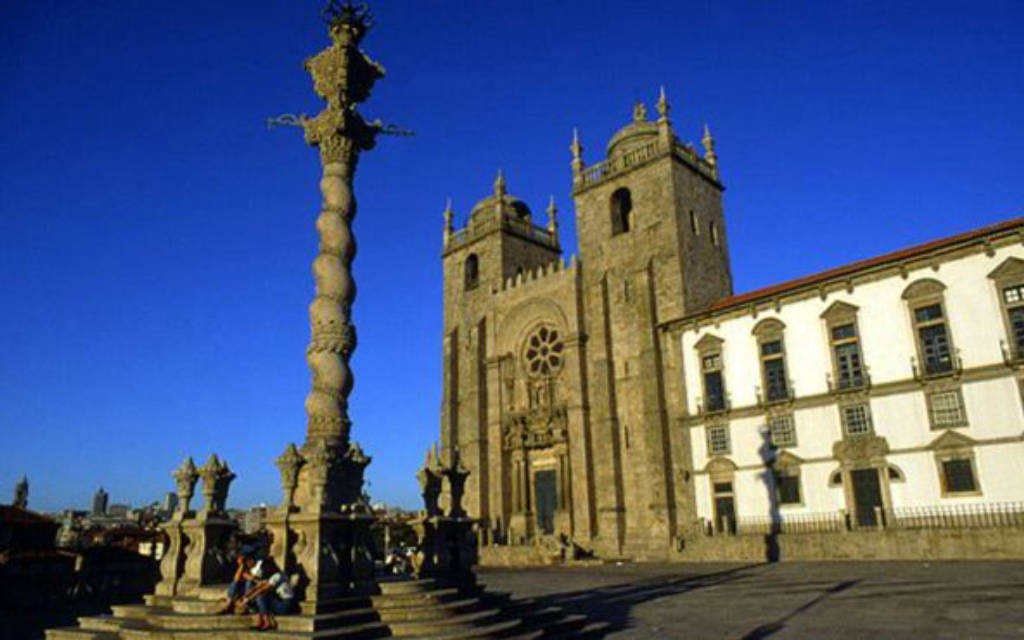
Nhà thờ Porto
 Terreiro da Sé, 4000 Porto, Bồ Đào Nha
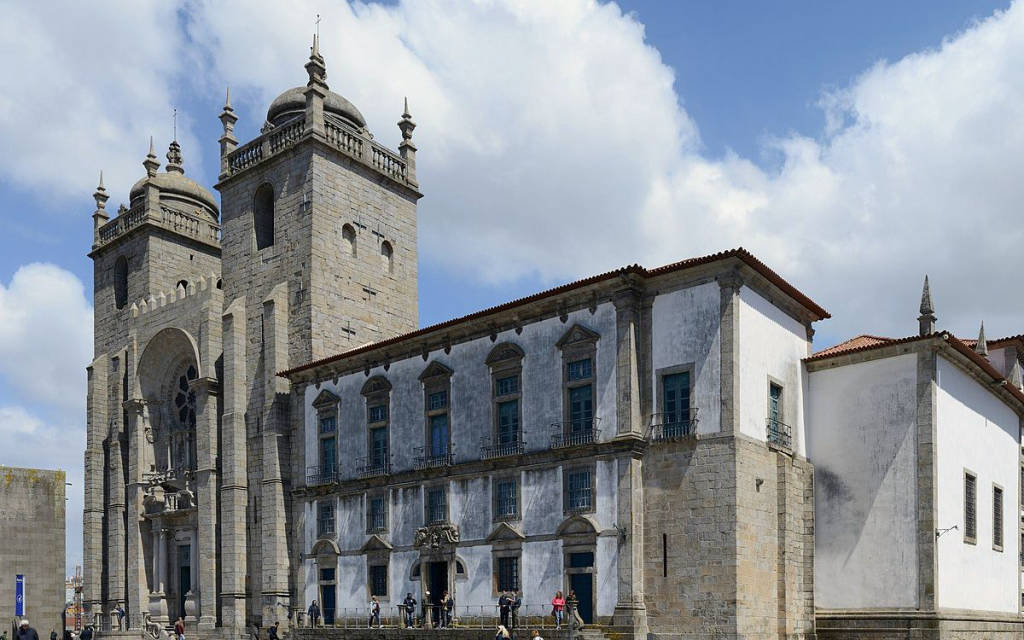
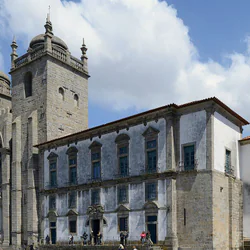
Nhà thờ Porto có từ thế kỷ 12 là một địa danh mang phong cách La Mã-Gothic nổi bật, thể hiện lịch sử phong phú của thành phố. Hình dáng uy nghiêm và các chi tiết phức tạp của nó mang đến một hành trình quyến rũ vào di sản thời trung cổ của Porto.
Nhà thờ Porto, thường được gọi là Sé Catedral, là minh chứng lâu dài cho lịch sử phong phú và ý nghĩa tôn giáo của Porto, Bồ Đào Nha. Có niên đại từ thế kỷ 12, kiệt tác theo phong cách La Mã-Gothic này toát lên bầu không khí tôn kính lịch sử, nắm bắt được bản chất của thời trung cổ.
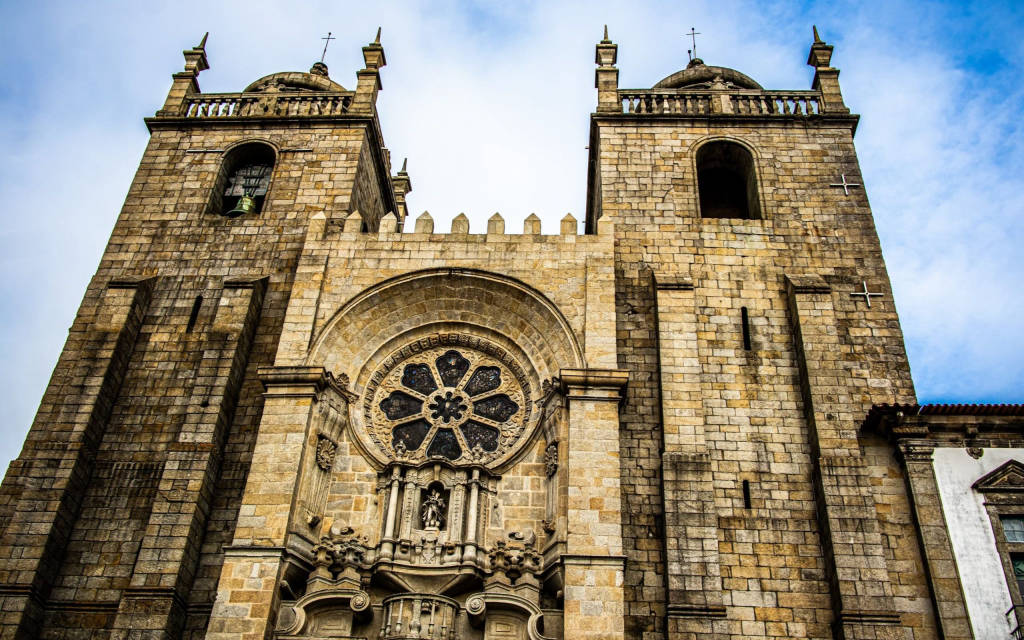
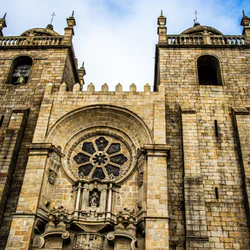
Sự hiện diện đáng kính của nhà thờ là một đặc điểm nổi bật trên đường chân trời của thành phố. Cấu trúc hùng vĩ của nó, được trang trí bằng các chi tiết kiến trúc phức tạp, vẫy gọi du khách bắt đầu cuộc hành trình xuyên qua biên niên sử về quá khứ của Porto. Mặt tiền, sự pha trộn giữa các yếu tố Romanesque và Gothic, thể hiện sự khéo léo của các thời đại đã qua, mời gọi sự ngưỡng mộ đối với những bàn tay khéo léo đã tạo nên nó qua nhiều thế kỷ.
Bước vào nhà thờ, người ta được bao bọc trong bầu không khí trang nghiêm, được đánh dấu bởi những đại sảnh linh thiêng và những tảng đá cổ kính đã minh chứng cho nhiều thế kỷ thờ cúng và tiến hóa xã hội. Nội thất phản ánh sự pha trộn hài hòa giữa các phong cách kiến trúc, với các yếu tố đáng chú ý bao gồm cửa sổ hoa hồng Gothic và bàn thờ theo phong cách Baroque, tạo thêm các lớp cho tấm thảm lịch sử của nhà thờ.
Ngoài ý nghĩa tôn giáo, Sé Catedral còn giữ một vai trò then chốt trong câu chuyện về sự phát triển của Porto. Qua nhiều thế kỷ, nó đã vượt qua thời gian, bao gồm cả các sự kiện địa chấn vào thế kỷ 18, kiên cường đứng vững như một biểu tượng cho sự trường tồn và liên tục của thành phố.
Du khách đến thăm Sé Catedral không chỉ được thưởng thức bữa tiệc thị giác về kiến trúc rực rỡ mà còn được thưởng thức mối liên hệ hữu hình với quá khứ. Tầm nhìn toàn cảnh từ khuôn viên nhà thờ mang đến một bức tranh toàn cảnh ngoạn mục về Porto, nâng cao trải nghiệm tổng thể và mang đến góc nhìn độc đáo về sự phát triển của thành phố.
Về bản chất, Nhà thờ Porto vượt qua vai trò của nó như một dinh thự tôn giáo; đó là một biên niên sử sống động mở ra câu chuyện về Porto, mời gọi tất cả những ai bước vào du hành qua các hành lang thời gian và đắm mình trong sự phong phú về văn hóa và lịch sử của thành phố Bồ Đào Nha sôi động này.