


Xem tất cả kết quả cho ""

 Ngày bất kỳ
  Tiếng Việt
 English
 한국어
한국어 日本語
日本語 简体中文
简体中文 Français
 Deutsch
 Español
 Italiano
 Русский


 Đăng nhập cho Doanh nghiệp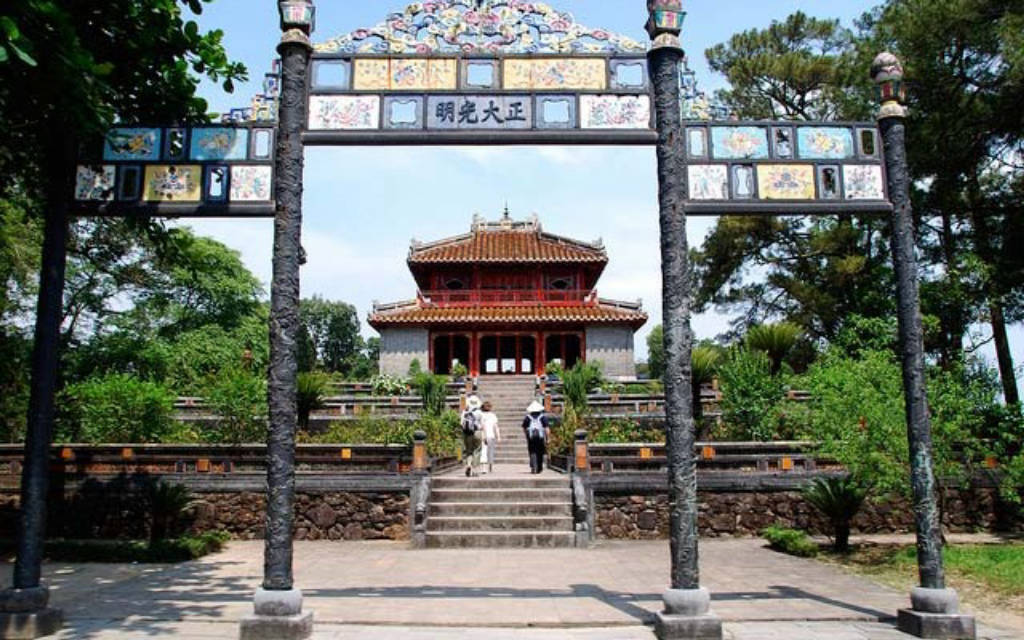
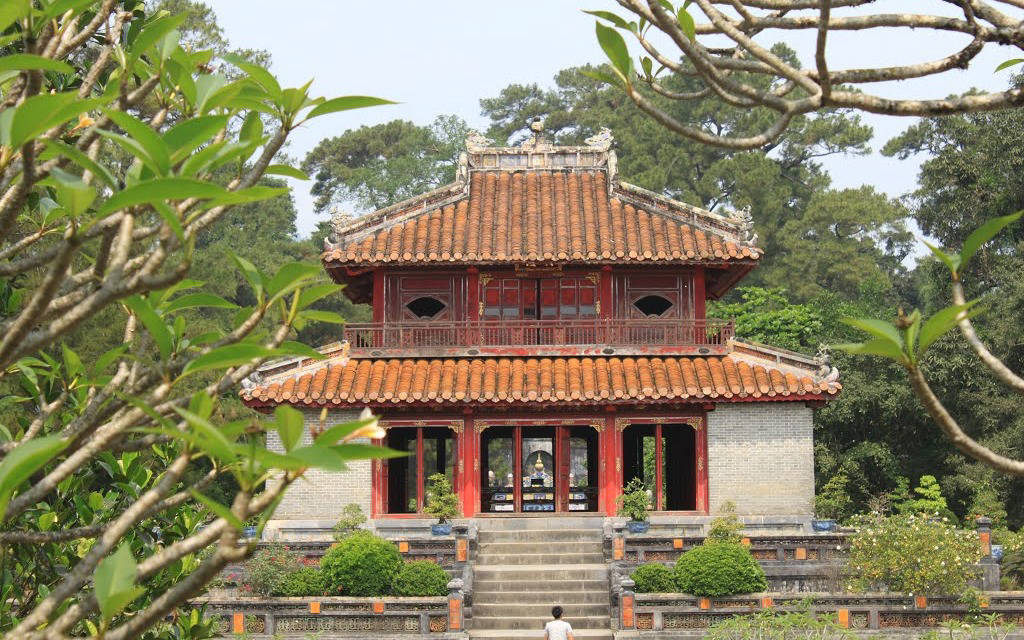
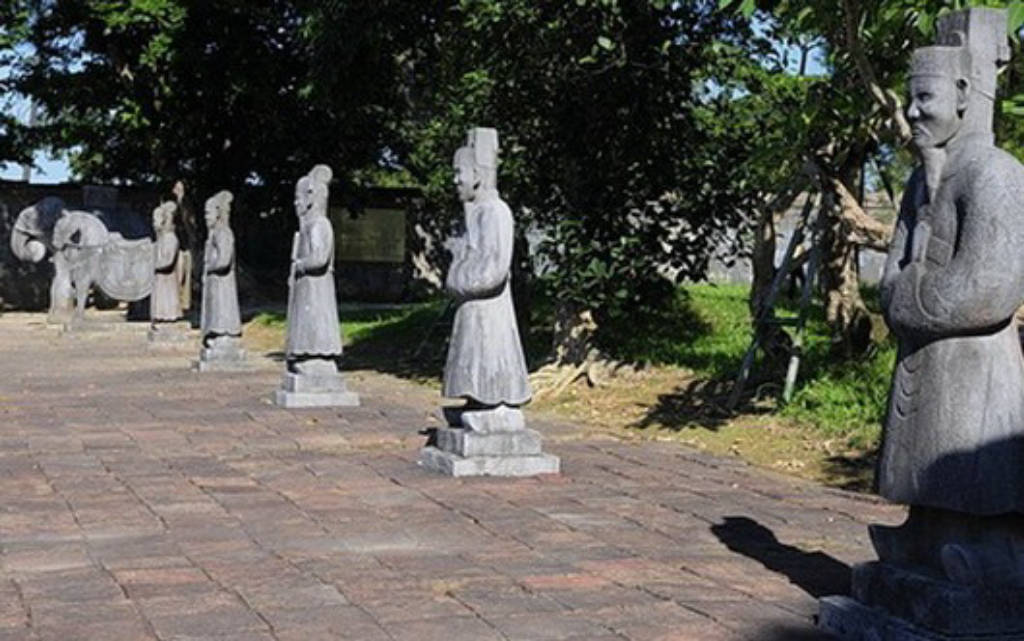
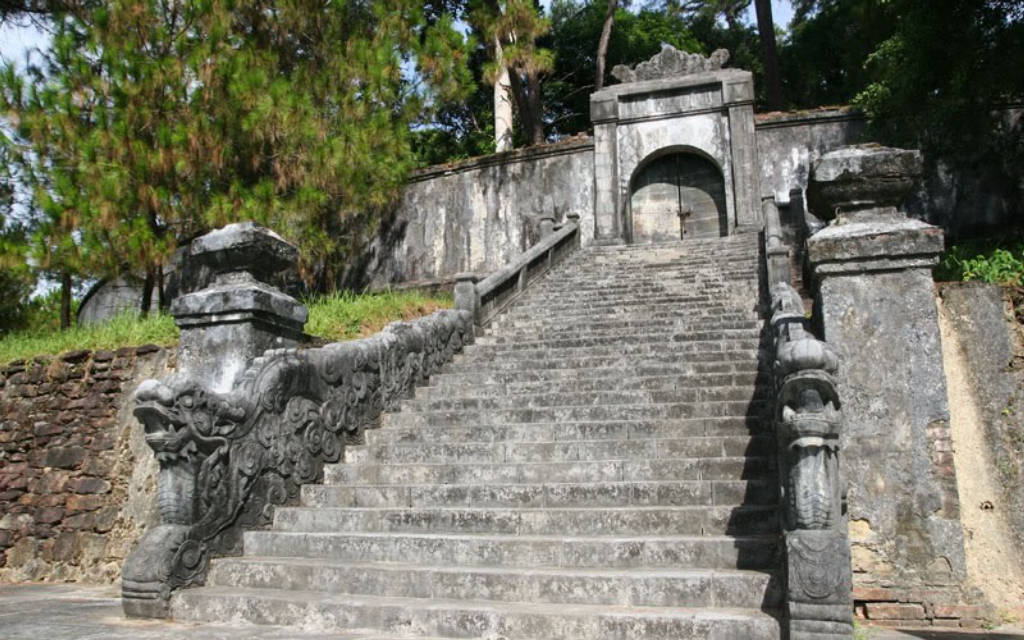
Lăng Minh Mạng (Hiếu Lăng)
 QL49, Hương Thọ, Hương Trà, Thừa Thiên Huế, Vietnam
"Lăng Minh Mạng là một di tích trong quần thể di tích cố đô Huế được UNESCO công nhận là di sản văn hóa thế giới ngày 11-12-1993. Nếu Lăng Tự Đức là một bức tranh sơn thủy hữu tình, phản ánh tính cách thi sỹ của vua Tự Đức. Lăng Khải Định độc đáo với nét văn hóa Đông Tây kết hợp thể hiển phần nào tính cách Vua Khải Định thích chơi ngông. Thì lăng Minh Mạng lại bộc lộ đầy đủ cá tính của một ông vua đắc đạo."
Lăng Minh Mạng nằm ở quốc lộ 49, Hương Thọ, Tp Huế, trên núi Cẩm Khê, gần ngã ba Bằng Lãng là nơi hội lưu của hai dòng Hữu Trạch và Tả Trạch hợp thành sông Hương, cách cố đô Huế 12km.
Vua Minh Mạng tên là Nguyễn Phúc Đảm – con thứ của Vua Gia Long. Năm 1820, Thái tử Đảm lên ngôi và lấy hiệu là Minh Mạng. Vua Minh Mạng lên ngôi khi chế độ quân chủ trung ương tập quyền nhà Nguyễn đã củng cố triệt để. Là một người tinh thâm Nho học, sùng đạo Khổng Mạnh, không thích phương Tây vì vậy toàn bộ kiến trúc của lăng Minh Mạng được xây dựng trên cơ sở tư tưởng chịu ảnh hưởng của Nho Học. Sau khi làm vua được 7 năm, vua Minh Mạng cho người đi tìm đất để xây dựng Sơn Lăng cho mình. Đến năm 1840, công cuộc kiến thiết Hiếu Lăng bắt đầu. Bốn tháng sau, Minh Mạng lên kiểm tra thấy công việc đào hồ Trừng Minh không vừa ý nên giáng chức các quan trông coi và đình chỉ công viêc. Một tháng sau, công việc cừa được tiếp tục thì Vua Minh Mạng lâm bệnh qua đời vào tháng 1 năm 1841. Vua Thiệu Trị lên nối ngôi, đã huy động gần 10000 lính và thợ thi công tiếp công trình theo đúng họa đồ của vua cha để lại. Tháng 8 năm 1841, thi hài vua Minh Mạng được đưa vào chôn ở Bửu Thành và đầu năm 1843 việc xây lăng mới hoàn tất.
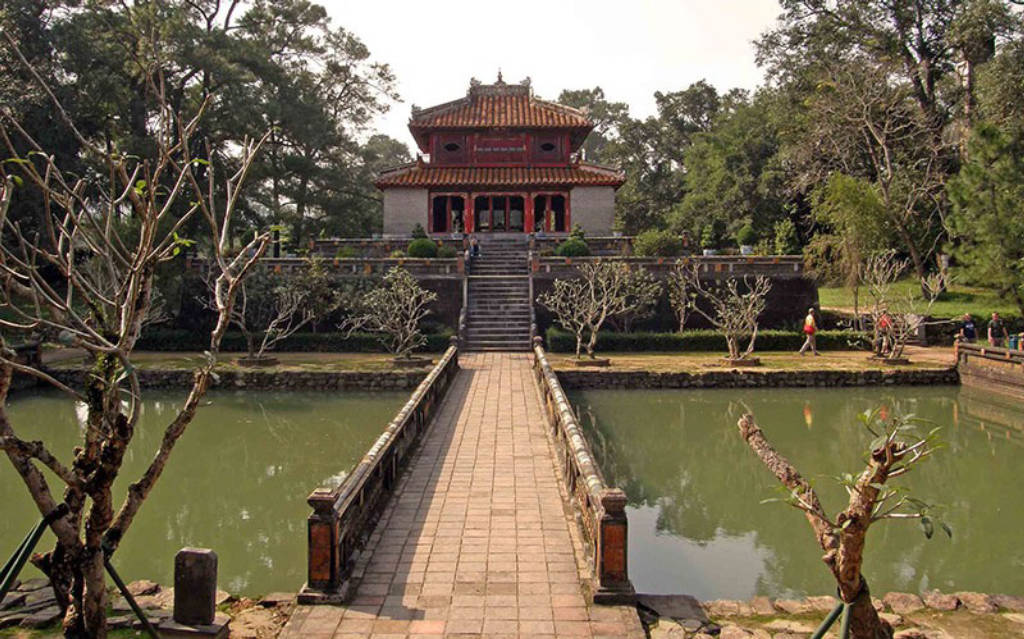
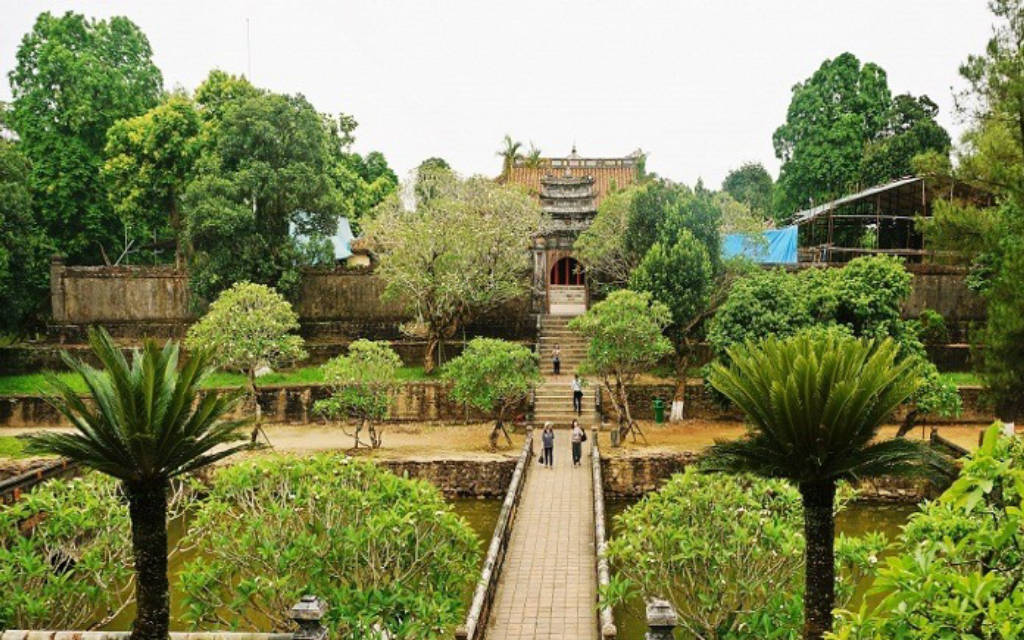
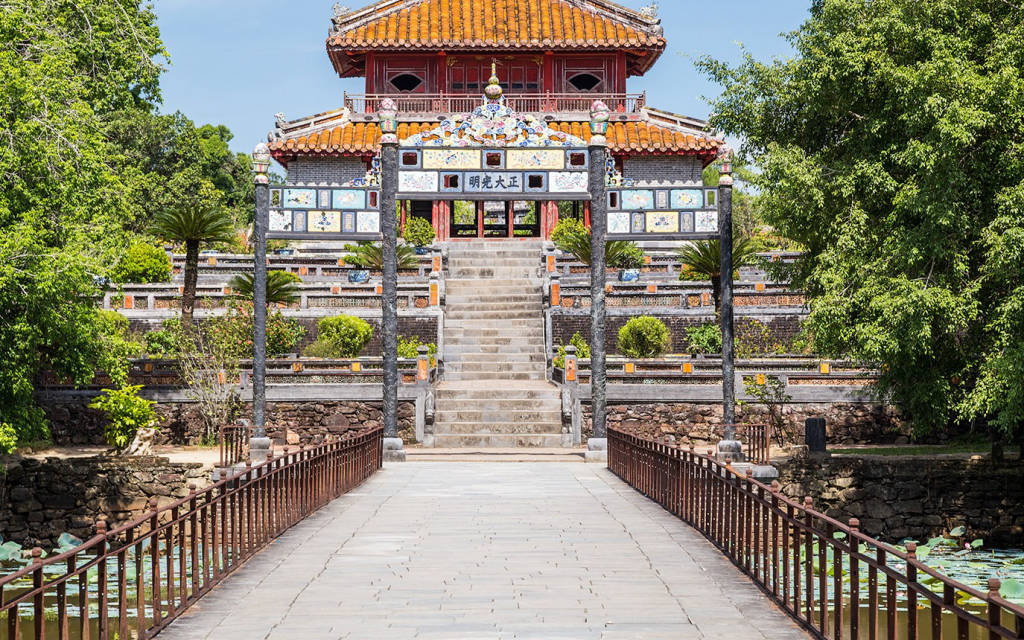
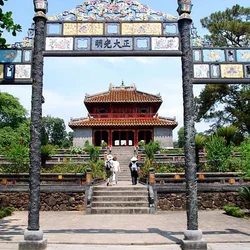
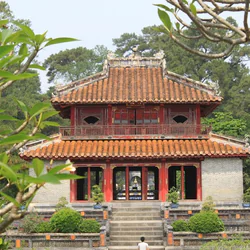
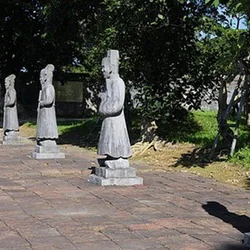
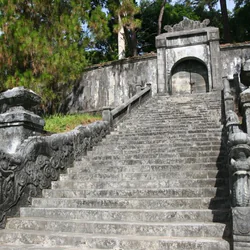
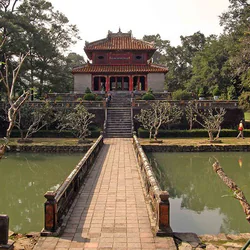
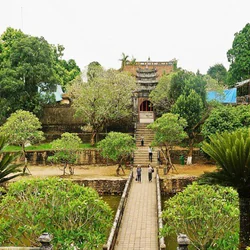
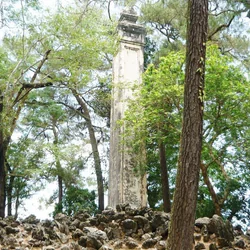
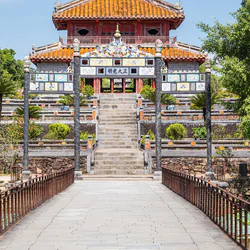
Lăng Minh Mạng là một tổng thể kiến trúc quy mô gồm 40 công trình lớn nhỏ, nằm trên một khu đồi núi, sông hồ thoáng mát. Toàn bộ lăng giống như một cơ thể con người nằm gối đầu lên núi Kim Phụng, chân duỗi ra ngã ba sông ở trước mặt, hai nửa hồ Trừng Minh như đôi cánh tay buông xuôi tự nhiên. Khu lăng có chiều sâu, từ Đại Hồng Môn đến điểm tận cùng của La thành cách nhau đến 700 mét. Vòng La thành tuy cao nhưng không hạn chế tầm nhìn từ trong lăng ra đến vùng núi non đẹp đẽ ở bên ngoài, cảnh vật in bóng xuống hồ Trừng Minh trông như bức tranh thủy mặc. Bên trong La thành, các công trình kiến trúc được bố trí đăng đối, đối xứng nhau từng cặp qua trục chính xuyên tâm lăng. Tất cả được xếp đặt theo một trật tự chặt chẽ, có hệ thống, nói lên cá tính và phong cách của chính vua Minh Mạng.
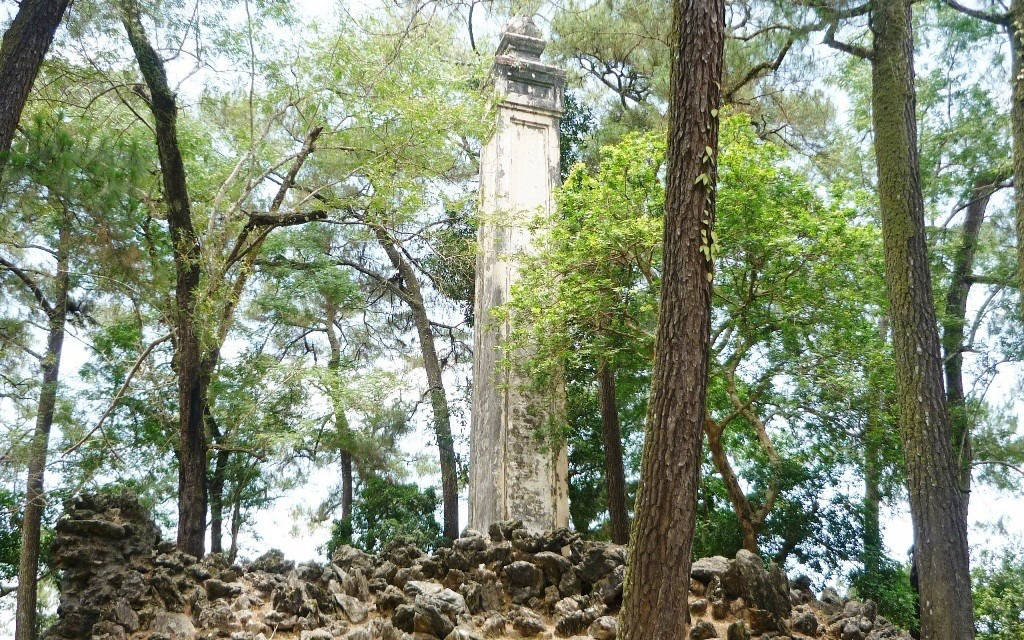
Bửu thành xây theo hình tròn biểu thị vua là mặt trời, là đấng chí tôn có quyền lực chi phối toàn bộ xã hội quân chủ. Ở phần trước lăng, mật độ kiến trúc thưa, thoáng, càng vào sâu, kiến trúc càng dày. Bố cục kiến trúc đăng đối của các hạng mục chính trong lăng đem lại cho lăng một vẻ uy nghiêm cần có của công trình lăng mộ. Tuy vậy, ở ngoài rìa, men theo con đường dạo quanh co vòng quanh hai hồ nước và viền xung quanh lăng, xen lẫn với cây cối có các công trình kiến trúc nhỏ dùng để nghỉ chân ngắm cảnh như: đình Điếu Ngư, gác Nghênh Phong, hiên Tuần Lộc, sở Quan Lan, Tạ Hư Hoài... làm cho toàn bộ quần thể lăng uy nghiêm nhưng vẫn hài hòa với thiên nhiên và duyên dáng tráng lệ.
Khi tham quan lăng Minh Mạng (Hiếu Lăng), hầu hết du khách đều cảm nhận được sự khác biệt so với các lăng tẩm vua nhà Nguyễn bởi vẻ đẹp hài hòa, sự yên tĩnh và ẩn chứa nhiều sự sống tiềm tàng. Đến với lăng Minh Mạng con người không cảm thấy không khí u tịch, tang khóc mà là sự thanh lọc, hồi sinh giữa sự sống và cái chết. Ta thấy ở Vua Minh Mạng có thái độ thanh thản khôn ngoan đối với cái chết, là một người chịu ảnh hưởng học thuyết Lão – Trang nên ông có quan niệm: “Trong các loại sinh vật chỉ có con người là ý thức được bản thân mình và vũ trụ xung quanh, do đó mà biết lựa chọn thái độ với thiên nhiên. Có khi là hoà hợp với thiên nhiên, có khi là chinh phục và kiểm soát hoặc lợi dụng thiên nhiên”.
Giờ mở cửa: Lăng mở cửa thăm quan tất cả các ngày trong tuần từ 07:00 - 17:30
Giá vé:
Người lớn: 150,000 VND
Người cao tuổi: 50,000 VND
Trẻ em: 30,000 VND