


Xem tất cả kết quả cho ""

 Ngày bất kỳ
  Tiếng Việt
 English
 한국어
한국어 日本語
日本語 简体中文
简体中文 Français
 Deutsch
 Español
 Italiano
 Русский


 Đăng nhập cho Doanh nghiệp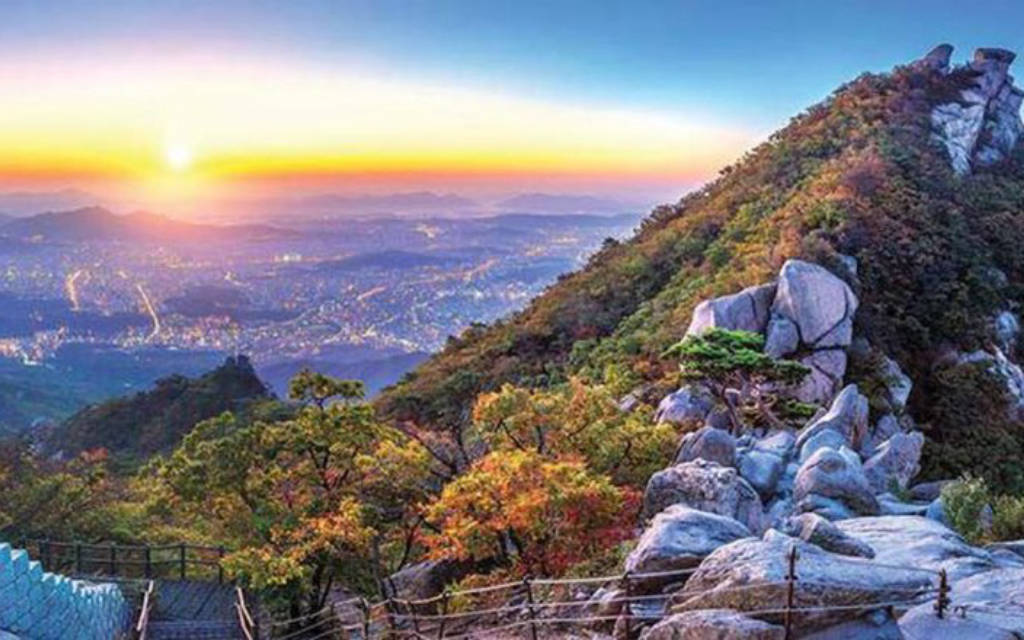
Công viên quốc gia Bukhansan
 262 Bogukmun-ro, Jeongneung 3(sam)-dong, Seongbuk-gu, Seoul, South Korea
“Được liệt kê trong Sách Kỷ lục Thế giới Guinness với danh hiệu “Công viên quốc gia được ghé thăm nhiều nhất trên mỗi đơn vị diện tích”, đây là một trong những điểm đến hiking nổi tiếng nhất của Hàn Quốc và có thể là nơi được yêu thích nhất trong số những ngọn núi của Seoul”
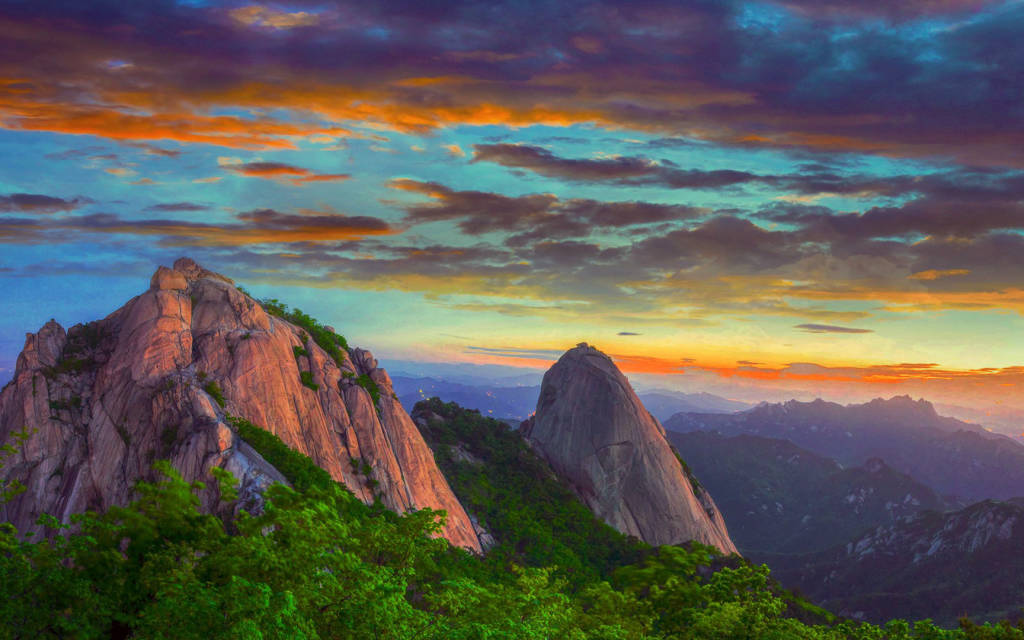
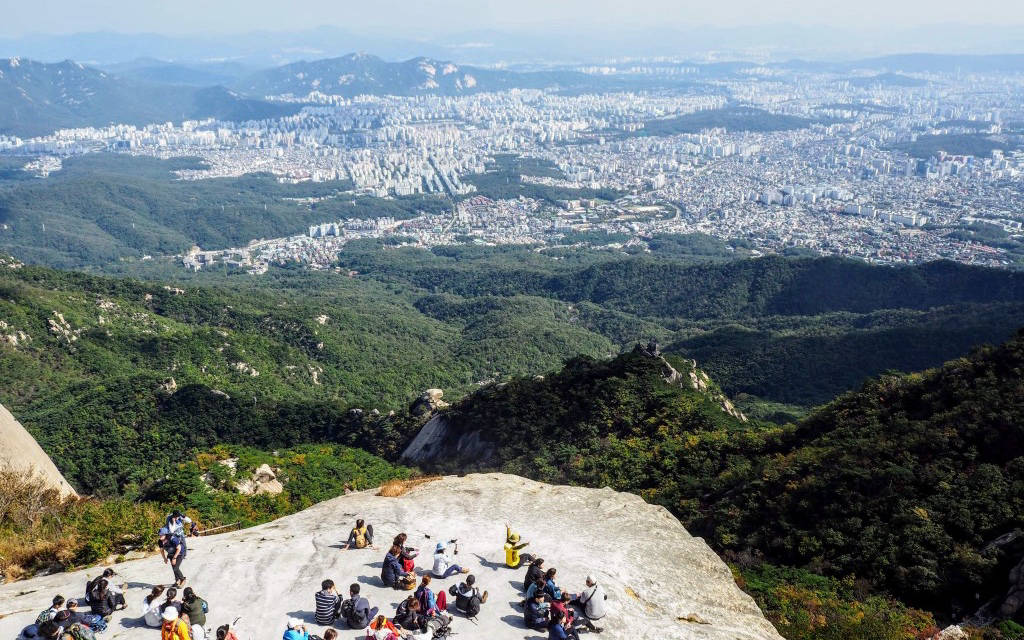
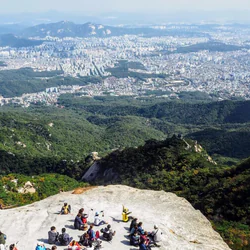
Các công viên quốc gia rất hiếm khi nằm trong một thành phố, nhưng núi Bukhansan đã được chỉ định là công viên quốc gia thứ 15 của Hàn Quốc vào năm 1983. Với diện tích 79,9 kilomet vuông, nó trải dài qua Seoul và Gyeonggi-do. Vườn quốc gia Bukhansan được chia thành hai khu vực với đèo Uiryeong ở giữa: núi Bukhansan ở phía nam từ đèo, và núi Dobongsan ở phía bắc. Được biết đến đầu tiên dưới tên Samgaksan (Núi Tam giác) vì có ba đỉnh: Baegunbong – ở độ cao 836,5 mét là đỉnh cao nhất, Insubong - cao 810,5 mét và Mangyeongbong – cao 799,5 mét. Tên núi được đổi thành Bukhansan sau khi Pháo đài Bukhansanseong được xây dựng dưới thời vua Sukjong của triều đại Joseon. Vườn quốc gia giống như một hòn đảo sinh thái vì được bao quanh hoàn toàn bởi các khu đô thị, nhưng nó vẫn đóng vai trò là lá phổi xanh cho môi trường đô thị.
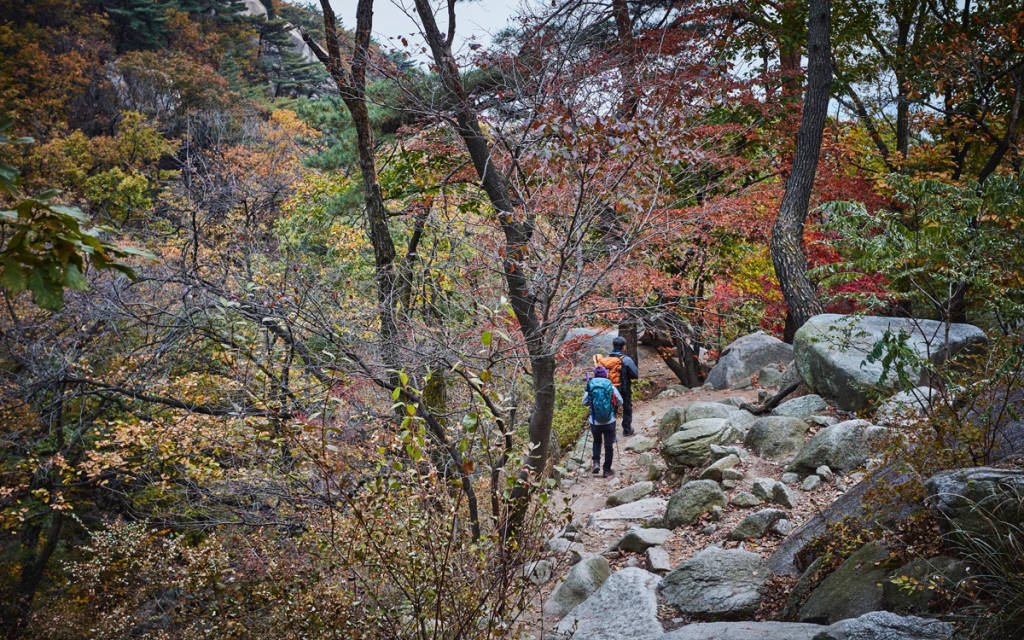
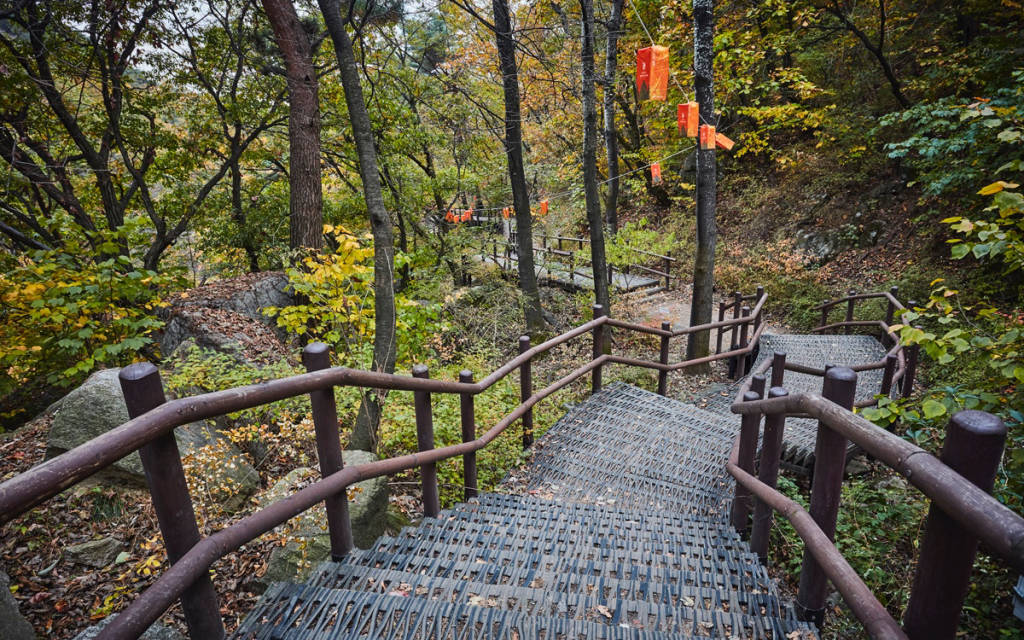
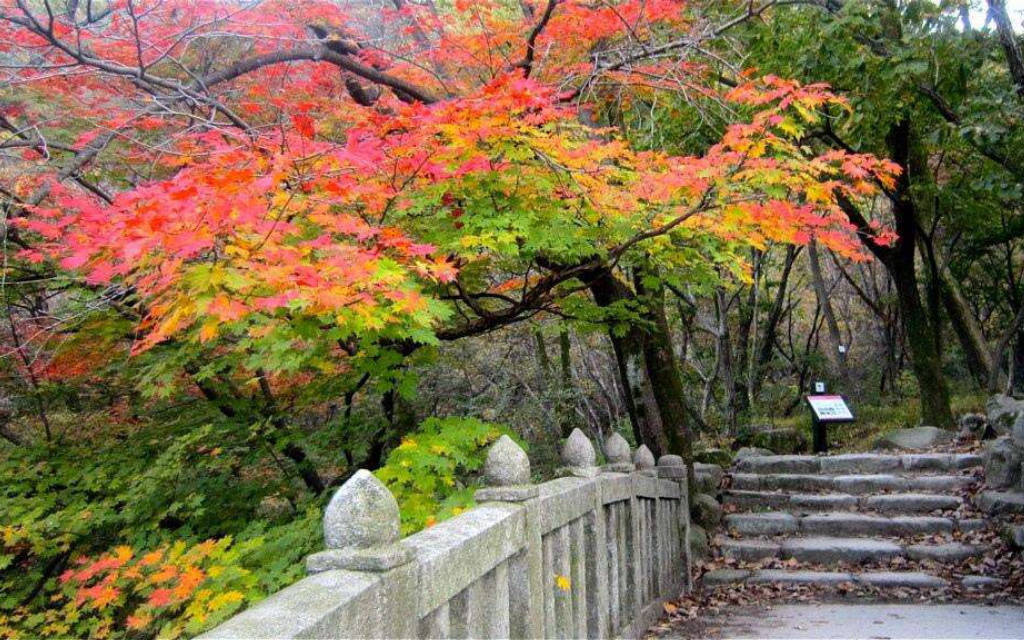
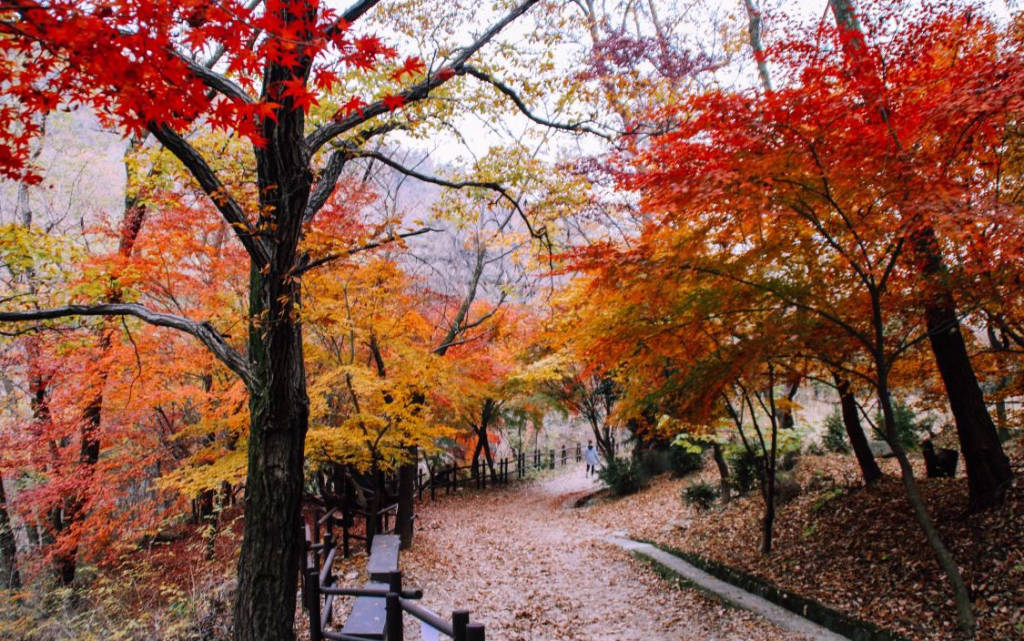
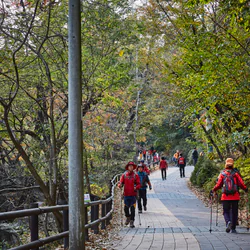
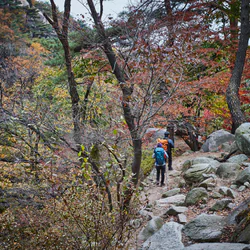
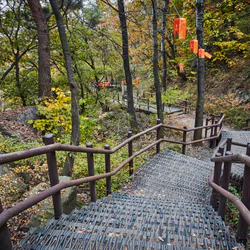
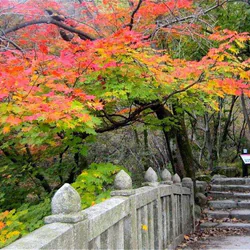
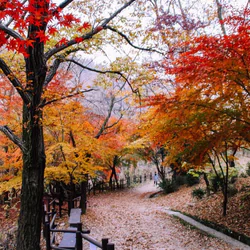
Nhiều đỉnh núi và hẻm núi đá granit của công viên có được những dòng suối trong vắt, tạo nên sự hoà hợp hoàn hảo giữa núi và nước. Khung cảnh đỉnh núi hùng vĩ với nhiều phong cảnh thiên nhiên thơ mộng, đặc biệt là vào mùa thu khi lá phong chuyển màu cam và đỏ rực khắp mọi nơi, dòng suối chảy xiết và những ngôi đền hẻo lánh của Công viên quốc gia Bukhansan thu hút hơn 5 triệu người đi bộ đường dài và leo núi hàng năm.
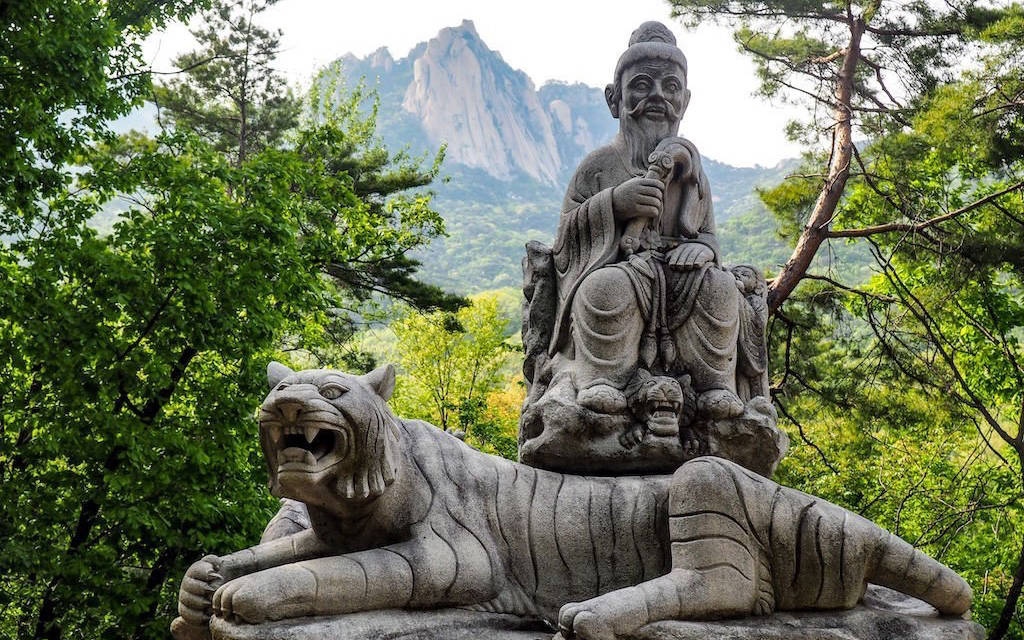
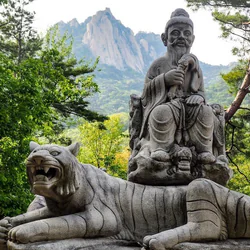
Công viên quốc gia Bukhansan có hơn 1,300 loài động thực vật. Ngoài ra, còn có nhiều di tích lịch sử và văn hoá bao gồm Pháo đài Bukhansanseong với hơn 2000 năm lịch sử, hơn 100 ngôi chùa Phật giáo và nhà tu hành. Đây là một nơi tuyệt vời để học hỏi về sinh thái, văn hoá và lịch sử.
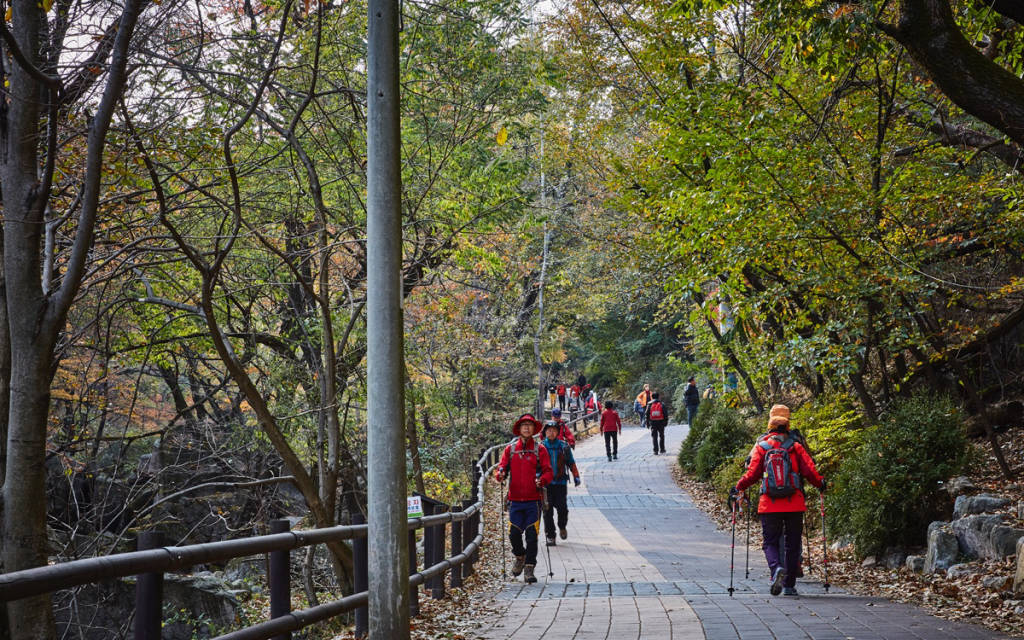
Công viên quốc gia Bukhansan nổi tiếng với hơn 20 triệu cư dân trong vùng lân cận và có thể đến được từ bất cứ nơi nào trong khu vực Thủ đô nhờ hệ thống đường tuyệt vời. Với khoảng 5 triệu du khách mỗi năm, nó được ghi trong Sách Kỷ lục Guinness Thế giới “Công viên quốc gia được ghé thăm nhiều nhất trên mỗi đơn vị diện tích”. Tuy nhiên, việc có quá nhiều du khách đã dần dần làm suy yếu hệ sinh thái của núi Bukhansa. Vì thế, du khách được khuyến nghị tự nguyện tuân theo các quy định về Hệ thống nghĩ lễ trong năm, Restricted Access trong thời gian Đề phòng cháy trên núi, tai nạn trên đường nhỏ, khu vực nguy hiểm và các hạn chế tiếp cận khác.
Địa chỉ: 262 Bogukmun-ro, Jeongneung-dong, Seongbuk-gu, Seoul
Giờ mở cửa: - Tháng 4 – Tháng 10: 04:00 – 17:00 / Tháng 11 – Tháng 3: 04:00 – 16:00