


Xem tất cả kết quả cho ""

 Ngày bất kỳ
  Tiếng Việt
 English
 한국어
한국어 日本語
日本語 简体中文
简体中文 Français
 Deutsch
 Español
 Italiano
 Русский


 Đăng nhập cho Doanh nghiệp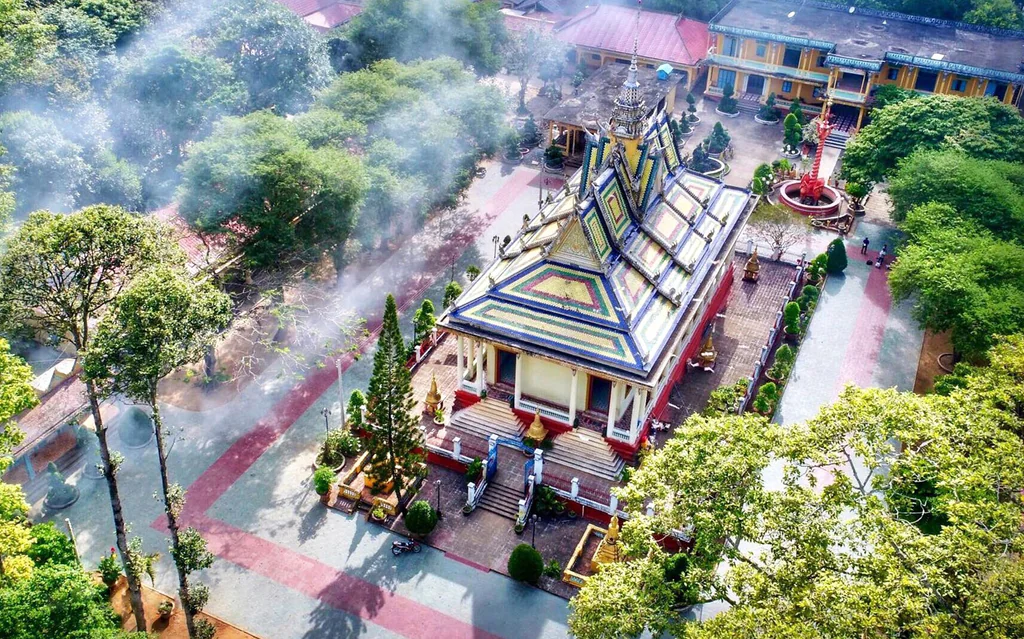
Cave temple
 QL91, Xã Vĩnh Tế, Thị Xã, Châu Đốc, An Giang, Vietnam
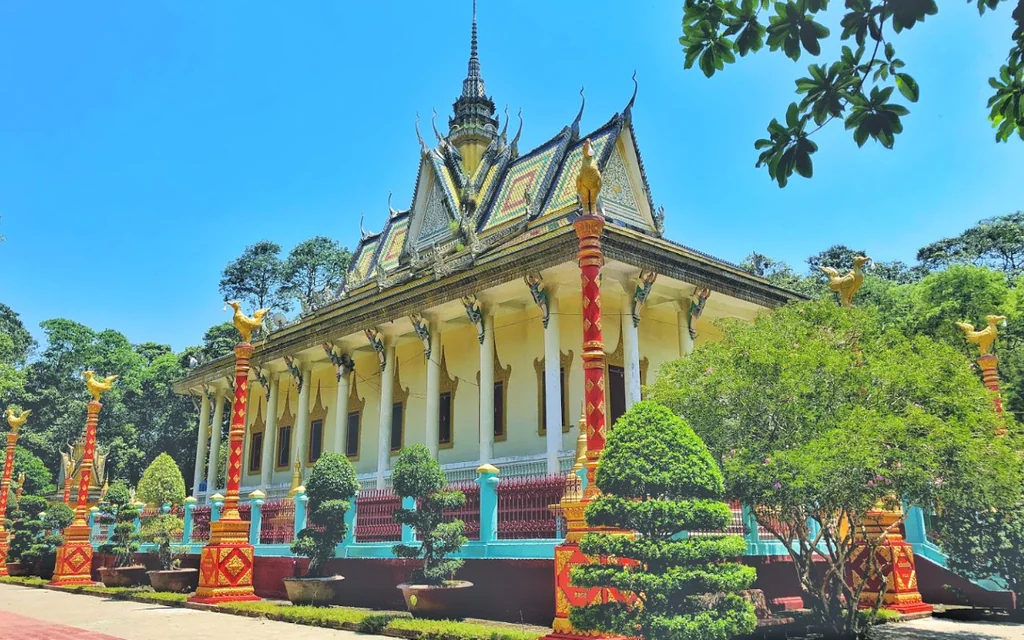
Hang Pagoda, also known as Kompong Chay Pagoda, is one of the three most famous Khmer temples in Tra Vinh province because of its unique architecture and green nature.
Hang Pagoda was built in 1637, the pagoda has undergone 22 generations of abbots and has been restored and repaired many times to have a spacious and superficial appearance like today.
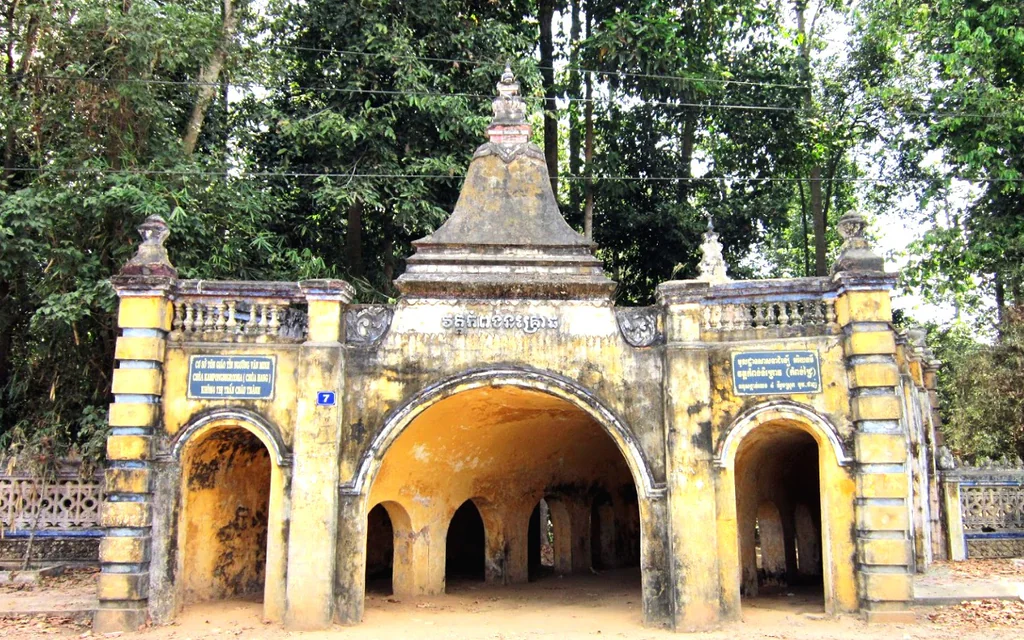
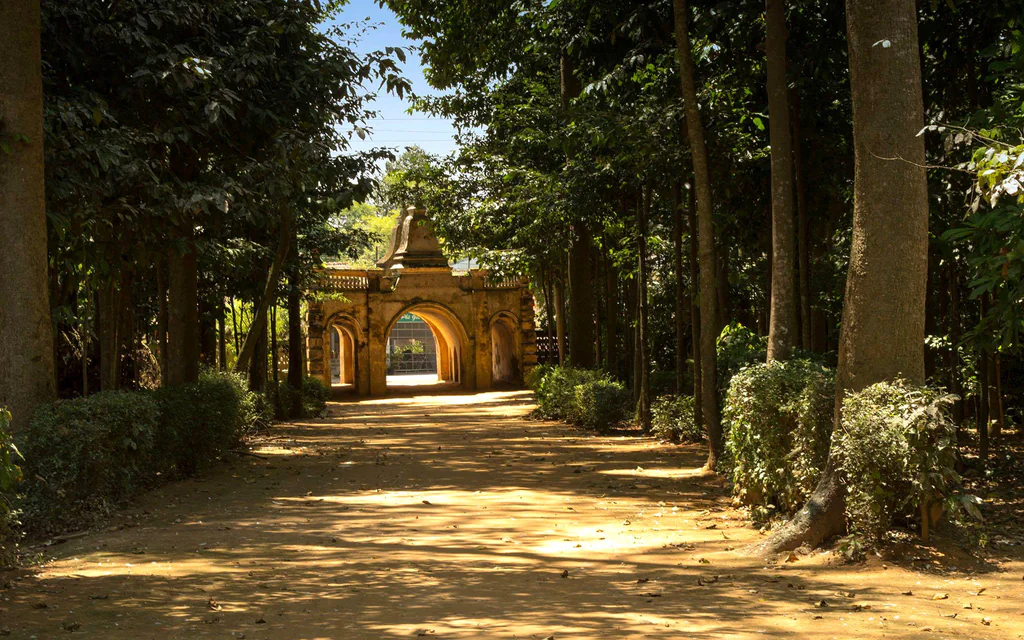
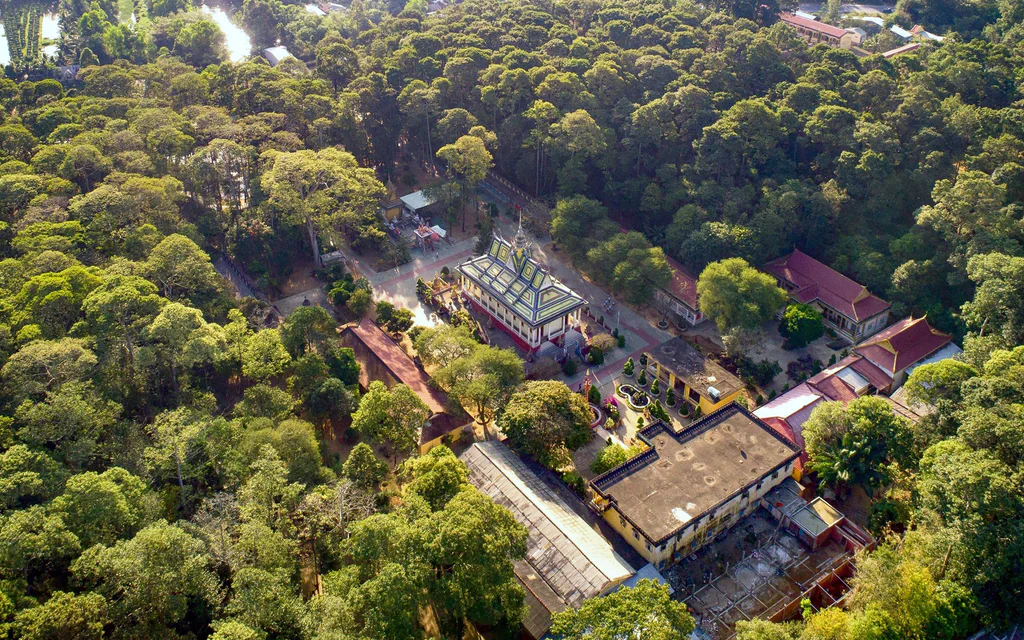
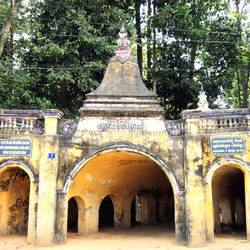
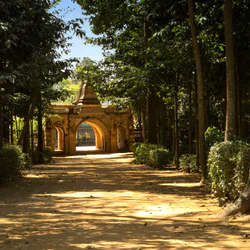
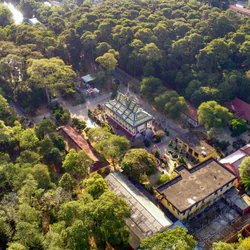
Hang Pagoda has an area of about 10 hectares and half of the area is natural forest. The reason why the pagoda is called Hang Pagoda is because the back gate of the pagoda is shaped like a system of three caves with walls up to 12m thick, while the main gate of the pagoda faces the river.
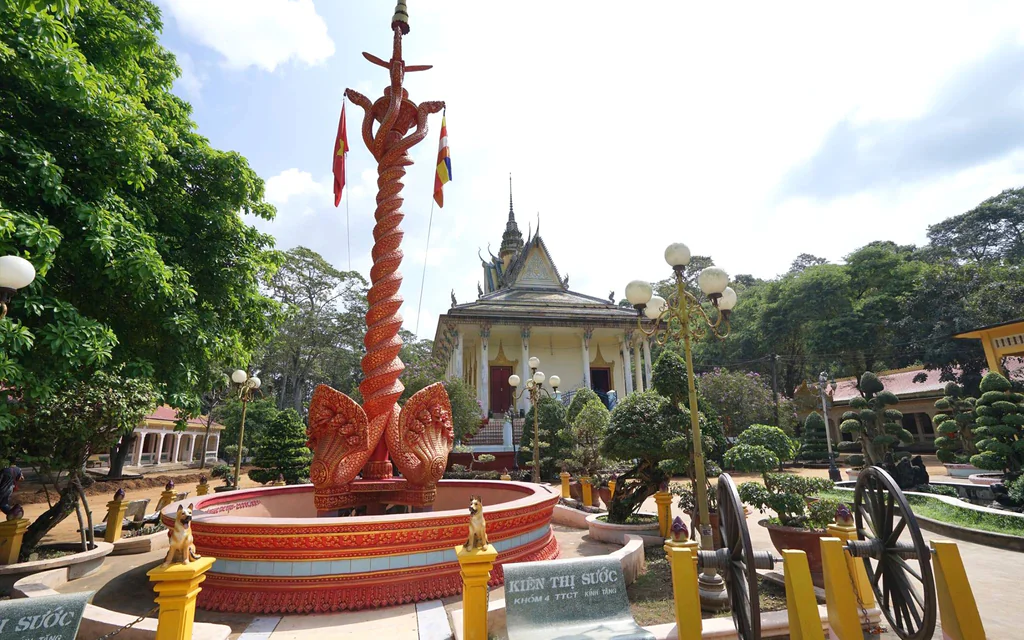
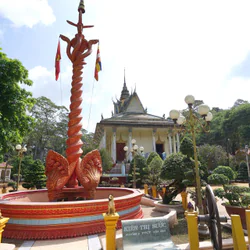
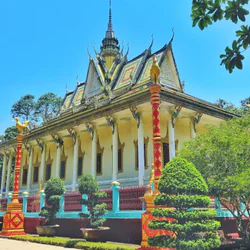
The main hall of Hang Pagoda is placed in the middle of a garden making it look like a giant palace with a multi-layered roof showing a complex, brilliant design. The front of the building is decorated with meticulous carvings such as Naga, the seven-headed snake god. Inside the main hall is the place to worship Shakyamuni Buddha, flanked by two tall, majestic columns and surrounding Buddhist paintings.
Opposite the main hall of Hang Pagoda is a population of 12 zodiac animals, arranged in an arc, looking from the left side is a statue of a fairy riding a mouse, cow, tiger, cat, and dragon corresponding to ty, ox, gradually, The tip, the dragon and the right side are also in the order of the gods riding goats, monkeys, chickens, dogs, pigs respectively with smell, body, rooster, dog, pig, along with many other statues.
Like other Khmer temples, Hang Pagoda is not only a place of worship and belief but also a place of learning, moral education, and preservation of traditional art and culture of the Khmer people. In the temple there is a fairly large school and about two dozen small stilts for people in the area to come to pray and practice here.
Visiting Hang Pagoda, visitors can also witness and buy wood sculptures created by monks at the sculpture workshop that has been operating for nearly 30 years.
The campus of Hang Pagoda is also home to tens of thousands of birds of all kinds, most of which are white storks, ivory storks, red-necked storks and herons. The pagoda also sets out strict regulations on bird protection and forest tree protection, creating a peaceful living environment for the birds as well as biological values and natural genetic resources for future generations.