


Xem tất cả kết quả cho ""

 Ngày bất kỳ
  Tiếng Việt
 English
 日本語
日本語 한국어
한국어 简体中文
简体中文 Français
 Deutsch
 Español
 Italiano
 Русский


 Đăng nhập cho Doanh nghiệp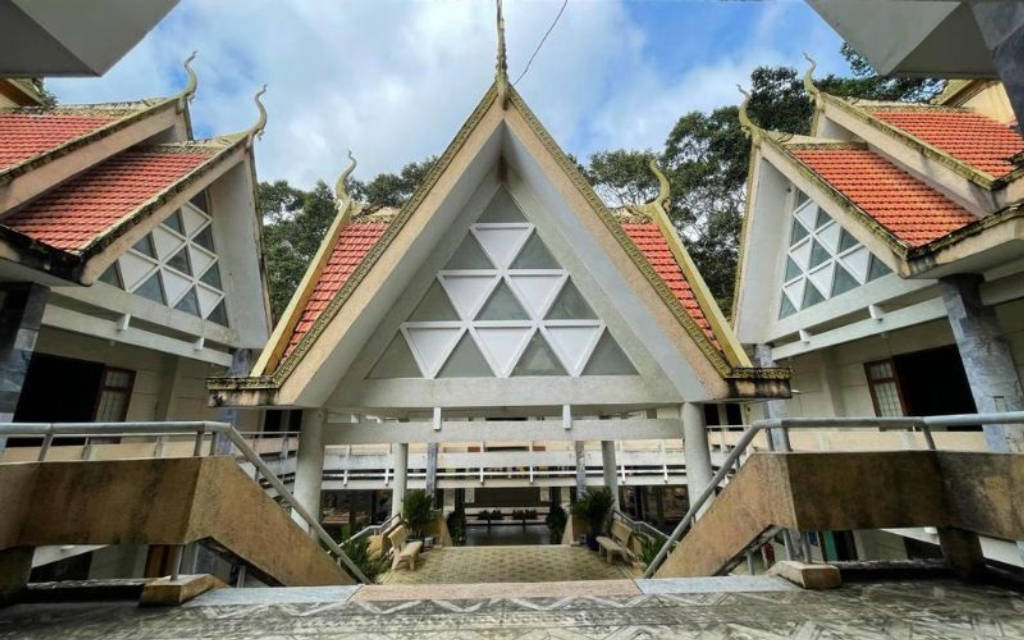
Tra Vinh Khmer Ethnic Culture Museum
 Nguyen Du, Hamlet 3, Ward 8, Tra Vinh City, Tra Vinh Province, Vietnam
Tra Vinh Khmer Ethnic Culture Museum is located in Tra Vinh city, an attractive destination to explore Khmer culture with more than 800 valuable artifacts. The museum introduces the life, beliefs, arts and traditional craft villages of the Khmer people through unique galleries. This is also a place to preserve the revolutionary heritage of the Khmer community, and is an interesting research and tourist destination.
Tra Vinh Khmer Ethnic Culture Museum – A Journey to Discover Unique Cultural Identity
When visiting the Tra Vinh Khmer Ethnic Culture Museum, visitors will step into a space that blends traditional and modern beauty. Located within the cultural-tourism complex of the Ao Ba Om historical site and Ang Pagoda in Ward 8, Tra Vinh City, just over 5 km southwest of the provincial center, this museum is not only a research site but also a place to explore the cultural treasures of the Khmer people, enriching Vietnam's cultural heritage.
A Unique Cultural Space
The museum, established in 1995, covers over 1,700 m² in a lush 1-hectare area, surrounded by trees providing shade throughout the year. The architecture harmoniously combines traditional Khmer design with modern elements, creating a peaceful and quiet atmosphere, ideal for a deeper understanding of Khmer cultural identity. Upon entering the museum grounds, visitors immediately feel a serene environment, a stark contrast to the noisy outside world, preparing for exciting an exploration.
The Artifacts Tell Stories
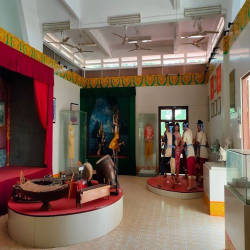
Entering the museum, visitors will be amazed by the richness and diversity of over 800 artifacts and documents on display. Each item is not only a historical witness but also tells a vivid story about the life, beliefs, and culture of the Khmer community in Tra Vinh.
Impressive Exhibition Rooms
Room 1: Spiritual Culture
This room, considered the heart of the museum, introduces the unique spiritual culture of the Khmer people, with a recreated model of the main hall of a Khmer Theravada Buddhist pagoda. Visitors can admire stone sculptures that reflect both Buddhist and Brahmanist influences, including statues of gods such as Shiva, Vishnu, and Avalokitesvara – profound spiritual symbols of the Khmer.
Room 2: Material Culture
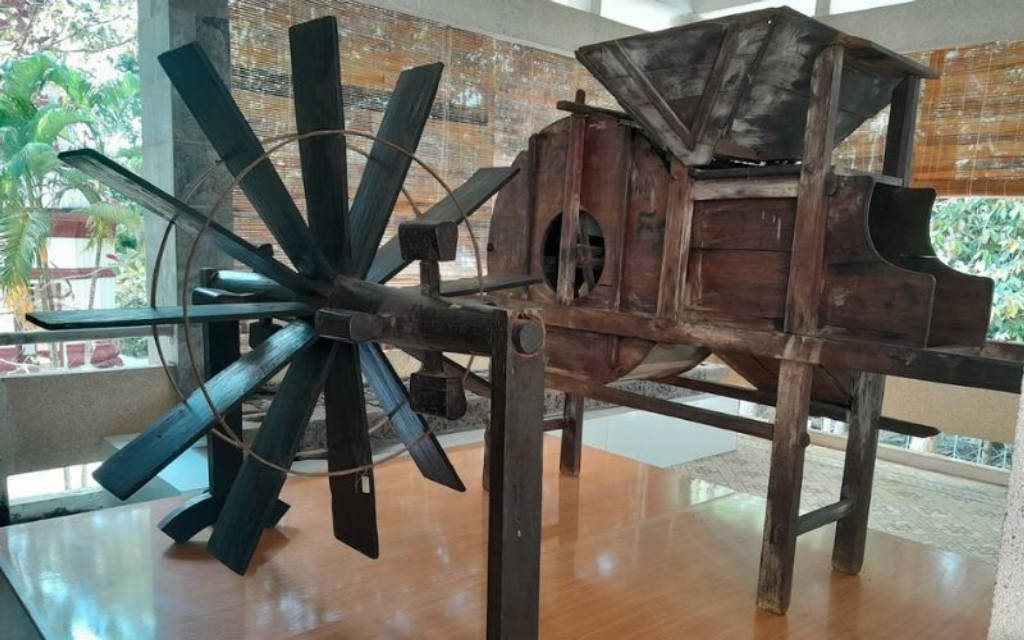
This room takes visitors back to the daily life of the Khmer people through artifacts such as farming tools, fishing gear, and household products. Here, you can observe unique tools like water wheels, plows, and fishing traps used in the local waterway-based economy. A special section recreates a Khmer kitchen, an ancestor altar, and the finger-tying ritual of a Khmer wedding, all vividly depicting the daily life of the community.
Room 3: Traditional Crafts
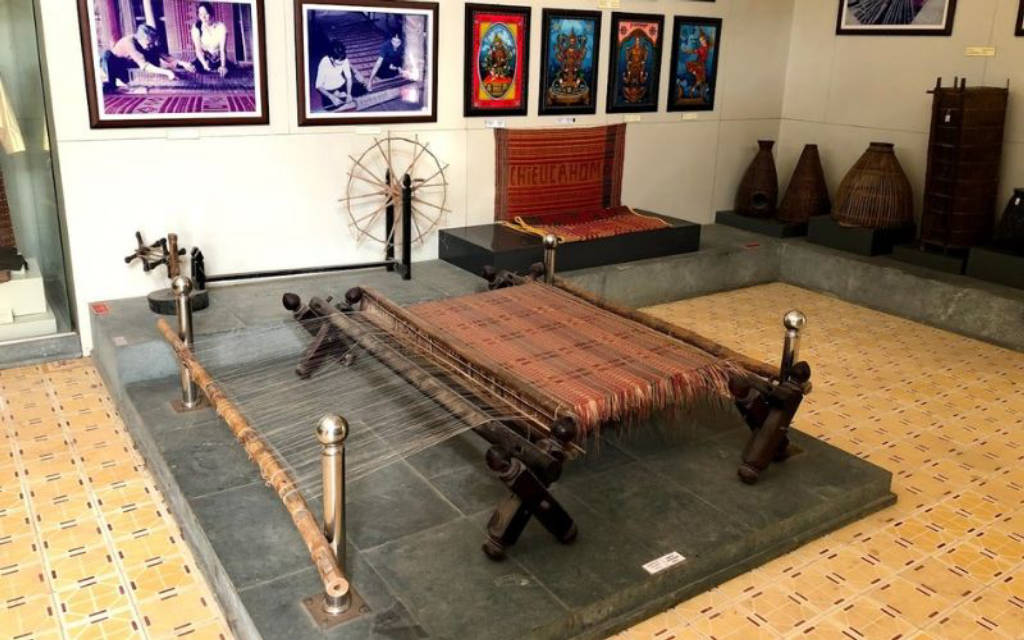
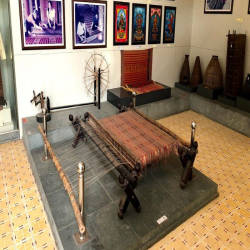
This room provides insights into traditional crafts such as mat weaving, wood carving, basket weaving, and making flattened rice cakes. Displayed tools such as mat looms, flattened rice pounders, and intricately carved wooden sculptures showcase the craftsmanship and talent of Khmer artisans, whose works are both culturally significant and essential in daily life.
Room 4: Performing Arts
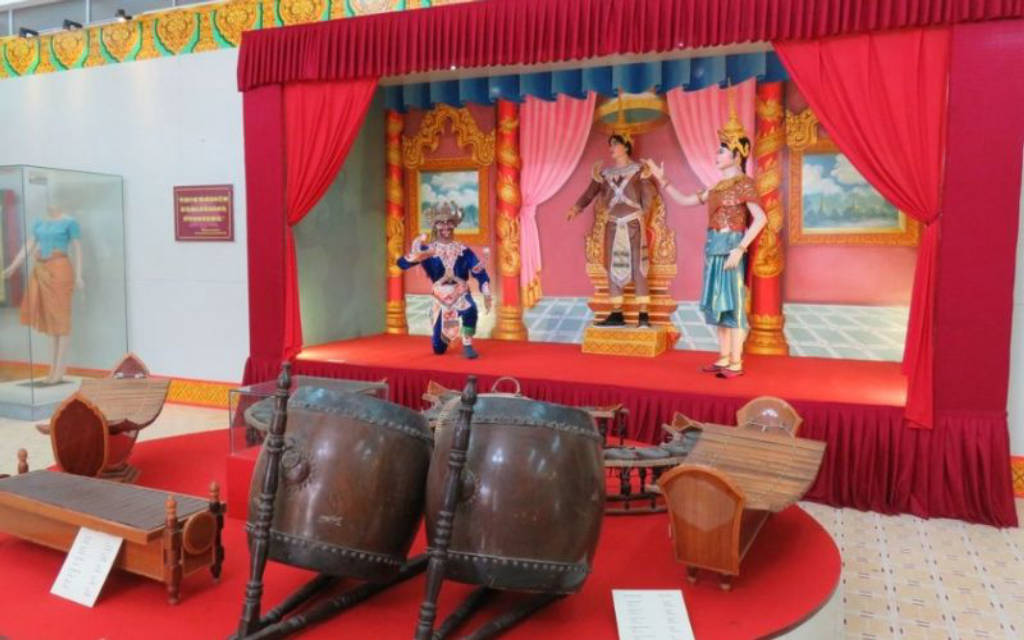
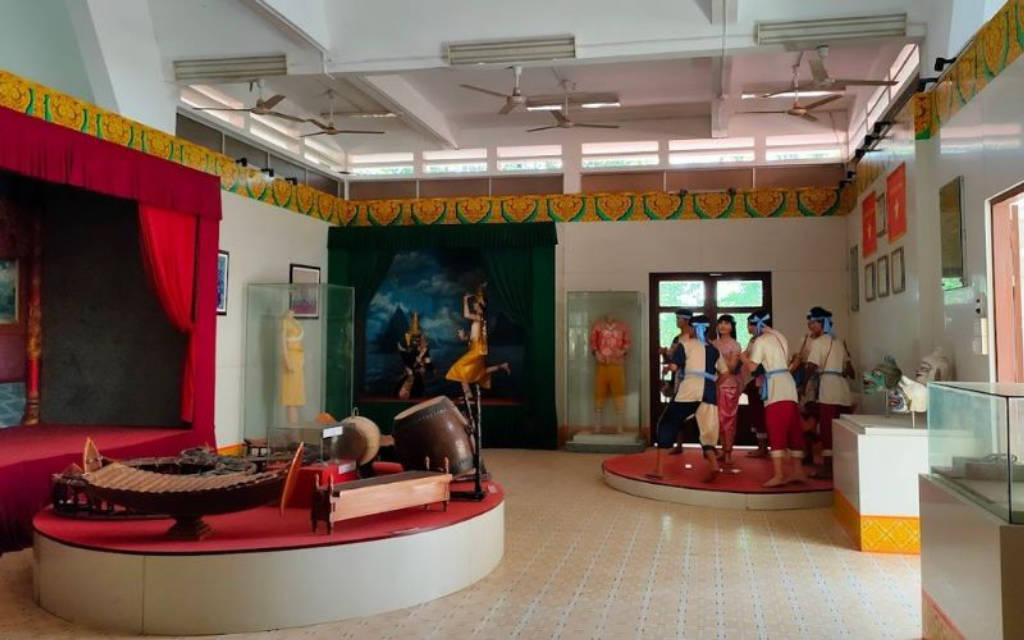
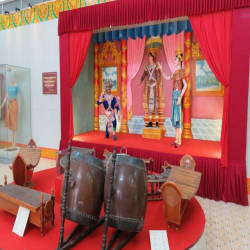
Visitors will be captivated by the exhibits related to the traditional performing arts of the Khmer, including the Five-Yellow orchestra, dance costumes, masks used in performances, and a space replicating the stage for Ro-ham dance theater and Umbrella millet opera. This room highlights the vibrant energy of traditional arts, preserving the Khmer cultural identity in the modern era.
Exploring History and Revolutionary Relics
In addition to cultural exhibits, the museum also dedicates space to the history of the Khmer people’s revolutionary struggles in the resistance against French colonialism, American imperialism, and in the defense of the country. The remains of Maha Son Thong, a prominent intellectual and revolutionary figure from Tra Vinh, are preserved in the museum, honoring the significant contributions of past generations.
Museum – A Destination for Tourism and Research
The museum is not only an ideal place for those interested in cultural exploration but also a venue for preserving and promoting the Khmer ethnic cultural heritage. Those passionate about discovery and exploration will find this museum to be an invaluable treasure, helping to better understand the Khmer culture of Tra Vinh and contributing to connecting ethnic cultural values with the international community.
Entrance Fee: Free
Opening Hours: 07:00–11:00, 13:00–17:00