


Xem tất cả kết quả cho ""

 Ngày bất kỳ
  Tiếng Việt
 English
 한국어
한국어 日本語
日本語 简体中文
简体中文 Français
 Deutsch
 Español
 Italiano
 Русский


 Đăng nhập cho Doanh nghiệp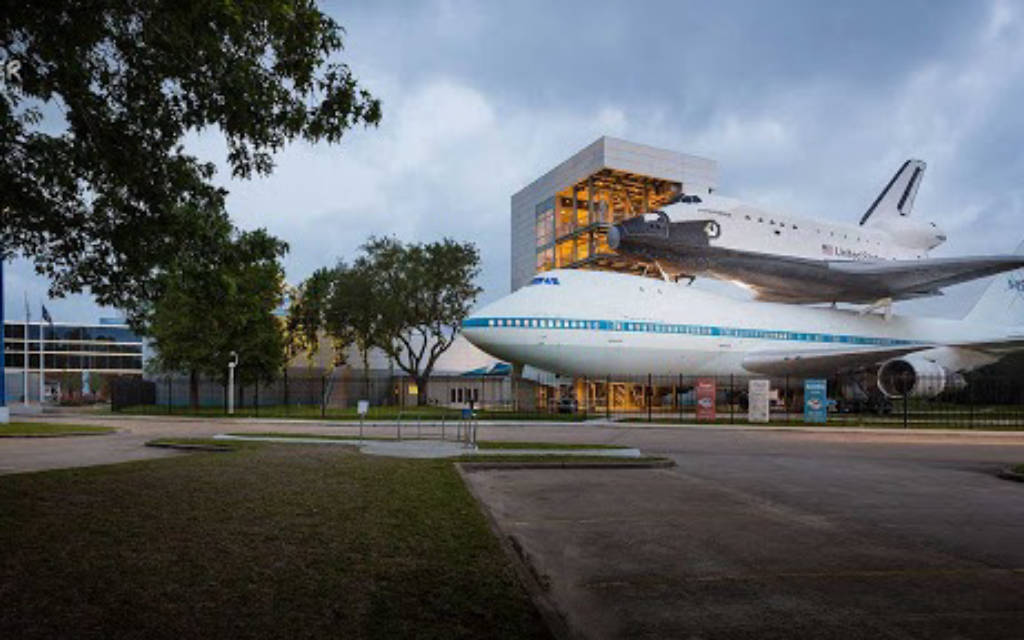
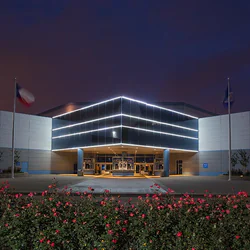
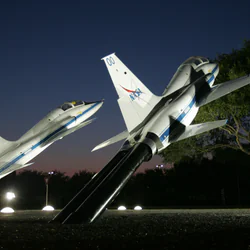
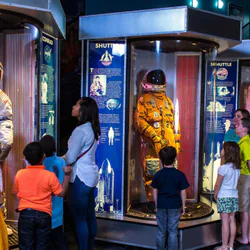
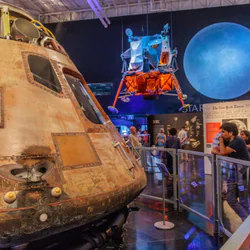
Trung tâm Không gian Houston
 1601 E NASA Pkwy, Houston, TX 77058, USA
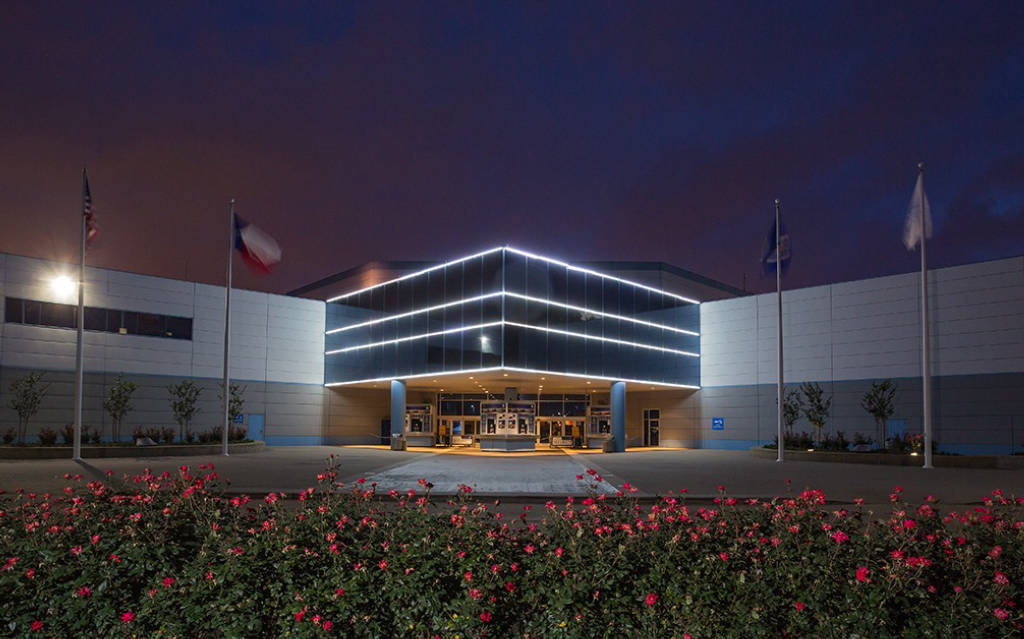
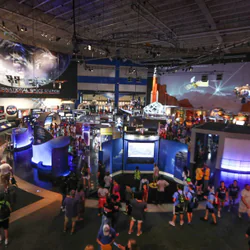
Bảo tàng khoa học đóng vai trò là trung tâm du khách chính thức của Trung tâm Không gian NASA Johnson và là một trong những điểm thu hút hàng đầu của Houston, đồng thời là điểm thu hút khách quốc tế số 1 của khu vực.
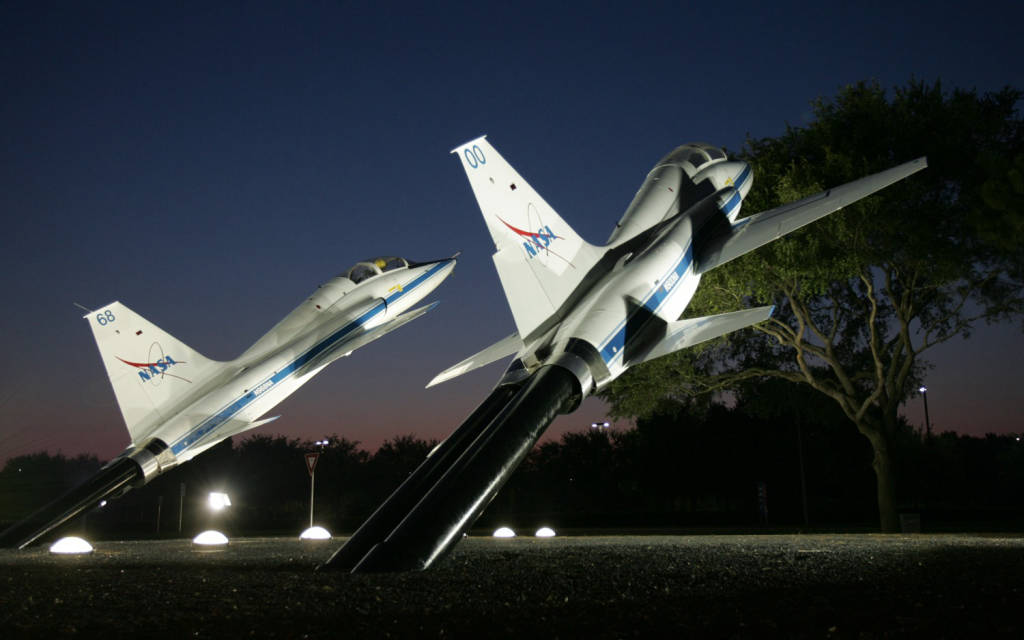
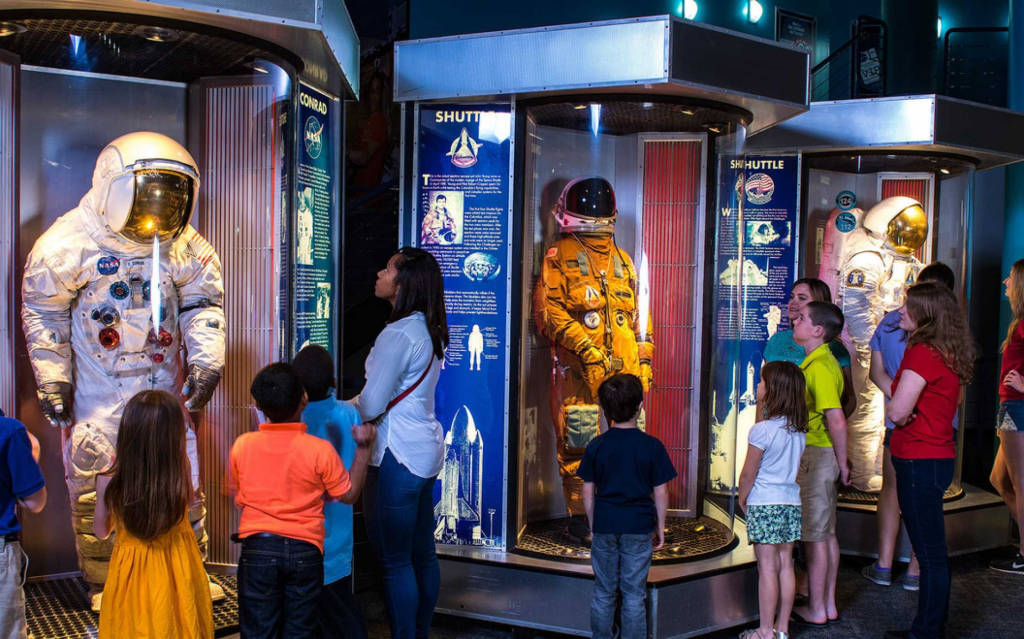
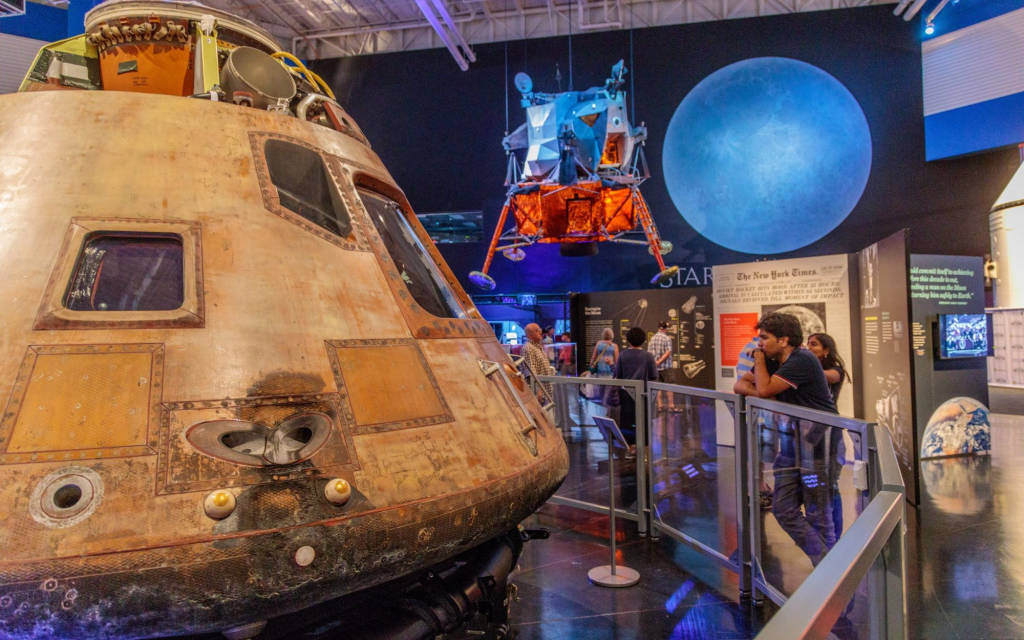
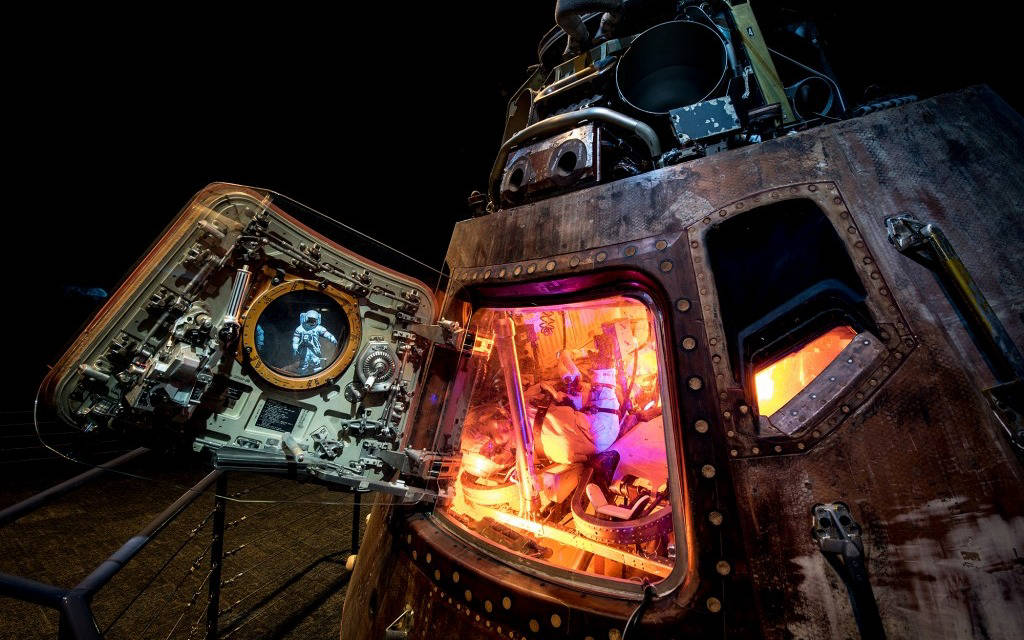
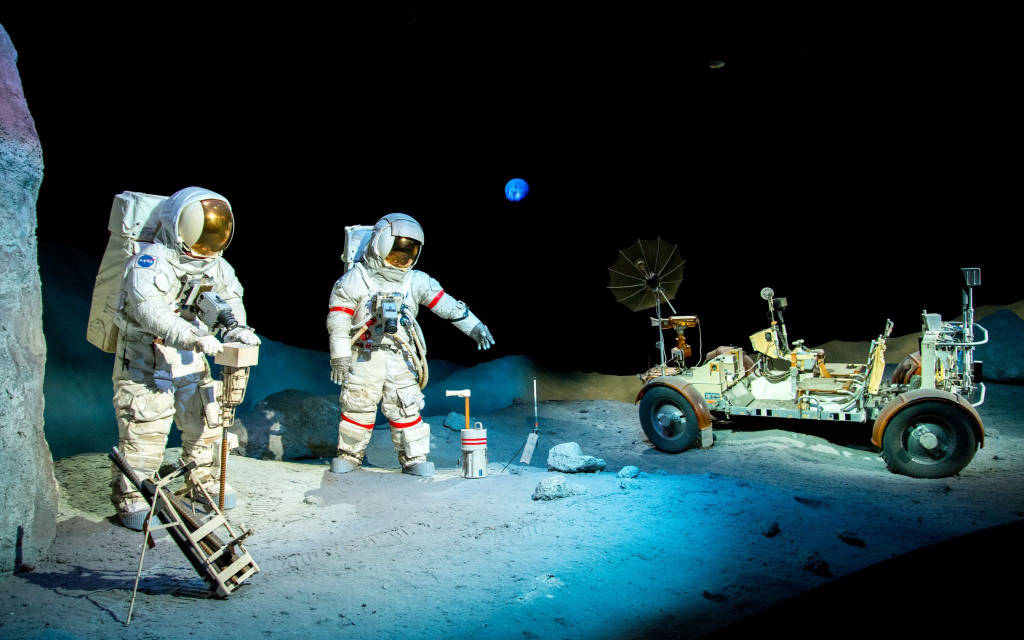
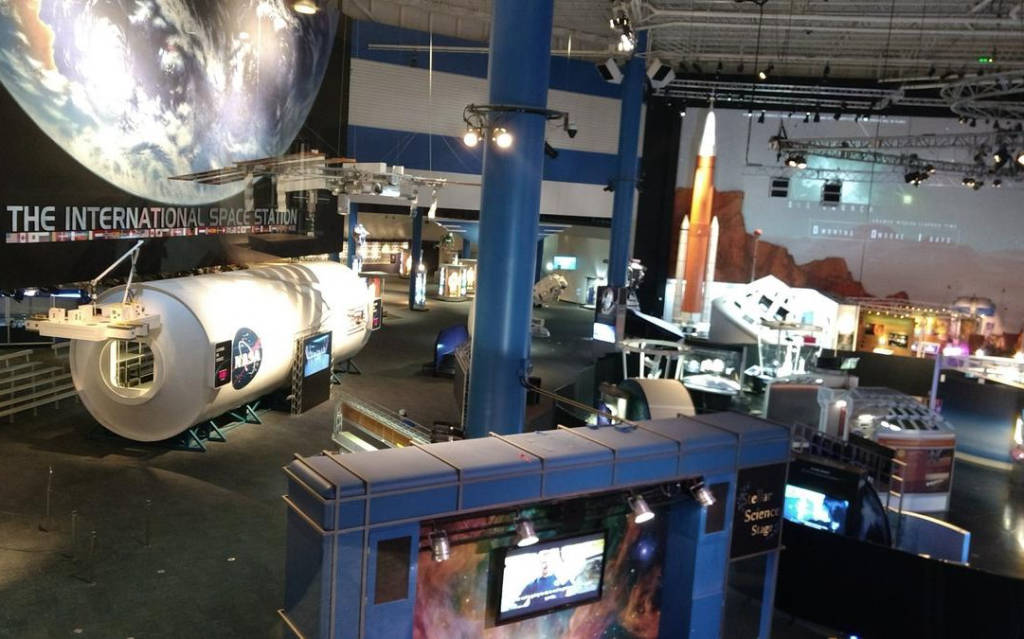
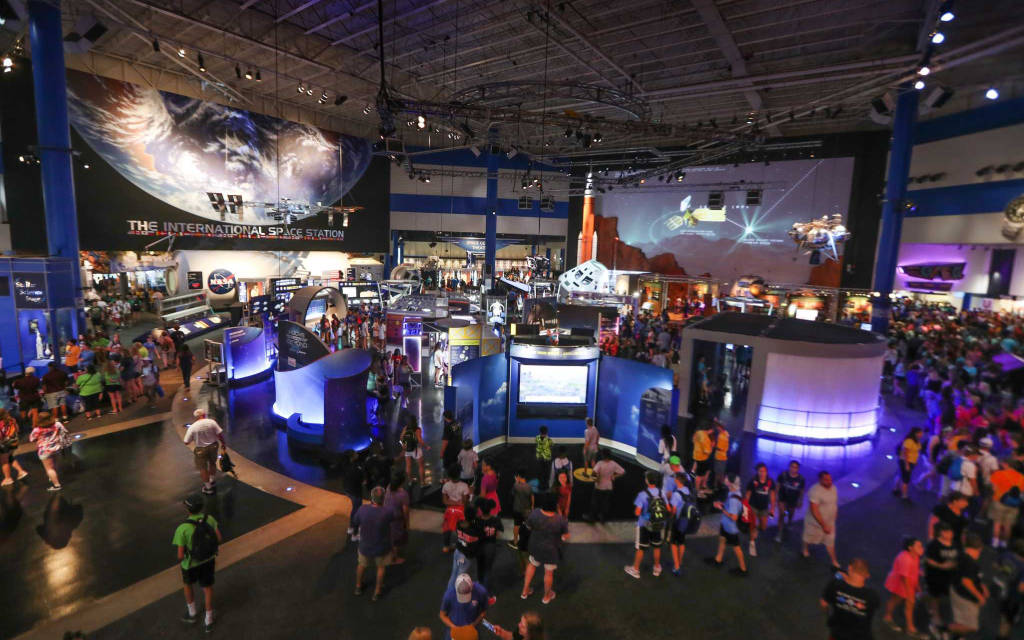
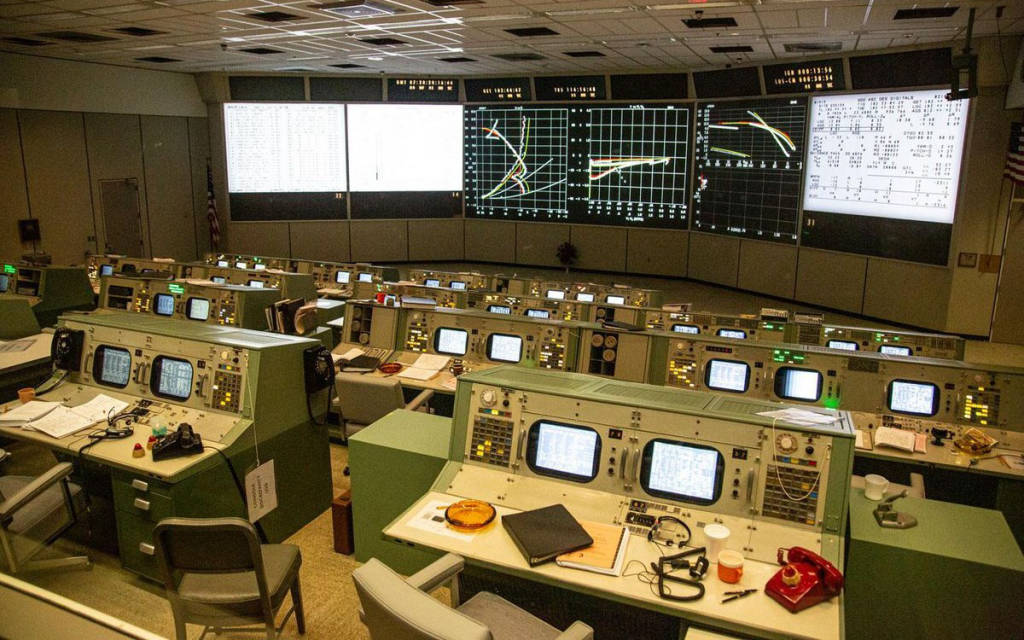
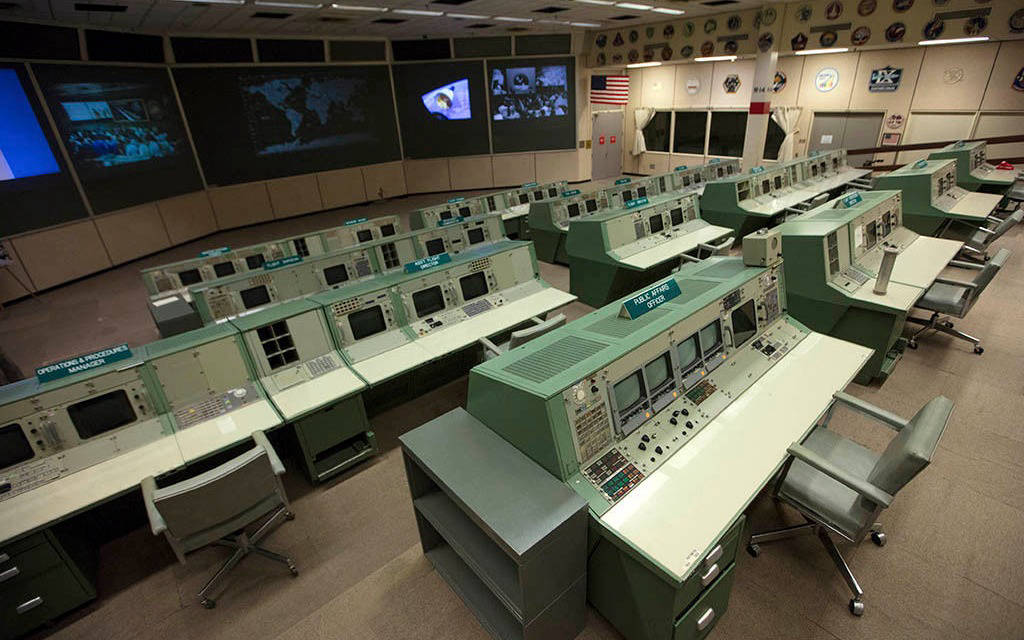
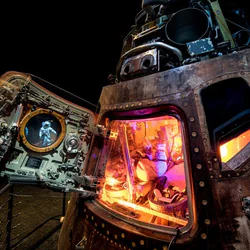
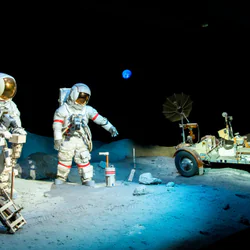
Trung tâm Không gian Houston được thành lập vào năm 1992 và thuộc sở hữu của NASA. Hiện nay, trung tâm đang trưng bày 400 hiện vật không gian bao gồm tàu vũ trụ bay, bộ sưu tập đá mặt trăng lớn nhất, thường xuyên tổ chức các cuộc triển lãm về du hành, không gian và các chương trình trình chiếu tập trung vào lịch sử khám phá không gian của con người. Bên cạnh đó, trung tâm còn tổ chức các chương trình STEM (khoa học, công nghệ, kĩ thuật, toán học) dành cho mọi lứa tuổi.
Một số phòng trưng bày và khu vực nổi bật tại Trung tâm Không gian Houston:
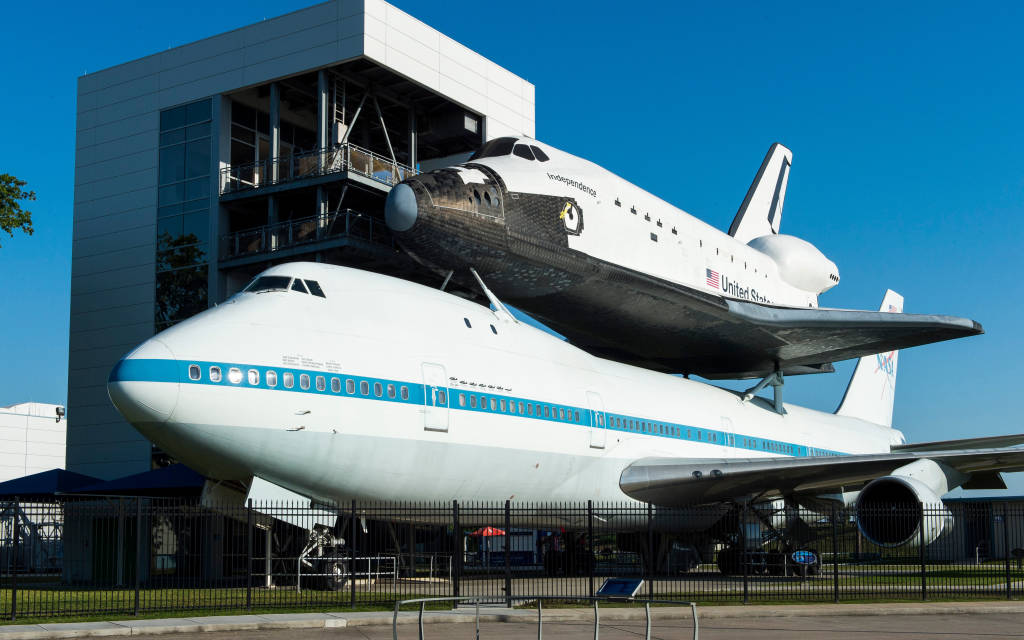
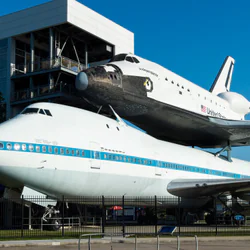
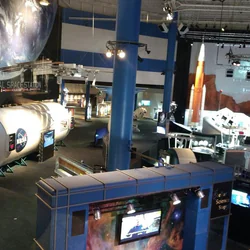
Trung tâm Thương mại Độc lập Quốc tế là điểm tham quan mang tính bước ngoặt chứa bản sao tàu con thoi duy nhất trên thế giới được gắn trên máy bay chở con thoi. Bản sao của Tàu con thoi Độc lập trước đây được gọi là Explorer đặt tại Khu liên hợp Du khách của Trung tâm Vũ trụ Kennedy và chuyển đến Trung tâm Vũ trụ Houston từ năm 2014. Những cuộc triển lãm tại đây sẽ mang đến cho khách tham quan một cái nhìn hiếm có về kỷ nguyên tàu con thoi lịch sử cũng như những đột phá và tiến bộ công nghệ của NASA đạt được từ chương trình cũng như những ảnh hưởng của nó đến việc khám phá trong tương lai.
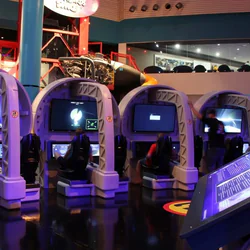
Triển lãm Mission Mars mở cửa vào tháng 1 năm 2017 được phát triển bởi NASA và có nội dung tập trung vào việc lên kế hoạch cho chuyến du hành lên sao hỏa tiếp theo. Du khách sẽ có trải nghiệm hoàng hôn ảo trên sao Hỏa, leo lên một viên nang Orion mô phỏng và cảm nhận kết cấu của những vách đá lấy cảm hứng từ hành tinh đỏ trong triển lãm tương tác tại đây. Đồng thời, khám phá những gì cần thiết để du hành đến sao Hỏa, phần cứng nào sẽ đưa chúng ta đến hành tinh thứ tư trong hệ mặt trời và cách con người có thể sống trên hành tinh đỏ trong vài thập kỷ tới.
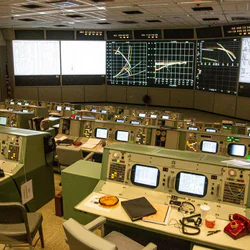
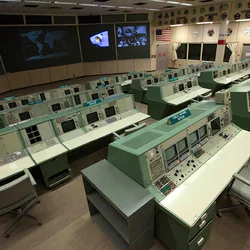
Chuyến tham quan Tàu điện NASA là cơ hội đích thực đưa du khách đến thực địa tại Trung tâm Không gian Johnson của NASA và có được cái nhìn hậu trường về hoạt động khám phá không gian của con người. Tại đây, du khách sẽ có thể tham gia các chương trình trực tiếp tương tác trong không gian chân thực mô phỏng cả các hiện vật trong trạm không gian thực tế.
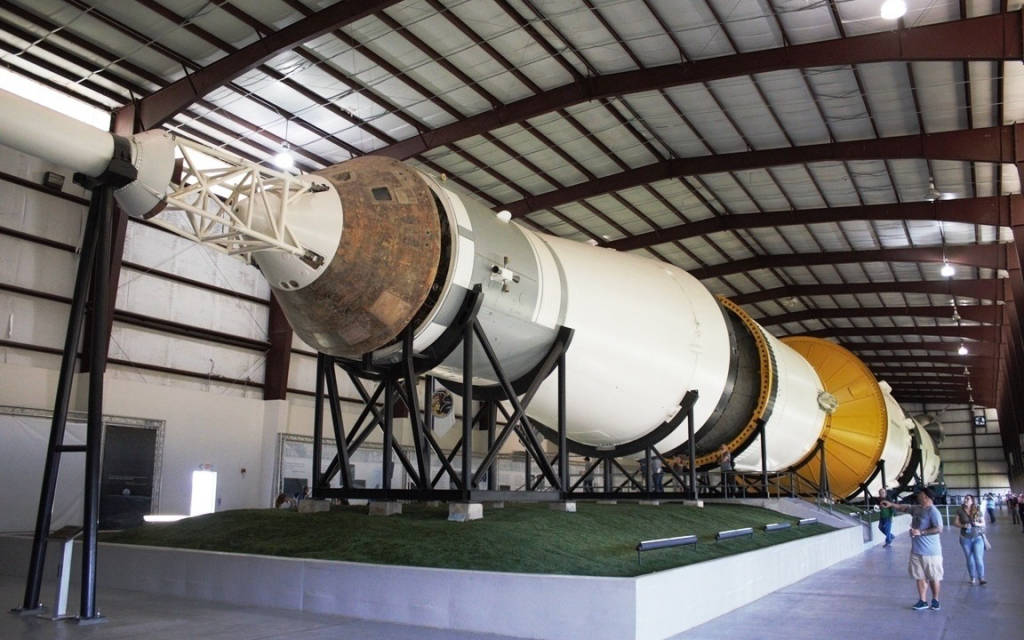
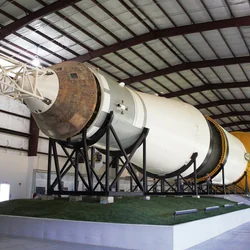
Công viên Tên lửa là nơi trưng bày một trong ba tên lửa Saturn V thực tế còn lại. Ban đầu được trưng bày bên ngoài lối vào chính Trung tâm Không gian Johnson từ năm 1977 và sau đó được chuyển đến đây.
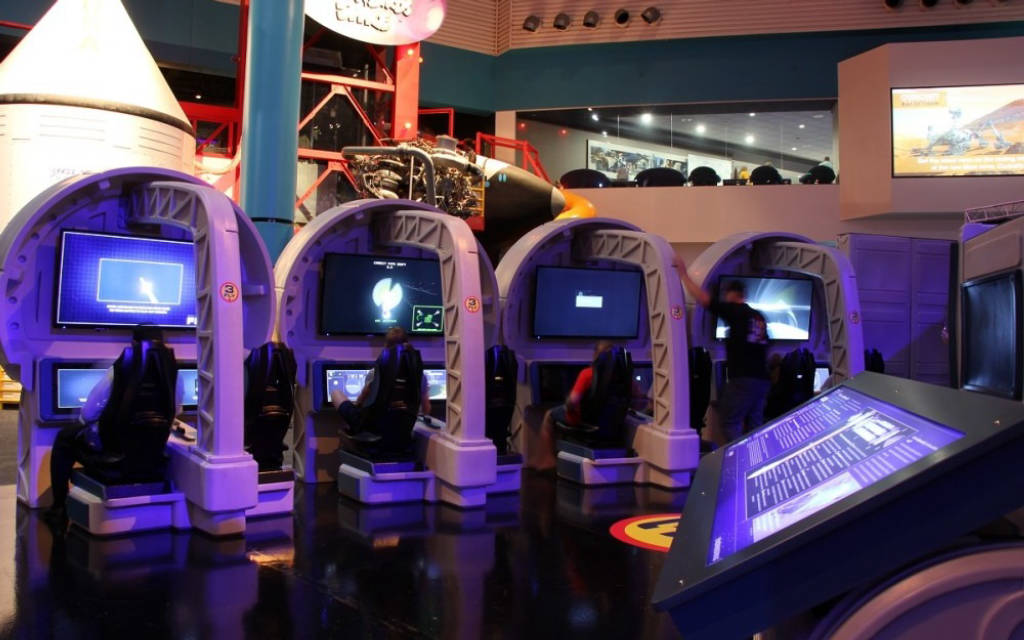
Bên cạnh đó, những triển lãm tại đây quả thực không thể bỏ lỡ với các chương trình trực tiếp cho phép khách tham quan trở thành nhà khoa học tên lửa hay phi hành gia thông qua các thí nghiệm tương tác và công nghệ trình chiếu mang lại trải nghiệm chân thực nhất có thể. Trung tâm còn cung cấp cơ hội có "Bữa trưa với Phi hành gia" cho du khách với một khoản phụ phí.
Kể từ khi mở cửa cho đến nay, Trung tâm Không gian Houston đã đón hơn 22 triệu người và đón gần 1,25 triệu du khách mỗi năm trong khu phức hợp giáo dục rộng hơn 230.000m vuông của mình. Trung tâm này đã giành được Giải thưởng Nơi làm việc Hàng đầu năm 2016 bởi The Houston Chronicle và tạo ra tác động kinh tế 118,7 triệu đô la hàng năm.
Trang web: www.spacecenter.org
Điện thoại: +1 281 244 2100
Giờ hoạt động: 10:00 - 17:00 các ngày trong tuần
Giá vé:
Trẻ em: 25$
Người lớn: 30$
Người già: 28$