


See all results for ""

 Anytime
 Tiếng ViệtEnglish
 日本語
日本語 한국어
한국어 简体中文
简体中文 Français
 Deutsch
 Español
 Italiano
 Русский


 Login for Corporates
Taipei Night Market Review – A to Z Guide to Eating and Having Fun
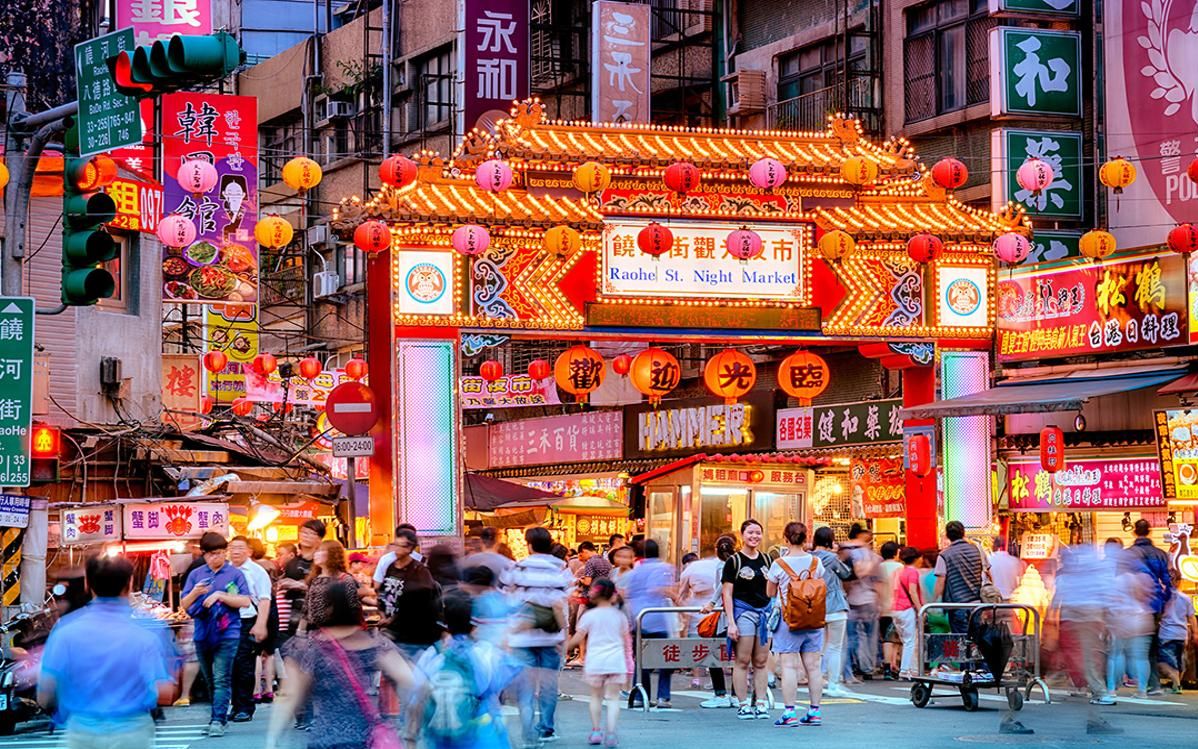
When you think of Taipei, you think of its vibrant night markets – places where you can enjoy dozens of specialty dishes, immerse yourself in the lively atmosphere, and fully experience Taiwan's local culture. From the bustling Shilin, the rich traditions of Raohe, to the youthful energy of Ximending, each Taipei night market has its own unique "personality" that makes visitors want to return. This detailed review will take you on a journey to explore these markets from A to Z. Taipei's most famous night markets, along with suggested itineraries, tips, and must-try dishes.
1. Introduction & Overview of Taipei Night Markets
Night markets have long been an essential part of Taiwanese culture. If daytime Taipei impresses visitors with its modern skyscrapers, orderly streets, and bustling shopping districts, the city reveals a completely different side after dark—more intimate, vibrant, and rich in local flavor. More than just places to eat, Taipei night markets reflect the lifestyle, daily habits, and creativity of local people through their street food culture.
What makes the Taipei night market so appealing is the countless variety of food: from crispy oven-baked pepper buns and piping hot beef noodles to challenging stinky tofu, fragrant fried oysters, and authentic Taiwanese-style handcrafted milk tea. Just stepping into the market, you'll be instantly captivated by the aroma of grilled food, the sizzling sounds of frying pans, and the glittering neon lights everywhere.
.jpg)
Taiwanese specialties fill the counter, piping hot.
2. Top famous night markets in Taipei
2.1. Shilin Night Market – Taipei's largest night market
Shilin is always on the must-visit list for anyone looking for a relaxing getaway. Taipei's famous night market. The area is spacious, crowded, and bustling from late afternoon until late at night. Many tourists describe Shilin as a "miniature world" of Taiwanese night market food, because with just one stroll around, you can try most of Taipei's signature dishes.
The food court in the basement is home to numerous long-standing food stalls, each with a steady stream of customers. You can easily find giant XXL fried chicken pieces, crispy stinky tofu, or signature sweet and creamy milk teas. Besides food, Shilin also has a carnival game area where you can try your luck with fish shooting, ball throwing, or animal catching – a truly "Taiwanese" experience.
Shilin is especially suitable for first-time visitors to Taipei, or anyone looking for a lively, vibrant, and energetic space.
Address: gần ga Jiantan (MRT Jiantan Station), quận Shilin, Đài Bắc.
Opening hours: about 18:00 – 00:00 (Depending on the counter, some may stay open until 1:00 AM).
How to get there: Take the MRT to Jiantan Station, exit through Exit 1/2, and walk a few minutes to reach the food court.
.jpg)
Shilin Market shines brightly in the Taipei night.
2.2. Raohe Night Market – A Paradise of Traditional Cuisine
If you ask a Taipei resident where the best night market in the city is, many will answer Raohe. Although only about 600 meters long, this night market feels compact, easy to navigate, and features most of the most popular traditional foods.
Right at the entrance to Songshan Temple is a famous pepper bun stall with a blazing red clay oven. The aroma emanating from each batch of buns is irresistible to anyone passing by. The hot, crispy buns with their mildly spicy and fragrant meat filling are a treat many people are willing to queue for. Stepping inside, you'll find stalls selling flavorful beef noodles, enticing grilled skewers, and soft, sweet honey-glazed pastries. Raohe is small but well-organized; a single stroll is enough to satisfy your hunger, yet you'll still want to return.
Address: Raohe Street, near the gate of Songshan Temple, Songshan District, Taipei.
Opening hours: about 17:00 – 23:30 (Food stalls usually start getting crowded from 6:00 PM).
How to get there: Take the MRT to Songshan Station (捷運松山站), then walk for about 5 minutes to reach the market entrance.
.jpg)
Raohe – Taiwan's most bustling night market.
2.3. Ximending Night Market – Shopping and Street Food Center
Ximending is not just a night market, but also Taipei's busiest and most modern commercial district. From morning till night, it's always brightly lit and brimming with the energy of young people. What makes Ximending special is its unique blend of shopping and food. You can sample street food like the famous Ay-Chung flour rice noodles and other hot, crispy fried dishes while browsing fashion boutiques, cosmetics shops, anime stores, or tattoo studios. It feels like stepping into a mini version of Shibuya (Tokyo) but with a distinctly Taipei vibe.
If you love the hustle and bustle, enjoy taking photos, and want to combine shopping and dining, Ximending is definitely the perfect choice.
Address: Ximending area, Wanhua district, Taipei.
Opening hours: many stores open from around 10:00. The most popular food and street-food area is from 19:00 – 23:00. Many shops stay open until late at night.
How to get there: Take the MRT to Ximen Station (捷運西門站), exit at Exit 6/1, and you'll be right in the Ximending area.
.jpg)
Ximending is a bustling town in the heart of Taipei.
2.4. Ningxia Night Market – Focusing only on "delicious, authentic, and high-quality" goods
Although Ningxia isn't large, it's known as a "culinary paradise" for locals. Most of the stalls here are long-standing establishments, and each dish is prepared using traditional recipes, resulting in consistently delicious flavors. Signature dishes like fried oysters, fried taro cakes, or braised pork rice are all dishes that Vietnamese tourists easily enjoy because they suit their taste. The atmosphere at Ningxia is also just right, not as crowded as Shilin, so you can leisurely choose your dishes and enjoy your meal.
Address: Ningxia Road, Datong District, Taipei.
Opening hours: about 18:00 – 23:00.
How to get there: Take the MRT to Zhongshan Station (捷運中山站) or Shuanglian Station (捷運雙連站), then walk for about 5–10 minutes to Ningxia Road.
.jpg)
The night market glows brightly with food stalls and bustling crowds.
2.5. Shida Night Market – A relaxed, affordable student market.
Located near Taipei Normal University, Shida Market has a more youthful, relaxed, and "lively" atmosphere compared to typical tourist night markets. This market offers many affordable snacks suitable for students' budgets, along with charming Korean and Japanese-style fashion shops.
Shida has a relaxed and pleasant atmosphere, not too crowded, making it ideal for those who want to experience a local night market without the hustle and bustle.
Address: Wenlin Road (文林路), near the university area, Da’an District, Taipei.
Opening hours: From approximately 17:00 – 23:00.
How to get there: How to get there: Take the MRT to Taipower Building Station or Gongguan Station, then walk for about 5–8 minutes.
.jpg)
The bustling food street next to NTNU
2.6. Linjiang (Tonghua) Night Market – Easy to get to, near Taipei 101
Tonghua is one of the most accessible night markets as it's located right near Taipei 101. Many visitors choose to visit the tower in the afternoon, then take a short walk to Tonghua for dinner.
The market isn't overly crowded, but it offers a wide variety of food. You can find everything from grilled and fried foods to desserts and snacks. Many foot massage parlors are also located along the market, helping you relax after a long day of sightseeing.
Address: Linjiang/Tonghua Road, Xinyi District, near Taipei 101, Taipei.
Opening hours: about 17:30 – 22:30.
How to get there: Take the MRT to Taipei 101 / World Trade Center station (捷運市政府站), then walk for about 8–10 minutes or take a taxi/Grab if you have luggage.
.jpg)
Linjiang Night Market shines brightly in the Taipei night.
2.7. Nanjichang Night Market – A hidden gem for food connoisseurs
Nanjichang is considered a "hidden gem" of Taipei's culinary scene. While not famous with tourists, it's a popular destination for locals thanks to its affordable prices, quality food, and authentic flavors.
Dishes such as scallion pancakes, shredded chicken rice, and rice rolls are often praised for their simple yet rich flavors. For those who want to explore Taiwanese night markets the way locals do, Nanjichang is one of the most suitable choices.
Address: Nanjichang neighborhood, Wanhua District, or nearby (depending on the specific market), Taipei.
Opening hours: usually from around 18:00 – 23:00.
How to get there : Take the MRT to Longshan Temple Station (捷運龍山寺站) or Ximen Station, then travel by taxi/motorbike or local bus (as this area is somewhat hidden and lacks clear signage).
.jpg)
The atmosphere at Nanjichang Night Market is lively.
.jpg)
The top-most popular snacks at the night market.
2.8. Huaxi Night Market (Snake Alley) – Taipei's Strangest Experience
Huaxi is one of Taipei's oldest night markets and is famous for its unique dishes, such as snake meat. Although not everyone dares to try it, Huaxi Market still attracts those who enjoy new experiences because of its classic atmosphere and distinctive culture.
Besides its unique cuisine, Huaxi also boasts many traditional foot massage parlors – something many tourists believe is part of the "authentic Taiwanese" experience.
Address: Huaxi Street, Wanhua District, Taipei.
Opening hours: about 18:00 – 23:00 (Some bars stay open until midnight).
How to get there: Take the MRT to Longshan Temple Station (捷運龍山寺站), then walk for about 3–5 minutes to Huaxi Street.
.jpg)
Huaxi at night sparkles with its colorful market gate.
2.9. Guangzhou – Wuzhou – Xichang: The three best local markets in Taipei
Unlike Shilin or Ximending, these three markets have a distinctly local feel. Prices are affordable, the stalls are simple, and the vibe is "very Taipei." This is where you'll find everyday local food and get a clear sense of the city's daily life.
Address: Scattered throughout the residential streets of Taipei's inner districts, these places are highly "local" and therefore don't have fixed addresses; it's best to ask a local for directions upon arrival.
Opening hours: usually start around 17:30 – 22:30.
How to get there: Depending on the market, you'll usually need to take the MRT, bus, and a little walking; the most convenient option is to ask for a taxi or use a ride-hailing app if you're not familiar with the bus system.
.jpg)
Taipei's night markets are a riot of colors and flavors.
2.10. Gongguan Night Market – Student Market near NTU University
Located near several universities, Gongguan has a youthful and lively atmosphere. The food here is typically quick, casual, and easy to enjoy, making it ideal for snacking and hanging out with friends. Its close proximity to an MRT station also makes getting around extremely convenient. Gongguan is especially famous for Chen San Ding soybean milk, a must-try for many visitors to Taipei.
Address: Area near the university district and Gongguan Station, Da'an District, Taipei.
Opening hours: about 17:00 – 23:30.
How to get there: Take the MRT to Gongguan Station (捷運公館站), then walk 5 minutes to reach the market.
.jpg)
Taipei at night glows brightly amidst a sea of neon signs.
.jpg)
The aroma of grilled skewers fills the air in a Taiwanese night market.
3. Which Taipei night markets should I visit? (Suggestions based on your needs)
3.1. If you want to eat a lot, prioritize a variety of delicious dishes.
If your goal is to explore Taipei night market food. For a truly immersive culinary experience, areas like Raohe, Shilin, and Ningxia are always top choices. Raohe feels like stepping into a traditional food paradise, where most dishes retain their authentic Taiwanese flavors. Shilin, on the other hand, is large and bustling, perfect for those who want to sample a wide variety of dishes in a single evening. Ningxia, though smaller, impresses with its high-quality stalls, offering a variety of worthwhile options. These three markets are ideal for those whose top priority is eating well and feeling full.
.jpg)
A colorful corner of Taipei night markets filled with flavors and atmosphere.
3.2. Want fewer crowds – easy and comfortable travel
For travelers who love a leisurely pace and want to experience new things, Taipei Night Market. For a more relaxed atmosphere, Shida and Gongguan are the best choices. These two markets are located near universities, offering a comfortable space, reasonable prices, and are not as crowded as Shilin or Raohe. In Shida, you can enjoy student-friendly food while browsing charming little fashion boutiques. Gongguan, on the other hand, offers a youthful and friendly vibe, perfect for a simple evening meal without the crowds.
3.3. Want to shop – fashion is a priority
If you want to combine exploration Taipei night market. When it comes to shopping, Ximending and Linjiang (Tonghua) are two must-visit destinations. Ximending is Taipei's most buzzing shopping district, where you can easily find all kinds of fashion, cosmetics, accessories, and anime merchandise. The atmosphere is always bright, lively, and very "cinematic." Tonghua is more subdued but boasts many smaller shops with affordable prices, allowing you to comfortably browse before stopping at a food stall to refuel.
Shopping spaces at Taipei night markets.
3.4. Want a unique experience – try something new.
For those seeking novelty and wanting to step outside the familiar boundaries of Taiwanese night market foodHuaxi (Snake Alley) is definitely an experience worth trying. This ancient market is famous for its unique dishes such as snake meat, snake wine, and many traditional foot massage parlors. The atmosphere here is a bit quiet and old-fashioned, but that's precisely what makes Huaxi a different experience, suitable for curious travelers who like to explore lesser-known corners of Taipei.
4. Taipei Night Market Exploration Itinerary (1–2 days)
For those who only have one evening in Taipei, the ideal itinerary would be to start at Longshan Temple – an ancient temple steeped in local culture. After strolling around the temple grounds and experiencing the traditional lifestyle of the locals, you can continue your journey to Raohe or Shillin. These are the two most famous night markets in the city. They are the perfect choice if you want to both explore and enjoy the most distinctive dishes of Taiwanese cuisine in a short evening.
If you have two days, the itinerary will be even more interesting. On the first day, spend time exploring. Taipei 101– a modern landmark of Taipei. From Xinyi Commercial District, you can walk to it. Linjiang Night Market is a place with a wide variety of easy-to-eat, easy-to-try street food that suits tourists' tastes. On the second day, start at Ximending, the city's most vibrant and youthful neighborhood, and then conclude your journey with dinner at Ningxia Night Market. After you've had your fill, you can treat your feet to a relaxing meal. Taiwanese-style massage. An experience that both locals and tourists love.
If you prefer a more relaxed and planned itinerary for exploring Taipei, Tatinta offers a variety of options. City tours and day tours offer great flexibility.Some itineraries even end right at night markets — incredibly convenient for combining dining and exploration. You can find more itinerary suggestions and articles introducing the destinations at Tatinta.com
.jpg)
Taipei 101 illuminates the Taipei night sky.
.jpg)
Longshan Temple shines brightly in the Taipei night.
.jpg)
Captivated by the flavors of Taiwan's night markets.
5. A Comprehensive Guide to Visiting Taipei Night Markets
Autumn, from September to November, is the best time to explore. Taipei Night Market. This is because of the cool weather and little rain. Spring is also a pleasant time, with only occasional light rain. If you go in the summer, it's quite hot, but the night market atmosphere is incredibly lively and worth experiencing. Avoid days with heavy rain as many stalls will close early.
Getting to the night markets is very convenient thanks to the city's extensive MRT system. Most night markets are within walking distance of the station, and you can get back by MRT around midnight. If you're traveling in a group of 3–4 people, a taxi or Uber is a good option.
When shopping at night markets, it's a good idea to bring cash, as many small stalls don't accept cards. Taiwanese people tend to queue at the best stalls, so you can confidently choose whatever is popular. Try a little bit of everything to enjoy a variety of flavors. Fried and grilled foods should be eaten immediately to maintain their freshness. And if you're brave enough, try stinky tofu – a dish that might startle you at first but is easily addictive once you get used to it.
FAQ – Taiwan Night Markets
1. What time do Taiwanese night markets open?
Most night markets in Taiwan start operating around 17:00 to 18:00 and are busiest during peak hours 19:00–22:00. The closing time is usually around 23:00–24:00. However, some large markets or central areas may remain open until 1-2 AM, especially on weekends or during peak tourist season.
2. What are the most famous night markets in Taiwan?
Taiwan has hundreds of night markets of all sizes, the most prominent of which isShilin Night Market(Taipei's largest market), Raohe Night Market(famous for its pepper cakes), Ximending(Combining shopping and entertainment), Linjiang, and Nanjichang (strongly local). Outside of Taipei, the Fengjia Night Market in Taichung is also very famous for its large scale and creative food.
3. What dishes should you try at the night market?
Taiwanese night markets are considered a "street food paradise." The dishes include...Don't miss it! including: XXL fried chicken, Taiwanese sausage, bánh hồ tiêu (pepper cake), hàu chiên (蚵仔煎), grilled octopus, stinky tofu and bubble tea. Each market usually has a few signature dishes that are well worth trying and comparing the flavors.
4. Is the night market crowded?
The night market is very crowded, especially after 7 PM and on weekends or holidaySome popular markets can be extremely crowded. If you don't like crowds, you should go earlier (around 5:30-6:30 PM) or choose markets with fewer tourists for a more comfortable experience.
5. Are night markets in Taiwan safe?
Overall, Taiwanese night markets are quite safeEven for solo travelers. However, due to the large crowds, you should still consider this option. Pay attention to your personal belongings. Keep your wallet and phone safe, avoid wearing a backpack, and move slowly in crowded areas to minimize the risk of collisions.
6. Is it possible to bargain when buying goods?
You may try negotiating the price. When buying items like clothes, accessories, and souvenirs, especially if you buy many items at once. However, with food and drinksThe price is usually fixed and you shouldn't haggle to avoid embarrassing the seller.
7. Payment by cash or card?
Most of the stalls at the night market accept cash only (TWD). Some modern counters or large chains may accept them.EasyCard, Line Pay, or a card. However, it's not yet widespread. Therefore, you should prepare in advance, small denomination cash. For quick and convenient payment.
8. Are night markets suitable for vegetarians?
Night markets are still available. There are quite a few options for vegetarians, such as fried tofu, vegetarian noodles, fried cakes, and grilled vegetables. However, many dishes can be used. The sauce or oil from meat. Therefore, you need to ask the seller carefully or look for stalls that clearly state "vegetarian/素食".
9. What should I bring to a night market?
When going to the night market, you should bring this: cash, paper towels or wet wipes, drinking water, a small garbage bag, and especially comfortable shoes. Because you'll have to do quite a bit of walking. Also, bring... a canvas bag ora small backpack. It will be more convenient to buy food and souvenirs.
10. Is the night market open on holidays?
Most night markets. Still open on holidays. It was even more crowded and lively than usual. However, Operating hours may change and some small stalls may be closed. To be sure, you should check the information beforehand or ask the hotel/local reception.
New Posts