


 Tiếng Việt
 English
 한국어
한국어 日本語
日本語 简体中文
简体中文 Français
 Deutsch
 Español
 Italiano
 Русский


 Đăng nhập cho Doanh nghiệp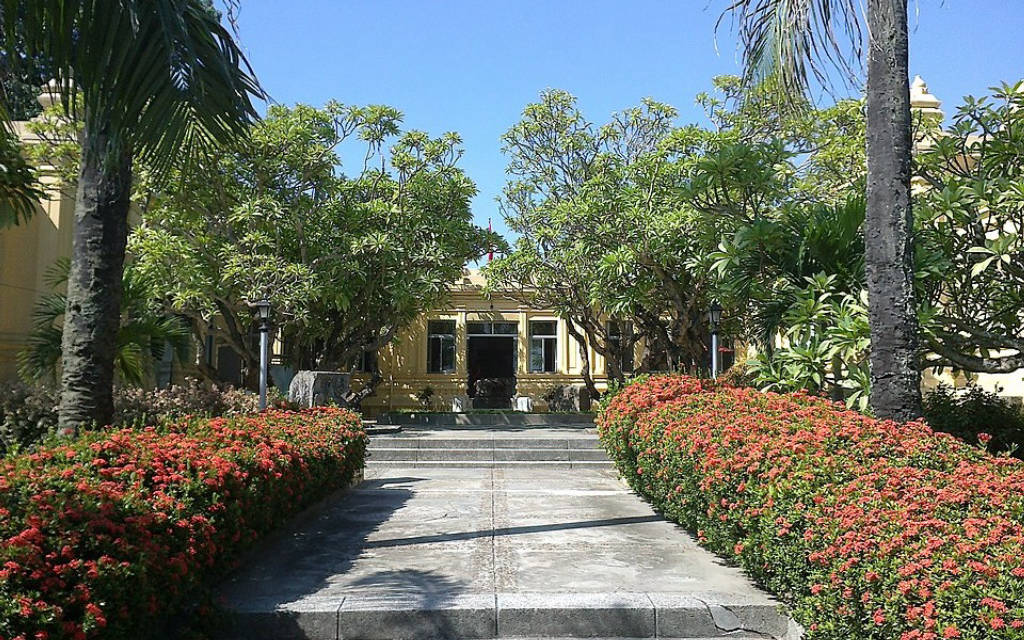
Bảo tàng Nghệ thuật Điêu khắc Chăm Pa
 2 Đ. 2 Tháng 9, Bình Hiên, Hải Châu, Đà Nẵng 550000, Vietnam
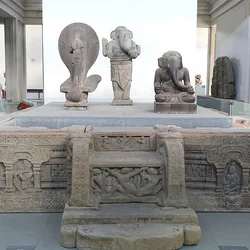
Bảo tàng Nghệ thuật Điêu khắc Chăm Pa (còn được gọi là Cổ Viện Chàm) là bảo tàng do người Pháp xây dựng, chuyên sưu tập, cất giữ và trưng bày các di vật về nghệ thuật điêu khắc của vương quốc Chăm Pa. Đây là bảo tàng điêu khắc duy nhất trên thế giới về nền văn minh Chăm Pa của thành phố sông Hàn.
Bảo tàng Nghệ thuật Điêu khắc Chăm Pa được chính thức khánh thành vào đầu năm 1919, là bảo tàng trưng bày các hiện vật Chăm quy mô nhất trên thế giới nên đã trở thành một điểm nhấn nổi bật của du lịch Đà Nẵng. Việc thu thập những tác phẩm nghệ thuật điêu khắc của vương quốc Chăm Pa từ Hà Tĩnh tới Bình Thuận và các tỉnh Tây Nguyên đã bắt đầu từ những năm cuối thế kỷ 19 được thực hiện bởi các nhà khảo cổ học đến từ Trường Viễn Đông Bác Cổ của Pháp liên kết với một số người Việt Nam yêu ngành khảo cổ.
Khi mới bước vào khuôn viên này, bạn sẽ phải trầm trồ ngạc nhiên bởi kiến trúc Gothic độc đáo với phong cách mái vòng cung có đầu nhọn, cộng với hệ thống cửa sổ kính rộng giúp ánh sáng mặt trời len lỏi mọi ngóc ngách của bảo tàng.
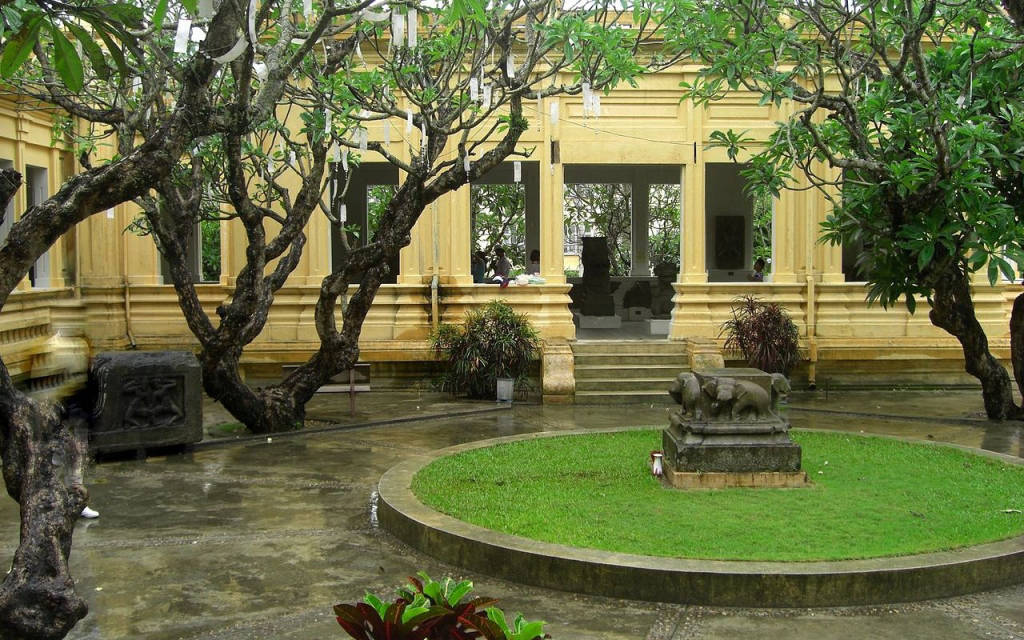
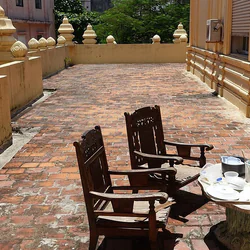
Kiến trúc Gothic ảnh hưởng đậm nét từ kiến trúc Pháp, kết hợp với không gian rộng thoáng cùng những khóm hoa sứ tỏa hương dịu nhẹ khắp mọi ngóc ngách mang đến cho mỗi du khách đến đây một cảm xúc bất ngờ và thú vị. Hiện nay, bảo tàng vẫn còn được bảo tồn và giữ gìn được phong cách kiến trúc ban đầu mặc dù đã trải qua hai lần mở rộng quan trọng vào năm 1936 và 2002.
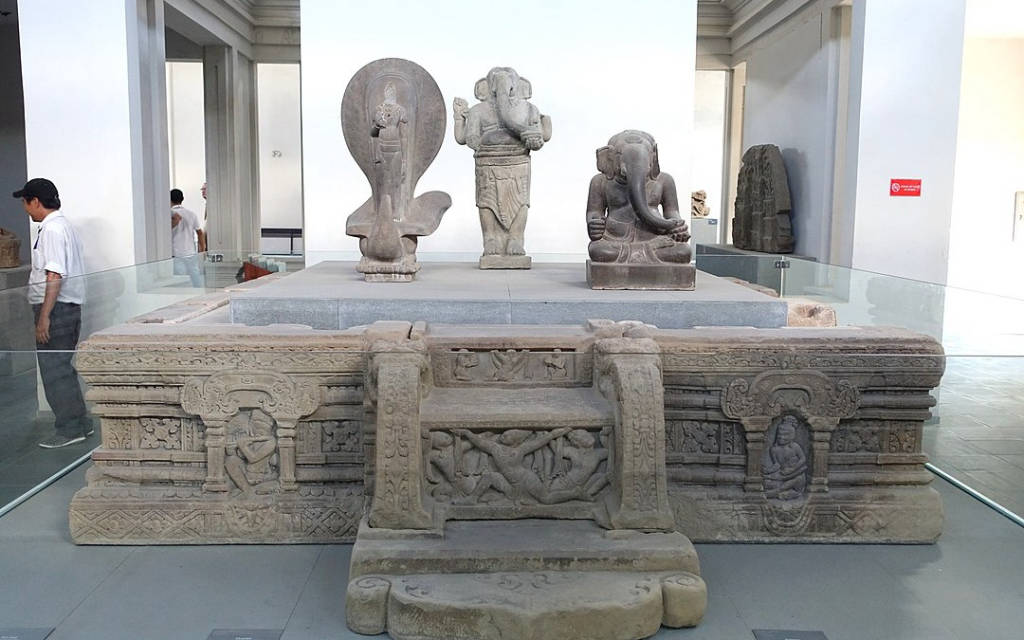
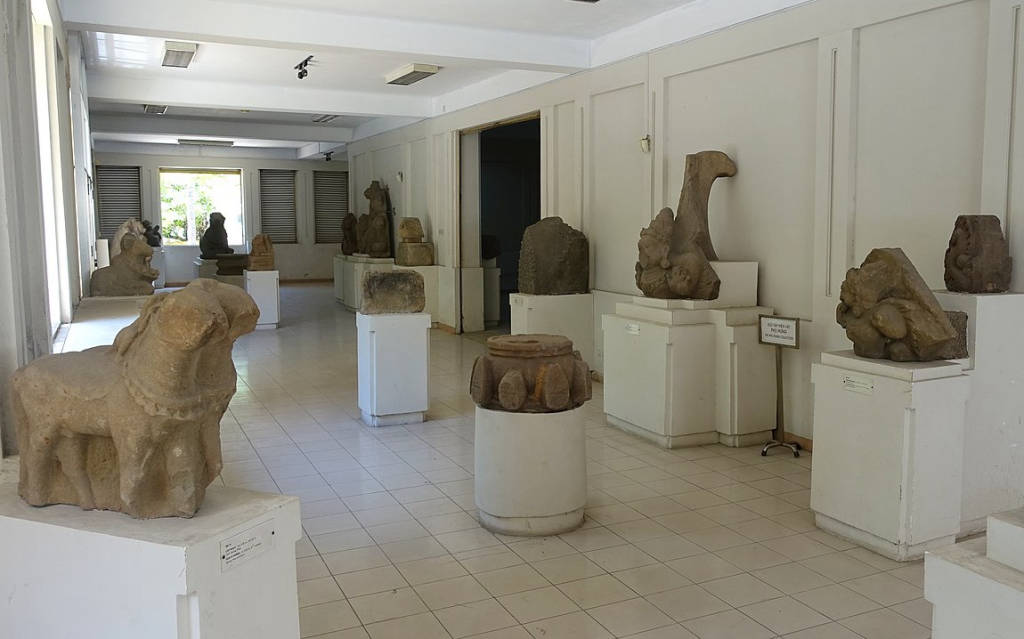
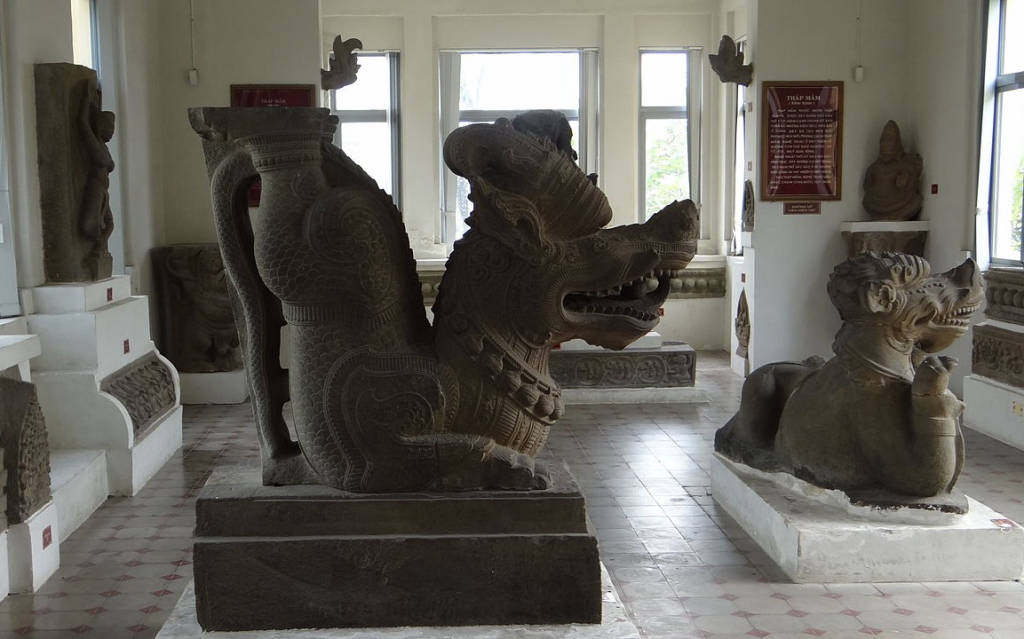
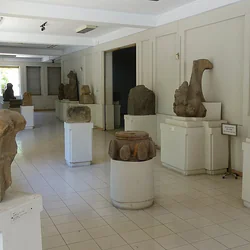
Hiện tại, bảo tàng Nghệ thuật Điêu khắc Chăm Pa – một trong những điểm thu hút khách du quốc tế du lịch nhất Đà Nẵng, đang sở hữu gần 2000 hiện vật lớn nhỏ. Trong đó, tổng số hiện vật nghệ thuật trưng bày lên tới gần 500 món và được phân chia theo nguồn gốc khu vực địa lý nơi chúng được phát hiện hoặc khai quật, bao gồm phòng Quảng Trị, phòng Trà Kiệu, Mỹ Sơn, Đồng Dương, Tháp Mẫm – Bình Định, hành lang Quảng Nam, hàng lang Quảng Ngãi và một phòng trưng bày mở rộng.
Với cách phân chia theo nguồn gốc địa lý này, những du khách đã có trải nghiệm với các di tích văn hóa sẽ dễ dàng nhận ra dấu ấn về kiến trúc Chăm đặc trưng của mỗi địa phương do ảnh hưởng văn hóa và lối sống mỗi vùng miền của nước Việt Nam ngày xưa.
Không gian trưng bày của Bảo tàng Nghệ thuật Điêu khắc Chăm ở Đà Nẵng thật sự rất rộng và làm nhiều khách du lịch bất ngờ vì lầm tưởng dáng vẻ nhỏ bé bên ngoài của nó. Với tổng diện tích 6673 m2, trong đó phần trưng bày 2000 m2, ngoài các phòng địa lý nói trên, phía sau bảo tàng là gian nhà hai tầng mới xây để trưng bày những cổ vật còn cất giữ trong kho và các tài liệu, tranh ảnh về kiến trúc Chăm và các nền văn hóa khác ở khu vực Đông Nam Á.
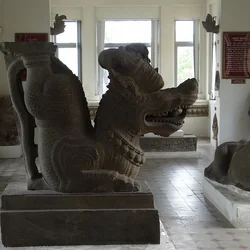
Chất liệu chính của phần lớn các tác phẩm điêu khắc hiện có tại Cổ Viện Chàm là sa thạch, đất nung và đồng. Sa thạch được sử dụng nhiều nhất trong khoảng thời gian từ thế kỷ 7 đến thế kỷ 15 với hoa văn trạm khắc vô cùng tinh xảo, độc đáo, thể hiện một sự phát triển tột bậc của nghệ thuật điêu khắc Chăm thời bấy giờ.