


""에 대한 모든 결과 보기

 언제든지
언제든지 
 Tiếng Việt
 English한국어
 日本語
日本語 简体中文
简体中文 Français
 Deutsch
 Español
 Italiano
 Русский


 기업 로그인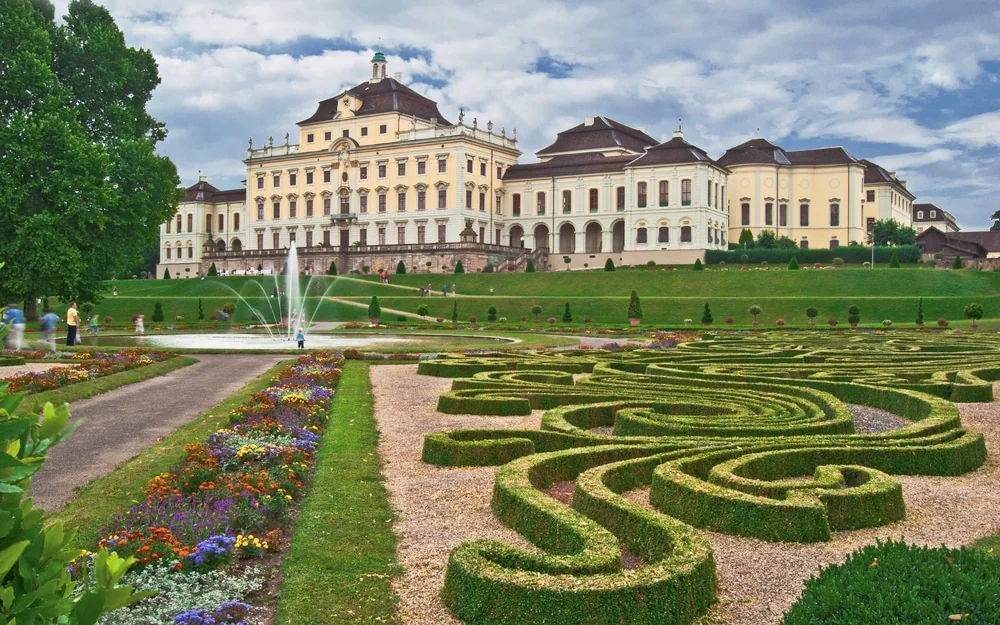
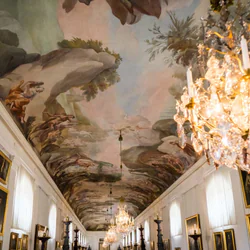
Ludwigsburg Residental Palace
 Schlossstraße 30, 71634 Ludwigsburg, Germany
“ Nicknamed the 'Versailles of Swabia', Ludwigsburg is one of the largest Baroque buildings in Europe standing in prime condition, offering an insightful tour through the centuries - from Baroque to Rococo and Neoclassical”
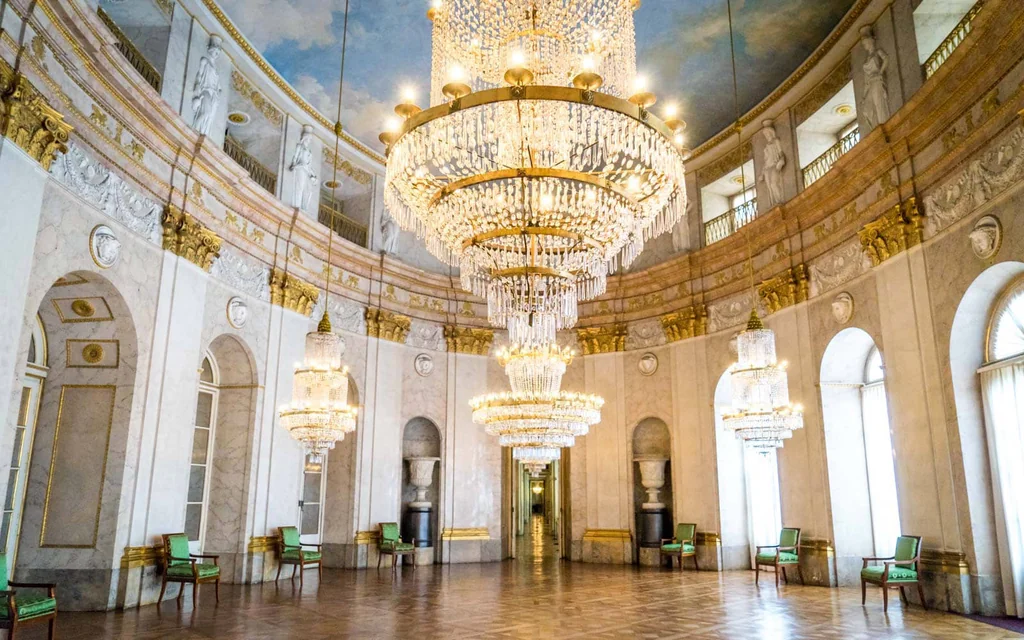
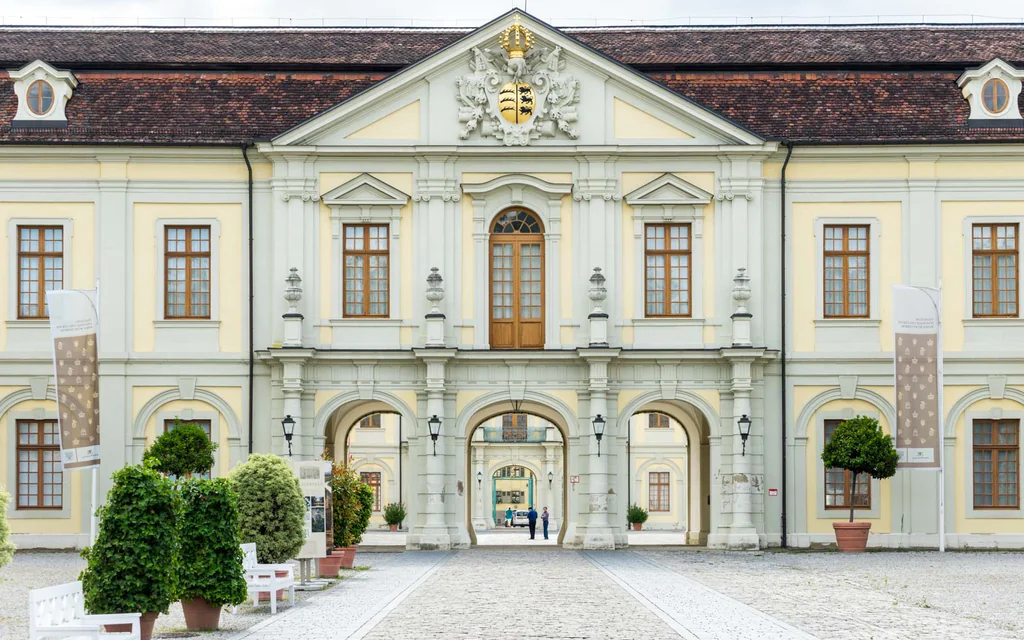
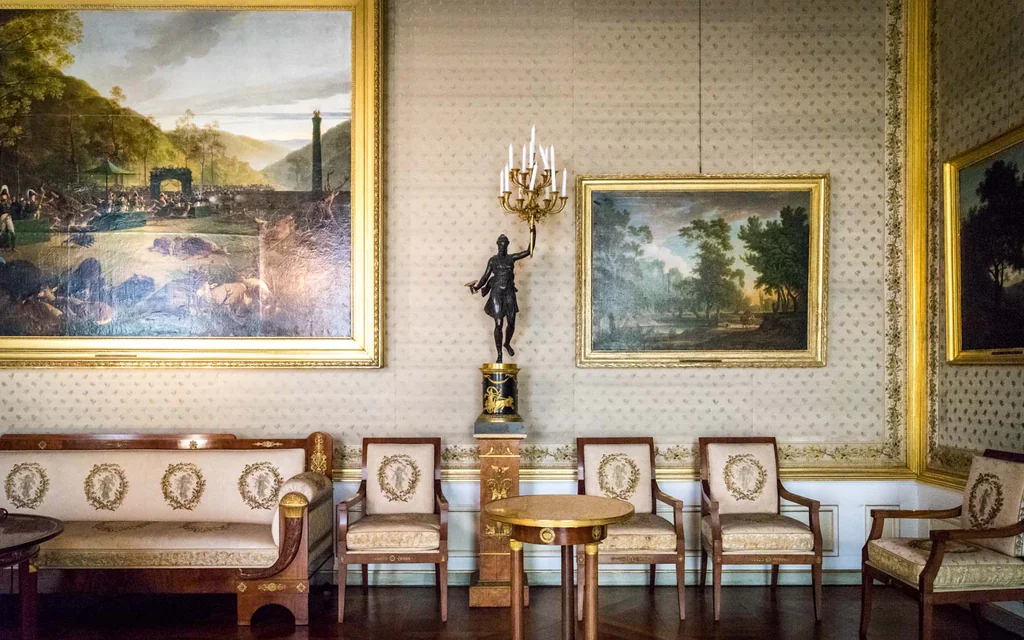
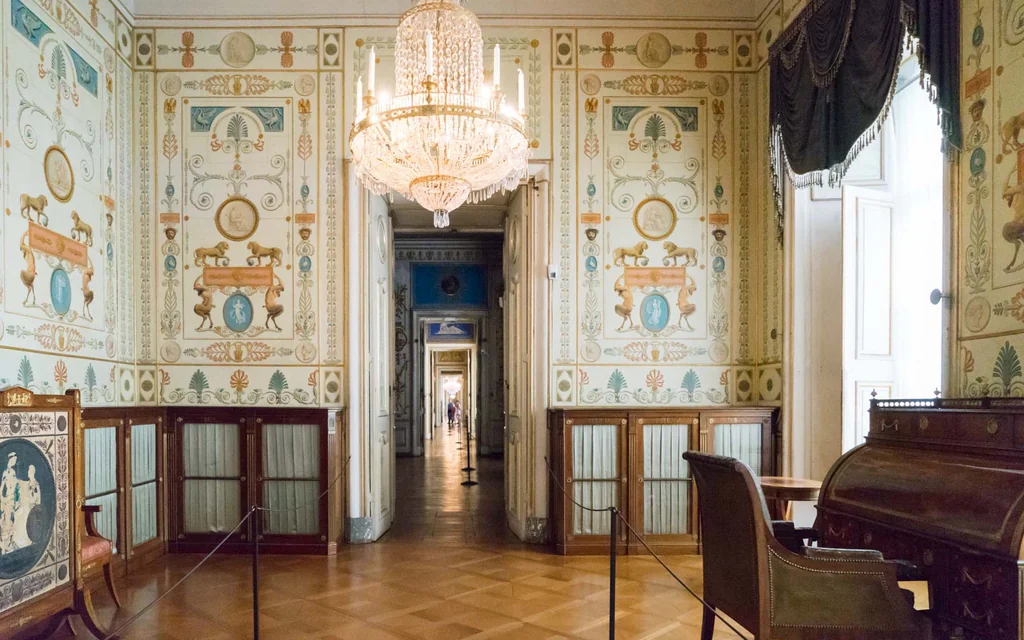
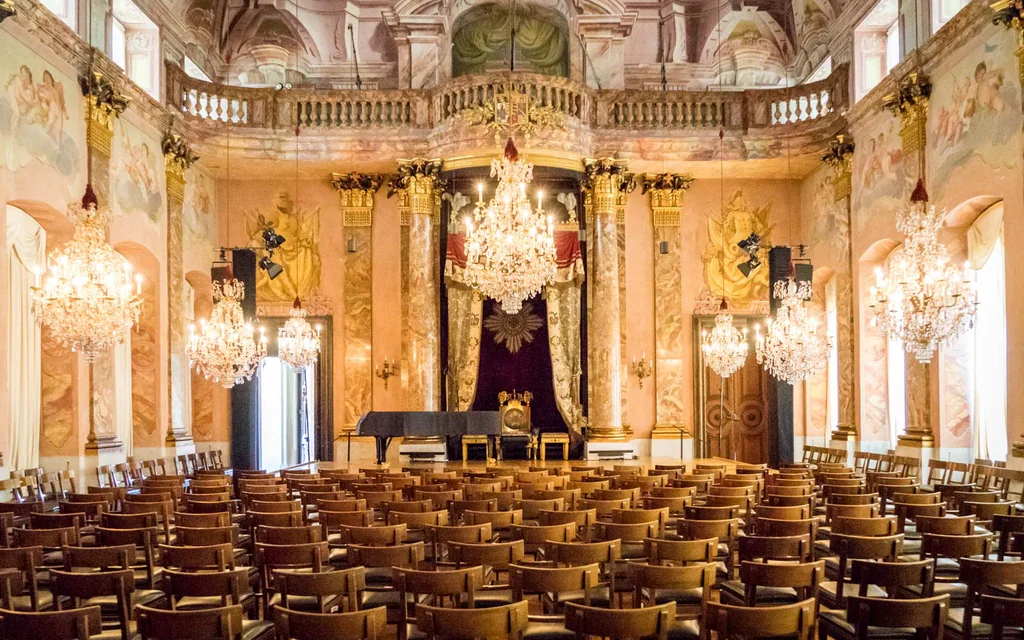
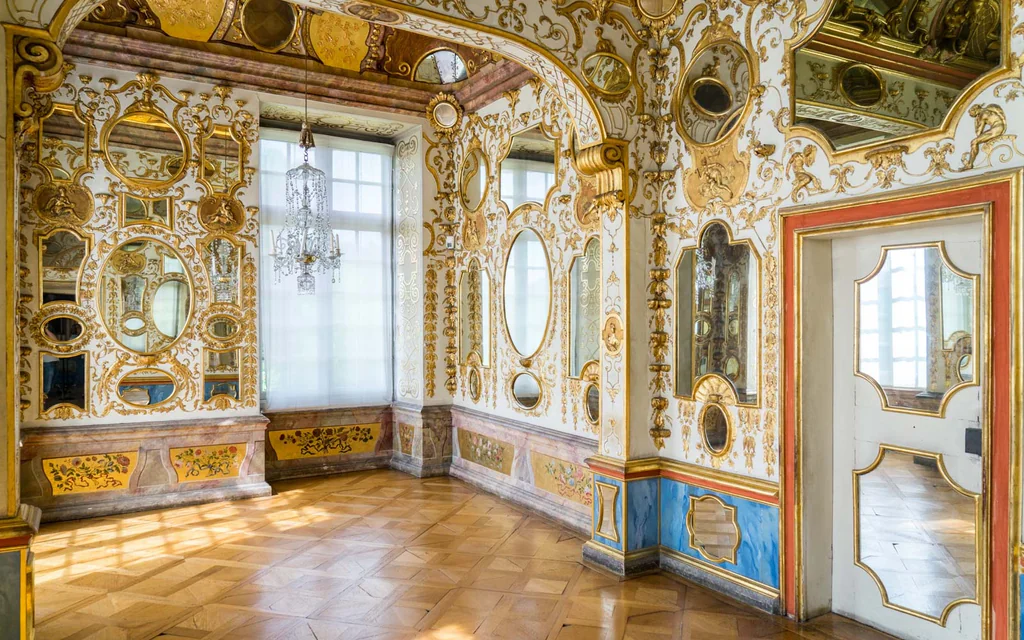
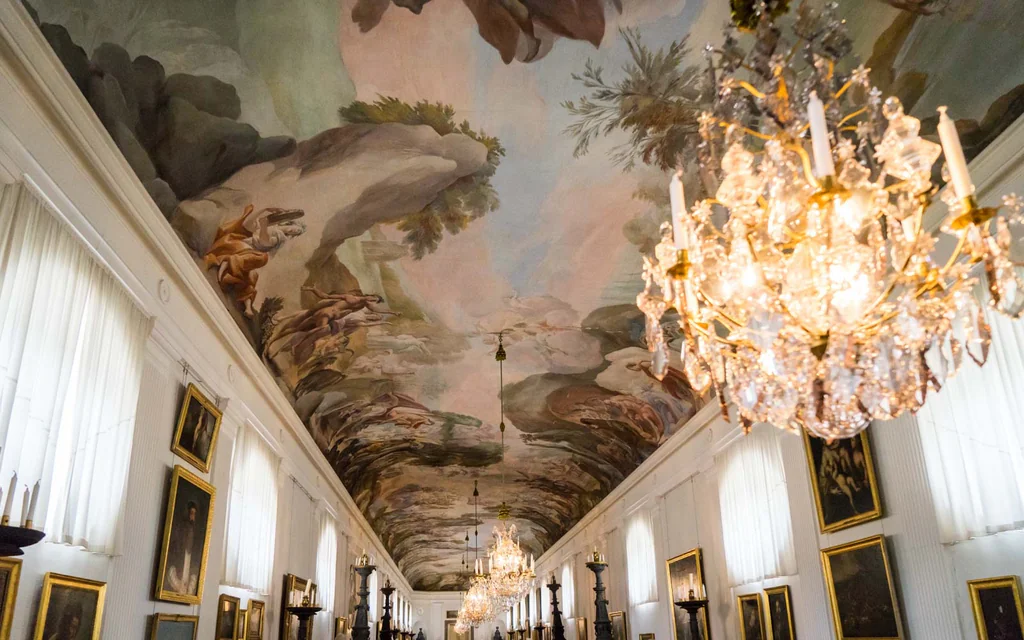
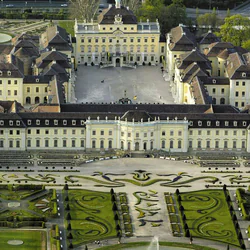
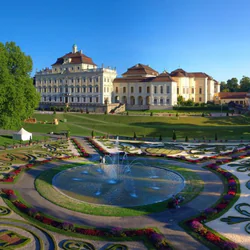
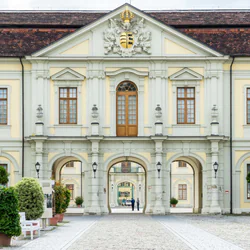
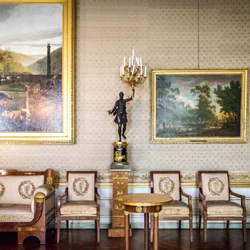
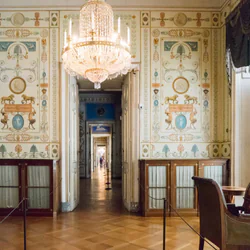
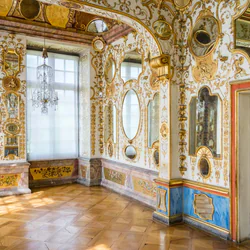
The Ludwigsburg Residental Palace (Residenzschloss Ludwigsburg) is one of the few Baroque structures that has survived the tumultuous history of the previous centuries with almost no damage. This truly magnificent complex stands out not only for its impressive size but also for its lavish interiors. Another feature is the unique blend of three rather different architectural styles: Baroque, Rococo and Neosystemicism. The interior of the Ludwigsburg Residental Palace also houses a wide variety of museums and exhibitions, for both young and old, making it a popular tourist attraction: the Keramikmuseum (Museum of Ceramics) has a large collection; The Modemuseum (Fashion Museum) displays clothing from the 18th to 20th centuries; Duke Carl Eugen's private apartments, with their original decor, boast rare and valuable furniture and accessories; and the Barockgalerie (Baroque Gallery) has a wide range of historical works by a wide range of artists.
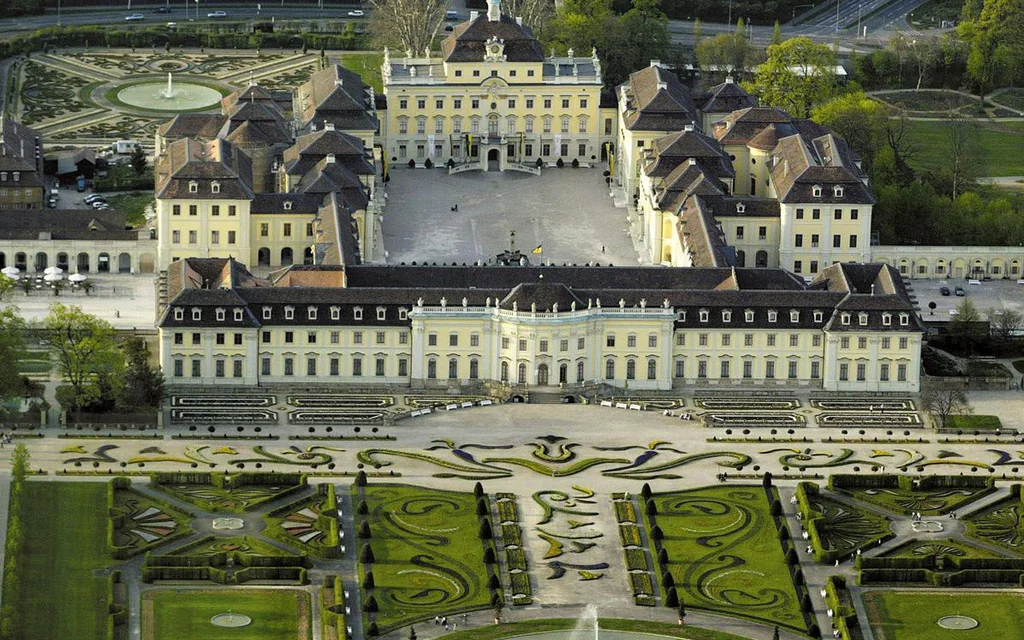
Duke Eberhard Ludwig von Wuerttemberg (1693 - 1733) when he was 27 years old, in 1704 laid the cornerstone in his forest 14 km north of Stuttgart for a hunting castle. This is the beginning of the impressive Baroque edifice, Germany's largest castle grounds, completed in 1733, consisting of 18 buildings with all 452 rooms in a 32-hectare park. The masters of construction were Johann Friedrich Nette and Donato Guiseppe Frisoni. The Italian painters of the frescoes, Colomba, and the plasterers Carlone and Retti outdid themselves with royal splendor.
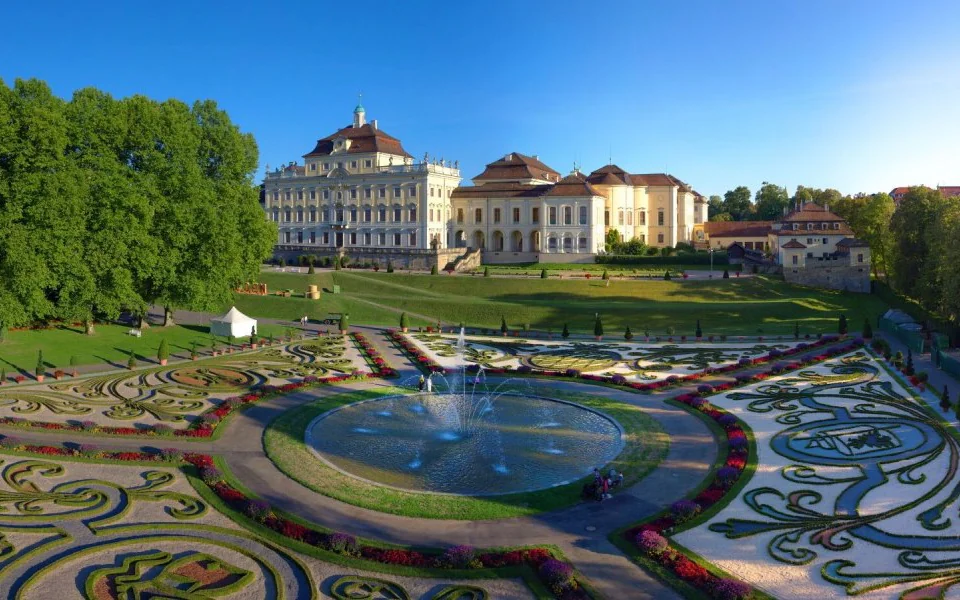
In parallel with the classic features, the first Corps de Logis - the game hall, the hunting hall and the court chapel was built. In the axis of the Corps de Logis, at some distance as an important point, is the Favourite pleasure castle with its various towers. But only the construction of the new Corps de Logis in the 20s of the 18th century really made Ludwigsburg the "Versailles of Swabian". The grounds of Ludwigsburg Palace today are also the site of the "Blooming Baroque" garden show and the site of the castle festival.
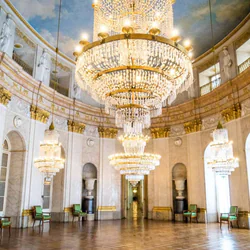
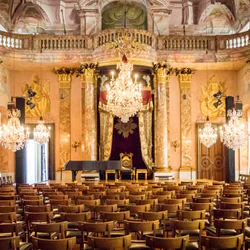
Walking through the palace's grand rooms, you'll feel like you've traveled in time in style: the splendid interiors offer a glimpse of life in the Baroque, Rococo and Neoclassical eras. In this authentic period surroundings, imbued with a subtle sense of fading glory, visitors can relive the days when Ludwigsburg was the regal residence and the center of the Württemberg principality. The Schlosstheater (palace theater) in the east wing is a particular highlight of the palace. With the stage machinery and theatrical decorations almost intact, it is one of Europe's oldest theatres. Four additional museums, opened on the palace's 300th anniversary in 2004, are new attractions.
In addition, in the Kinderreich section of the Ludwigsburg Residental Palace there is a unique interactive museum just for children. Here, young visitors can experience the sights, sounds and other sensations of life 300 years ago. But adults can also enjoy a feast for the senses, in the form of a park that surrounds the palace on three sides. The gardens were built for the 250th anniversary in 1954, partly following historical plans, but also with new elements based on Baroque design. Since then, the gardens, known as the Blooming Baroque, including the charming Märchengarten (fairy garden), have become popular day trips.
Address: Schlossstrasse 30, 71634 Ludwigsburg
Opening hours: daily 10:00 - 17:00
Admission: 8.00 Euro (adult) / 4.00 Euro (child)