


 Tiếng Việt
 English
 한국어
한국어 日本語
日本語 简体中文
简体中文 Français
 Deutsch
 Español
 Italiano
 Русский


 Đăng nhập cho Doanh nghiệp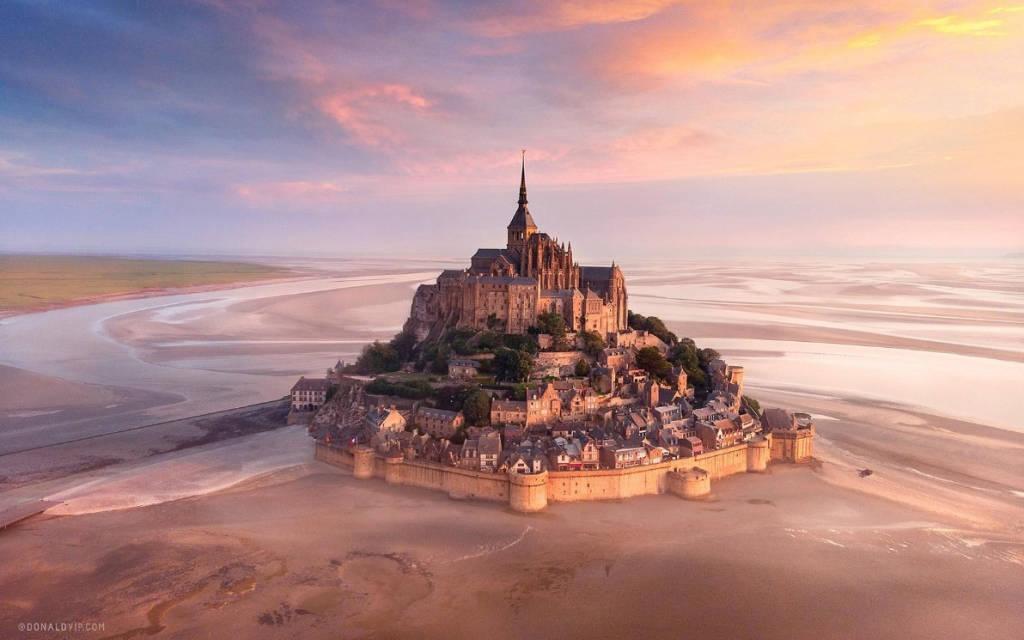
Xã đảo Mont Saint Michel
 Grande Rue, 50170 Le Mont-Saint-Michel, France
"Mont Saint Michel và vịnh biển đã được UNESCO công nhận là Di sản Thế giới. Trong đó, hơn 60 tòa nhà trên đảo được công nhận là Di tích Lịch sử của Pháp. "
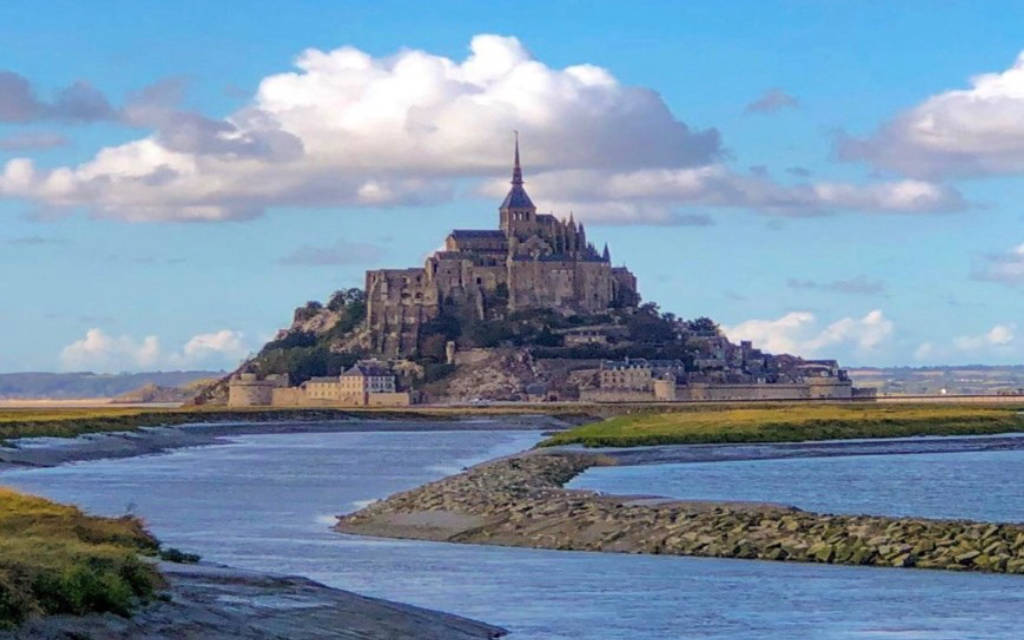
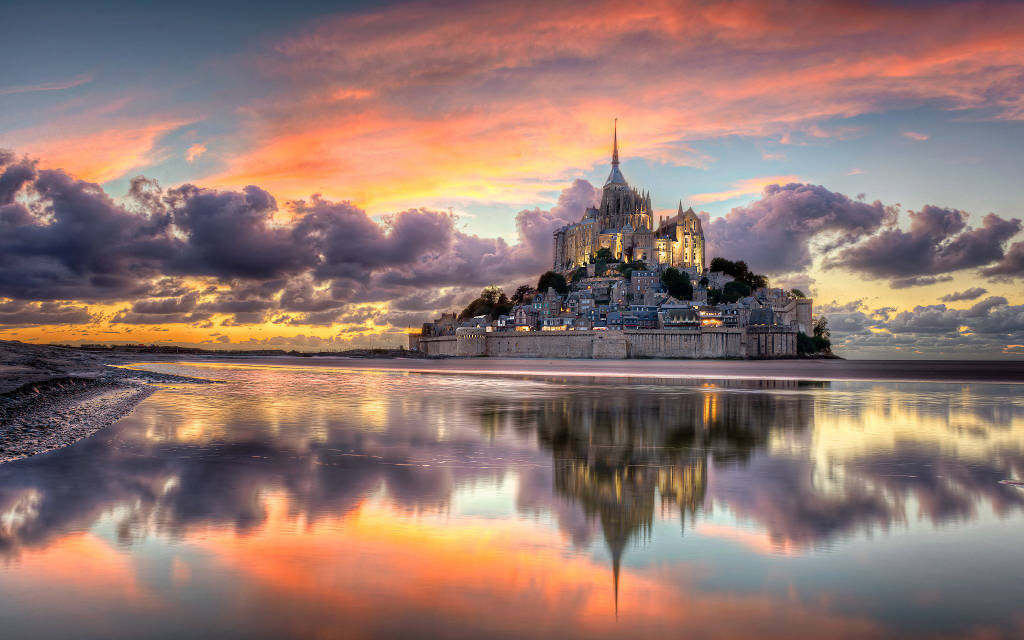
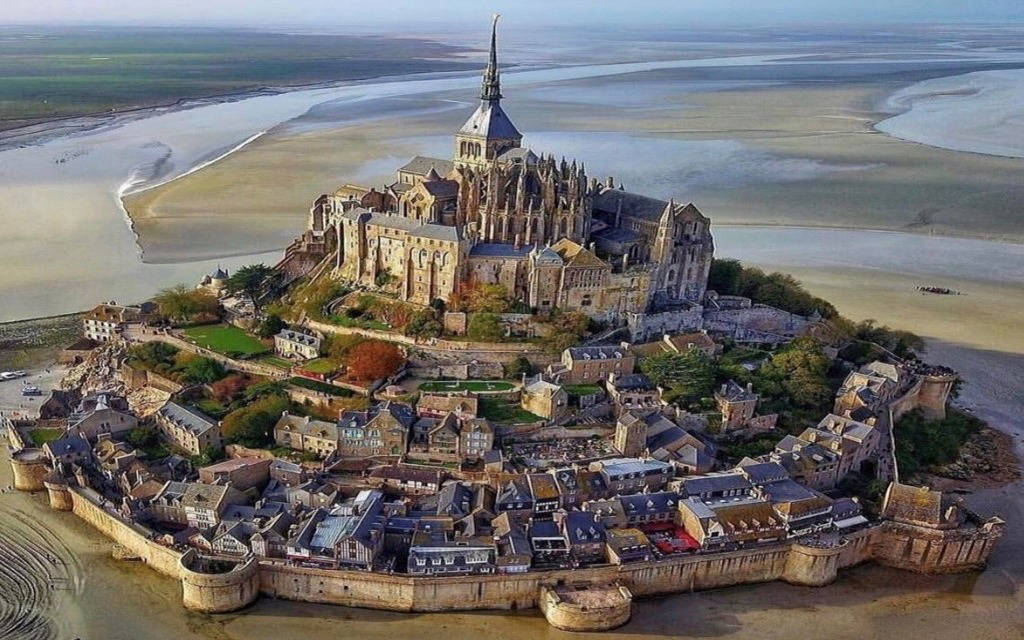
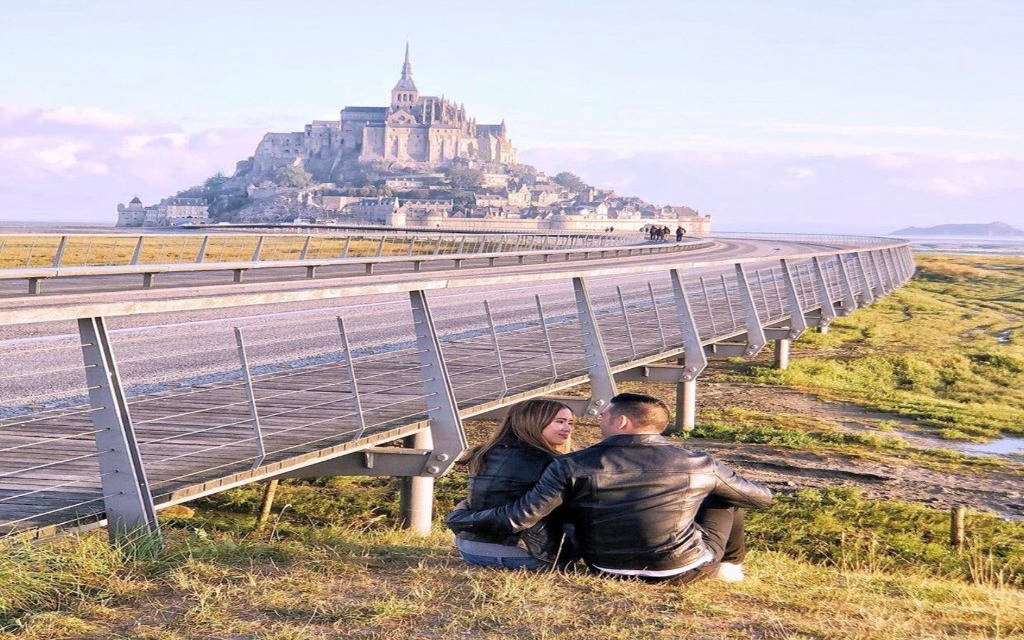
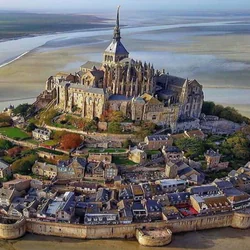
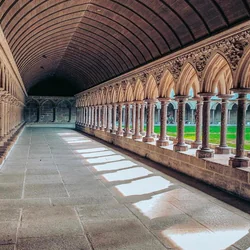
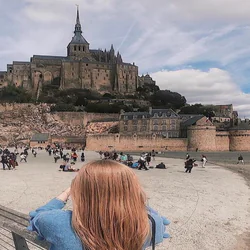
Mont Saint Michel là một xã đảo ở Normandie (Pháp). Với vị trí nằm cách đất liền gần 1 km, trong lịch sử, đây là nơi dễ dàng được những người hành hương đến Tu viện tiếp cận khi thủy triều xuống. Đồng thời, đó cũng là một cách phòng thủ hiệu quả nếu những kẻ tấn công đi qua mà không rút lui kịp.
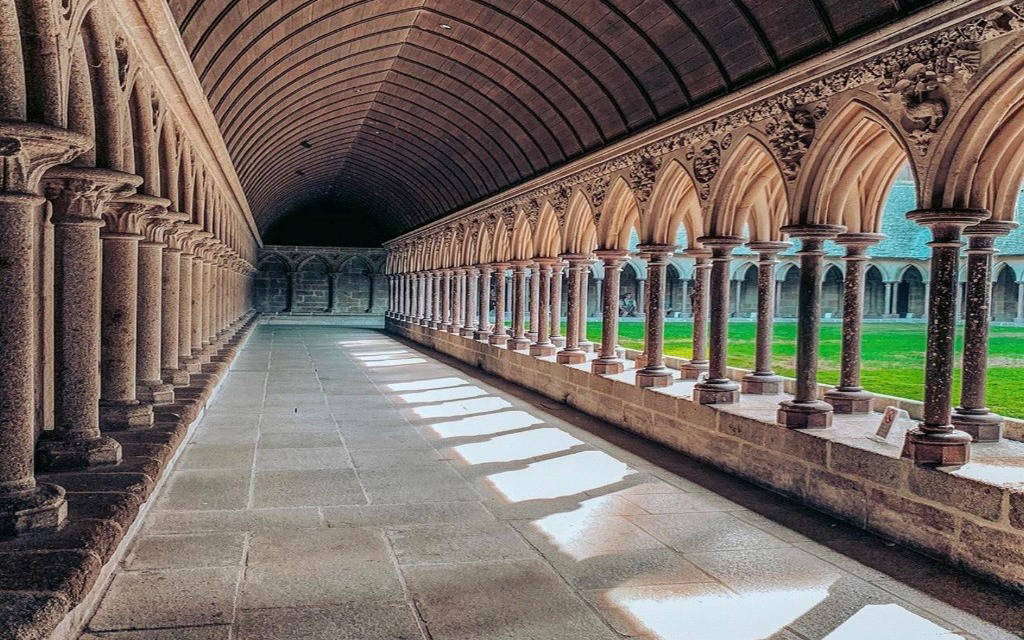
Xã đảo có diện tích khoảng 100 ha (247 mẫu Anh). Điểm cao nhất cách 92 km so với mực nước biển. Tại khu vực cao nhất là tu viện Thiên chúa, thấp hơn là Đại sảnh, cuối cùng đến nhà ở, cửa hàng và bức tường phòng thủ. Phần rìa ngoài là nhà ở cho nông dân và ngư dân.
Mont Saint Michel và vịnh biển đã được UNESCO công nhận là Di sản Thế giới. Trong đó, hơn 60 tòa nhà trên đảo được công nhận là Di tích Lịch sử của Pháp. Đảo được cấu thành từ đá granit sáng màu và được củng cố vững chãi bởi nền dung nham nóng chảy xâm nhập vào cách đây 525 triệu năm.
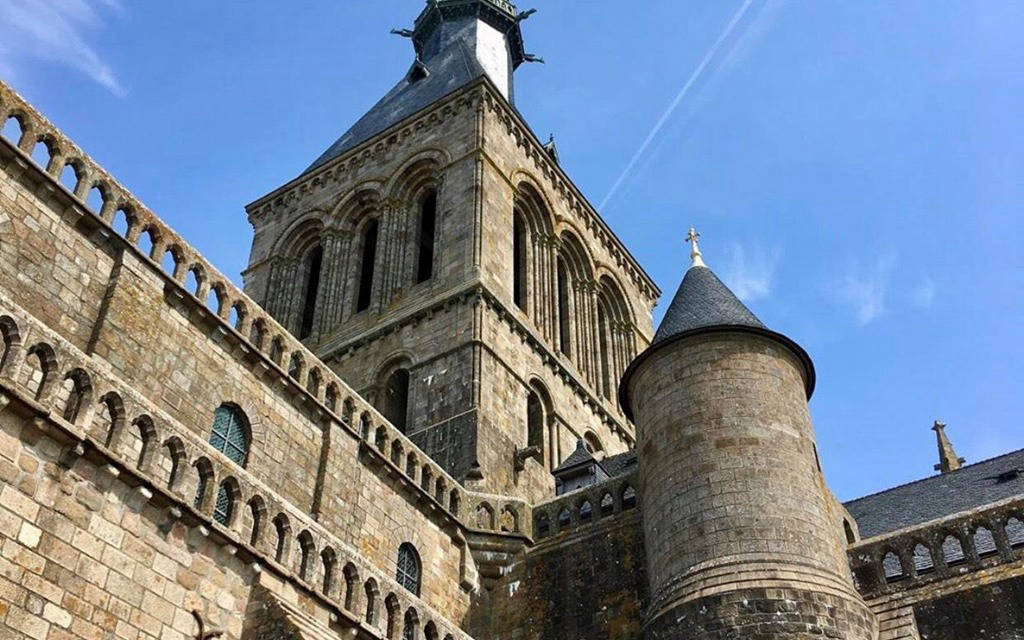
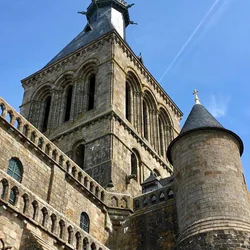
Hàng năm, địa điểm này có khoảng 3,5 triệu du khách ghé thăm. Mont Saint Michel là một trong những địa điểm tham quan thu hút khách du lịch nhất tại Pháp, chỉ đứng sau tháp Eiffel và lâu đài Versailles. Nét độc đáo của hòn đảo khiến du khách ấn tượng không chỉ ở lối kiến trúc cổ kính từ thế kỷ thứ 15, 16, vị trí tọa lạc mà còn hoạt động lên xuống của thủy triều.
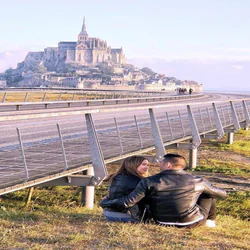
Ngày nay, bạn có thể du lịch tại hòn đảo này bằng 3 loại phương tiện là máy bay, tàu lửa và xe hơi. Địa điểm này cách thủ đô Paris 400 km, thích hợp cho những ai yêu thích nhiếp ảnh, chụp hình với quang cảnh huyền bí, nguyên sơ. Tuy nhiên, bạn cần chú ý tôn trọng nhà của cư dân và đừng chụp ảnh công dân sinh sống trên đảo, đặc biệt là trong các nghi lễ tôn giáo.
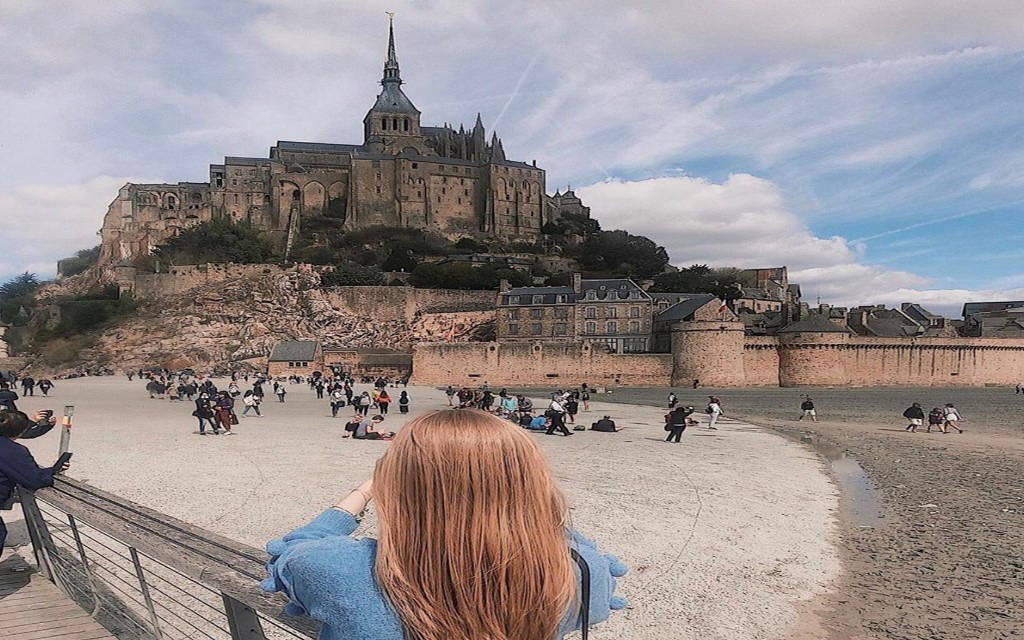
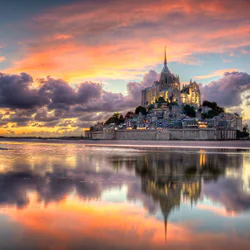
Nếu muốn thưởng thức thuỷ triều trọn vẹn và an toàn, bạn nên đi cùng hướng dẫn viên chuyên nghiệp. Thuỷ triều thay đổi liên tục, không ngừng tăng và giảm quanh đảo, nếu không cẩn thận bạn có thể sẽ bị cuốn đi. Khi thủy triều lên, Mont Saint Michel như thể đang lơ lửng trên mặt nước và dưới ánh sáng phù hợp, nơi đây tạo ra một tấm gương phản chiếu. Thủy triều thấp sẽ hiện ra cát xung quanh, cho phép du khách đi bộ quanh khu vực.
Du lịch tại đây, bạn sẽ phải đi bộ và leo cầu thang khá nhiều, đặc biệt là đường lên Tu viện. Bạn hãy chuẩn bị cho mình những đôi giày phù hợp để chuyến du lịch diễn ra hoàn hảo. Các món ăn nổi tiếng của Mont Saint Michel là trứng tráng và bánh crepe, bạn nên đặt bàn trước để tránh phải chờ lâu.