


 Tiếng Việt
 English
 한국어
한국어 日本語
日本語 简体中文
简体中文 Français
 Deutsch
 Español
 Italiano
 Русский


 Đăng nhập cho Doanh nghiệp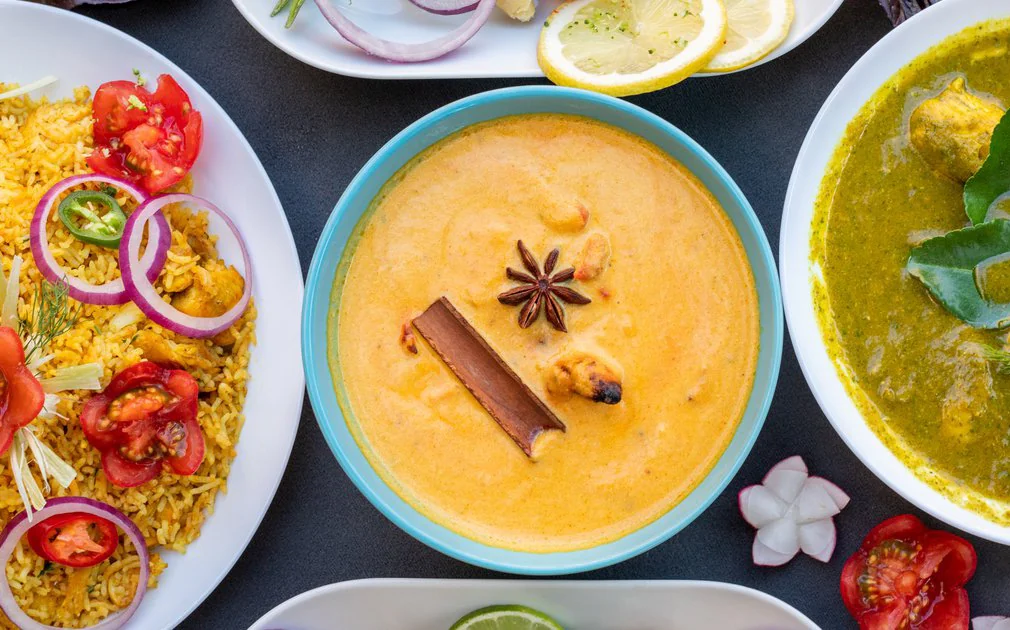
Fugu-Nydegg
 Gerechtigkeitsgasse 16, 3011 Bern, Switzerland
“Các món ăn sáng tạo và hiện đại từ Thái Lan và Nhật Bản, mang văn hoá ẩm thực châu Á đến trung tâm của thành phố cổ Bern”
Ẩm thực châu Á với những hương vị độc đáo và lành mạnh cho sức khoẻ đang dần đi vào cuộc sống hàng ngày của người dân Thuỵ Sĩ. Tại nhà hàng Fugu-Nydegg, văn hoá châu Á có thể được tìm thấy không chỉ trong thực đơn mà còn trong bầu không khí ấm cúng với chất lượng dịch vụ ân cần.
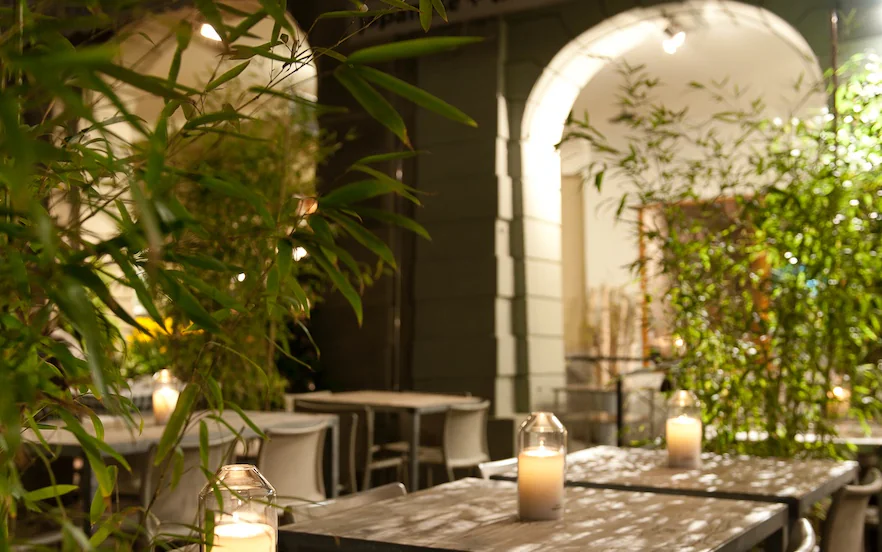
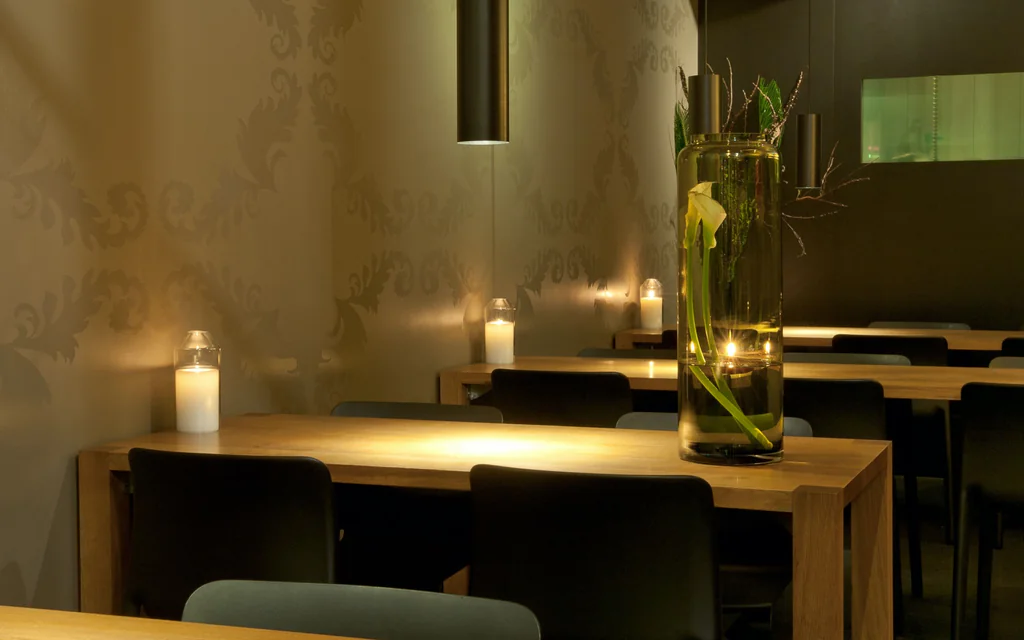
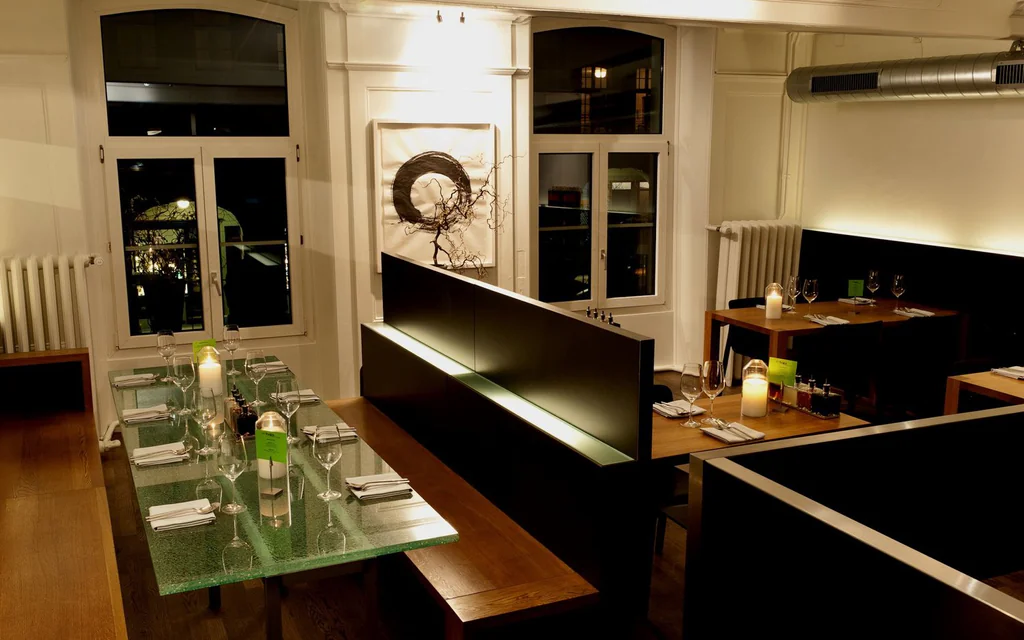
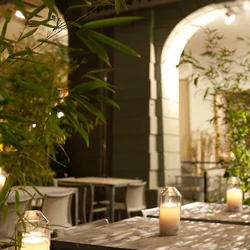
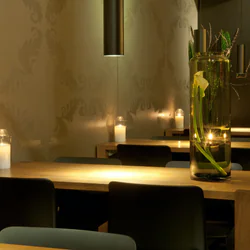
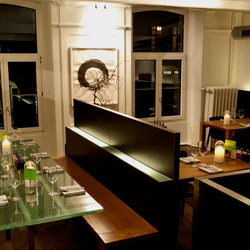
Sân ngoài của nhà hàng được trang bị bởi những chiếc bàn lát ván gỗ màu nâu nhạt với nến vàng trên mỗi bàn, với những chậu cây tre Á đông xung quanh. Nội thất bên trong nha hàng cũng Theo phong cách tối giảm với những chiếc bàn gỗ đơn giản, màu sắc hài hoà tạo ra một bầu không khí ấm áp.
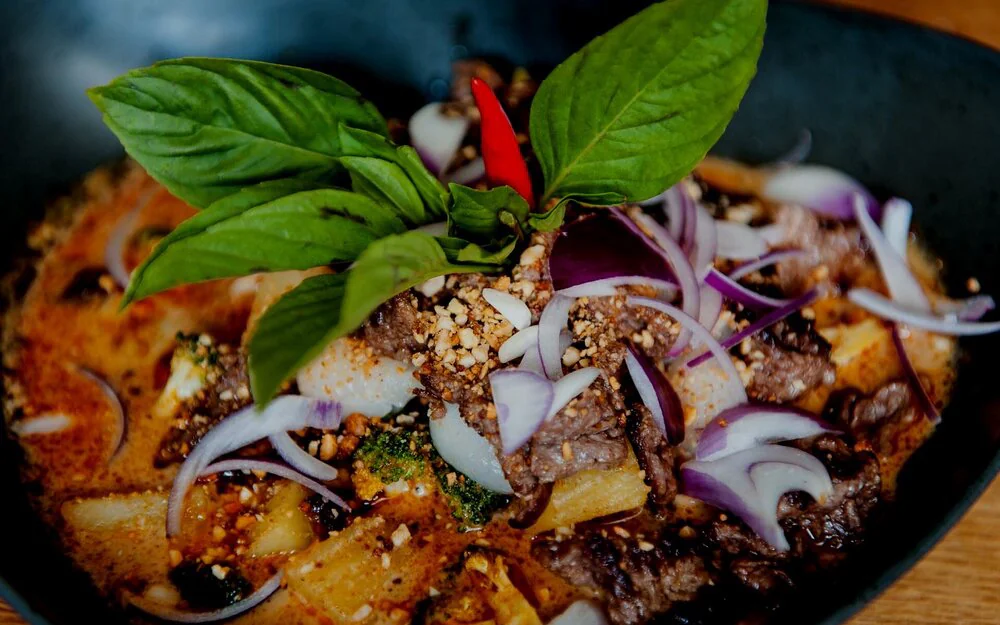
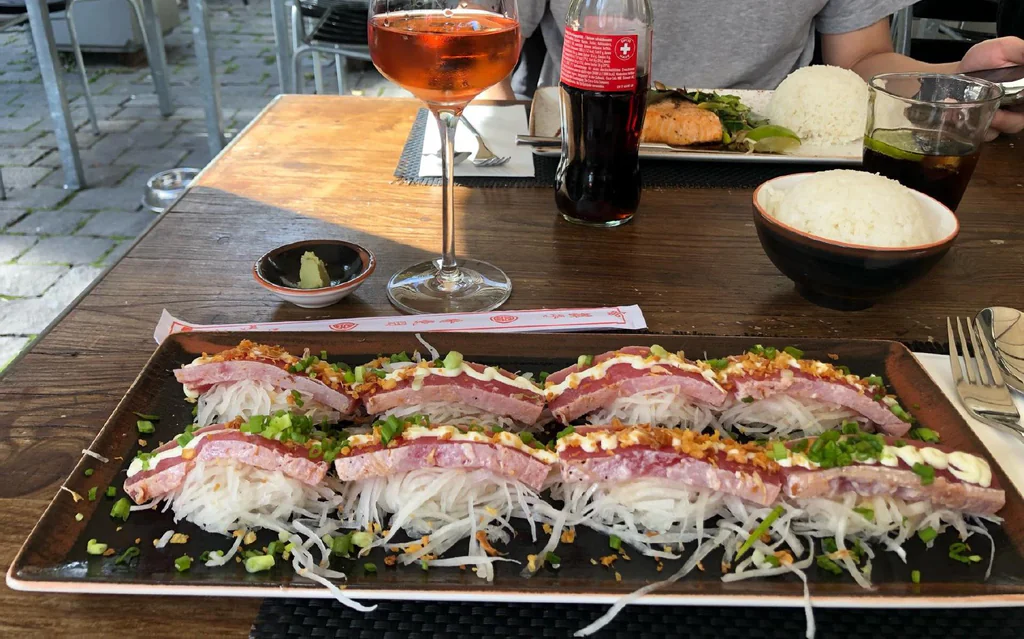
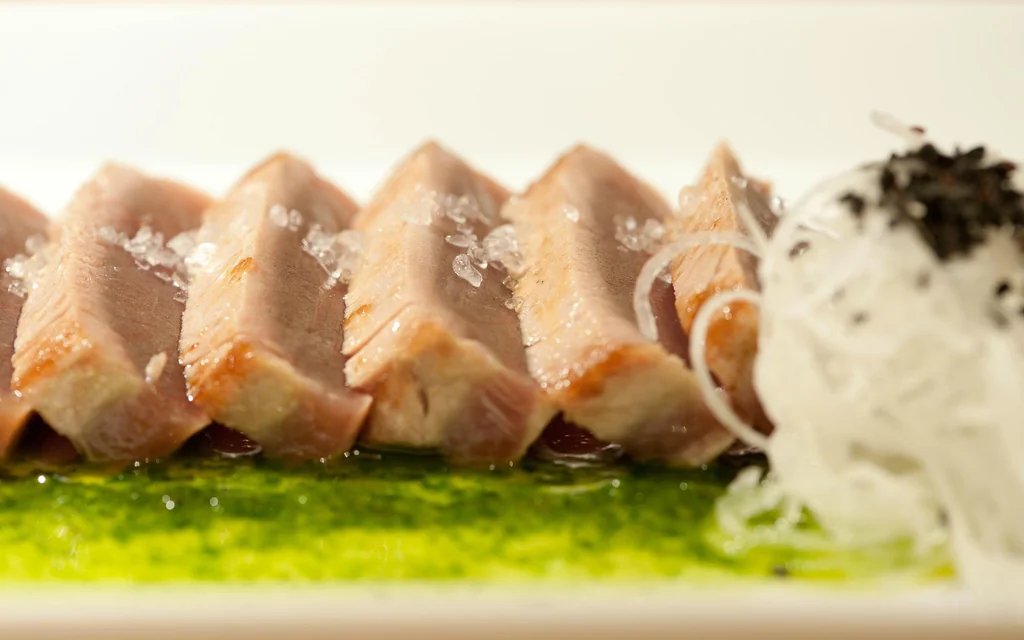
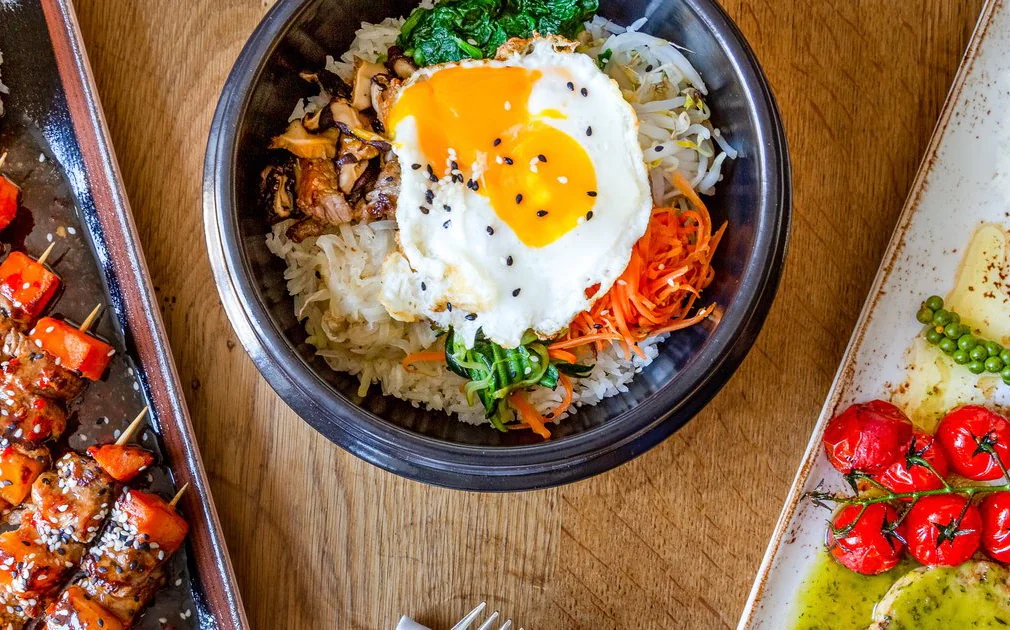
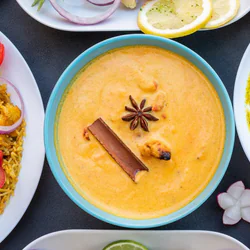
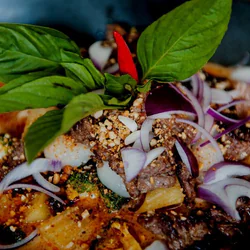
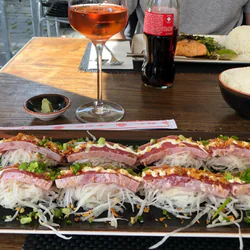
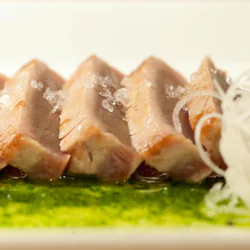
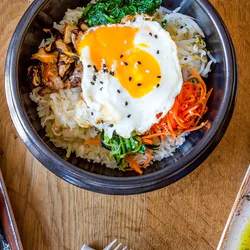
Thực đơn tại Fugu-Nydegg là sự kết hợp giữa ẩm thực Nhật Bản và Thái Lan. Tại đây, những món ăn như tuna tataki, đậu nành luộc edamame, thái curry, và những món ăn truyền thống đều được nấu và trình bày với một sự tỉ mỉ công phu để mang đến hương vị thuần Á đông.
Ngoài danh sách rượu vang đa dạng, nhà hàng Fugu-Nydegg còn phục vụ những thức uống truyền thống của Nhật như các loại rượu Sake, Shochu, và nước purifying carbon Nhật.
Địa chỉ: Gerechtigkeitsgasse 16, 3011 Bern
Giờ mở cửa: - Thứ 2 – Thứ 6: 11:00 – 14:00 (ăn trưa) / 17:30 – 00:00 (ăn tối)
- Thứ 7: 11:00 - 00:00
- Chủ Nhật: 11:00 – 22:00
Email: contact@fugu-nydegg.ch
Điện thoại: +41 31 311 5125