


 Tiếng ViệtEnglish
 한국어
한국어 日本語
日本語 简体中文
简体中文 Français
 Deutsch
 Español
 Italiano
 Русский


 Login for Corporates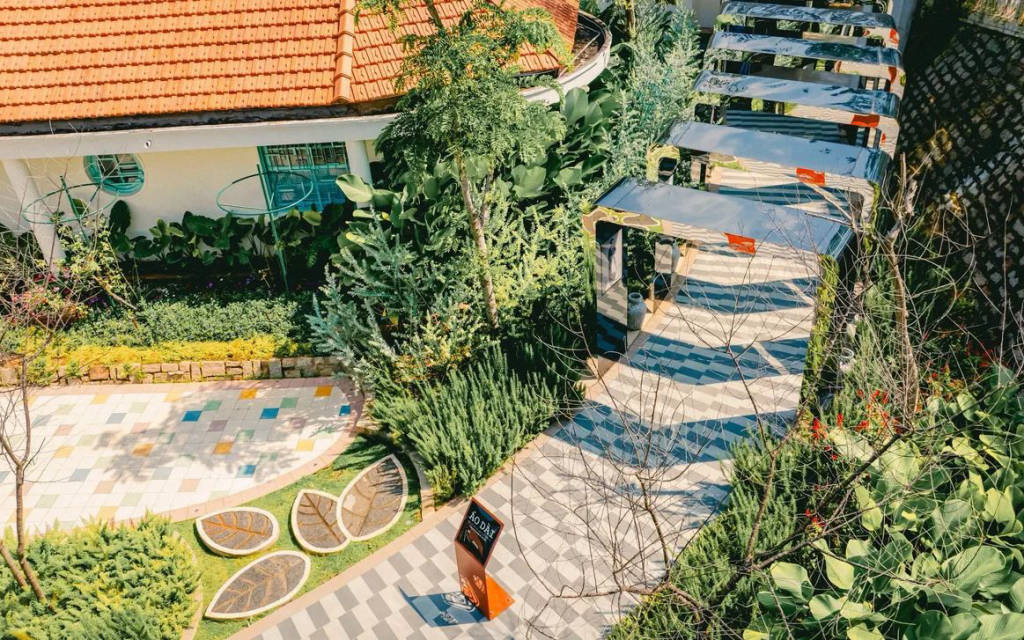


Madame De Dalat Museum & Garden
 No. 2, Yet Kieu Street, Ward 5, Da Lat City, Lam Dong Province, Vietnam
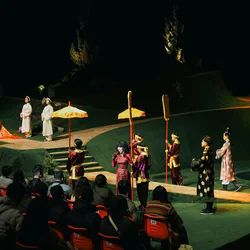
Madame de Dalat Museum & Gardens is an attractive destination in Dalat, combining cultural and historical preservation with beautiful natural landscapes. Here, visitors can explore ancient French architecture, admire valuable artifacts about Dalat's history and enjoy the poetic space of the European garden. This is an ideal choice to relax and learn about Dalat.
Madame de Dalat Museum & Gardens – A Unique and Charming Destination
Madame de Dalat Museum & Gardens is a unique and captivating destination where culture, history, and natural beauty converge, waiting for you to explore! Let's join Tatinta on this fascinating journey!
1. General Introduction
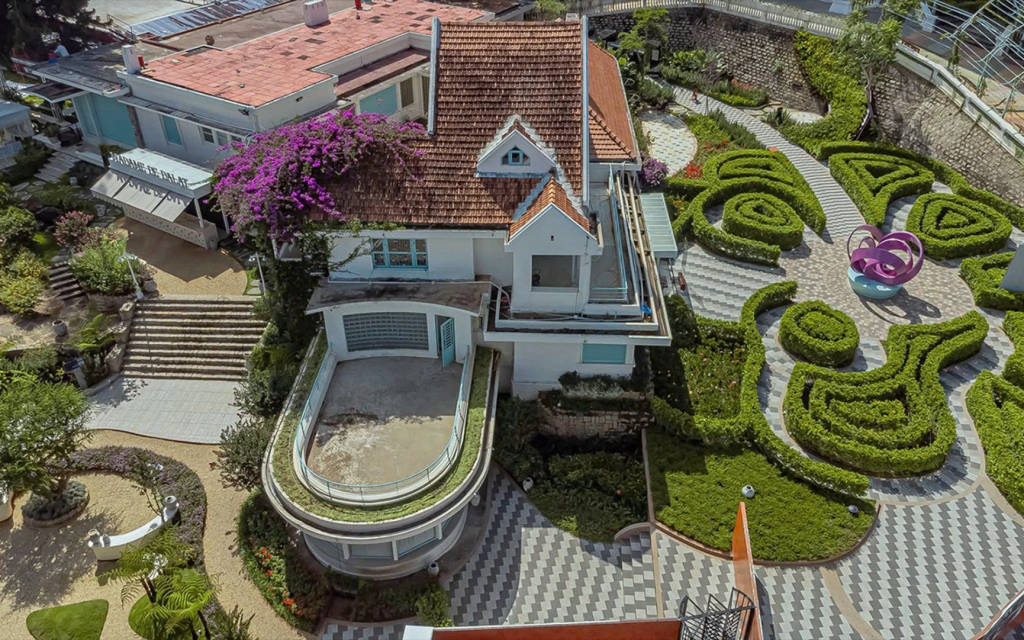
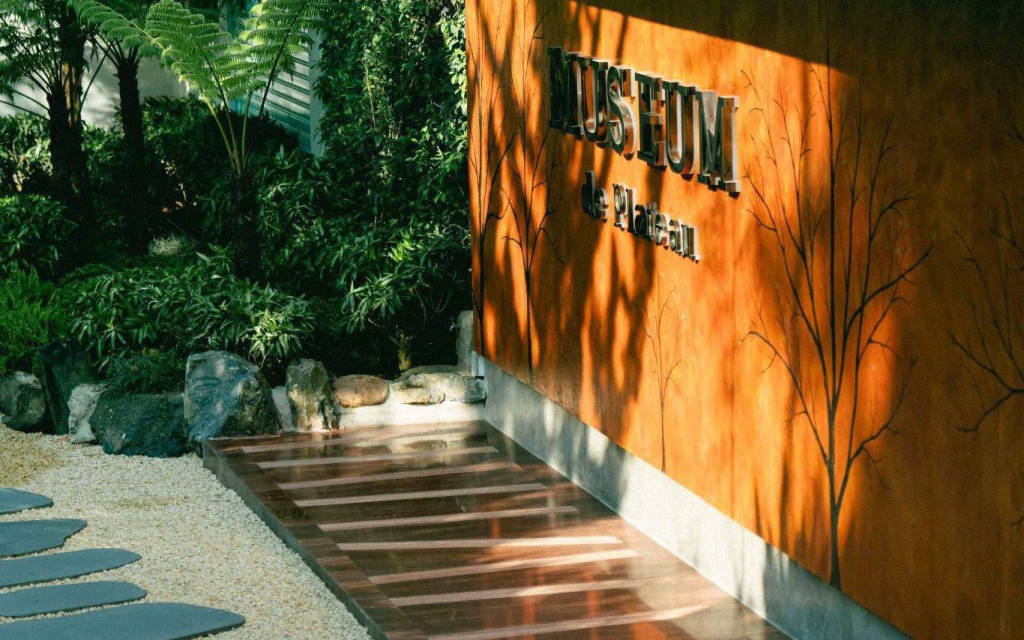
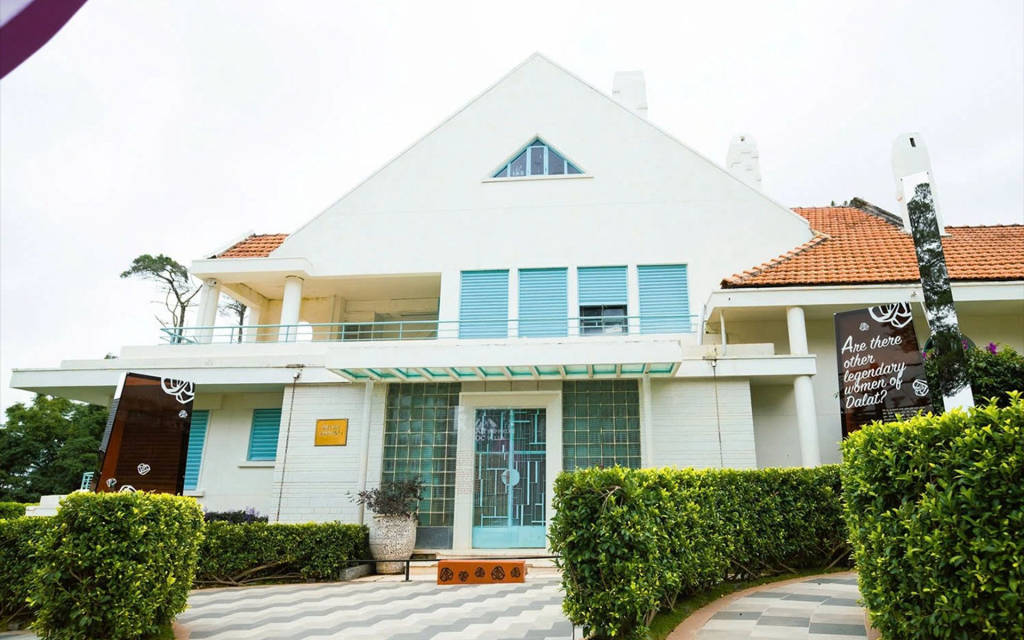
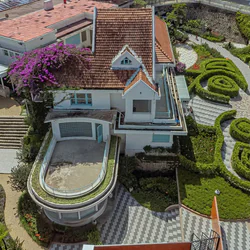
Madame de Dalat Museum & Gardens is situated in a peaceful location amidst the poetic landscape of the Lang Biang Plateau. It is not just a historical museum but also a vast garden with a distinctly European style. This place is like a perfect painting, combining ancient French architecture with the beautiful natural scenery of Da Lat. The museum is named in honor of Madame de Dalat, a fictional character symbolizing love and passion for the beauty and history of Da Lat. The extensive campus not only preserves stories of old Da Lat but also serves as an ideal check-in spot for tourists.
2. History and Significance
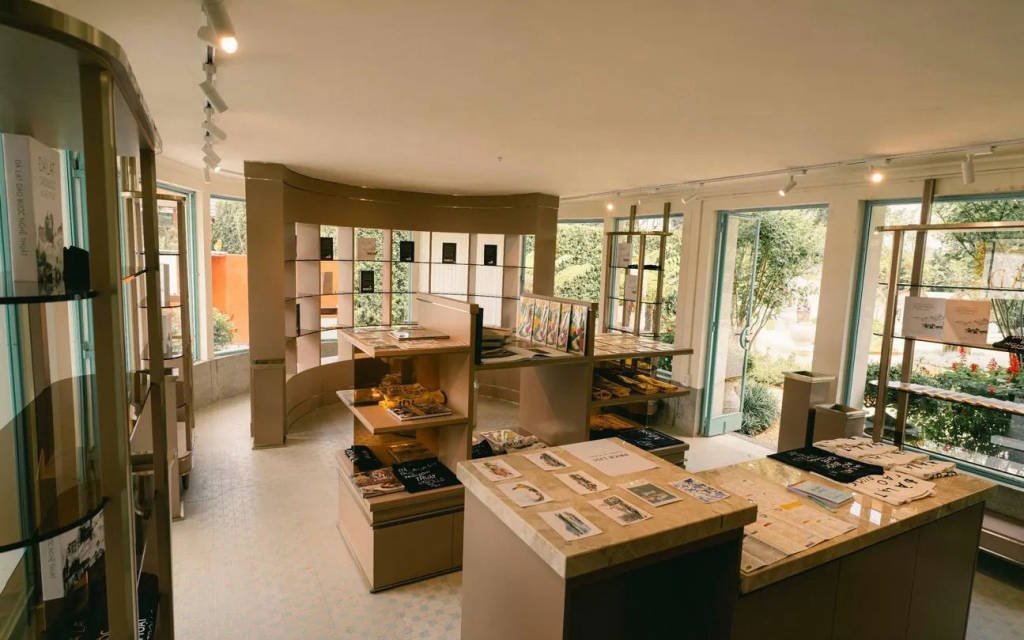
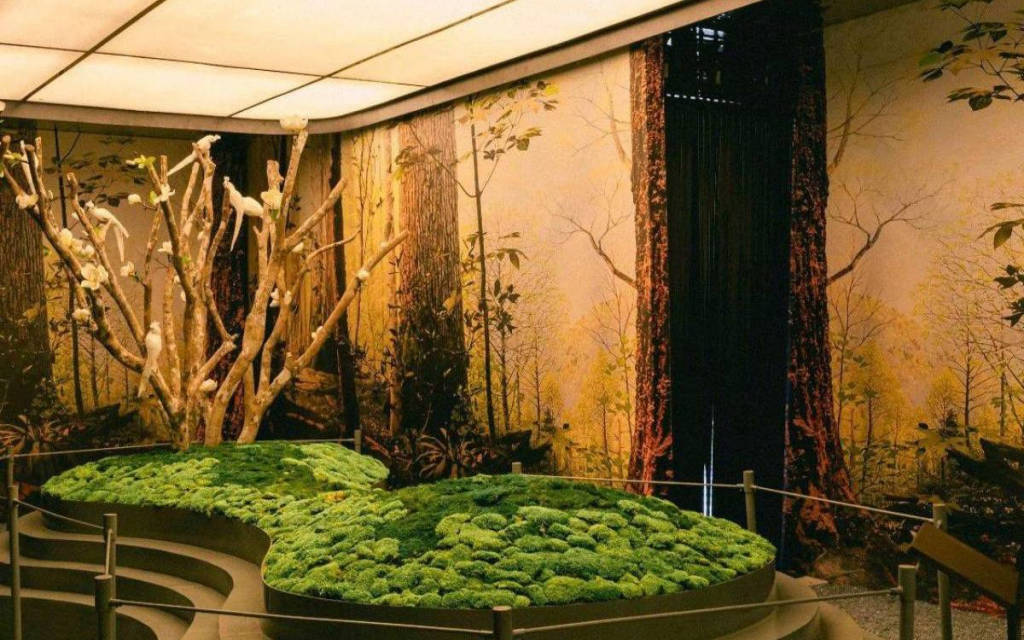
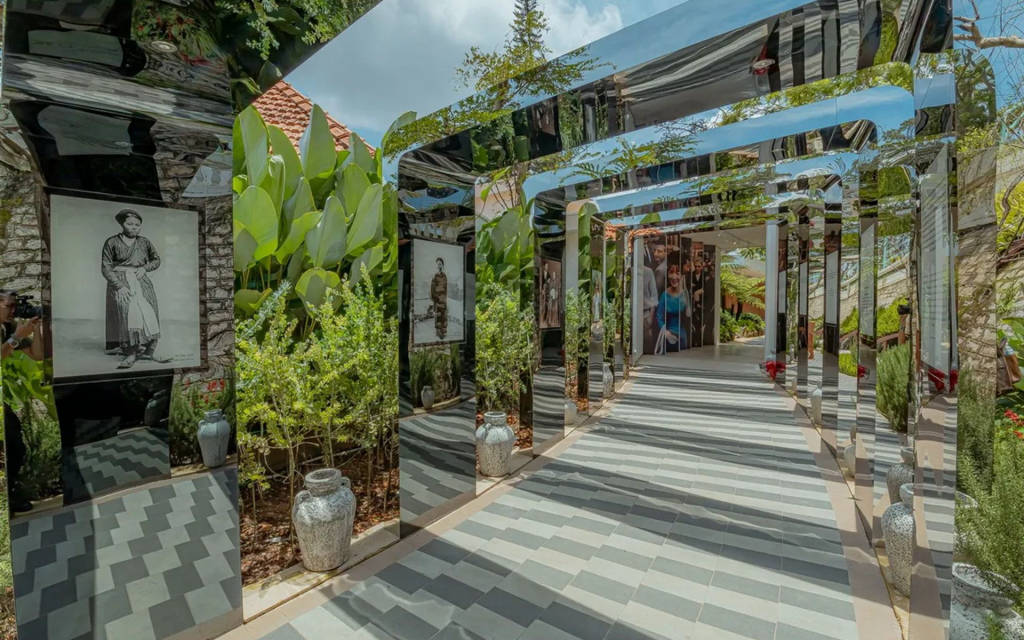
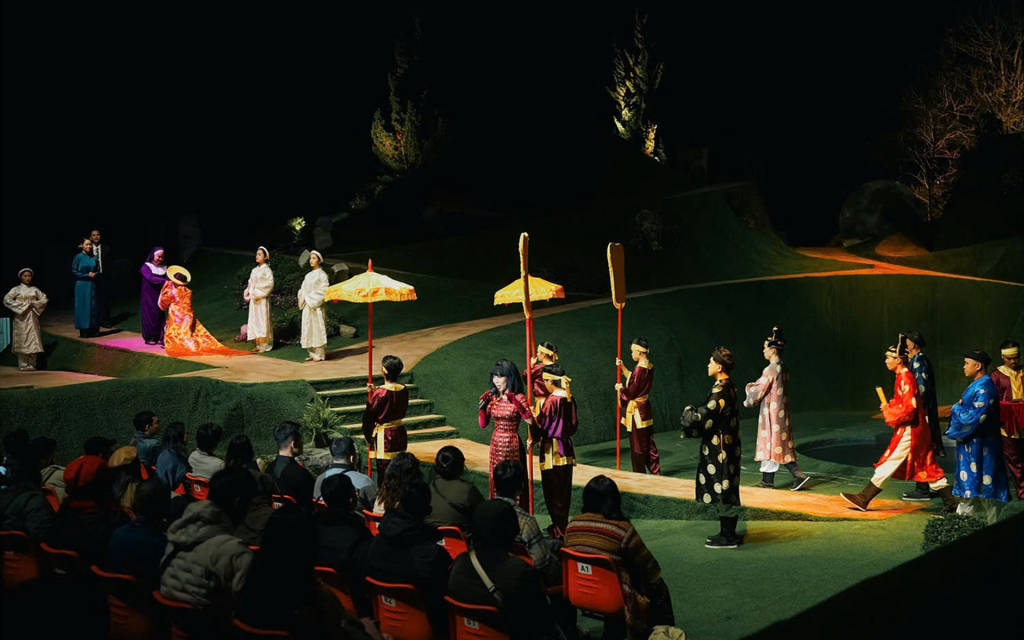
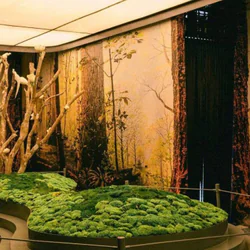
Madame de Dalat was built to recreate the lives of the first French settlers who came to Da Lat in the 20th century. The museum exhibits many valuable artifacts, from personal items and costumes to antique paintings and documentary photos, allowing visitors to vividly imagine the period when Da Lat was known as the "Little Paris of Indochina." The place carries a profound message about the preservation of culture, architecture, and heritage. Visitors not only admire but also have the opportunity to understand and feel history through emotional stories.
3. Notable Visiting Areas
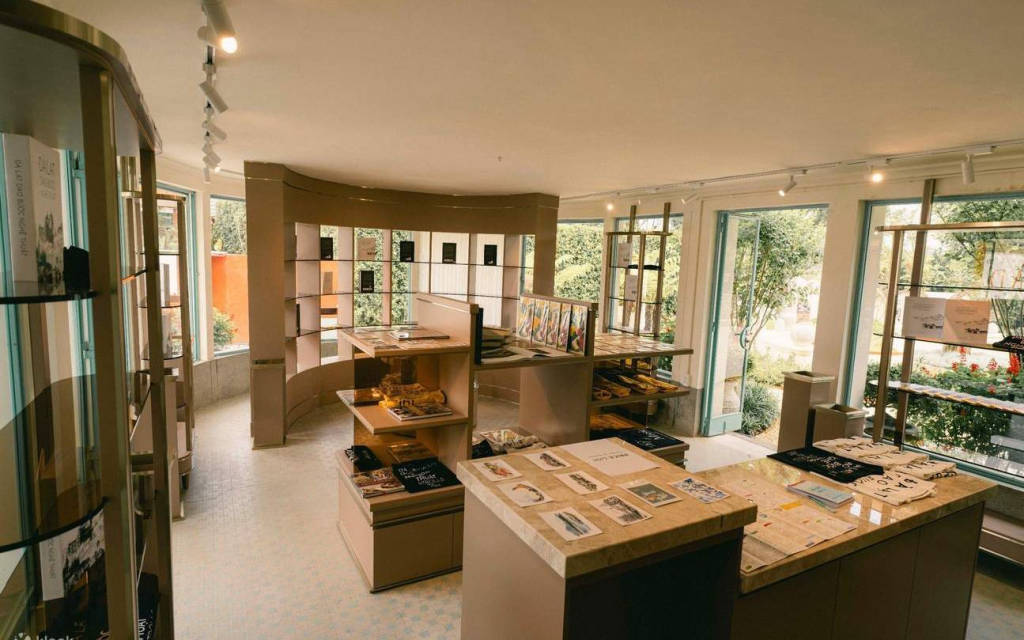
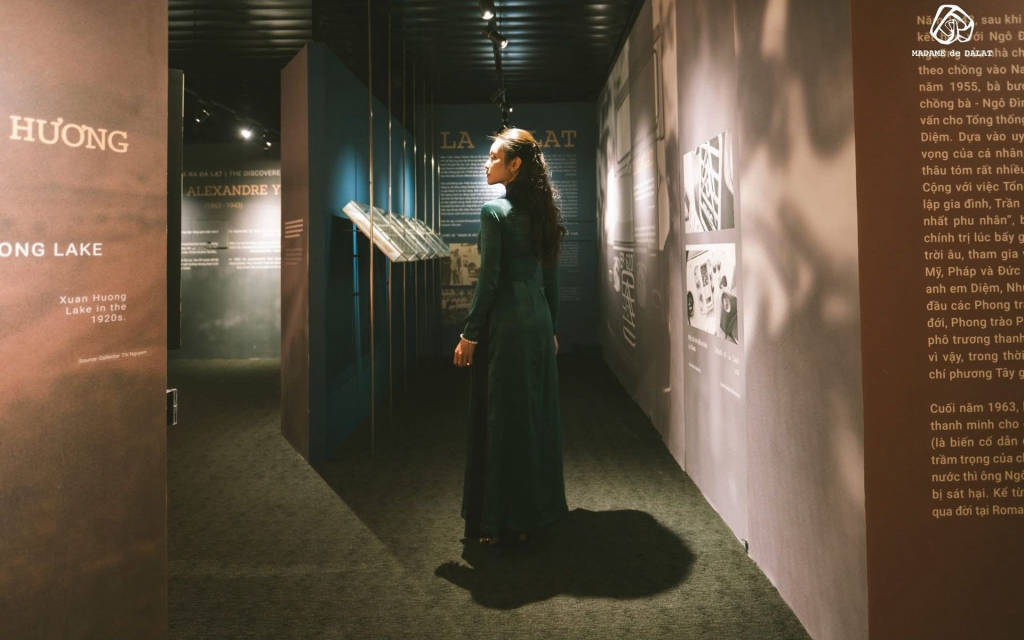
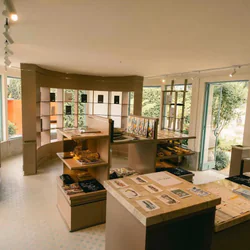
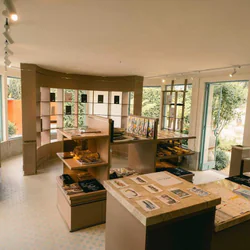
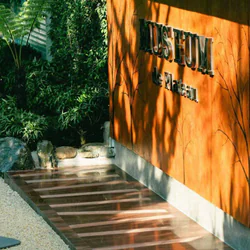
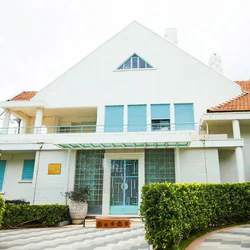
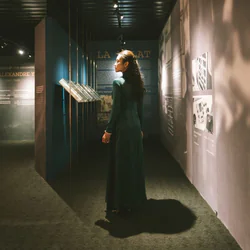
Main Museum: Upon entering the museum, you will immediately feel the elegance of classic French architecture. The interior is meticulously arranged, and every corner contains its own story. Some notable rooms include:
Da Lat History Exhibition Room: Where precious documents about the city's formation and development are preserved.
Madame’s Legacy Room: Displaying Madame de Dalat's personal items, creating the feeling of reliving Da Lat's golden age.
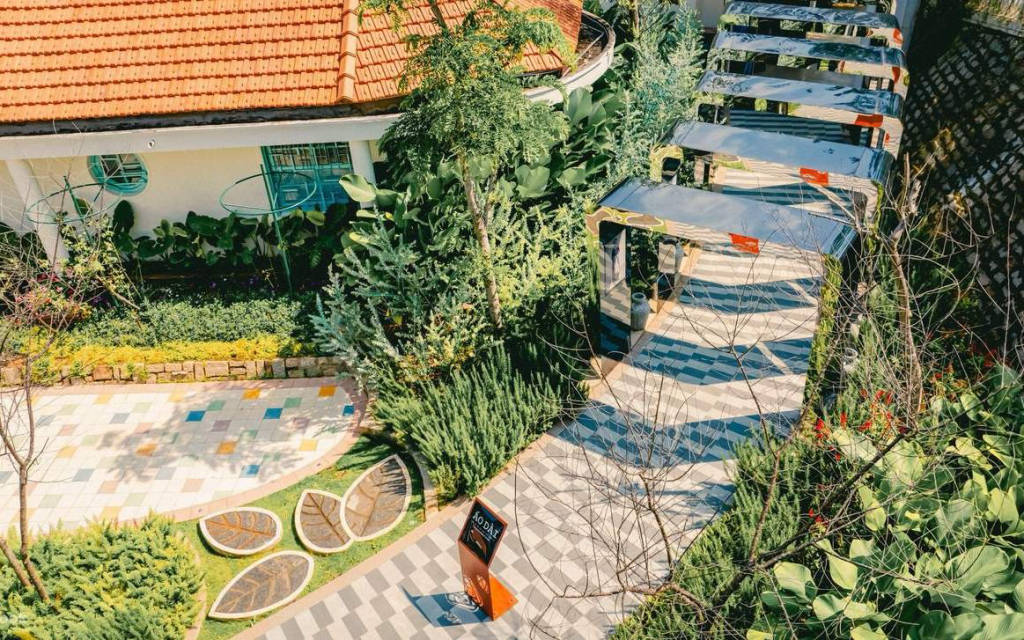
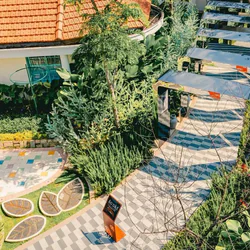
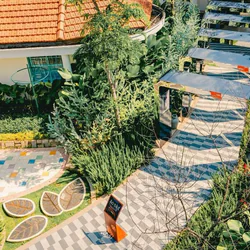
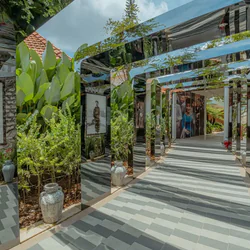
Romantic European Garden: The garden is a highlight not to be missed. Winding stone paths between colorful flower beds, white-painted wooden benches hidden under the trees, all create a romantic and relaxing space. This is also an ideal place for wedding photoshoots or capturing memorable moments with family and friends.
Café and Restaurant: After visiting, you can stop at the café or restaurant to enjoy European-flavored dishes combined with Da Lat specialties. A hot cup of coffee while admiring the poetic scenery is an unforgettable experience.
4. Interesting Activities
Madame de Dalat Museum & Gardens not only offers sightseeing but also provides many interactive activities:
- Handicraft Workshops: Making soap, scented candles, or dried flower paintings – all inspired by Da Lat nature.
- Historical Story Tours: Guided by experts, you will hear fascinating stories about the history and people of the area.
- Vintage Photo Sessions: Dress up as French aristocrats or historical figures in the nostalgic setting of the museum.
5. Why Visit Madame de Dalat?
Madame de Dalat Museum & Gardens is a perfect blend of culture, history, and nature. Whether you love exploring architecture, have a passion for history, or simply want to enjoy a green space, this is definitely a destination that won't disappoint you. The place also brings a sense of peace, helping you forget the worries of everyday life.
6. Conclusion
Madame de Dalat Museum & Gardens is a wonderful destination where you can not only explore the beauty of the past but also experience relaxing moments amidst nature. Come and feel that Da Lat is not only the city of a thousand flowers but also a place that preserves proud cultural and historical values. Let's explore and create beautiful memories at Madame de Dalat! 🌸
Visitor Information
- Address: Near the center of Da Lat, convenient for travel.
- Opening Hours: 8:00 AM – 5:30 PM daily.
- Ticket Price: Suitable for various visitors, with discounts for students, and seniors.
- Note: Bring comfortable shoes to stroll around the large garden.