


See all results for ""

 Anytime
 Tiếng ViệtEnglish
 한국어
한국어 日本語
日本語 简体中文
简体中文 Français
 Deutsch
 Español
 Italiano
 Русский


 Login for Corporates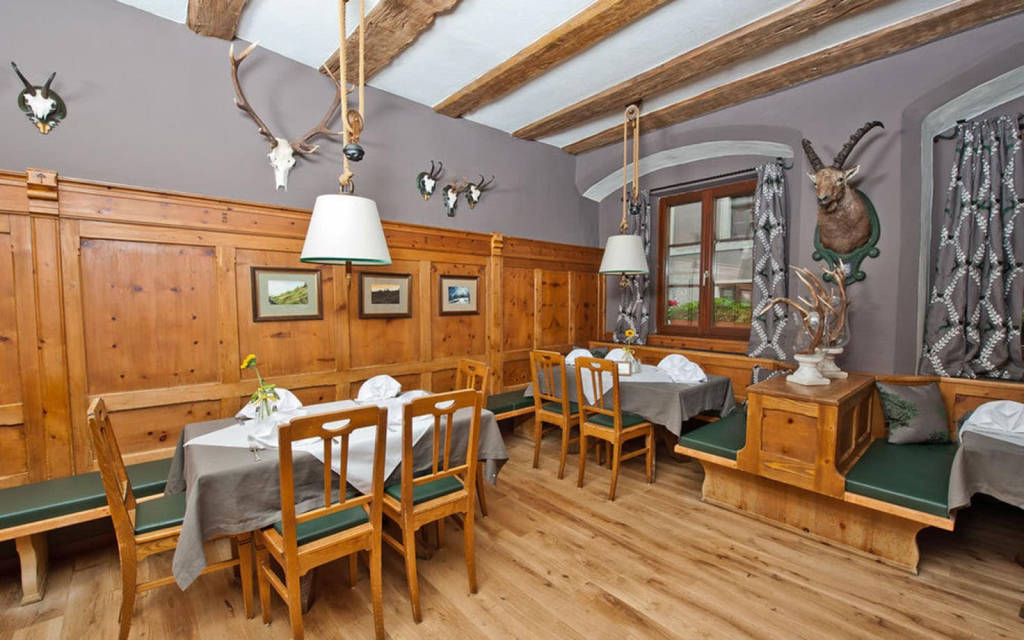
Ottoburg restaurant
 Herzog-Friedrich-Straße 1, 6020 Innsbruck, Austria
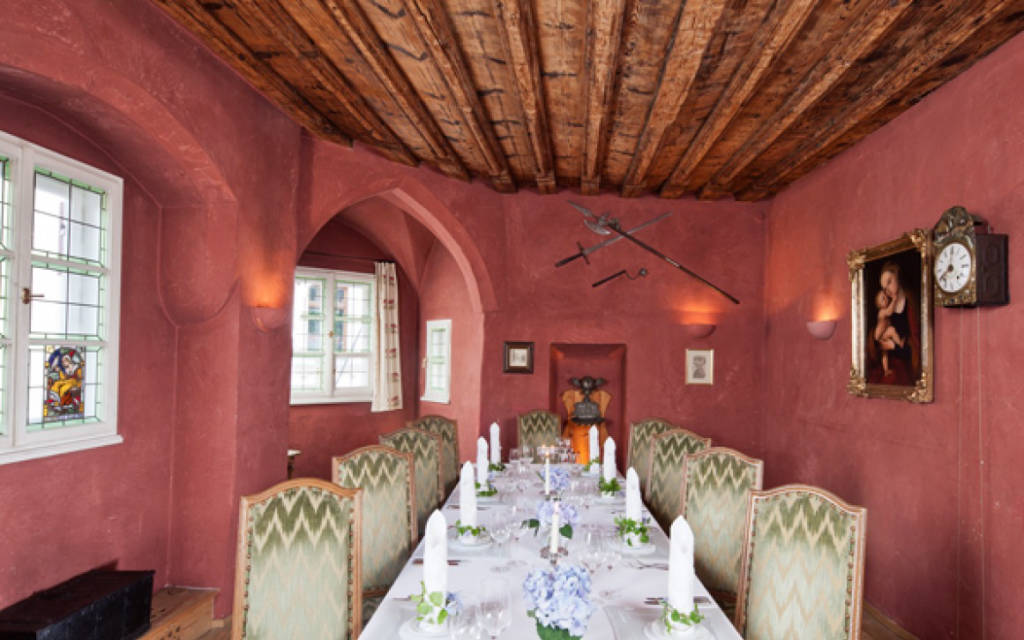
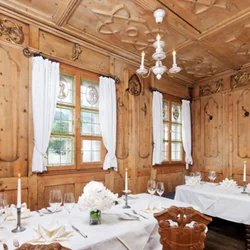
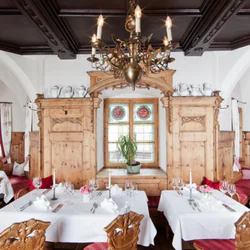
One of the oldest buildings in Innsbruck Old Town, the Ottoburg restaurant has perhaps the best view in the city. From the second floor, visitors can look out over the Inn River, as well as the Northern Mountains and the golden roof "Goldenes Dachl" - one of Innsbruck's most famous landmarks. Beautifully decorated, together with delicious dishes of exceptional Austrian quality, the Ottoburg restaurant is the perfect choice for a romantic meal.
This hospitable house is one of the oldest buildings in Innsbruck's lively old town. The castle was built by the Andes in 1180 as a defensive tower and the battle on the second floor of the house remains a reminder of this. Here, diners can admire incredible views of the Nordkette mountains, the Inn river and even the famous "Goldenes Dachl" golden roof ruins. Like many buildings in the historic old town, Ottoburg dates back to the time of Emperor Maximilian. In front of Ottoburg, across from the River Inn, is a monument called "Father and Son". This is a work of Christian Plattner and is a tribute to the fight for freedom in 1809.
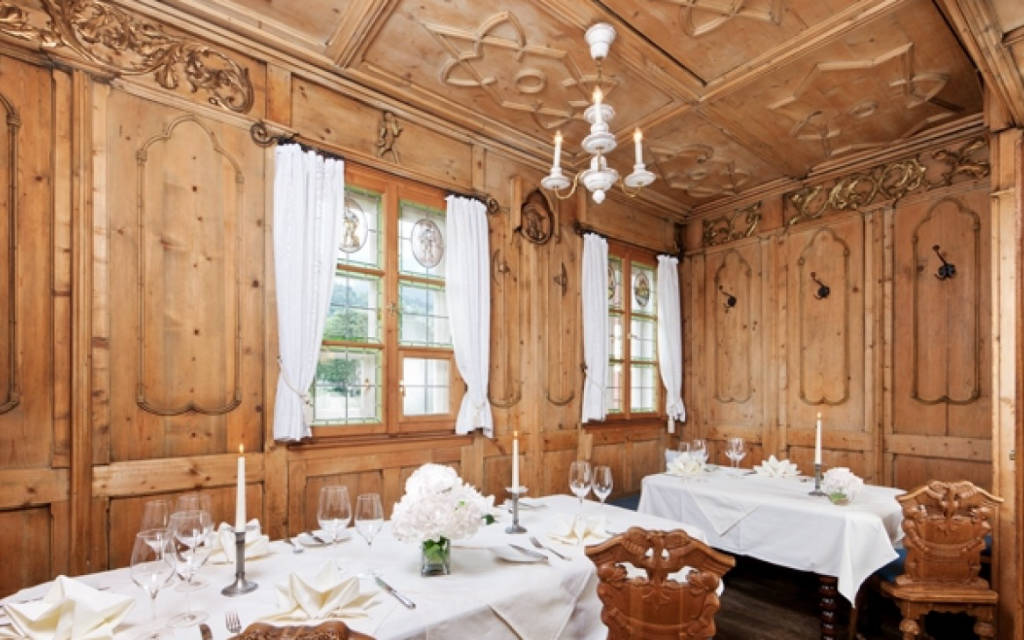
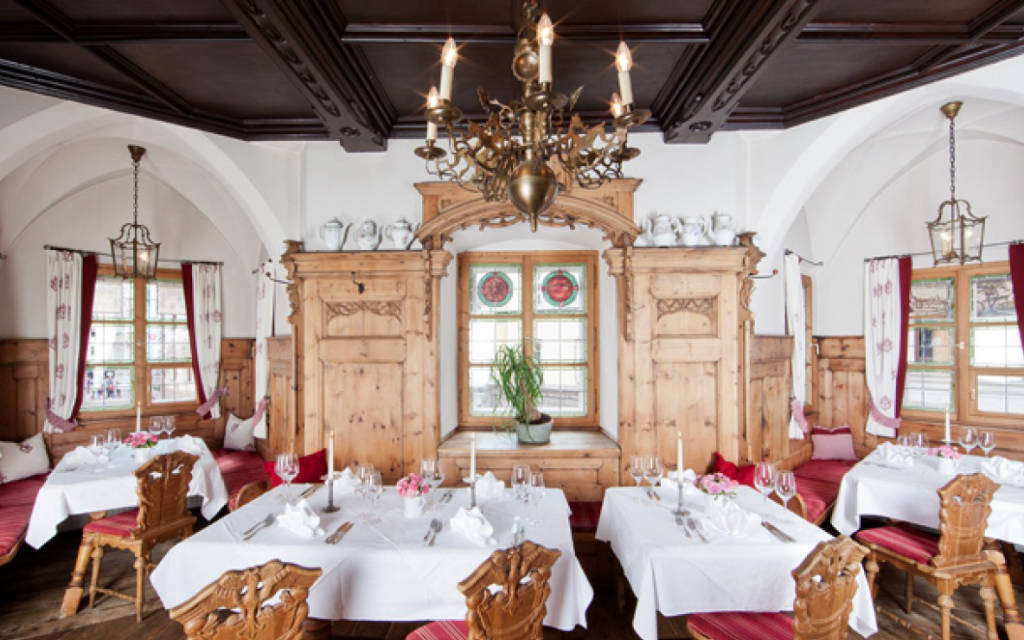
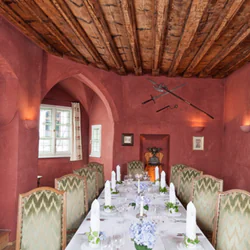
The dining rooms were built around 1860 spread over four floors in different ways, by different artists with their own styles. Each room tells its history story and gives diners the feeling of being back in the past.
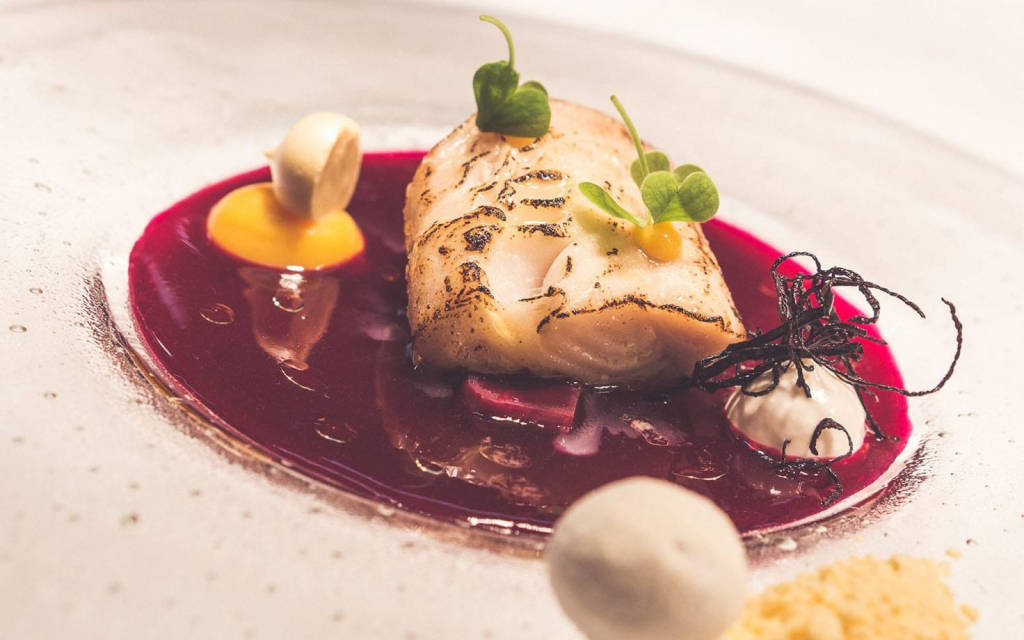
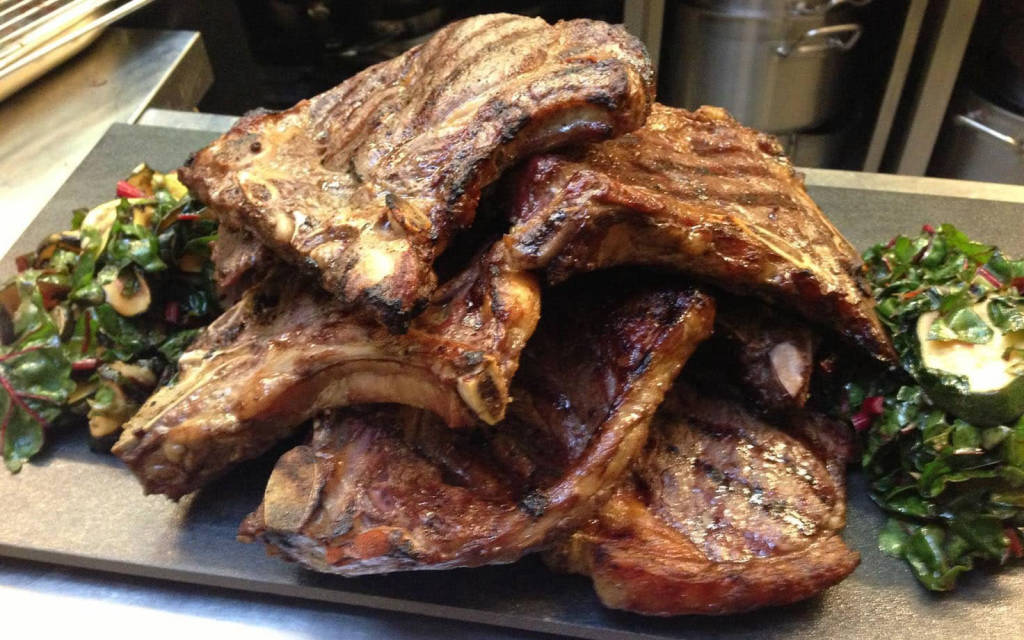
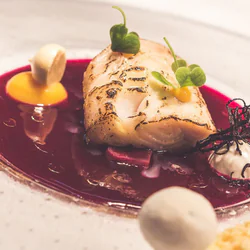
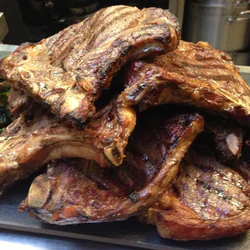
The restaurant serves Tyrolean dishes and Austrian specialties. Diners are always amazed by the herb-flavored creations of skilled chefs. In addition to an extensive à la carte menu, including traditional and international dishes, the restaurant also offers special menus for diners to choose from. The Ottburg restaurant is truly the ideal place for a lunch with a partner in a spectacular setting or a romantic dinner in a cozy, romantic atmosphere.
Business hours:
Monday to Sunday: from 12:00 to 15:00 and from 18:00 to 24:00
The hot kitchen is open from 12:00 to 14:30 and from 18:00 to 22:30
Contact:
Familie Dengg
Herzog-Friedrich-Strasse 1, 6020 Innsbruck
Phone: +43 512 584338
E-Mail: office@ottoburg.at
Website: https://www.ottoburg.at/