


Xem tất cả kết quả cho ""

 Ngày bất kỳ
  Tiếng Việt
 English
 한국어
한국어 日本語
日本語 简体中文
简体中文 Français
 Deutsch
 Español
 Italiano
 Русский


 Đăng nhập cho Doanh nghiệp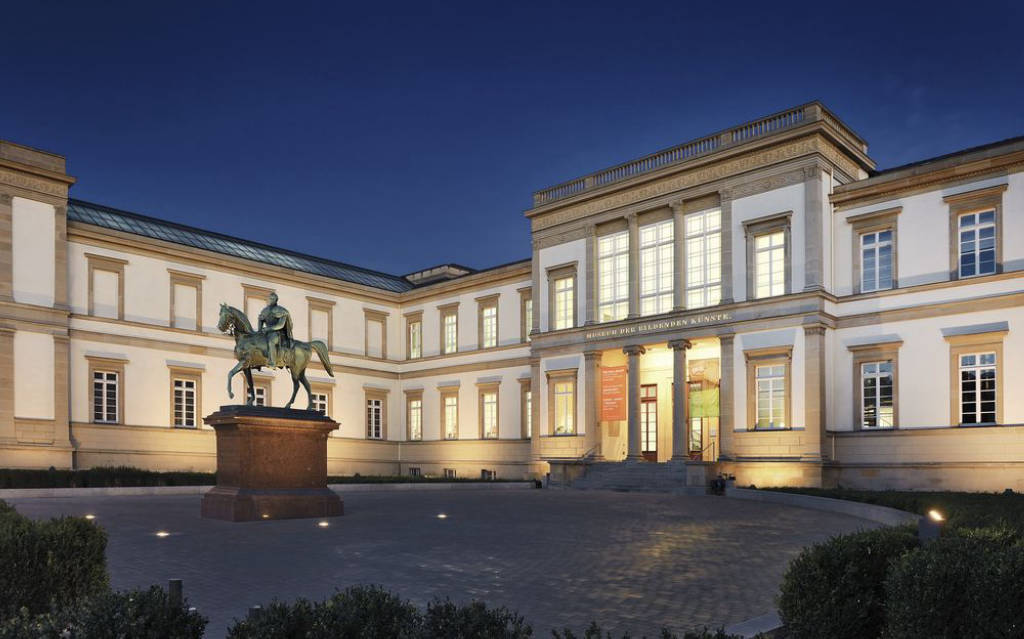
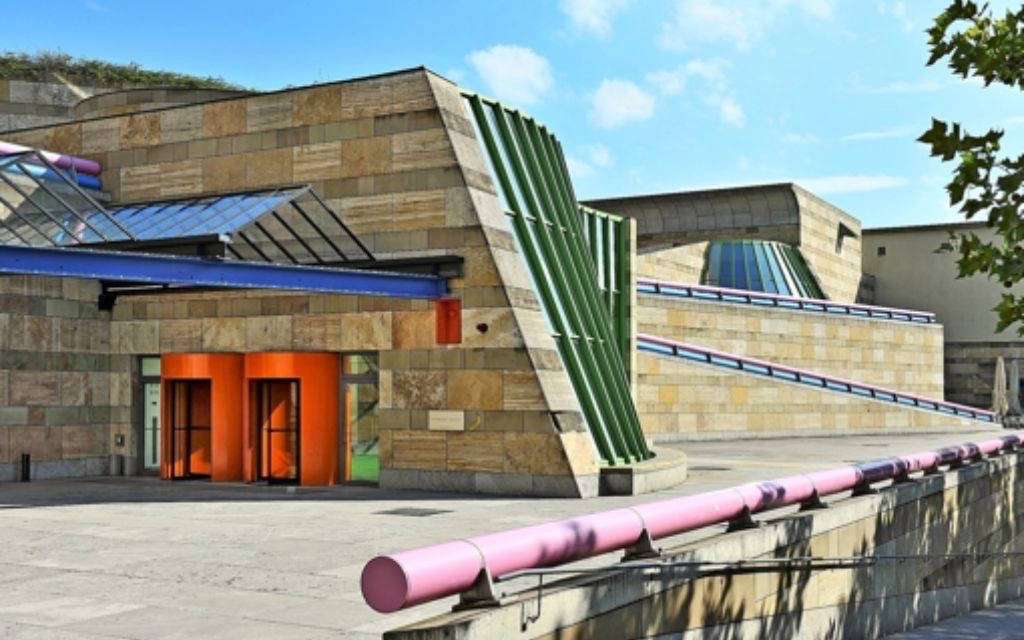
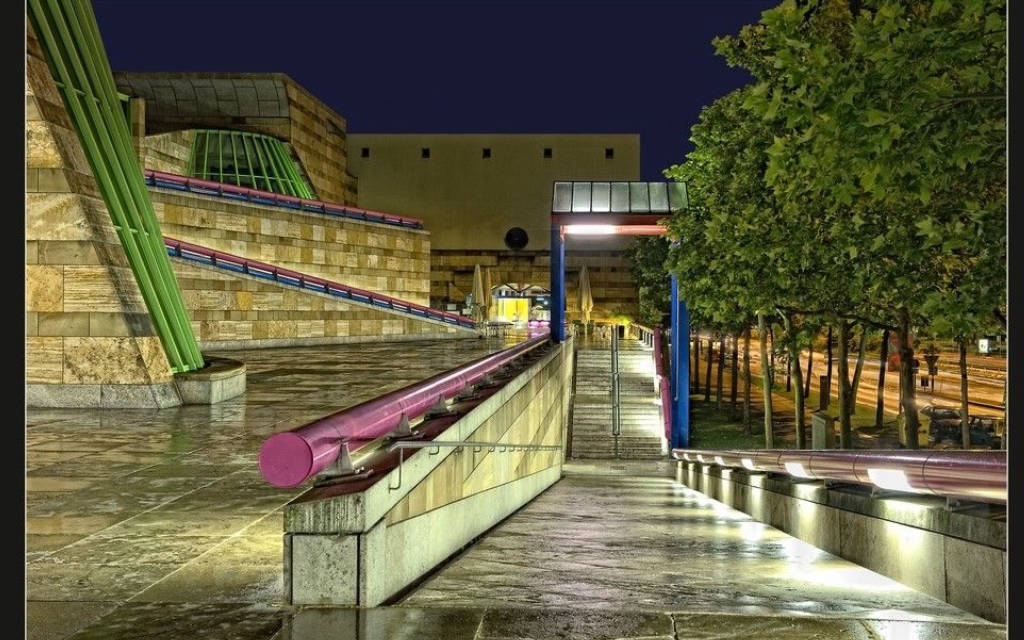
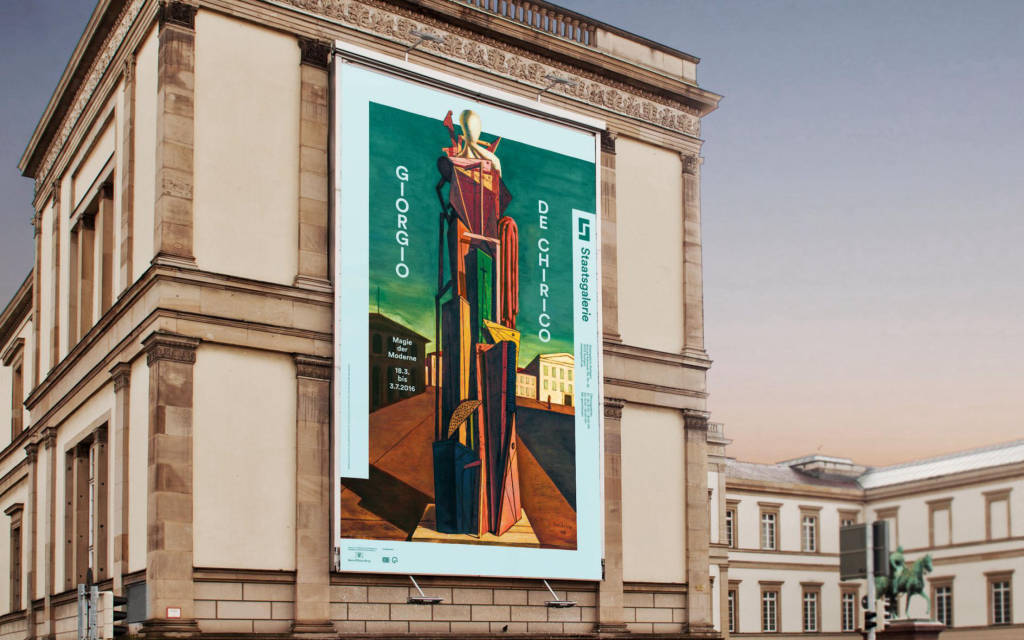
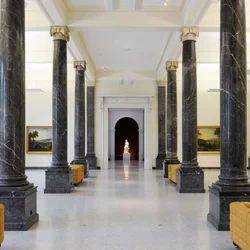
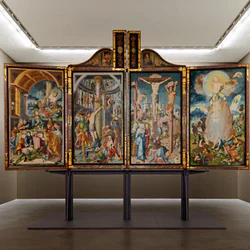
Staatsgalerie (Phòng trưng bày Quốc gia)
 Konrad-Adenauer-Straße 30-32, 70173 Stuttgart, Germany
“Một trong những bảo tàng hàng đầu của châu Âu, nơi trưng bày bộ sưu tập nghệ thuật độc đáo của bảy thế kỷ. Ngoài triển lãm thường trực, một số triển lãm đặc biệt thú vị cũng được giới thiệu hàng năm.”
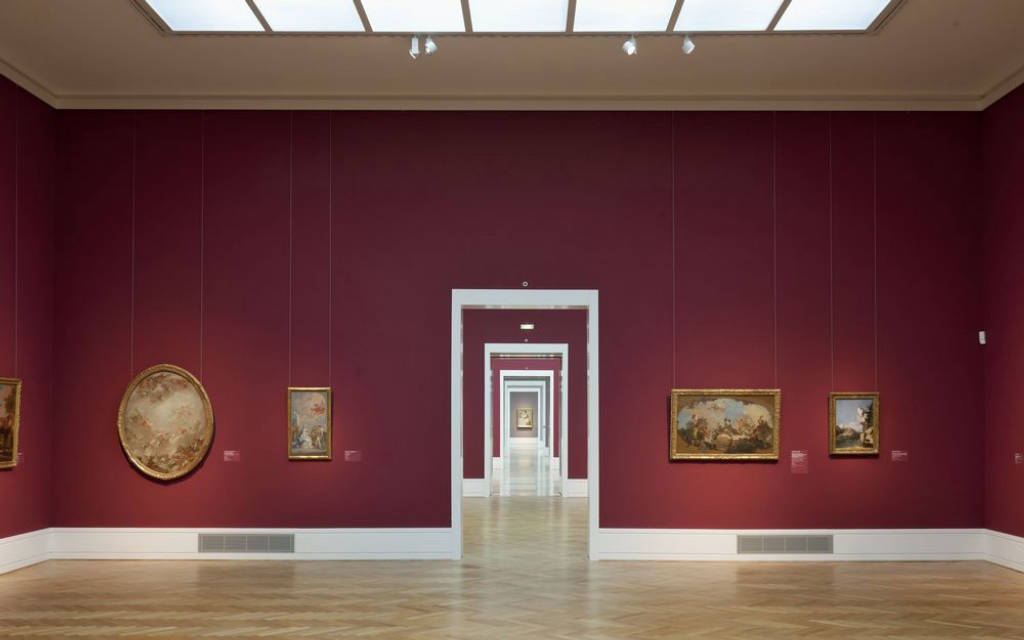
Với bộ sưu tập phong phú các tác phẩm có niên đại từ thế kỷ XIV đến nay, Staatsgalerie Stuttgart là một trong những bảo tàng nổi tiếng nhất của Đức. Cả khu phức hợp bảo tàng ấn tượng và các tài sảncủa nó đều phản ánh mối liên hệ giữa truyền thống và hiện đại.
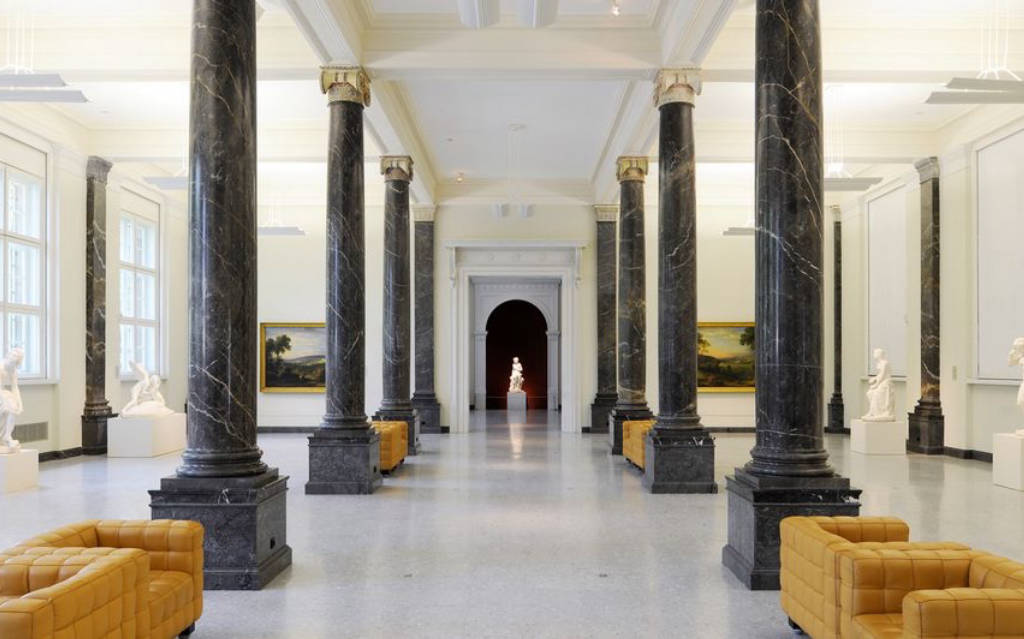
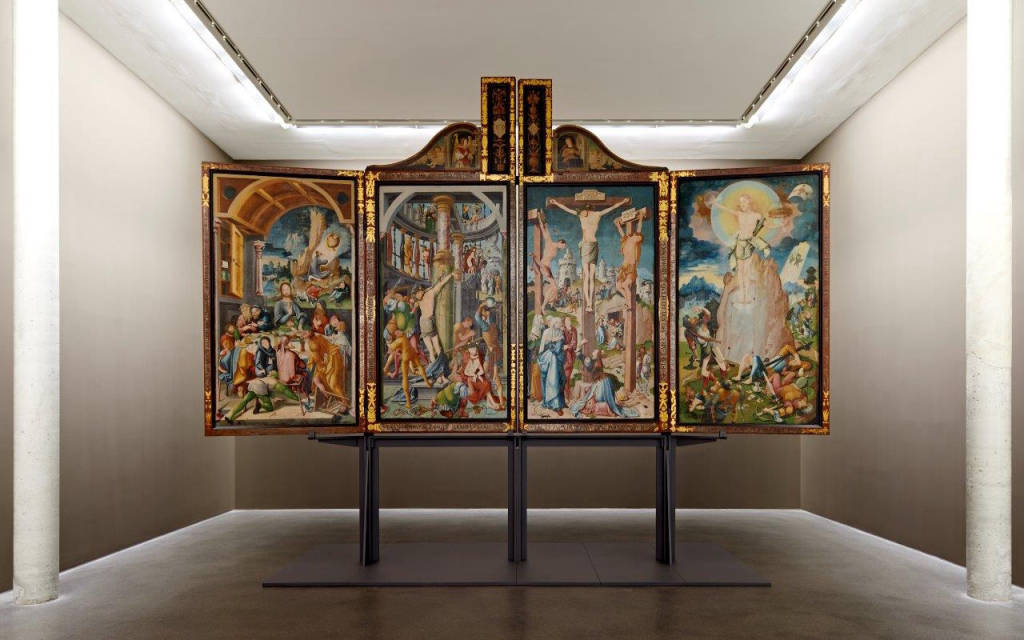
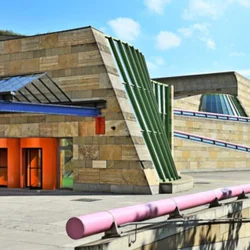
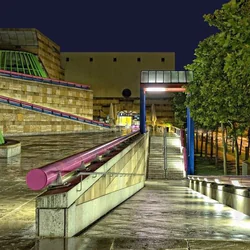
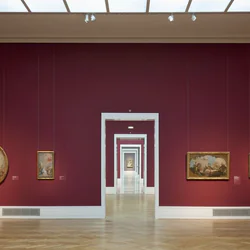
Staatsgalerie Stuttgart giới thiệu bộ sưu tập tuyệt vời của mình trên khoảng 9.000 mét vuông không gian triển lãm được cung cấp bởi tòa nhà cũ năm 1843, Tòa nhà Stirling hậu hiện đại nổi tiếng và Steib Halls được xây dựng vào năm 2002. Trong số Holdings nổi bật có nhiều tác phẩm thuộc Bộ Bản in, bản vẽ và ảnh, bức tranh bảng Swabian sơ khai và những ví dụ nổi bật của chủ nghĩa tân cổ điển Swabian thế kỷ XIX. Điểm nhấn chính của bộ sưu tập bảo tàng chắc chắn là thời kỳ Hiện đại Cổ điển với nghệ thuật kéo dài những năm từ 1900 đến 1980. Điểm nổi bật đặc biệt ở đây là Bức tượng nhỏ của Oskar Schlemmer cho Ba-lê đầu những năm 1920, “Backs” nổi tiếng của Henri Matisse (1909‒30), Nhiều tác phẩm của Picasso bao gồm nhóm điêu khắc The Bathers (1956) và căn phòng của Joseph Beuys do chính nghệ sĩ lắp đặt.
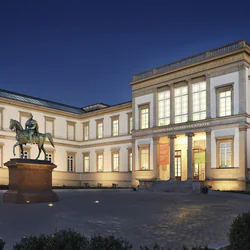
Được xây dựng dưới thời Vua William I của Württemberg từ năm 1838 đến 1843, khu lâu đời nhấttrong các cơ sở của Staatsgalerie đồng thời là một trong những tòa nhà bảo tàng lâu đời nhất ở Đức. Nó được xây dựng vào năm 1984 bởi kiến trúc sư ngôi sao người Anh - James Stirling, công trình kiến trúc nổi tiếng thế giới, được coi là hình mẫu của kiến trúc hậu hiện đại. Phần bổ sung mới nhất, một tòa nhà phụ do Wilfrid và Katharina Steib thiết kế, hiện lưu giữ bộ sưu tập nghệ thuật đồ họa truyền thống phong phú, với hơn 400.000 bản vẽ, màu nước, ảnh ghép, bản in và áp phích.
Phòng trưng bày Quốc gia là một bảo tàng đảng cấp thế giới. Nó chứa khoảng 5,500 bức tranh và tác phầm điêu khắc cũng như nhiều tác phẩm trên giấy, được bổ sung bởi hàng trăm nghìn tài liệu lưu trữ từ các ngôi nhà của nghệ sĩ. Điều này khiến nó trở thành bảo tàng nghệ thuật lớn nhất ở bang Baden-Württemberg. Từ những bậc thầy cũ đến nghệ thuật đương đại, trọng tâm của ý tưởng bộ sưu tập vẽ nên một bức tranh độc đáo. Ở vị trí đặc biệt này, Staatsgalerie khẳng định mình trên toàn quốc, được củng cố bằng chính sách mua lại có mục tiêu mà những người quản lý bảo tàng theo đuổi với mục đích bảo tồn di sản văn hóa một cách đa diện và ngắn gọn.
Địa chỉ: Konrad-Adenauer-Straße 30-32, 70173 Stuttgart
Giờ mở cửa: - Thứ 3 – Chủ Nhất: 10:00 – 18:00 / Thứ 5: 10:00 – 20:00
- Thứ 2: đóng cửa
Vé tham quan: 7 € (người lớn) / miễn phí cho trẻ em và thanh niên dưới 20 tuổi)
Trang web: https://www.staatsgalerie.de/en.html