


 Tiếng Việt
 English
 한국어
한국어 日本語
日本語 简体中文Français
 Deutsch
 Español
 Italiano
 Русский


 Đăng nhập cho Doanh nghiệp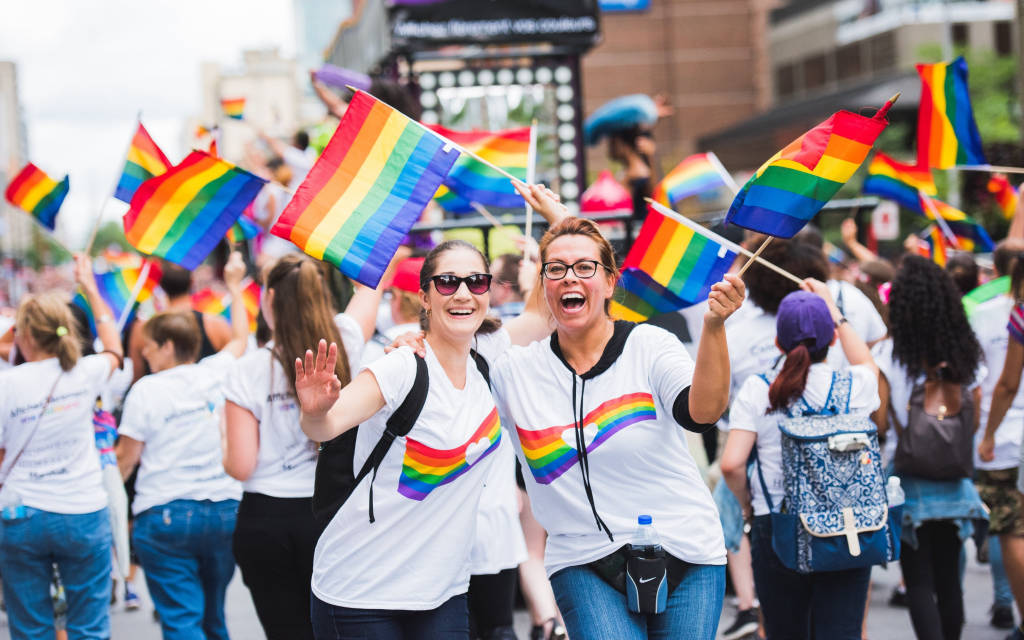
Fierté Montréal / Montréal Pride
 Montreal - Canada
Lễ hội âm nhạc nghệ thuật tự hào LGBT
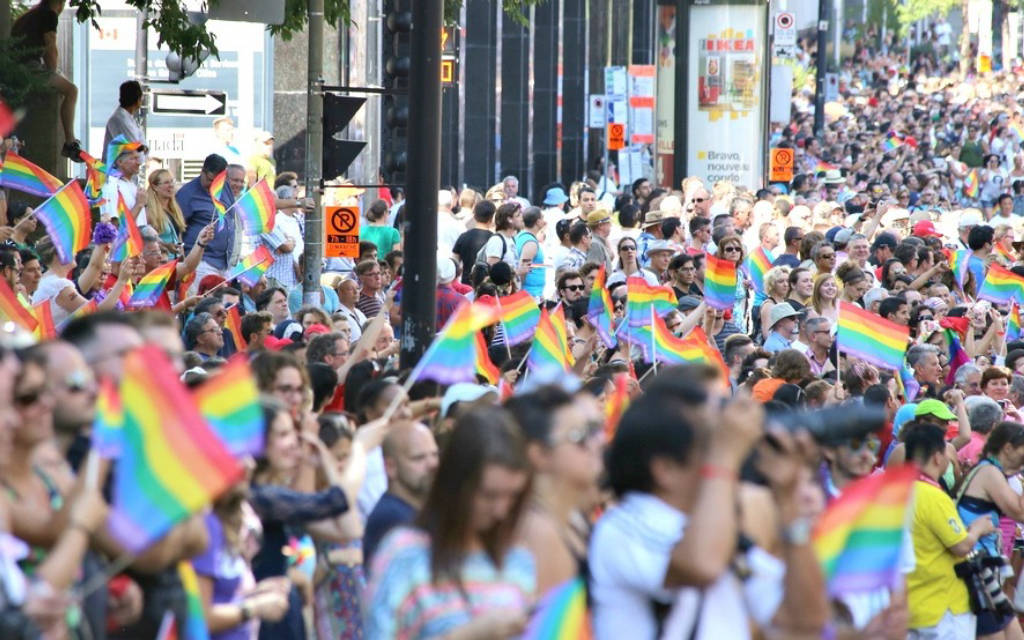
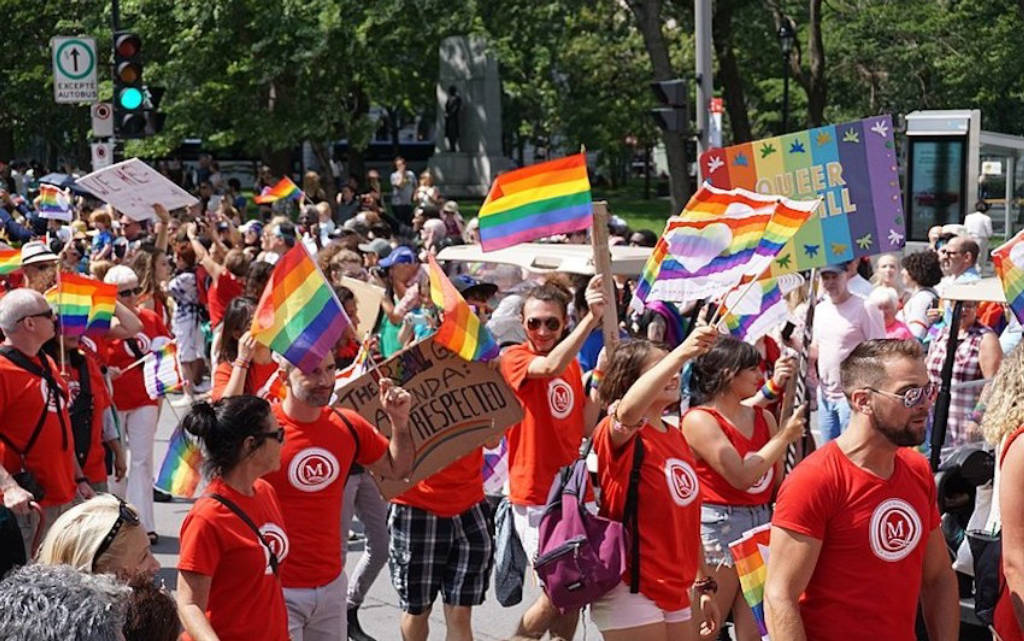
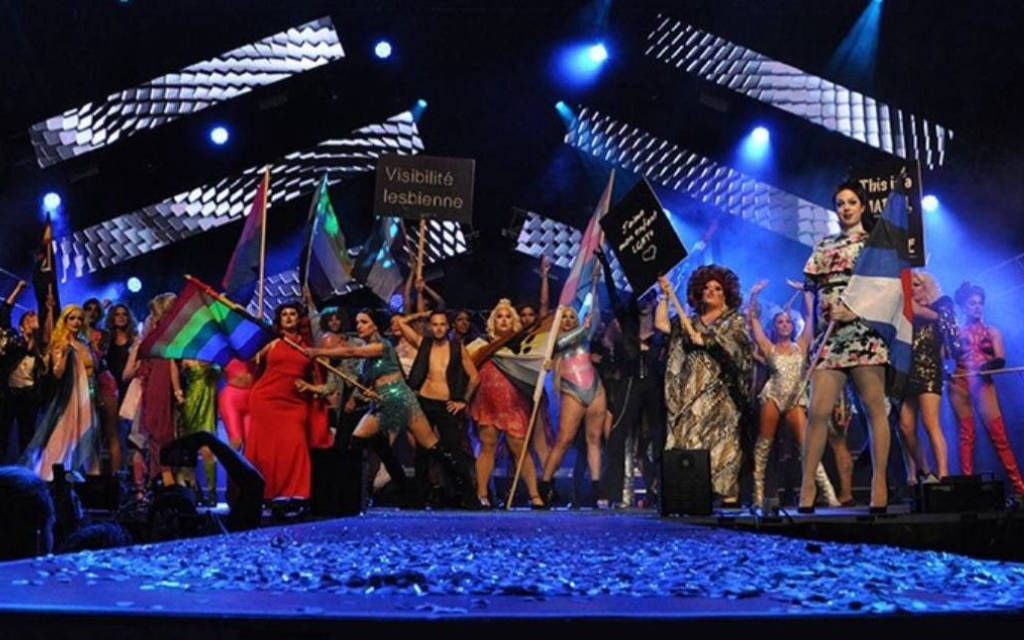
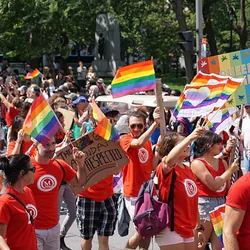
Lễ hội Montréal Pride diễn ra trong 11 ngày vào tháng 8 hàng năm và thu hút hơn 2.5 triệu du khách trong nước và quốc tế tham gia. Đây là lễ hội mang đậm tính nhân văn dành cho cộng đồng LGBT tại Montreal - Canada nói riêng và trên toàn thế giới nói chung. Montréal Pride làm sáng tỏ và tạo ra nhận thức, cảm thông của cộng đồng dành cho bộ phận những người giới tính thứ ba từ đó vận động cho sự tiến bộ của nhân quyền trong nước và quốc tế. Montréal Pride còn là nơi mọi người có thể giúp đỡ lẫn nhau trong cuộc chiến chống lại nạn phân biệt đối xử dựa trên xu hướng tình dục và bản sắc giới tính.
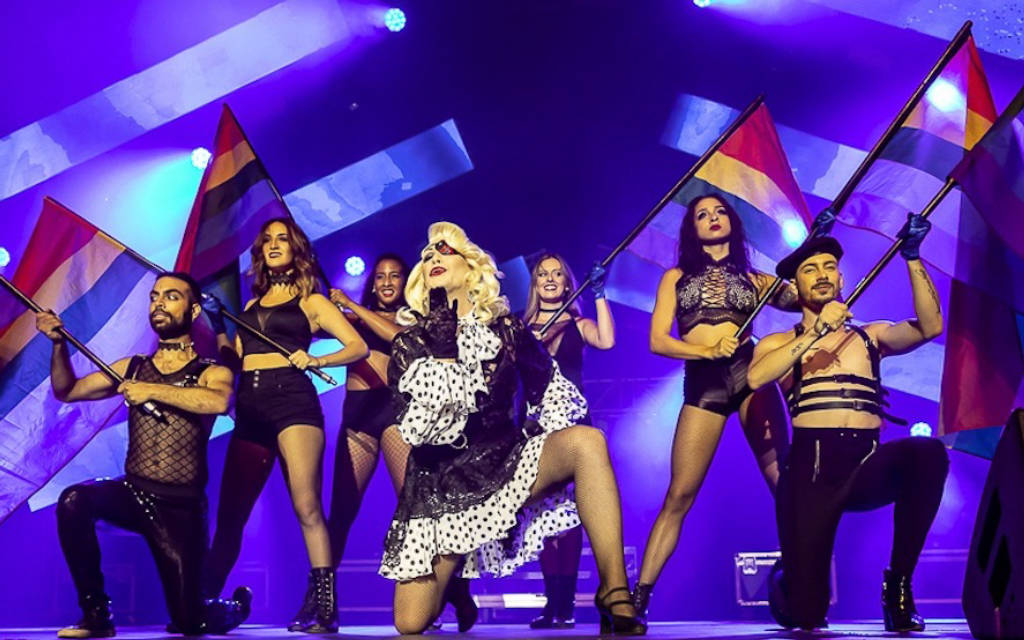
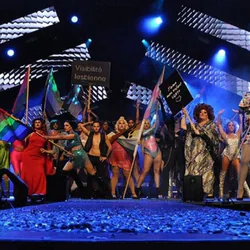
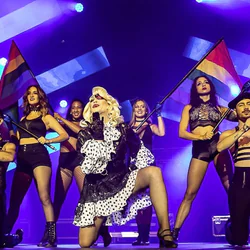
Montréal Pride không chỉ tổ chức những buổi diễu hành mà các sự kiện văn hóa, xã hội, từ thiện cũng được diễn ra trong thời gian lễ hội với hơn 70 phần trăm người biểu diễn đến từ bản địa. Thông qua đó, người dân có thể ghi nhớ và tôn vinh những đóng góp mà cộng đồng LGBT đã cống hiến cho sự phát triển của đất nước.
Montréal Pride tôn vinh sức mạnh và vẻ đẹp của sự đa dạng, đồng thời giúp cho mọi người có một cái nhìn mới về cộng đồng LGBT, từ đó nâng cao ý thức xã hội.
Trang web: www.fiertemtl.com
Điện thoại: 514 903-6193