


Xem tất cả kết quả cho ""

 Ngày bất kỳ
  Tiếng Việt
 English
 한국어
한국어 日本語
日本語 简体中文
简体中文 Français
 Deutsch
 Español
 Italiano
 Русский


 Đăng nhập cho Doanh nghiệp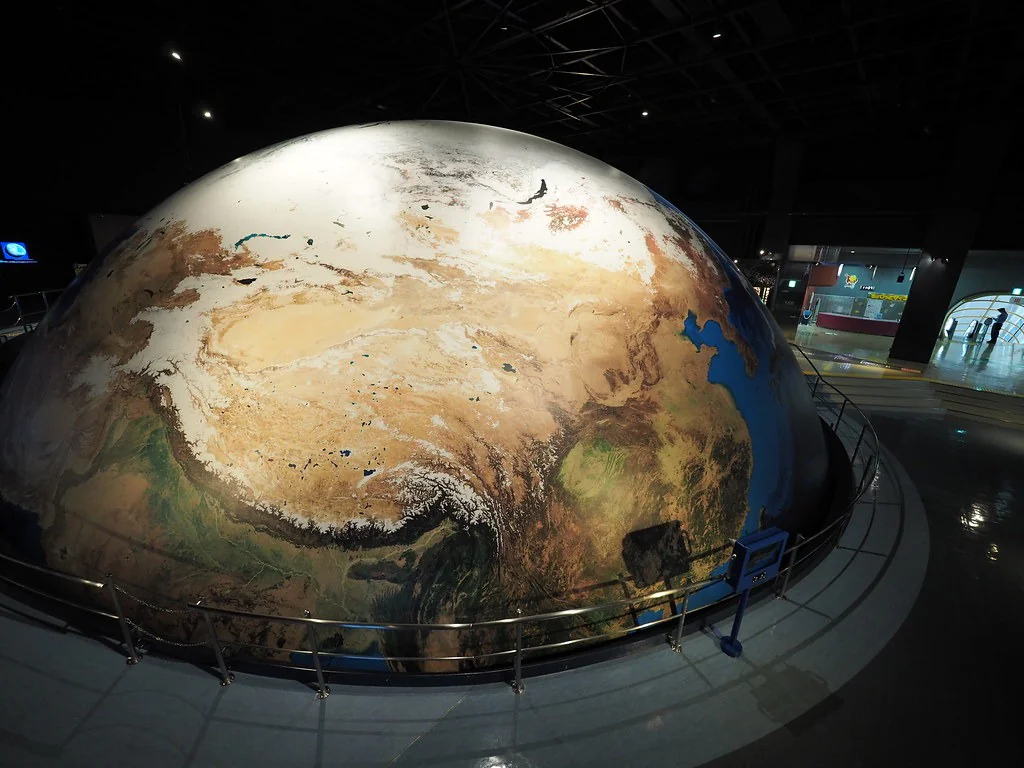
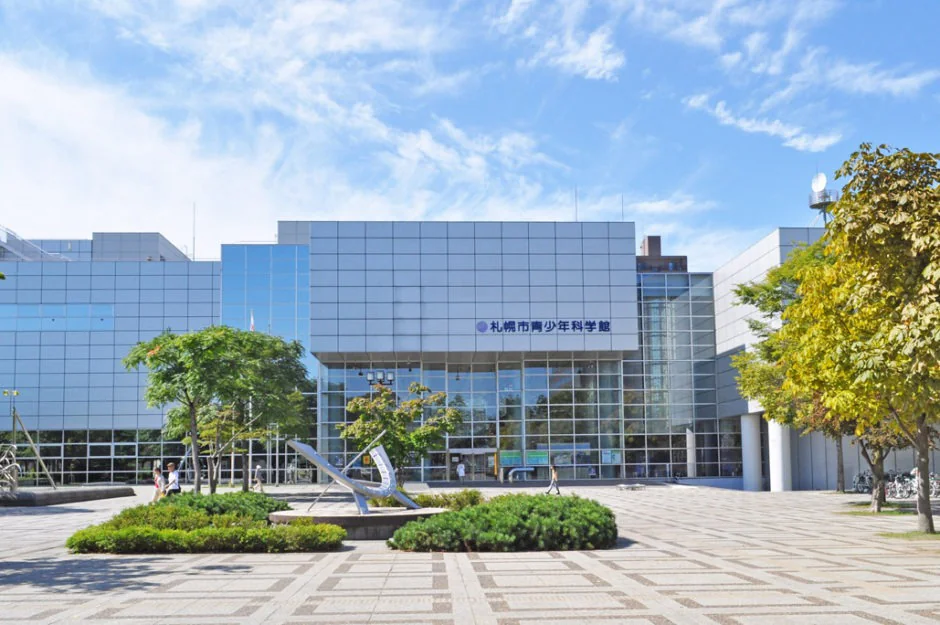
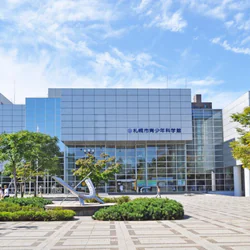
Sapporo Science Center
 Atsubetsu Chuo 1-5, Atsubetsu-ku, Sapporo
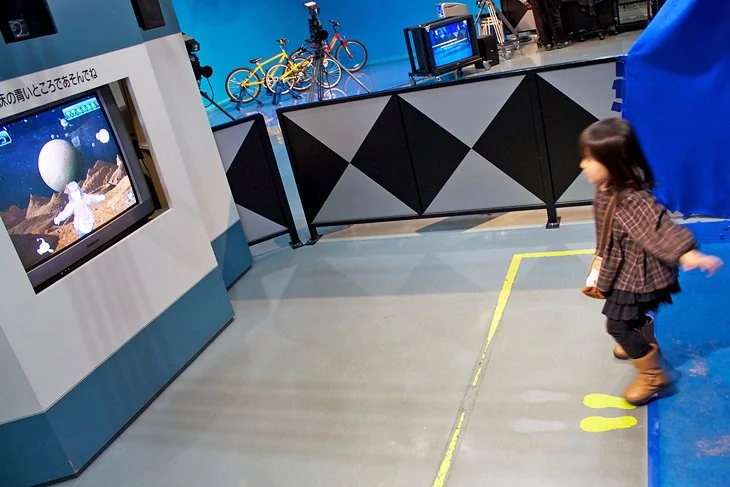
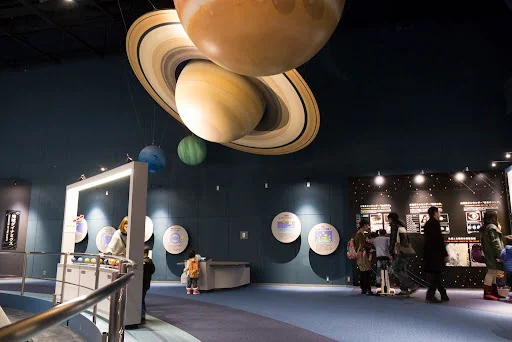
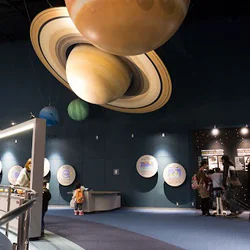
Is a science and nature museum where you can experience and discover about the universe and science.
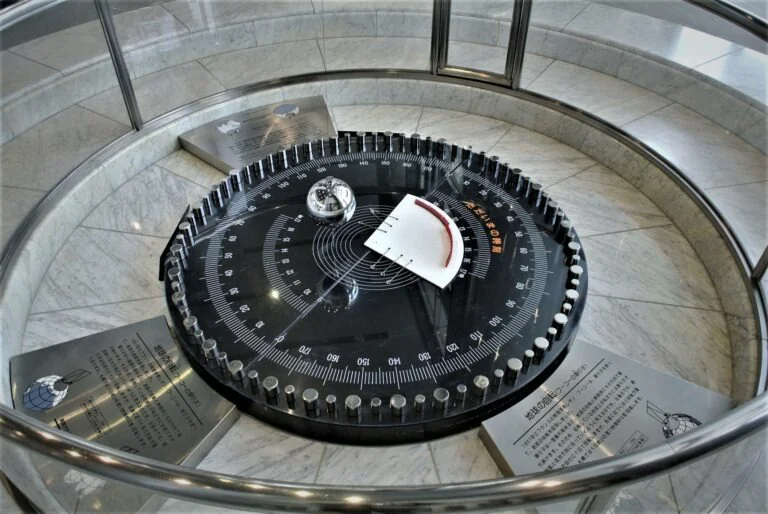
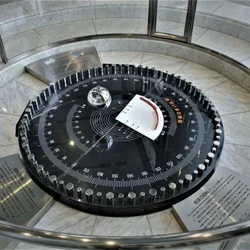
Among more than 200 exhibits, including adventures in the virtual universe, unique exhibits of the snow and cold regions such as the world's first artificial snow machine and the artificial aurora machine are among the most popular. point not to be missed.
On the first floor is the newly renovated Planetarium and reopened to the public in April 2016, the dome inside is 18 meters in diameter and offers comfortable seating for up to 200 seats. The latest optical planetarium system faithfully reproduces the sparkling beauty of more than 100 million stars, as well as the delicate structure of the Milky Way. Scenes from a program produced by the European Space Agency called Journey to a Billion Stars are shown on two 4K projectors with immersive sound, creating beautiful images and the feeling of flying through space.
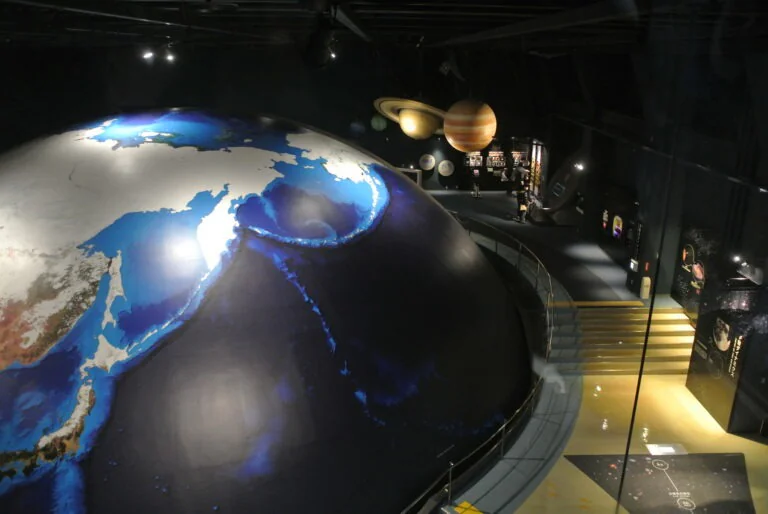
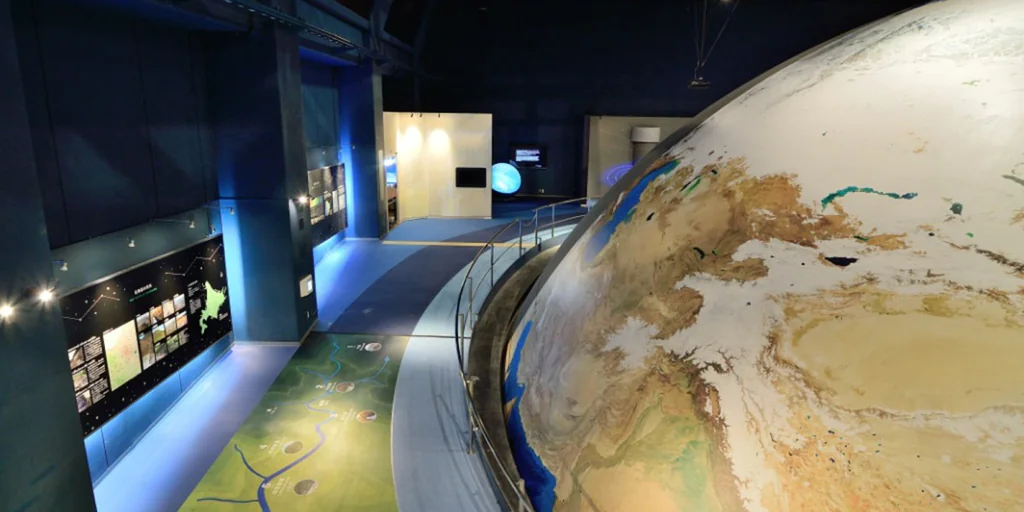
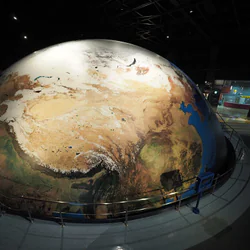
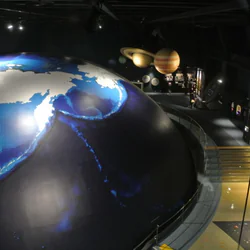
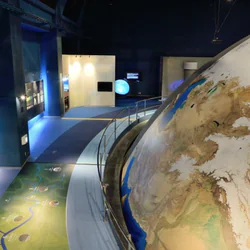
On the second floor, at the “Earth Science & Astronomy Corner”, satellite images of the Northern Hemisphere are projected onto a giant globe and you can look down at the globe from a room on the third floor. modeled after Japan's "Kibo" test module at the ISS.
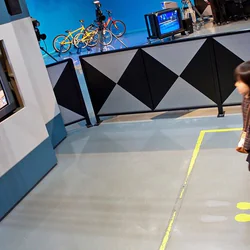
In addition, there are many exhibitions and play areas, interactive activities, experiences and science discoveries for children, as well as performances based on picture books by local authors.
Hours of Operation:
- May 1 to September 30: 9:00-17:00
- October 1 to April 30: 9:30–16:30
- Closing date: The last Monday and Tuesday of every month, the day after public holidays, year-end holidays and New Year's Eve.
Entrance fees:
- Exhibition Hall: 700
- Planetarium Planetarium: 500
- Set (Exhibition Hall + Planetarium): 1,000
- Middle school students and below: Free
Website: http://www.ssc.slp.or.jp/