


 Tiếng Việt
 English
 한국어
한국어 日本語
日本語 简体中文
简体中文 Français
 Deutsch
 Español
 Italiano
 Русский


 Đăng nhập cho Doanh nghiệp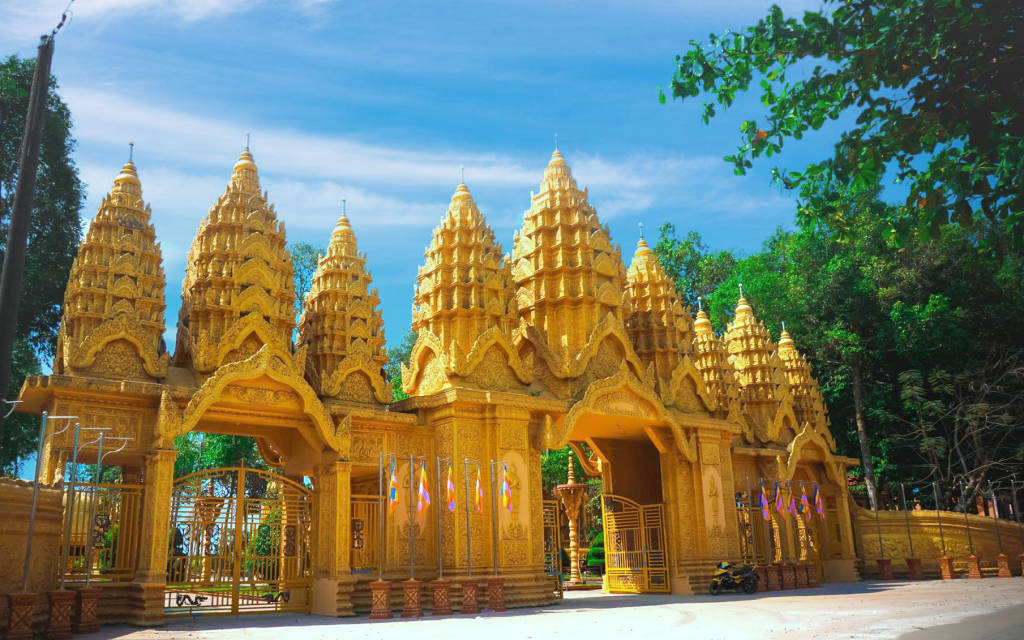
Chùa Vàm Ray
 ấp Vàm Ray, xã Hàm Tân, huyện Trà Cú, tỉnh Trà Vinh, Việt Nam
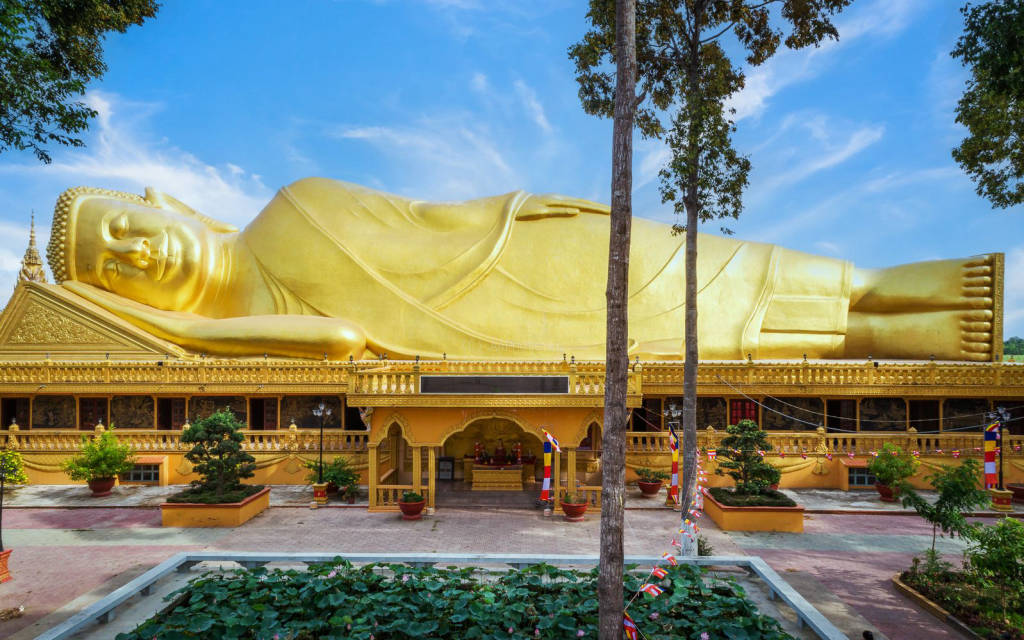
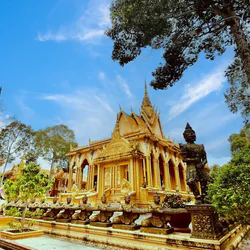
Chùa Vàm Ray, tọa lạc tại xã Hàm Tân, huyện Trà Cú, Trà Vinh, là một công trình kiến trúc độc đáo của Phật giáo Nam Tông Khmer. Đây là ngôi chùa Khmer lớn nhất Việt Nam. Được xây dựng lại trên nền chùa hơn 600 năm tuổi, chùa nổi bật với thiết kế theo phong cách Angkor, cổng vàng lộng lẫy, cột rắn Naga, và tượng Phật Thích Ca nhập Niết Bàn dài 54m. Chùa là trung tâm văn hóa, nơi diễn ra các lễ hội truyền thống của người Khmer.
Khi đến Trà Vinh, quý Khách không thể bỏ qua ngôi chùa Khmer lớn nhất Việt Nam, đó là Chùa Vàm Ray (hay còn gọi là chùa Compongpdhipruhs Bonraichas trong tiếng Khmer). Ngôi chùa này là một địa điểm tâm linh, một tuyệt tác kiến trúc độc đáo của người Khmer, mang đậm dấu ấn văn hóa và lịch sử của dân tộc.
Được xây dựng lại trên nền chùa cũ có hơn 600 năm tuổi, chùa Vàm Ray đứng vững sau những thử thách của thời gian, đặc biệt là những tàn phá của chiến tranh. Mặc dù xây mới nhưng chùa vẫn giữ nguyên được vẻ đẹp cổ kính, với những yếu tố kiến trúc truyền thống Phật giáo Nam tông Khmer.
Chùa tọa lạc tại ấp Vàm Ray, xã Hàm Tân, huyện Trà Cú, cách thành phố Trà Vinh khoảng 35km. Để đến đây, quý Khách chỉ cần đi theo quốc lộ 54 rồi rẽ trái vào quốc lộ 53, tiếp tục đi thêm khoảng 3km nữa qua cầu Hàm Giang là đến chùa.
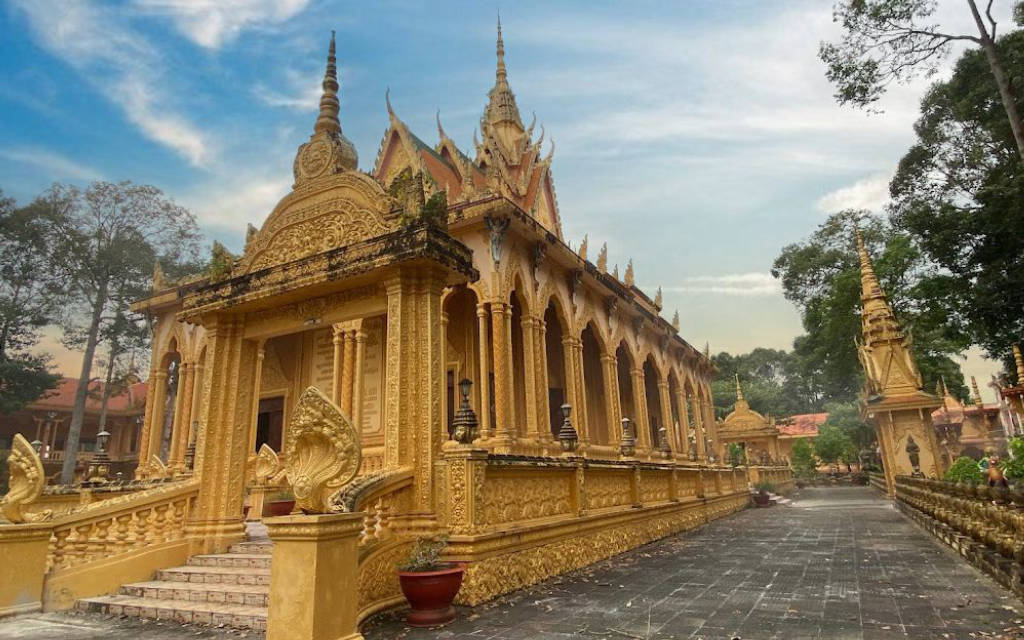
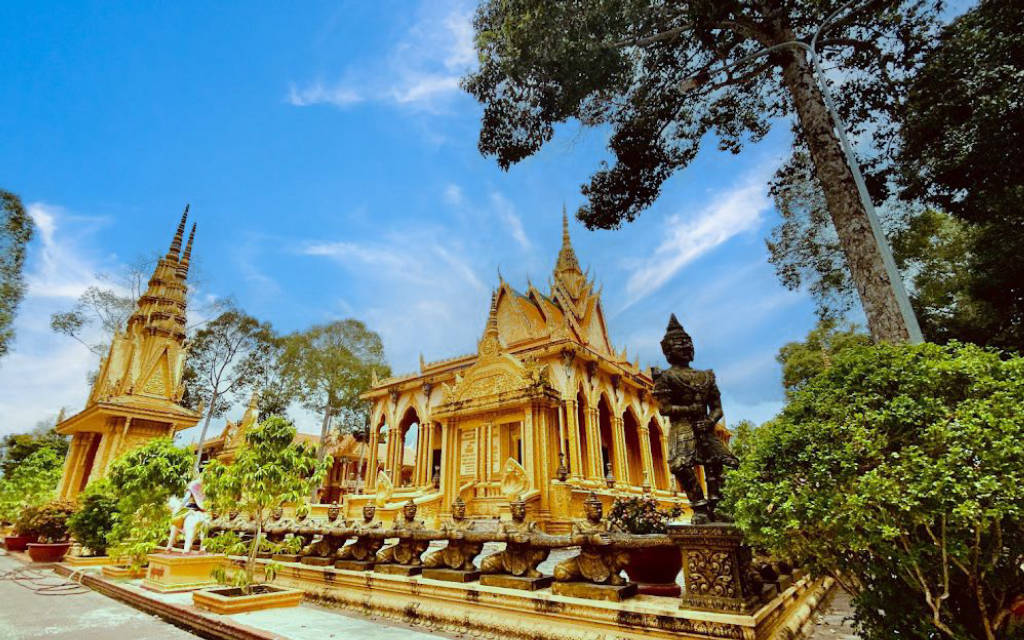
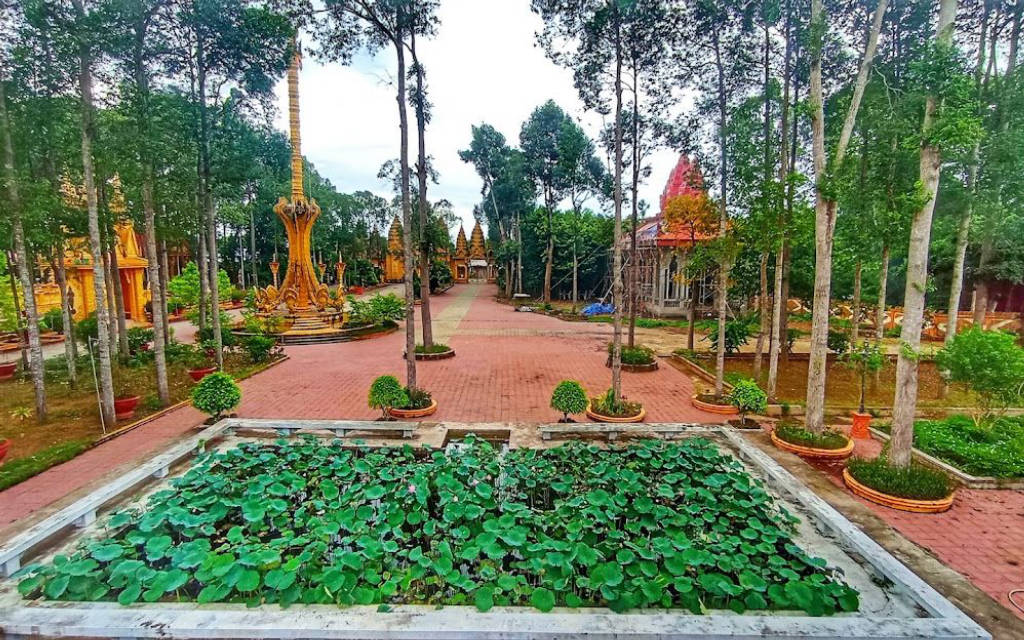
Cảm giác đầu tiên khi quý Khách nhìn thấy chùa là sự choáng ngợp bởi sự kỳ vĩ và rực rỡ của nó, với màu vàng chói lọi của mái vòm, tường, cột trụ, cho đến các bức phù điêu và tượng Phật. Chùa Vàm Ray giống như một cung điện vàng, nổi bật giữa không gian xanh mát của cây cối bao quanh.
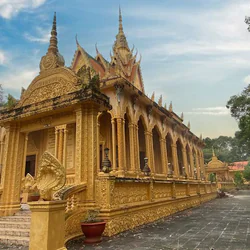
Chùa Vàm Ray khởi công phục dựng và cải tạo từ ngày 3 tháng 5 năm 2004 đến ngày 3 tháng 3 năm 2008 thì hoàn thành, và được chính thức khánh thành ngày 22 tháng 5 năm 2010. Chùa mang phong cách kiến trúc Angkor đặc trưng của Campuchia, với bốn cổng và theo đúng truyền thống của chùa Khmer, cổng chính và chính điện đều quay về hướng Đông – hướng của con đường tu hành.
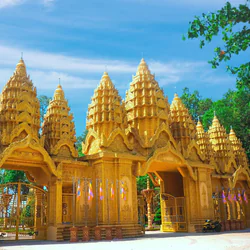
Đi qua cổng hoành tráng sơn màu vàng, quý Khách sẽ cảm nhận được sự vĩ đại của những ngọn tháp nhọn chất chồng, hòa quyện với không gian thiên nhiên tươi mát.
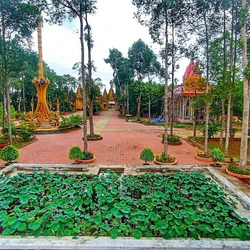
Ngay giữa sân chùa là một cột trụ cao vút nâng đỡ bởi những cột hình rắn thần Naga – một biểu tượng linh thiêng của Phật giáo Khmer. Cột trụ này không chỉ để thắp nến trong những ngày lễ hội mà còn là biểu tượng cho ánh sáng Phật pháp, soi sáng cho nhân loại. Mỗi chi tiết trên cột, từ hình rắn thần Naga có năm đầu cho đến những bức phù điêu, đều mang một ý nghĩa sâu sắc, thể hiện sự hòa hợp giữa thiên nhiên và tín ngưỡng.
Vào bên trong chính điện, quý Khách sẽ thấy một không gian trang trọng và thanh tịnh, với những bức tranh tường sống động, phản ánh cuộc đời Đức Phật và những giáo lý sâu sắc của nhà Phật. Không gian này không chỉ thoáng đãng, mát mẻ mà còn giúp quý Khách cảm nhận được vẻ đẹp tâm linh sâu sắc.
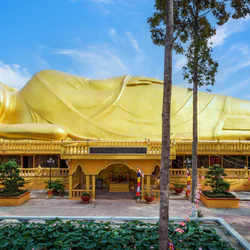
Đặc biệt, hướng Đông Nam của chính điện là tượng Phật Thích Ca nhập Niết Bàn dài tới 54m, được phủ sơn son thiếp vàng lấp lánh. Đây là một trong những tượng Phật có kích thước lớn nhất, tượng trưng cho sự trường tồn của Phật pháp.
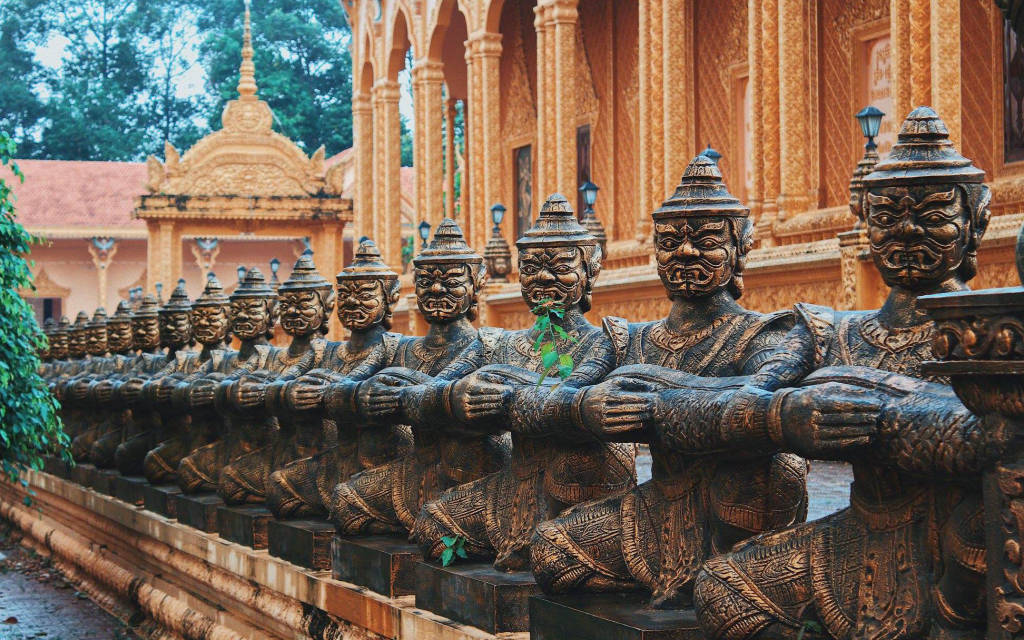
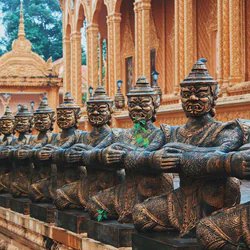
Đỉnh cao nghệ thuật của chùa Vàm Ray thể hiện ở những họa tiết độc đáo nơi mái vòm, tường, các hàng cột và cầu thang, như tượng đầu vị thánh bốn mặt Maraprum, nữ thần Kayno nửa người nửa chim, chim thần Marakrit…
Chùa Vàm Ray không chỉ là nơi tham quan, mà còn là nơi tổ chức nhiều lễ hội văn hóa đặc sắc của người Khmer như Chôl Chnăm Thmây, Sêndôlta, Okombok hay Lễ dâng y. Những lễ hội này không chỉ thu hút du khách mà còn giúp quý Khách trải nghiệm nét văn hóa truyền thống đặc trưng của cộng đồng Khmer.