


Xem tất cả kết quả cho ""

 Ngày bất kỳ
  Tiếng Việt
 English
 한국어
한국어 日本語
日本語 简体中文
简体中文 Français
 Deutsch
 Español
 Italiano
 Русский


 Đăng nhập cho Doanh nghiệp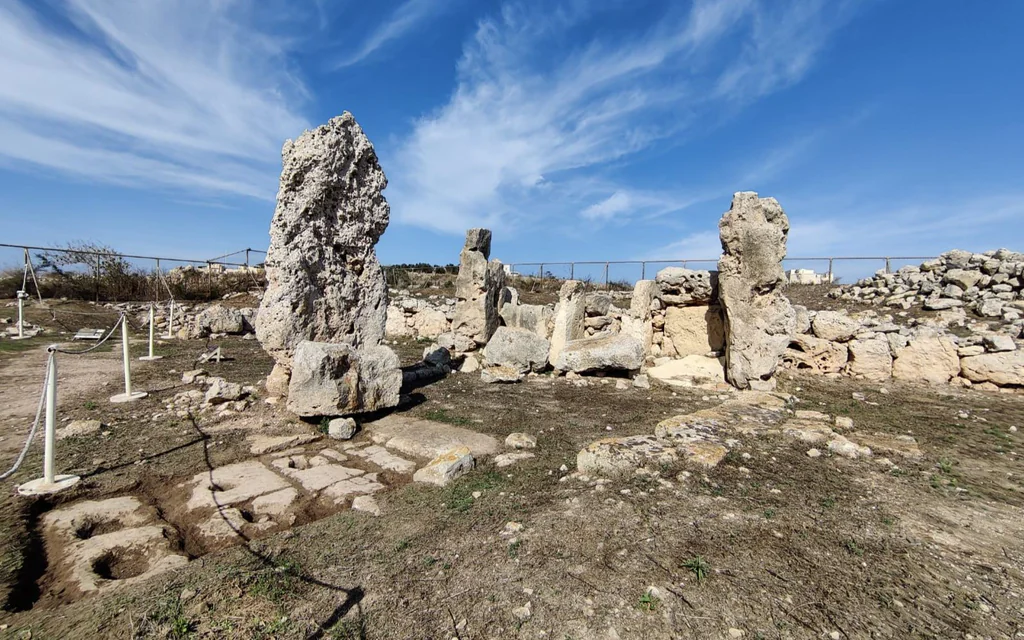
Skorba
 Triq L-Imqades, L-Imġarr, Malta
Skorba, nestled in the northern part of Malta, stands as an archaeological site that unveils Malta's Neolithic past, offering a window into the island's prehistoric settlements.
Skorba, nestled in the northern part of Malta, stands as an archaeological site that unveils Malta's Neolithic past, offering a window into the island's prehistoric settlements. This UNESCO World Heritage-listed site is a testament to the island's ancient history, providing insights into the lives of its earliest inhabitants.
The Skorba Temples, dating back to around 3600 BCE, represent one of the oldest surviving megalithic temple complexes in Malta. The site consists of two temples, Skorba South and Skorba North, each revealing the architectural prowess and cultural practices of Malta's Neolithic communities. The temples are characterized by their unique features, including a corbelled roof and a central passage, adding to the mystique of the archaeological site.
Exploring Skorba allows visitors to walk in the footsteps of Malta's Neolithic people, discovering the remnants of their religious and communal structures. The site's strategic location near the coast suggests the significance of maritime activities in the daily lives of the ancient inhabitants. The use of megalithic construction techniques reflects the advanced architectural skills of the Neolithic community.
Skorba's historical importance is further underscored by the artifacts unearthed during excavations, including pottery, tools, and figurines. These findings provide archaeologists and historians with valuable clues about the social, religious, and economic aspects of Malta's Neolithic society.