


Xem tất cả kết quả cho ""

 Ngày bất kỳ
  Tiếng Việt
 English
 한국어
한국어 日本語
日本語 简体中文
简体中文 Français
 Deutsch
 Español
 Italiano
 Русский


 Đăng nhập cho Doanh nghiệp

Wilhelma . Botanical Garden & Zoo
 Wilhelma 13, 70376 Stuttgart, Germany
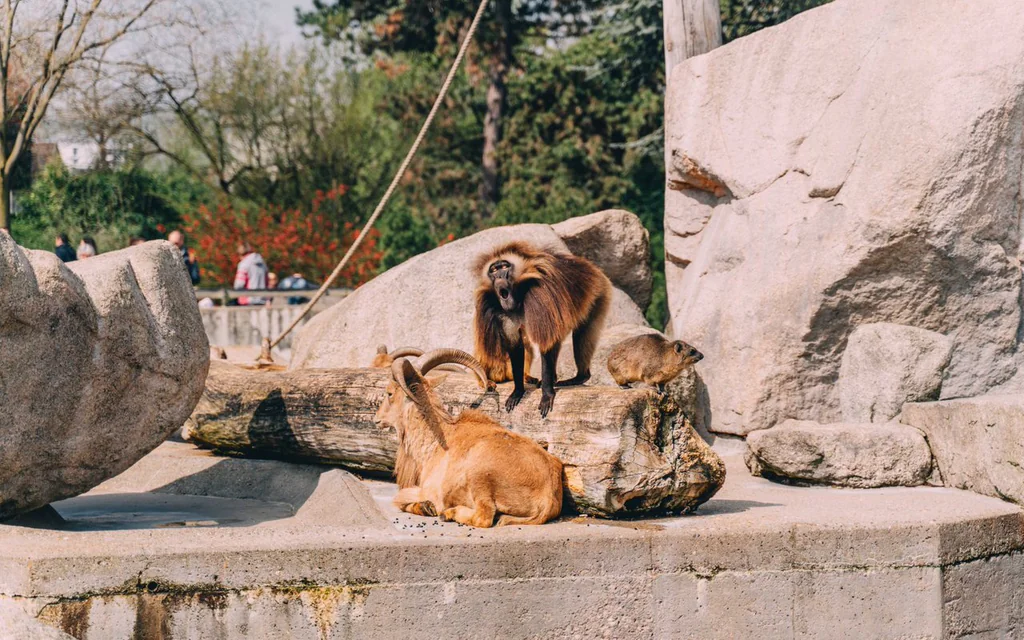
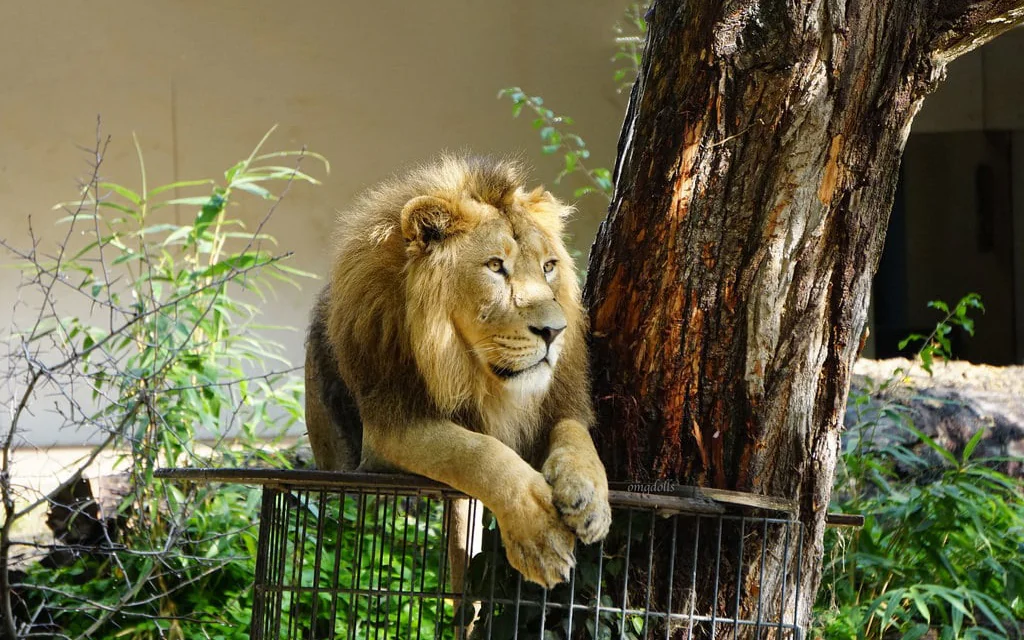
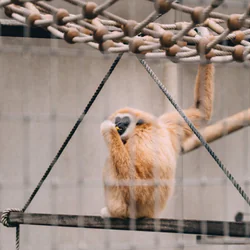
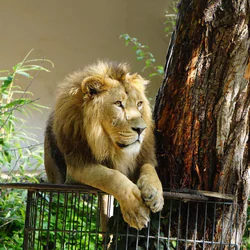
“One of the most visited zoological gardens in Germany, attracting over a million visitors every year. Wilhema currently exhibits about 11,500 animals from all over the world and over 1200 species, making it the second-richest zoo in Germany.”
Wilhelma is the only zoological and botanical garden found in Germany. Wilhelma Park today belongs to the historic heritage of Baden-Württemberg. The park has undergone a transformation from the completely private retreat of a king to the botanical and zoological garden of Stuttgart, with just over 2.1 million visitors annually.
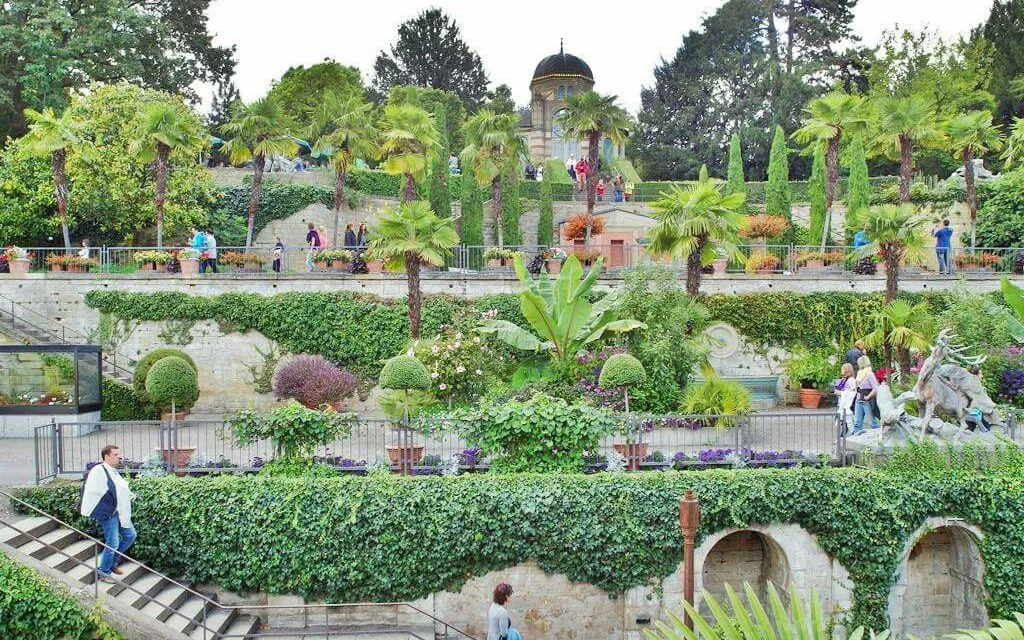
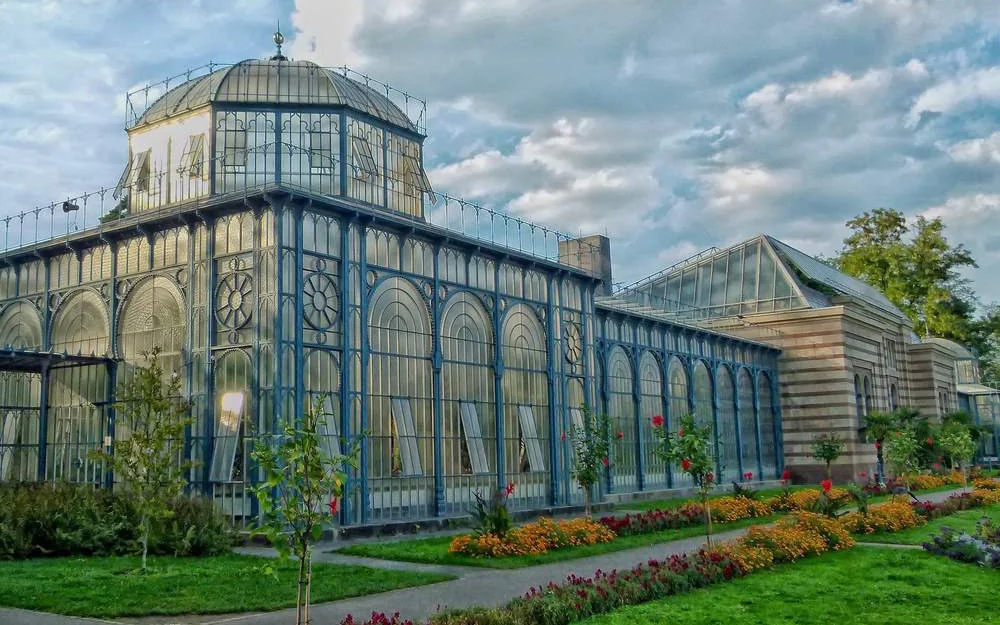
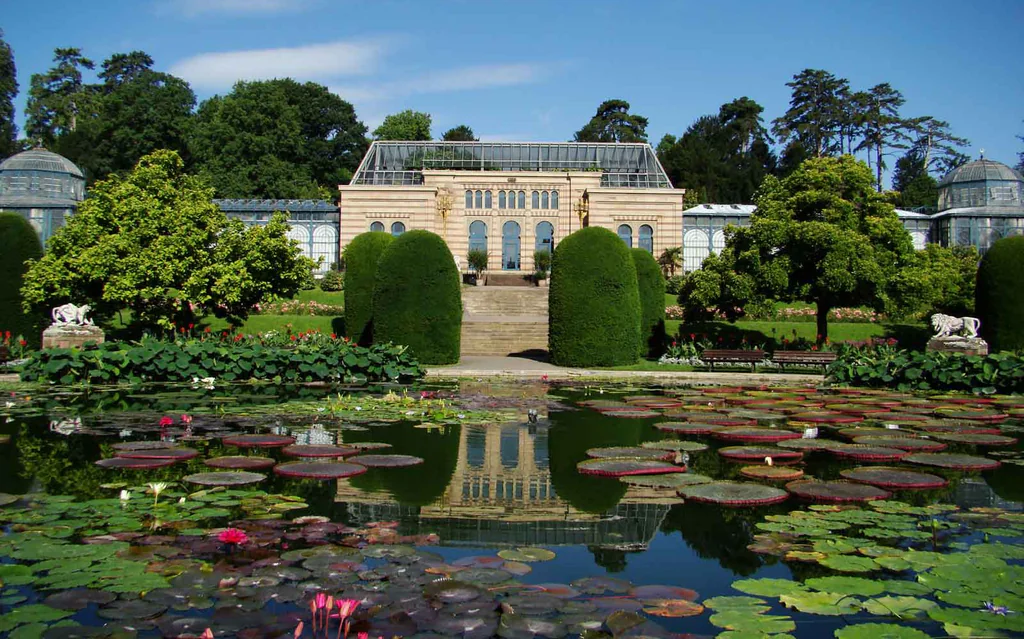
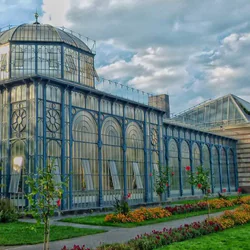
Originally planned as private gardens, the park, with its Moorish-style buildings, was designed to serve the Swabian king, King Wilhelm I, as a residence and also used for representational purposes. . At that time, in the mid-19th century, Moorish architecture had become fashionable among European royalty. Thus, the king "ordered" a Moorish park from his architect, Karl Ludwig Zanth. It's called "Wilhelma". The most striking example of Moorish architecture, even in those days, is the Alhambra in Granada, Spain. And so Wilhelma is also known as the Alhambra on R. Neckar.
Wilhelma's park covers almost 70 acres (280,000 square meters), and therefore occupies the area of about 40 football fields. The park is bordered to the south by Rosenstein Park, to the east by the Neckar River, and to the west and north by the residential area of the Bad Cannstatt district of Stuttgart. The park consists of a historical part and a newer part.
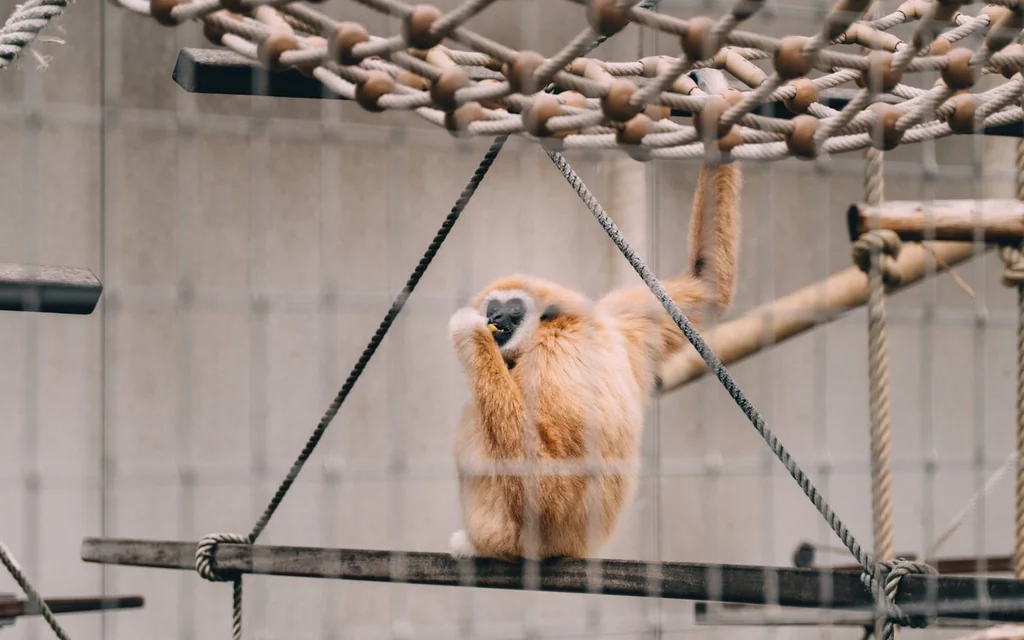
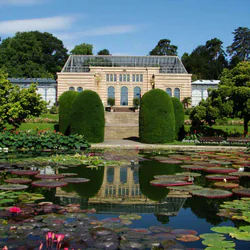
The historic part of the park facing R. Neckar, is geographically at the foot of an incline and is often referred to as the "bottom" or "bottom" garden. This piece of history is the original site of the private Wilhelma, once belonging to King Wilhelm I of Württemberg, with all its historic buildings in the Moorish style and all its greenhouses. There are also some animal houses built partly based on historical construction, such as Aquarium or Insectarium. Down below there are also Apes House and Amazon House.
The newer section, located at the top of the Rosenstein slope, is also known as the "upper" section. This area was added piece by piece to the old part of Wilhelma, as the need for more space for the animal enclosures gradually increased with the increasing number of animals. Today, all the remaining animal houses and open-air enclosures will be found here. The last extension was added in 1993, when in parallel with the International Garden Show (IGA), the Demonstration Farm was installed.
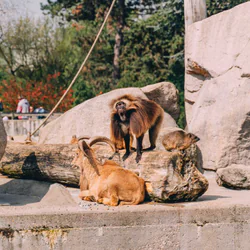
With almost 1,200 species of animals, Wilhelma is one of the most diverse zoos, not only in Germany but worldwide. In addition, there are about 8,500 species and varieties of plants in Wilhelma's botanical garden. Each species of flora and fauna at Wilhelma belongs to a particular house or enclave. These special territories are organized according to systems or geographical elements, such as the South American Prey and Finnace House, or the Fern House and Tropical House.
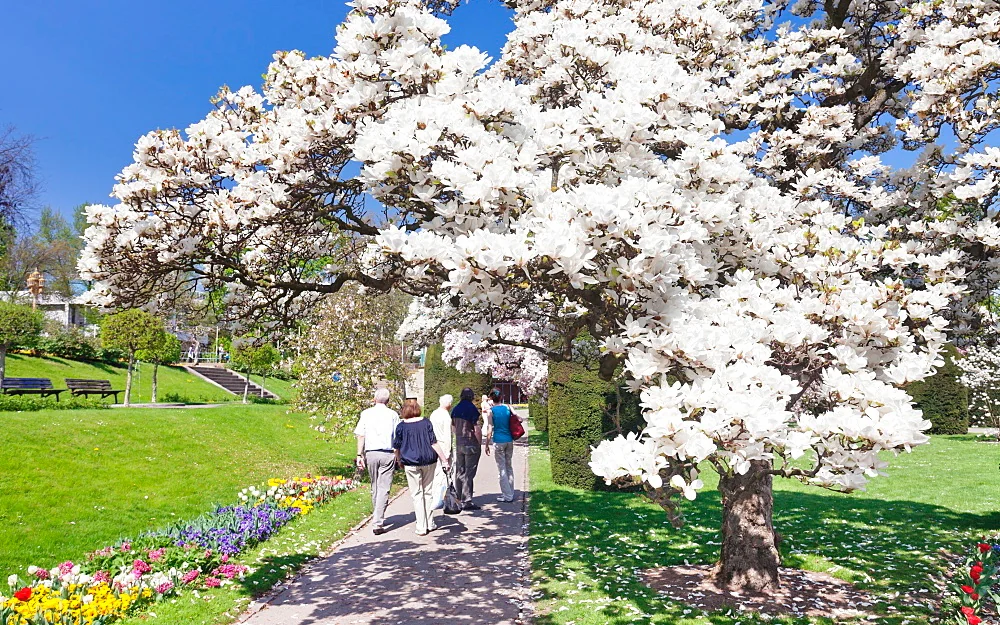
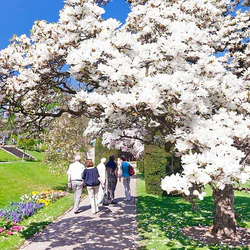
Wilhema is famous for having the largest magnolia garden in Europe, with the number and variety of orchids, camellias, morning glory, fuchsia or cacti and succulent species. . Plants that come from a related group are grouped together in a so-called botanical collection. This is a living plant: not dead and dead plants, but living plants that can be propagated and nurtured.
Wilhelma is also highly regarded as a habitat for wildlife that are not of the zoo's fixed breed. Fox and hare meet in the meadow in the night; During the day, visitors can see all kinds of birds: gray herons and storks are permanent guests at Wilhelma. Sometimes the swan lands in the pond, the mallard is always there. Special "guests" to Wilhelma are green-legged wilds, perching birds, woodpeckers, climbing plants, and kingfishers. And the famous golden-headed amazons always appear with a lot of chirping in the trees here. Visitors to Wilhema, especially families with children, enjoy the lively activities of blackbirds, falcons and "ordinary" sparrows throughout the park. Even squirrels, mink, martens and porcupines find their paradise in Wilhelma, which provides food and shelter for them in the best locations of the city.
Address: Wilhelma 13, 70376 Stuttgart
Opening hours: daily 08:30 - 18:30