


See all results for ""

 Anytime
 Tiếng ViệtEnglish
 한국어
한국어 日本語
日本語 简体中文
简体中文 Français
 Deutsch
 Español
 Italiano
 Русский


 Login for Corporates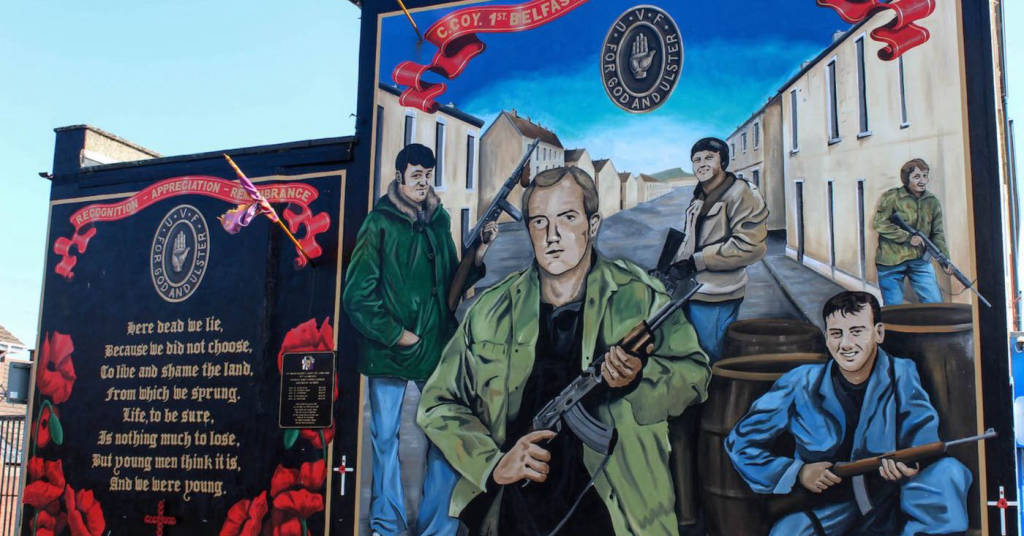
International Wall Murals
 111 Albert St, Belfast BT12 4HG, Vương Quốc Anh
International Wall Murals, The International Wall Murals or the “International Wall” (or “United Wall”) on Divis Street is an impressive collection of peace-themed murals by street artists.
International murals in Belfast, Northern Ireland, have played an important role in the history and cultural identity of the city.
These murals, commonly known as political murals, were used as a form of expression during a period of sectarian violence and political strife in Northern Ireland from the late 1960s to the late 1960s. 1990.
During this period, many Belfast neighborhoods were heavily segregated, with barriers such as walls and fences erected to separate Catholic and Protestant communities. In these neighborhoods there are often large-scale political murals painted on the walls and buildings, depicting the political and cultural beliefs of the respective communities, as well as the history and struggles of their respective communities. their paintings.
One of the most famous examples of these political murals is the one located in the Shankill Road area of Belfast, depicting political and military leaders from Ireland, Palestine and other countries. , as well as a symbol of solidarity with the national cause.
Another famous mural in Belfast is the "Peace Mural", created during the peace process in the late 1990s and early 2000s.
In recent years, a movement has been made to replace political murals with more active and inclusive works of art. This includes murals that celebrate the cultural diversity of the city and promote peace and understanding among different communities.