


See all results for ""

 Anytime
 Tiếng ViệtEnglish
 한국어
한국어 日本語
日本語 简体中文
简体中文 Français
 Deutsch
 Español
 Italiano
 Русский


 Login for Corporates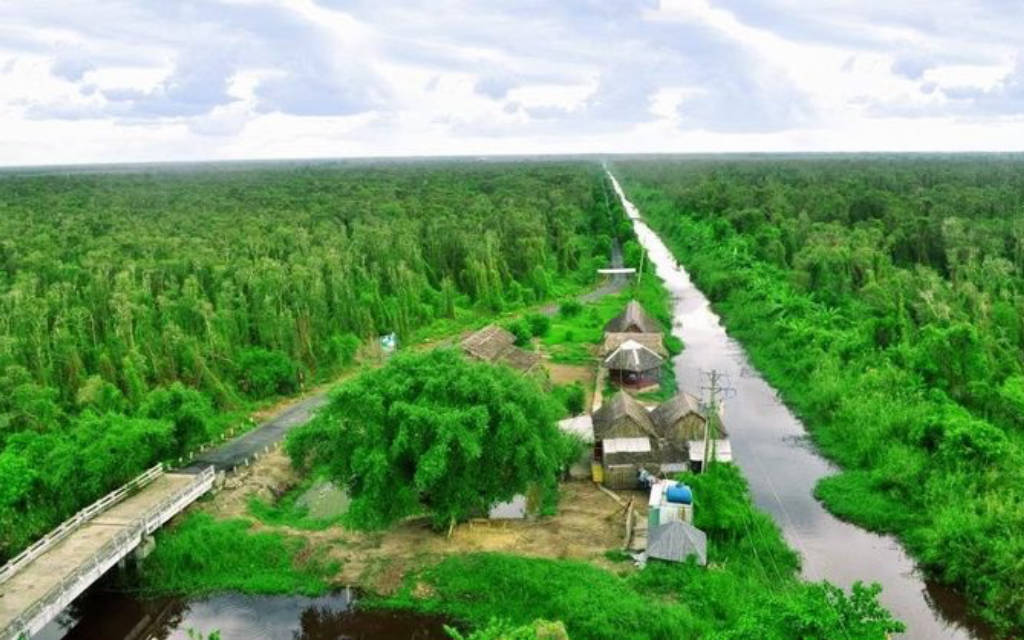
U Minh Ha National Park – A Wonderful Ecotourism Destination
 U Minh Ha National Park, ấp Vồ Dơi, Trần Hợi, Trần Văn Thời, Cà Mau, Việt Nam
U Minh Ha National Park, located in Tran Van Thoi and U Minh districts of Ca Mau province, is one of Vietnam's most important nature reserves, covering an area of up to 8,500 hectares. Recognized as a Ramsar site, it is home to diverse ecosystems and a rich variety of flora and fauna, offering not only ecological value but also historical and cultural significance.
The Pristine Beauty of the Primary Melaleuca Forest
One of the defining features of U Minh Ha is its primary Melaleuca forest. When visiting, tourists will feel as if they are immersed in the wild nature of the region. The vast Melaleuca forest, with its patches of reeds, fragrant flowers, and fresh air, transforms each trip into a unique experience. Visitors can navigate narrow canals in traditional wooden boats, delving deeper into the primary forest and enjoying the silence, accompanied by the natural sounds of birds singing. It is an incredibly peaceful and relaxing space.
In addition to the pristine beauty of the Melaleuca forest, visitors also have the chance to learn about the history and the land reclamation process in the area, from the early pioneers to the progress in conservation and ecotourism development today. Tour guides will share historical stories related to the region, especially focusing on the role of the U Minh Ha forest during the two wars of resistance against French colonialism and American imperialism.
A Rich Ecosystem
U Minh Ha is not only famous for its vast Melaleuca forests but also for its rich wildlife, which includes freshwater fish, pythons, monkeys, deer, and wild boars. These animals contribute to the biodiversity of the forest, while also providing resources for the development of ecotourism in the area. Many rare and endangered species, thanks to the conservation efforts of the National Park, have made U Minh Ha one of the most attractive destinations for nature lovers and wildlife enthusiasts.
Ecotourism at U Minh Ha
Although there are still challenges in developing tourism, U Minh Ha is actively promoting ecotourism tours that offer visitors unique experiences. One of the main attractions is the Huong Tram Ecotourism Area. Here, visitors can experience the peaceful and simple life of the people in rural U Minh, with interesting activities such as catching fish by draining ponds.
The draining ponds season is a distinctive cultural practice of the people of U Minh Ha. During the dry season, when water levels recede, locals drain ponds to catch freshwater fish. Visitors can participate in this process, from catching fish in the drained ponds to grilling them on straw, and enjoy traditional dishes such as sour tamarind soup, water spinach, and grilled fish served with wild herbs.
Another fascinating experience is hunting honey. Visitors can follow the trail of beehives through the Melaleuca and reed forests. Although it may be a little intimidating to hear the buzzing of bees, the excitement of witnessing golden honey dripping from the hives will quickly overcome any fear.
Development of Green Tourism and Nature Conservation
With its diverse ecosystems and beautiful landscapes, U Minh Ha National Park is not only an attractive destination for tourists but also a foundation for the development of green tourism in Ca Mau. The combination of utilizing natural resources with conservation efforts has helped attract growing interest from both domestic and international visitors. Local products are also gaining more value through tourism, helping to improve the lives of the local communities.
U Minh Ha National Park is not just a tourist destination but also a symbol of the integration of conservation and ecotourism development. Nature lovers and those interested in learning about the history and culture of southern Vietnam should definitely not miss the opportunity to visit and experience this special forest.