


See all results for ""

 Anytime
 Tiếng ViệtEnglish
 한국어
한국어 日本語
日本語 简体中文
简体中文 Français
 Deutsch
 Español
 Italiano
 Русский


 Login for Corporates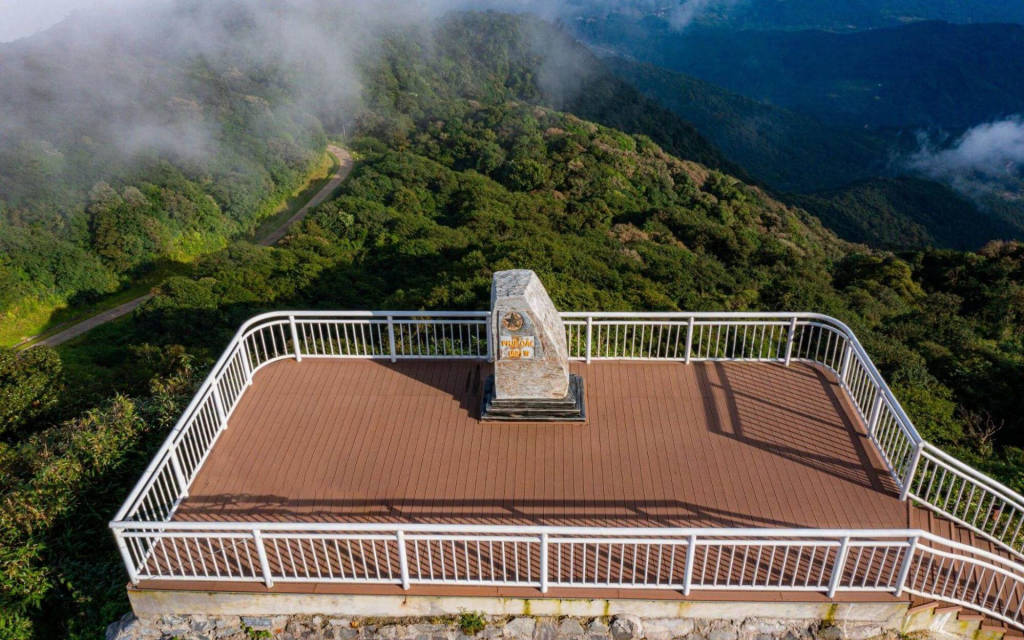
Phia Oac – Phia Den National Park
 Thanh Cong Commune, Quang Thanh Commune, Phan Thanh Commune, and Hung Dao Commune, Nguyen Binh District.
Discover Phia Oac – Phia Den National Park, home to Cao Bang’s highest peak, a diverse special-use forest ecosystem, remnants of French colonial villas, and the rare phenomenon of frost and snowfall.
1. Overview of Phia Oac – Phia Den National Park
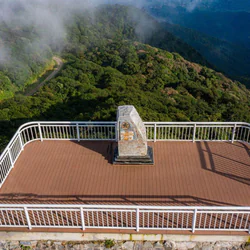
Phia Oac – Phia Den National Park is located in Nguyen Binh District, Cao Bang Province, and forms an important part of the UNESCO Global Geopark Non Nuoc Cao Bang. Covering a total area of more than 10,000 hectares, the park is often referred to as the “green gem” or the “Da Lat of Northern Vietnam” thanks to its year-round cool climate and majestic natural scenery. Phja Oac Peak, rising to an elevation of 1,931 meters above sea level, is the “roof” of Cao Bang Province, where visitors can seemingly touch the clouds and admire sweeping views of the layered mountains of the Northeast.
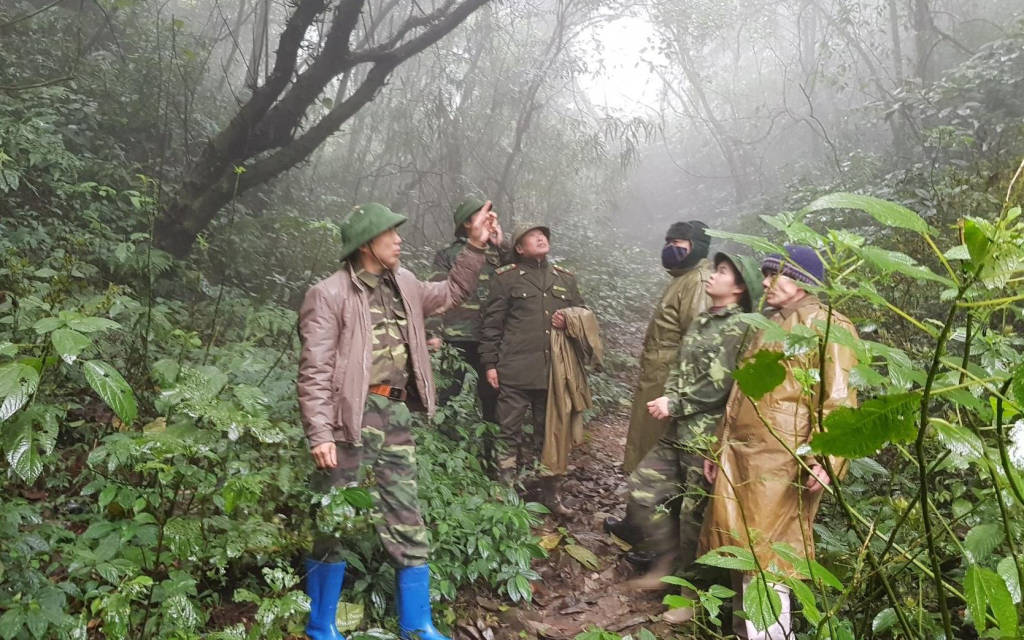
The ecosystem here is exceptionally diverse, featuring special-use forests, tropical and subtropical evergreen rainforests. The national park preserves numerous valuable genetic resources, with hundreds of plant and animal species listed in the Vietnam Red Data Book, such as yellow cypress, Anoectochilus orchids, the Cao Vit gibbon, and serow. In particular, the combination of high mountain ranges and deep valleys has created a richly varied terrain that is both rugged and poetic.
2. Unique Historical and Cultural Imprints
Beyond its natural beauty, Phia Oac – Phia Den also carries long-standing historical and cultural values, closely associated with the period of mineral exploitation and mountain retreats during the French colonial era.
2.1. Remnants of French Colonial Villas and Old Mining Sites
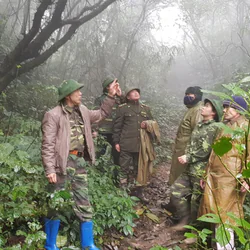
In the early 20th century, the French recognized the area’s potential for both mineral resources and resort development. Today, visitors can still find the ruins of old mansions and colonial villas hidden amid mist and dense forests in the Phja Den area. Former tin and tungsten mines also stand as evidence of a once-bustling era, adding a nostalgic charm to the park’s pristine wilderness.
2.2. Indigenous Culture and Kolia Tea Hills
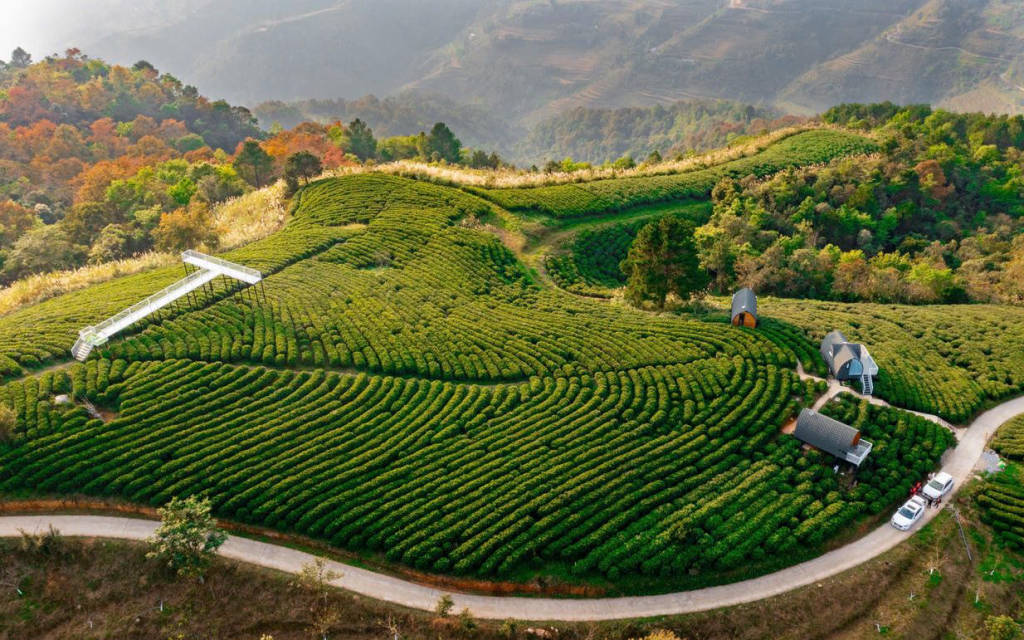
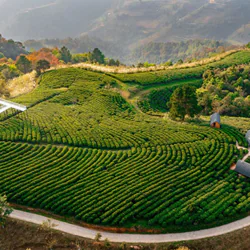
At the foot of the mountains lies the long-established homeland of the Tien Dao and Red Dao ethnic communities, whose cultural identity is vividly expressed through traditional costumes and handicrafts. One unmissable highlight is the Kolia tea hill at an altitude of 1,300 meters. The lush green tea rows winding along the mountain slopes not only produce a fragrant specialty tea, but also serve as a stunning check-in spot for visitors.
3. Location Guide and Exploration Routes
The national park is located about 70km west of Cao Bang City, along the province’s western tourism route.
3.1. Routes and Transportation
From Cao Bang City, travelers follow National Highway 34 toward Nguyen Binh District. The road to the national park is now fully paved; however, the route from the district center up to the mountain peaks is quite steep with many sharp curves. Motorbikes or high-clearance vehicles are the best options, allowing visitors to comfortably stop for photos along winding roads shaded by ancient trees.
3.2. Cloud Hunting and Snow Viewing Experiences
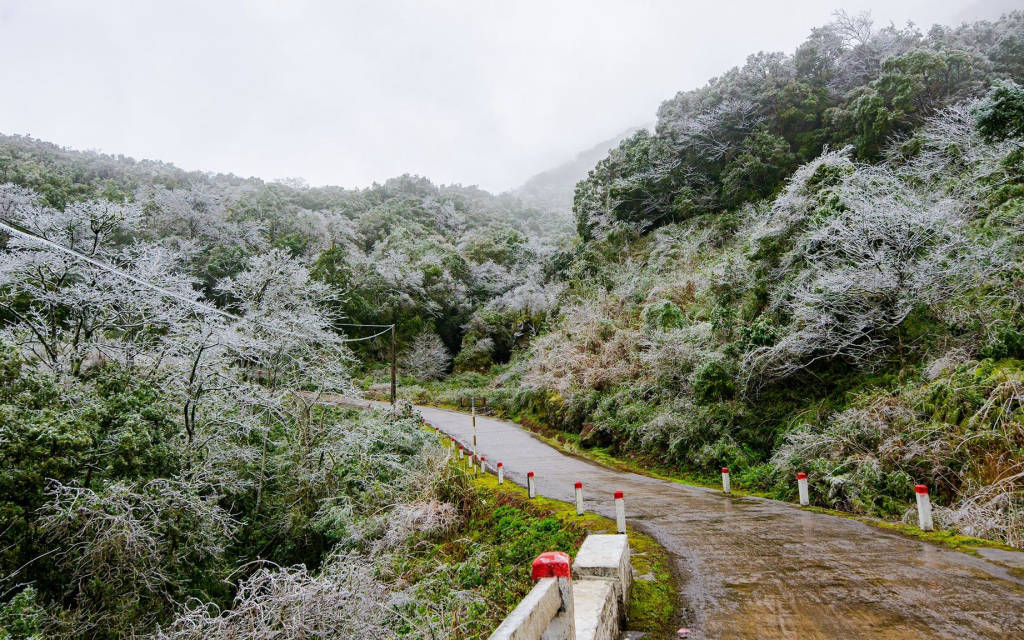
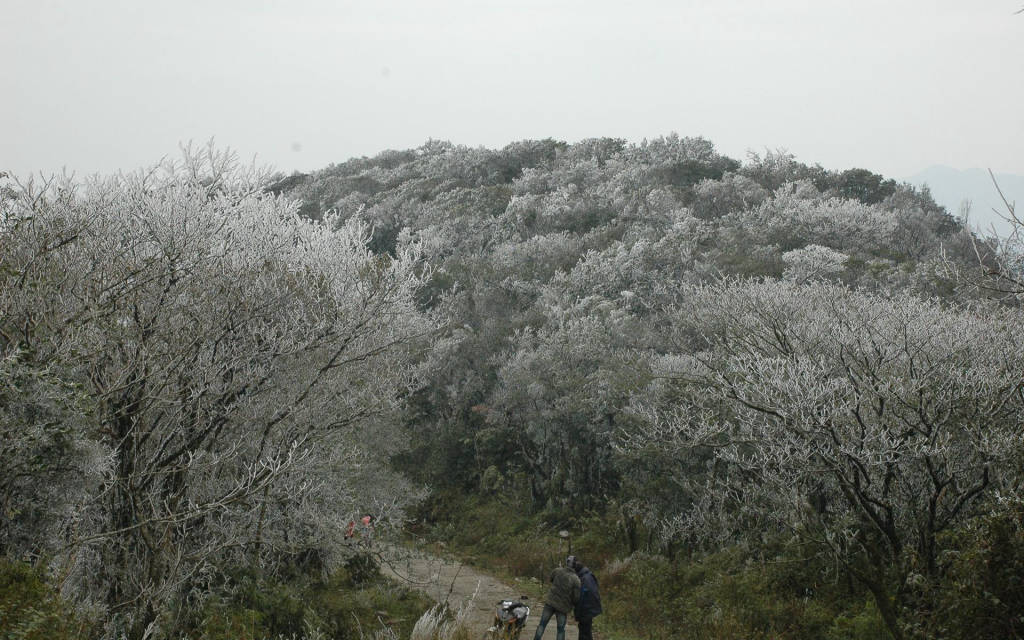
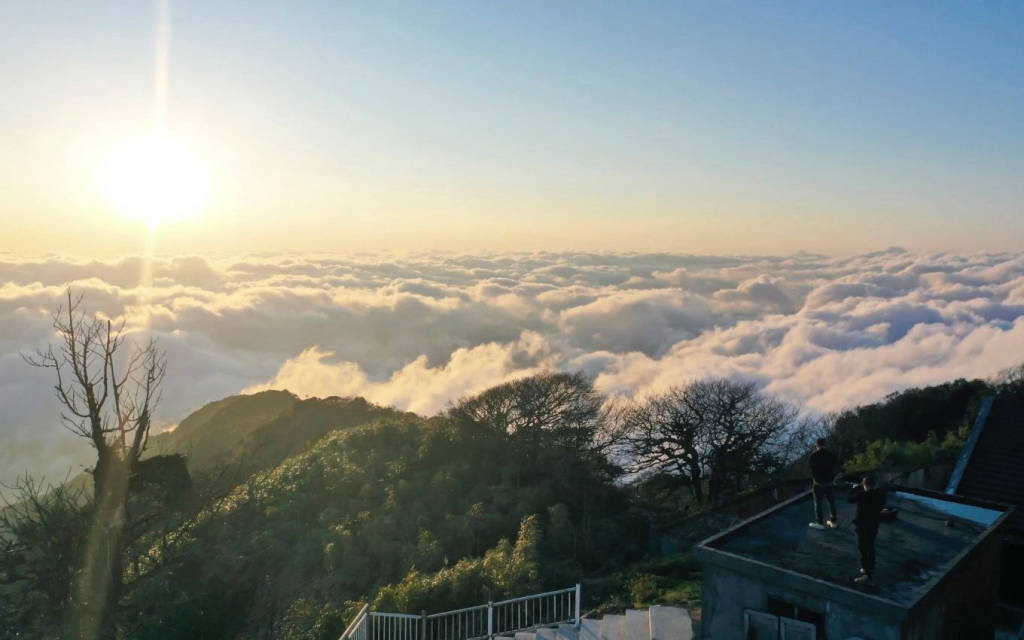
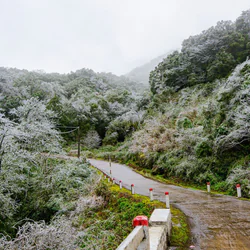
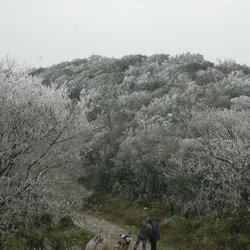
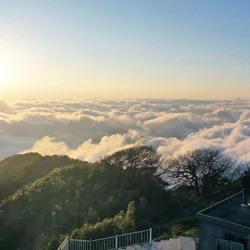
Phia Oac Peak is one of the most beautiful cloud-hunting spots in northern Vietnam. On favorable weather days, seas of clouds drift across the valleys, creating the sensation of standing in a mythical realm. In winter, when temperatures drop below 0°C, Phia Oac becomes one of the rare places in Vietnam to frequently experience frost and snowfall, attracting numerous visitors eager to witness the magical white landscapes.
4. Tips for a Complete Phia Oac – Phia Den Experience
To fully immerse yourself in nature while ensuring safety, visitors should keep the following practical tips in mind.
4.1. Appropriate Clothing and Physical Preparation
Due to significant elevation differences, temperatures in the national park are noticeably lower than in the lowlands. Even in summer, the air at higher elevations can be quite cool, so bringing a light jacket is recommended. If planning a winter visit to chase snow, insulated jackets, scarves, and heat packs are essential. Additionally, sturdy sports shoes with good grip will be reliable companions on forest trails and rocky slopes.
4.2. Embracing Nature in Its Purest Form
Phia Oac – Phja Den is an ideal destination for “forest bathing” journeys that help relax both body and mind. Instead of only checking in at landmarks, take time to stroll slowly beneath ancient, moss-covered trees, breathe in the fresh scent of foliage, and listen to birdsong echoing through the forest. To preserve this pristine environment, be a responsible traveler: take all trash with you, do not pick orchids or rare plants, and respect the profound silence of the great mountains.