


See all results for ""

 Anytime
 Tiếng ViệtEnglish
 한국어
한국어 日本語
日本語 简体中文
简体中文 Français
 Deutsch
 Español
 Italiano
 Русский


 Login for Corporates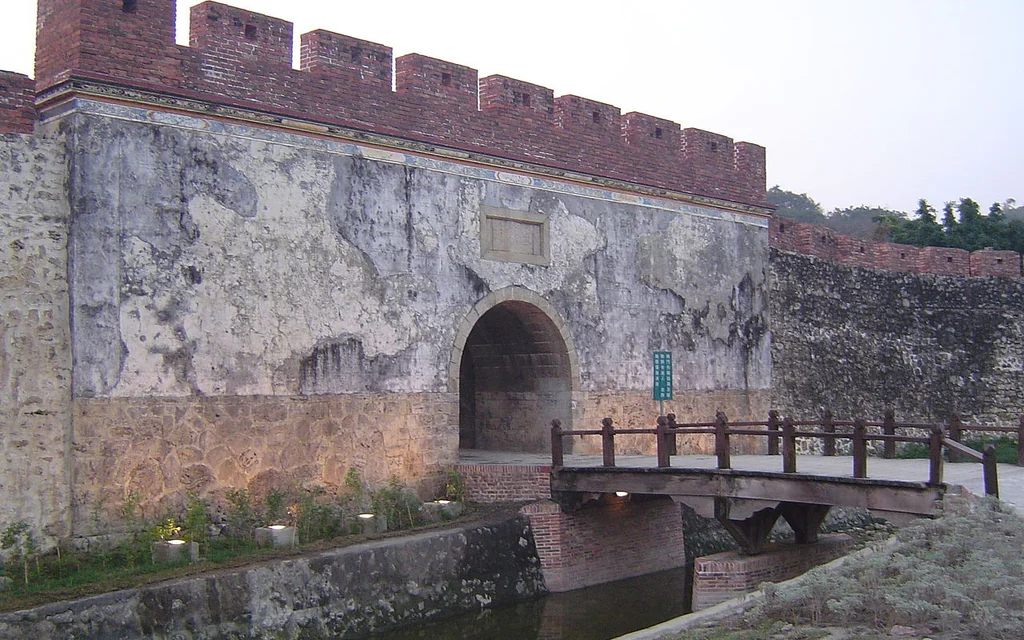
Old City of Zuoying
 Old City of Zuoying, Zuoying District, Kaohsiung City, Taiwan 813
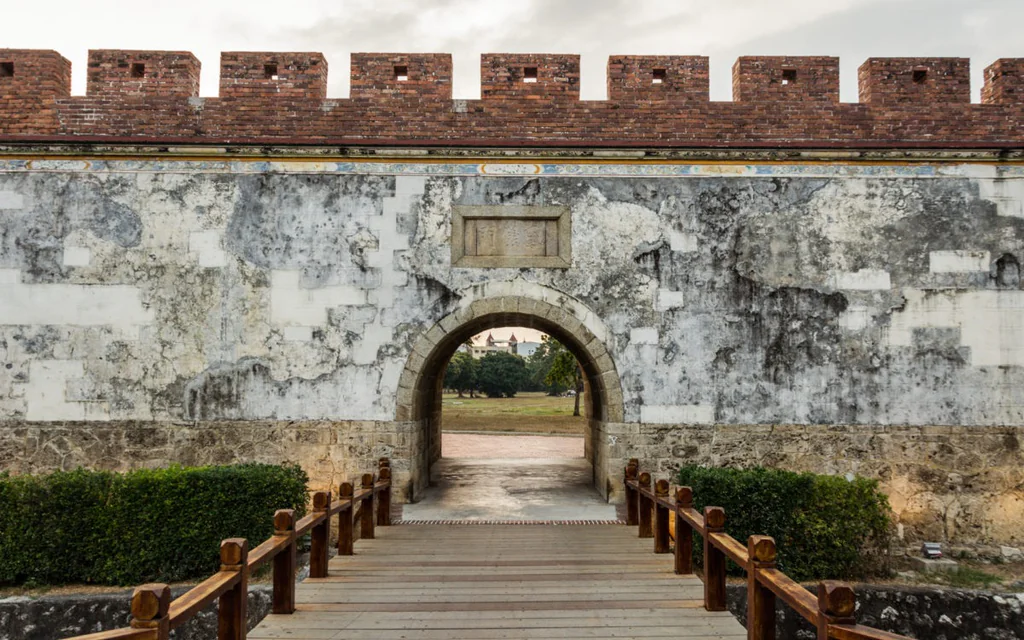
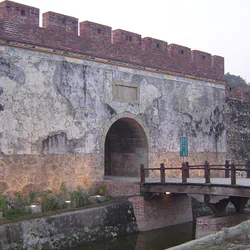
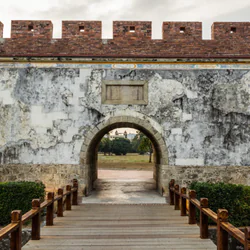
Located about a 30-minute drive southwest of Kaohsiung city center, Phungshan ancient citadel was built when the Qing dynasty ruled Taiwan, with a system of solid defensive walls surrounded by stone. Inside poured concrete, the roof of the citadel is Hoa Cuong brick. It is a national historical site of Taiwan and a must-see attraction for those interested in the formation and development of Taiwan's history.
In 1684, Taiwan was officially incorporated into the Chinese government and was dominated by the Qing dynasty, creating a strategic advantage for the Fengshan district. Possessing an important position in the center of the Kaohsiung Plain with majestic mountains such as Tortoise Mountain and Snake Mountain, Phungshan District was chosen by the Qing Dynasty to build a fortified stronghold to prevent resistance. destruction of the rebels.
After the rebellion in 1721, the Qing Dynasty began to build the first mud wall and moat system, completed in 1722. In the following years, the wall was repeatedly demolished. It was not until 1824 that the government could begin to gather human and material strength to rebuild a solid wall in present-day Phung Son district. In 1826, a solid wall made of stone and granite was completed including 4 gates: East, West, South, North. At that time, this was the most solid and extremely strong stronghold system. Inside the citadel is the concentration of important administrative offices of the court and the temples of Confucius and Guan Yu.
Inside the new walled city are important government buildings such as administrative offices, recording offices and defense offices; as well as temples dedicated to the sea goddess Matsu, Confucius, and General Guan Yu.
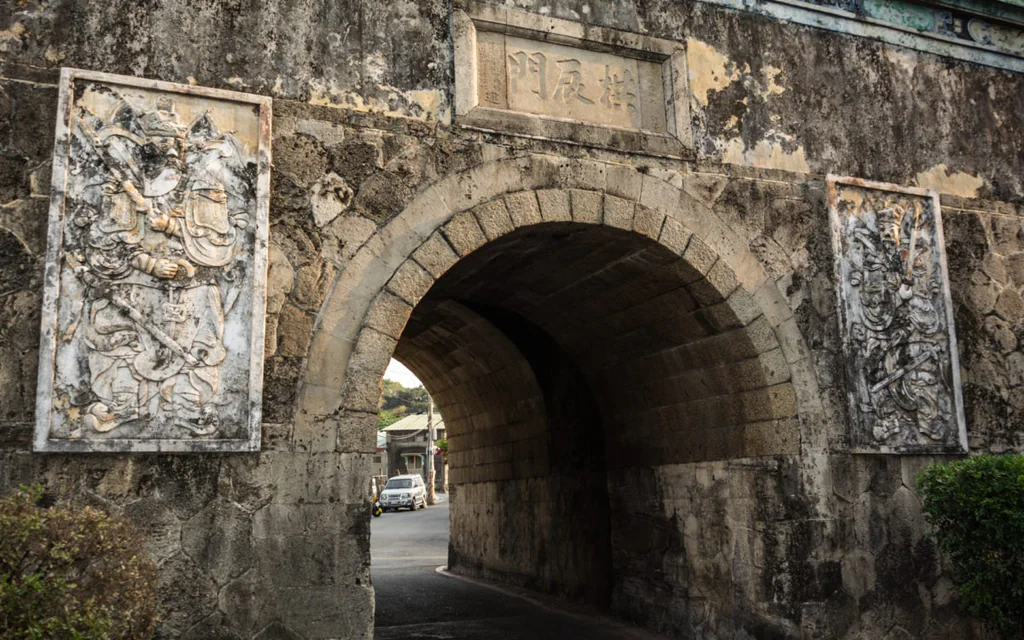
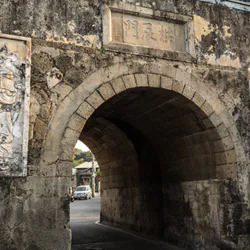
Today, Phung Son ancient citadel is a national historical value, attracting thousands of tourists every year. In 1985, the North, South and East Gate were recognized as a national historical relic. The North Gate (Gongchen Gate) features two sculptures of the two gatekeepers Shenshu and Yulü; and especially an ancient well with an age of nearly 200 years that provided the main source of water for local people during the Qing Dynasty. South Gate (Ciwun Gate) with walls built of granite. The East Gate (Fongyi Gate) is the best preserved gate, part of the great wall connecting the East Gate still stands today, with many vines growing up. The West Gate was completely destroyed during the war with the Japanese and now no longer exists, at this location only a memorial was built in 2004 by Frank Hsieh when he was mayor of the city. .
Fengshan Citadel is reminiscent of important periods in Taiwan's history. Inside are the ruins of a military fortress built in the mid-1600s, a beautiful lotus pond, and the ancient Temple of Confucius.
From the city center of Kaohsiung, you can take a taxi or use public transport to visit the ancient city of Fengshan, then continue your journey to explore Cijin Island, one of the areas with a calendar. Kaohsiung city has a long history of formation and development, where visitors can explore some important historical sites such as ChiHou Fort, ChiHou Lighthouse and Thien Hau Temple.