


 Tiếng ViệtEnglish
 한국어
한국어 日本語
日本語 简体中文
简体中文 Français
 Deutsch
 Español
 Italiano
 Русский


 Login for Corporates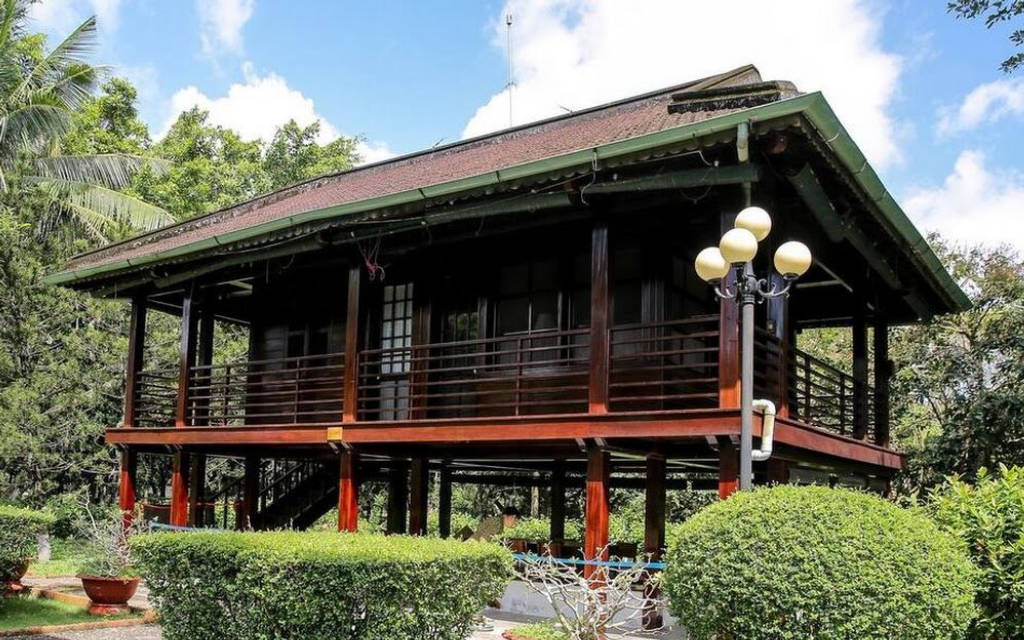
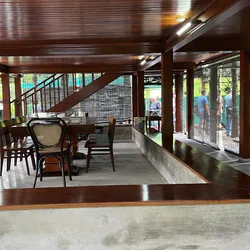
Uncle Ho's stilt house
 Hoang Hoa Tham Street, Ngoc Ha Ward, Ba Dinh District, Hanoi City, Vietnam
Uncle Ho's Stilt House in Hanoi is an important historical relic where President Ho Chi Minh lived and worked during the last years of his life. Located in the Ho Chi Minh Mausoleum relic site, the stilt house represents simplicity and closeness to nature, reflecting his modest lifestyle and ideology. This is a destination not to be missed when visiting Hanoi.
Ho Chi Minh's Stilt House – A Prominent Historical Site in Hanoi
Ho Chi Minh's Stilt House is one of the outstanding historical monuments in Hanoi. This is where President Ho Chi Minh lived and worked during the final years of his life. The Stilt House is not only a place that holds many memories of his life and career but also a special architectural work that reflects his simple heart and wise leadership.
1. Introduction to Ho Chi Minh's Stilt House
Ho Chi Minh's Stilt House is located within the Ho Chi Minh Memorial Complex, next to his mausoleum, where daily memorial services are held. This site is closely associated with the final years of President Ho Chi Minh's life. The construction of the house began on March 2, 1958, when President Ho visited the Thai Nguyen agricultural cooperative and recalled his time in the Viet Bac base. After the end of the resistance war against the French, he refused to live in the Presidential Palace and proposed the construction of a stilt house. The Politburo decided to build the house for him, designed by architect Nguyen Van Ninh. The stilt house was started on April 15, 1958, and completed on May 17, 1958.
The stilt house has a special design, simple and close to nature, reflecting his life philosophy. The house is made of wood, with a thatched roof, and has a one-floor structure, creating a spacious, quiet space that blends with the surrounding landscape. The house has a fish pond in front and a fruit garden in the back. After his passing, Ho Chi Minh's Stilt House became a national historical and cultural site, classified on May 15, 1975.
2. Architecture of Ho Chi Minh's Stilt House
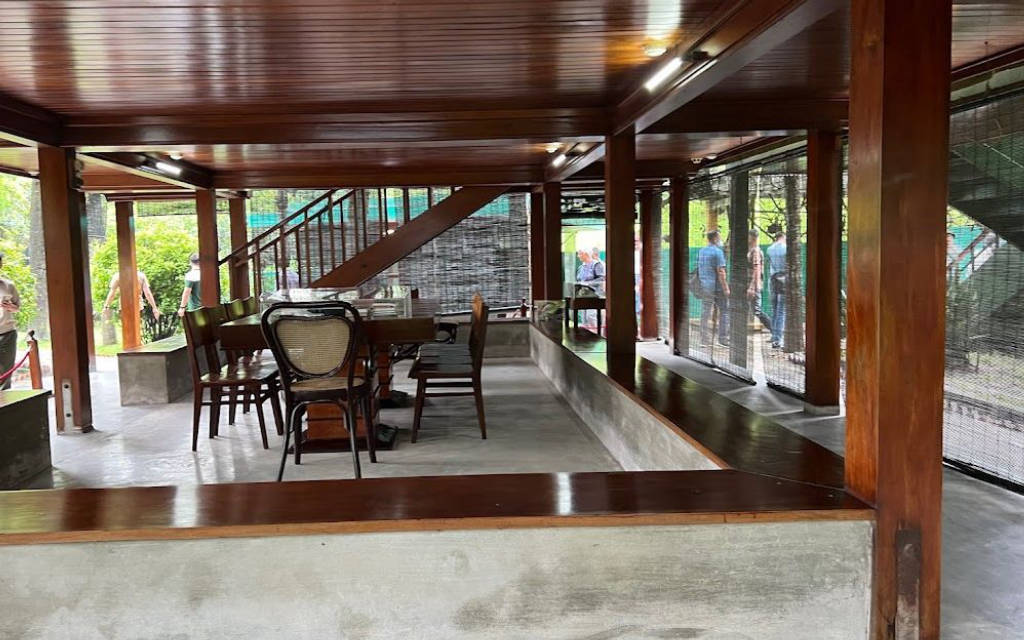
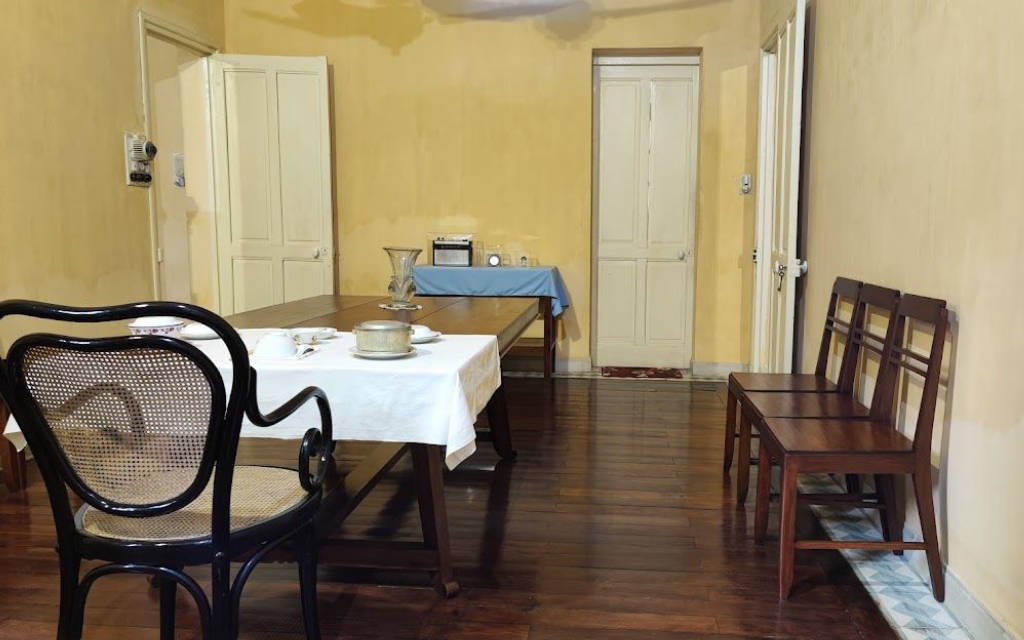
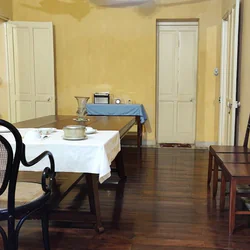
Despite its small size, Ho Chi Minh's Stilt House embodies the simplicity and closeness of a humble leader. The house is mainly made of wood, with a simple interior that includes basic items such as a bed, table, chairs, and a document cabinet. Although modest, it is neat and convenient, meeting Ho Chi Minh's daily living needs. The roof is thatched with palm leaves, creating a cool feeling in the summer and warmth in the winter. Moreover, Ho Chi Minh loved nature, so the house is surrounded by lush green trees, creating a peaceful and relaxing space.
The special thing about this place is that there are no luxurious or expensive items; everything is simple and humble, reflecting Ho Chi Minh's personality and lifestyle. On his worktable, there is a photo of himself, an alarm clock, and some other small items.
3. Activities in the Stilt House
When visiting Ho Chi Minh's Stilt House, you will clearly see his very simple life. He did not live in a luxurious villa like many other leaders but chose to live in a modest house, close to nature, to stay connected with the people and maintain the simplicity of a communist leader.
In particular, you will see where he worked, read books, and welcomed visitors. The images of him working with a cup of tea or receiving guests are still preserved in photographs. These photos show Ho Chi Minh as not only a great leader but also a great teacher to the Vietnamese people.
4. Historical Stories at the Stilt House
Ho Chi Minh's Stilt House is not just a place for keeping memories; it is also the site of many important events in Vietnam's revolutionary history. In 1965, during the fierce anti-American war, Ho Chi Minh continued to work to direct the resistance and solve important national issues. This place witnesses important decisions, touching stories of patriotism, and sacrifices for the nation.
Furthermore, the Stilt House is where he received international leaders, revolutionary activists, scholars, and intellectuals. Despite being busy with national affairs, Ho Chi Minh always maintained a humble, simple attitude and was ready to share valuable experiences with younger generations.
5. Visiting Ho Chi Minh's Stilt House
When visiting Ho Chi Minh's Stilt House, you will be guided by tour guides who will share interesting stories about his life, personality, and the lessons he left for the nation. Additionally, you will admire the space where he lived and worked, feeling his closeness and friendliness.
You can also visit other areas within the Ho Chi Minh Memorial Complex, including his mausoleum, Hoan Kiem Lake, Northern Vietnam-style stilt houses, and museums related to Ho Chi Minh. All are important destinations in the journey to learn about Vietnamese history and culture.
6. Significance of Ho Chi Minh's Stilt House
Ho Chi Minh's Stilt House is not only a historical monument but also an inspiration for generations of Vietnamese people. It represents simplicity, patriotism, the spirit of sacrifice, and dedication to the nation. This place helps us understand more about his life, thoughts, and ethics, thereby instilling national pride and responsibility.
7. Conclusion
Ho Chi Minh's Stilt House is one of the must-visit destinations in the journey to learn about the life and career of President Ho Chi Minh. This place is filled with memories and signsance, where you can hear stories about a great man who lived simply and loved his people. If you have the opportunity to visit Hanoi, do not forget to visit Ho Chi Minh's Stilt House to understand more about this leader of Vietnam.
Opening Hours:
• Every day except Monday.
• Summer: Morning (November - March next year): 7:30 AM - 11:00 AM; Afternoon: 1:30 PM - 4:00 PM
• Winter (April - October): Morning: 8:00 AM - 11:00 AM; Afternoon: 1:30 PM - 4:00 PM
Admission Fees:
• Vietnamese visitors: Free
• International visitors: 40,000 VND/visitor