


See all results for ""

 Anytime
 Tiếng ViệtEnglish
 한국어
한국어 日本語
日本語 简体中文
简体中文 Français
 Deutsch
 Español
 Italiano
 Русский


 Login for Corporates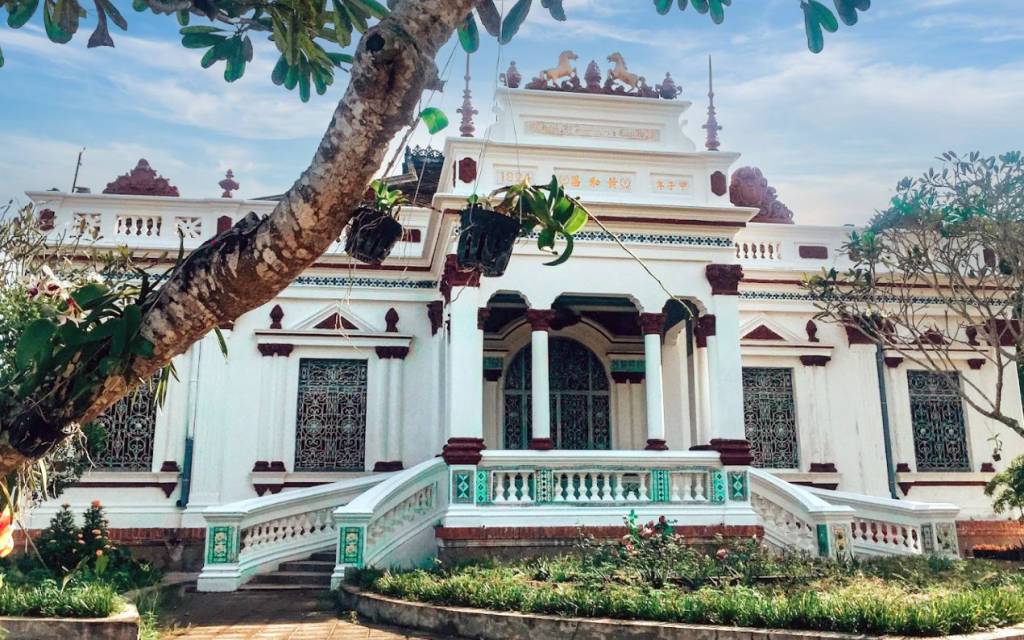
The Mansion of Huynh Ky (Cau Ke Ancient House)
 Hamlet 2, Cau Ke town, Cau Ke district, Tra Vinh province, Vietnam
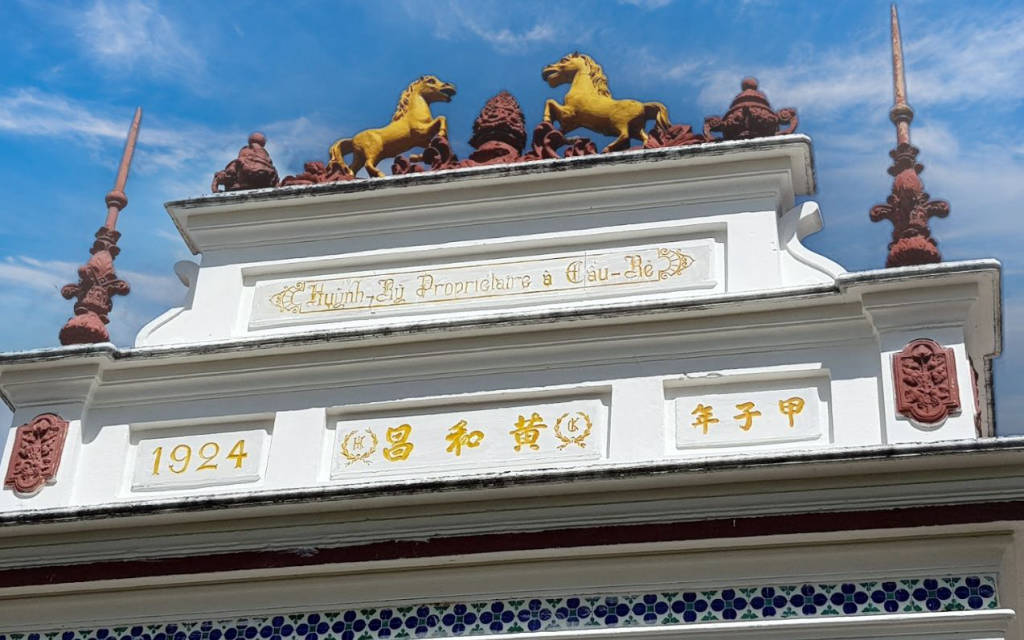
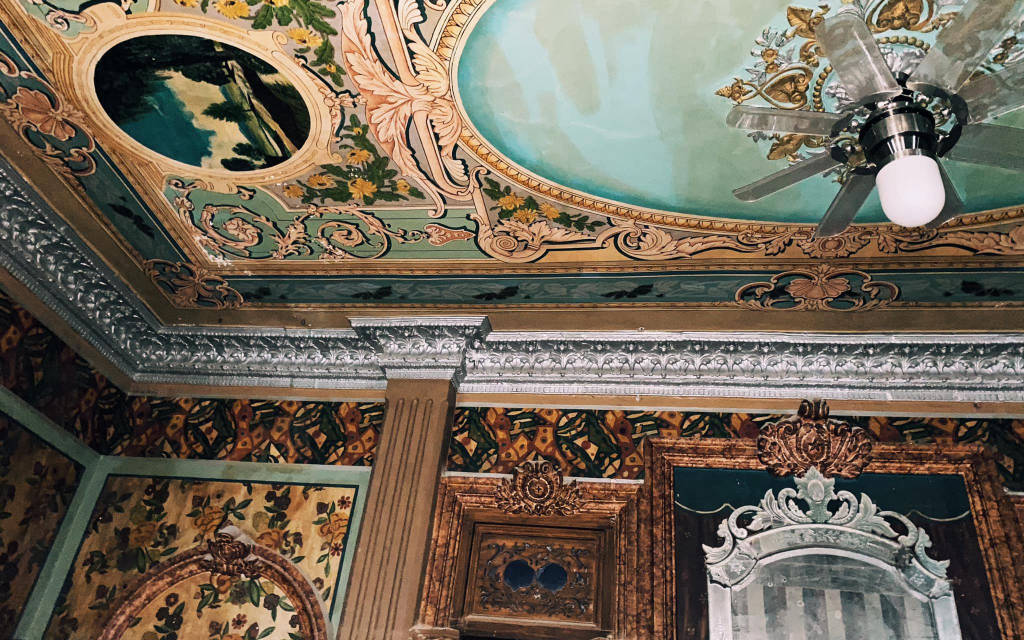
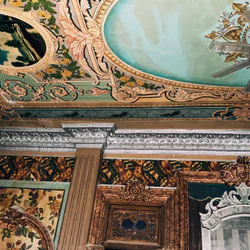
The Mansion of Huynh Ky, also known as Cau Ke Ancient House, located in Cau Ke town, Tra Vinh province, is a mansion with an architectural fusion between Vietnamese tradition and 20th century French style. Built in 1924, the ancient house stands out with its sophisticated interior, airy ceiling, and unique reliefs. As a typical architectural symbol of the Southwest region, this place still preserves unique historical and cultural values.
The Mansion of Huynh Ky, also known as the Cau Ke Ancient House, is a remarkable architectural structure rich in historical value from the Mekong Delta region. Located in Hamlet 2, Cau Ke Town, Cau Ke District, Tra Vinh Province, the house was constructed in 1924 under the direction of Governor's Rank Huynh Ky. This house is not only a residential building but also a symbol of the fusion between traditional Vietnamese architecture and Western styles, reflecting the transition between the 19th and 20th centuries. In 2011, it was recognized by the Tra Vinh Provincial People's Committee as a provincial-level cultural and architectural heritage site.
1. History of Construction and the Owner
The Mansion of Huynh Ky was once the home of Governor Ham Huynh Ky, a prominent figure in the local history. The house was designed by French architects but retains strong Eastern cultural elements. This blend represents a perfect fusion of modernity and tradition at the beginning of the 20th century.
Huynh Ky was particularly meticulous in selecting the location for the house, which is located in an ideal spot—close to the market, the river, and the road—overlooking a space with "Thuan Thanh" (purity), a reflection of harmony between nature and mankind.
2. Exterior Architecture – A Fusion of French and Vietnamese Elements
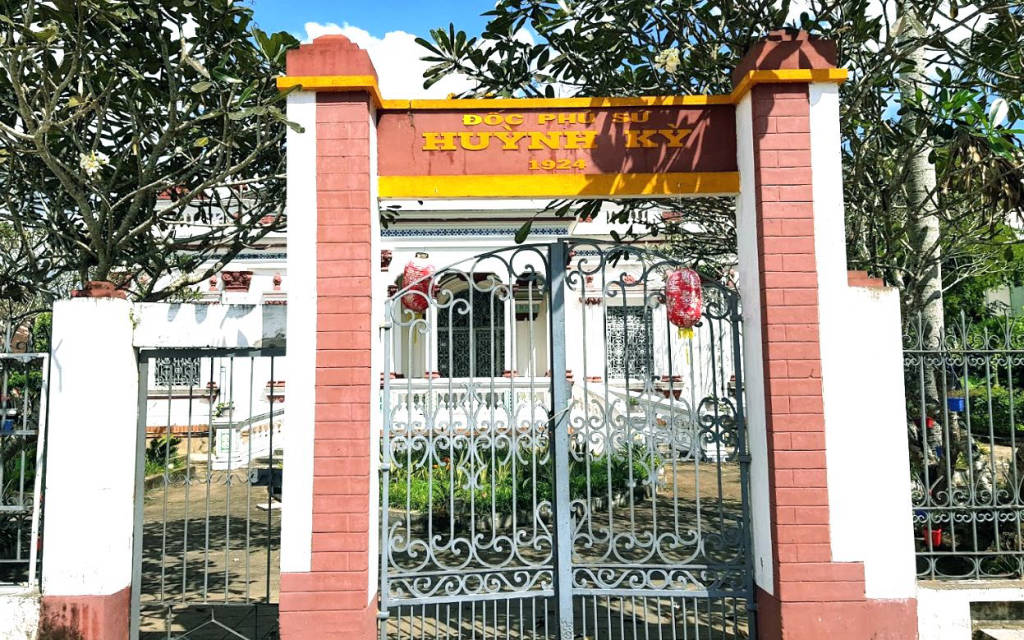
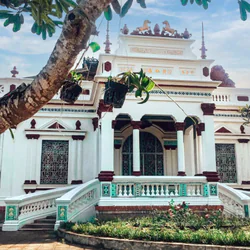
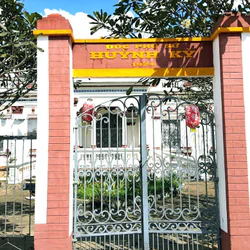
As visitors enter the house's premises, they will notice the area is surrounded by a solid brick fence, with gate pillars made of brick and a steel gate. The front yard is spacious and lush, with flower gardens creating a refreshing atmosphere. The house's front façade stands out with a protruding entrance hall, decorated with exquisite reliefs on the top of the columns and ceiling.
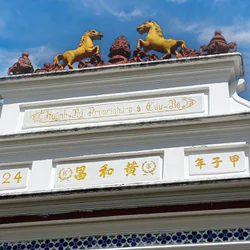
The balcony is adorned with ceramic tiles and decorated with symmetrical columns, contributing to the overall harmony and beauty. Notably, the house's staircase is designed in an arch shape with seven steps, which is both graceful and grand. The main entrance features a double-layered French-style door at the center, flanked by side doors with wooden screens, creating a sense of privacy and good feng shui.
3. Interior – A Fusion of Modernity and Tradition
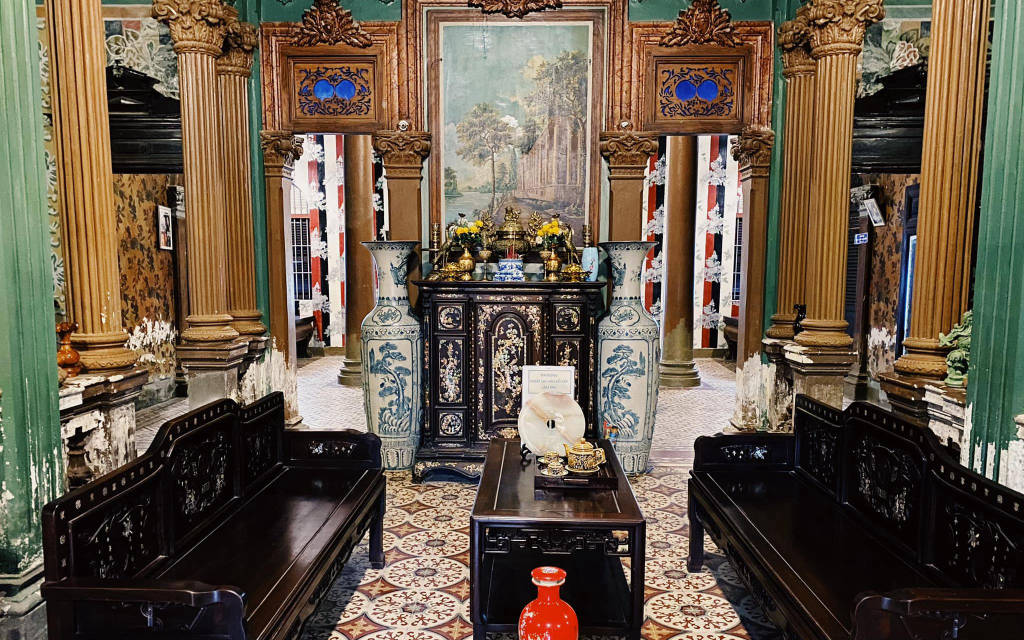
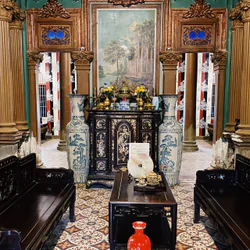
The main house, constructed in a rectangular shape measuring 20 meters in length and 18 meters in width, consists of five sections. It is divided into two parts: the front section, which serves as the living and reception area, and the back section, which is a private space for rest. The design follows the "external guest, internal family" concept, reflecting traditional Eastern culture. In the front living room, a shrine to the ancestors is prominently placed in the center of the room. On either side are tables and chairs for guests and tea ceremonies. Notably, on the left side is a space reserved for the family tutor—a rare feature that highlights the importance of education in the Huynh Ky family.
In the back part of the house are the bedrooms for Huynh Ky and his wives, Lam Thi Ben (Luc Thi Nguyet) and Duong Thi Huon (Duong Thi Long), as well as the young Huynh Yen. The columns, doors, and wall joints are intricately carved with floral and vine patterns. The walls and ceiling are adorned with paintings depicting the "Fisherman, Woodcutter, Farmer, and Herdsman" and landscapes of mountains, rivers, and boats, painted by artist Ba Phu in 1938. A special feature of the house is its ceiling, which is made of a wooden frame, wire mesh, and lime plaster, instead of the usual concrete, providing excellent thermal insulation. Thanks to the ventilation holes in the ceiling, the house remains cool and comfortable even during the hot summer months.
4. Cultural and Historical Value
The Mansion of Huynh Ky is not only the former residence of the Huynh Ky family but also represents a pivotal period in Vietnamese architecture, from tradition to modernity. Every detail of the house holds deep significance—from the traditional Vietnamese interior arrangement and the paintings of nature, to the delicate French-style architecture reflected in the decorative motifs and ceramic tiles. The house is also deeply connected to the history of Tra Vinh, serving as a repository for stories about the life of a prestigious family, and reflecting the prosperity of Southern society in the early 20th century.
5. Visitor Experience
When visiting The Mansion of Huynh Ky, guests will not only admire the unique sculptures and paintings but also learn about the lives of the Southern elite in ancient times. The house's solemn and ancient atmosphere will transport visitors to a bygone historical period, where Eastern and Western cultures are beautifully intertwined.
In addition to the The Mansion of Huynh Ky, Cau Ke District offers many other fascinating destinations such as Tan Quy Islet, O Mich Pagoda, and the Memorial to the heroine Ut Tich—places rich in the culture and history of Tra Vinh.
The Mansion of Huynh Ky is not just an architectural heritage but also a vibrant testament to the history, culture, and people of Tra Vinh. A visit here is sure to leave visitors with unforgettable impressions.
We wish you an exciting and emotional journey during your visit!