


See all results for ""

 Anytime
 Tiếng ViệtEnglish
 한국어
한국어 日本語
日本語 简体中文
简体中文 Français
 Deutsch
 Español
 Italiano
 Русский


 Login for Corporates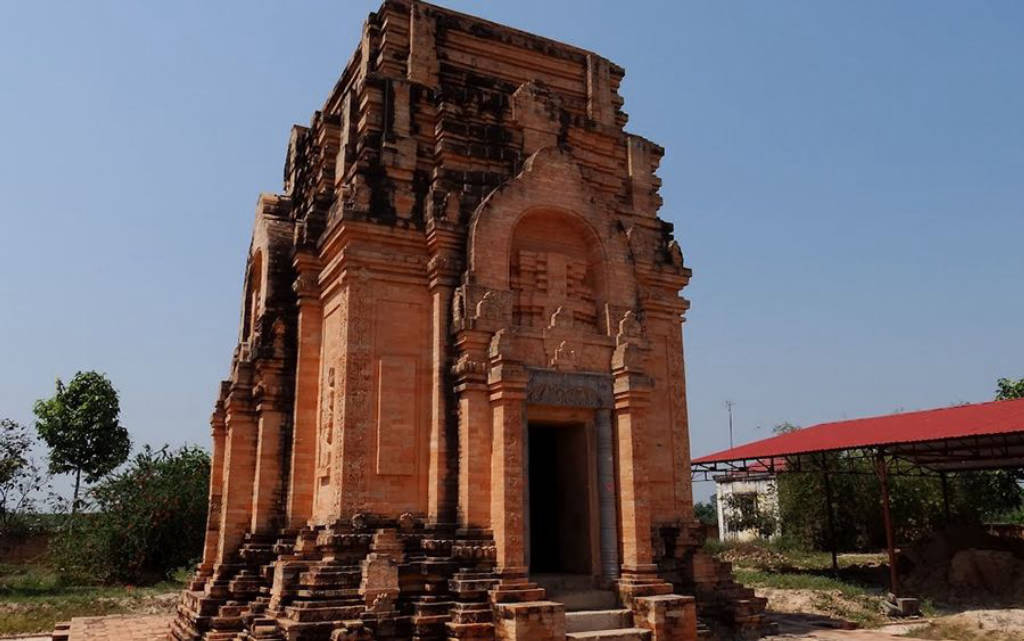
Chop Mat Tower
 F276+F3P, ấp Xóm Mới, Tân Phong, Tân Biên, Tây Ninh
Greetings, dear travelers! Today, we will embark on a journey to explore one of Tay Ninh’s most mysterious and culturally valuable historical sites – Chop Mat Tower. This is an ideal destination for those who love to wander, delve into history, and experience travel freely at their own pace.
Location and Historical Background
Chop Mat Tower is situated in Tan Phong Commune, Tan Bien District, Tay Ninh Province, near the Vietnam-Cambodia border. Built around the 8th to 9th centuries during the Oc Eo civilization – a thriving ancient culture of the Cham people in Southeast Asia – the tower stands as a testament to the blend of cultural and religious influences across regions.
Historically, the Cham people constructed many temples and towers across southern Vietnam, with Chop Mat Tower being one of the few remaining structures. The tower symbolizes the culture, beliefs, and devotion to Hindu deities such as Shiva and Vishnu, reflected through its unique architecture and intricate carvings. For those who have a passion for history, Chop Mat Tower is an essential stop when visiting Tay Ninh.
Unique Architecture
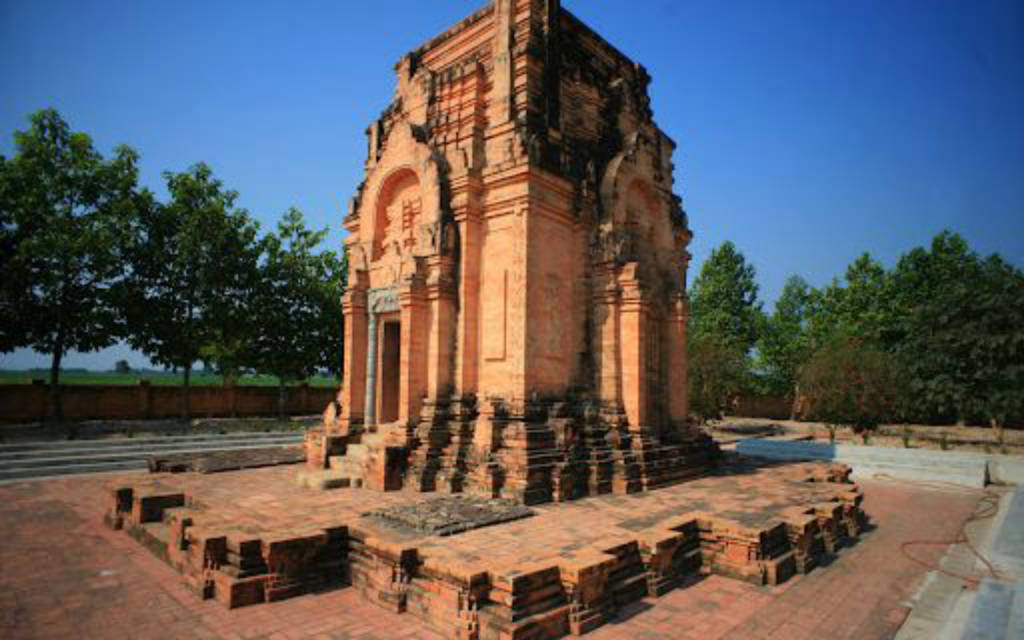
Upon arrival, visitors will immediately notice the distinct architectural style of the Cham civilization. The tower stands about 10 meters high with a sturdy foundation and a striking pyramidal shape. What’s especially remarkable is that the bricks used to build the tower are bound without any adhesive, yet they interlock seamlessly, lending the tower durability through the centuries.
Chop Mat Tower is adorned with intricate carvings, from depictions of deities to spiritually significant motifs. These delicate details reflect the artistry and religious culture of the ancient Cham people.
Exploring Chop Mat Tower – A Personal Journey
Chop Mat Tower is not only a place to admire ancient architecture but also an ideal stop for free-spirited travelers. Here, visitors can freely explore every corner, take memorable photos, or simply sit back to enjoy the tranquil atmosphere and appreciate the serene, ancient beauty of the monument. It is a perfect destination for those who enjoy traveling at their own pace, without the constraints of a strict schedule.
Tips for a Free-Spirited Visit to Chop Mat Tower
Since Chop Mat Tower is located in a remote rural area, travelers should come prepared for a fulfilling experience. The path to the tower is fairly accessible, yet bringing essentials such as water, light snacks, and other necessities is recommended, as there are few nearby shops or tourist services.
Additionally, the tower’s natural surroundings make it suitable for hiking, mountain climbing, or even camping. Travelers can bring tents to savor the peace, listen to the rustling trees, and immerse themselves in the untouched beauty and mystery of this region.
Historical and Cultural Significance
Chop Mat Tower is not just an ancient architectural monument but a place of immense cultural and historical value. It preserves the legacies of the ancient Oc Eo civilization, a precious heritage of the Vietnamese people. Visitors come here not only to explore but to appreciate the historical legacy passed down from our ancestors. The tower is a testimony to a flourishing period of Cham culture, showcasing the intercultural connections in Southeast Asia from long ago.
Ideal Visiting Time
Visitors can explore Chop Mat Tower year-round, though the dry season (from November to April) is the most ideal. During this time, the weather is cooler, with little rain, making it easier to travel and enjoy the sights. Visiting early in the morning or at dusk will give travelers a remarkable experience as the golden sunlight filters through each brick crevice, creating an enchanting, mystical scene.
Visiting Etiquette
As this is a valuable historical site, visitors are encouraged to respect regulations, such as refraining from touching artifacts, climbing on the structure, and keeping the area clean. By respecting and preserving the monument, we contribute to maintaining its cultural value for future generations to admire and learn from.
Concluding the Journey
Chop Mat Tower is not only a destination for history and architecture lovers but also a place for travelers to embrace the freedom of exploration. Come and experience a different Tay Ninh through monuments like Chop Mat Tower – a site that holds the essence of time, culture, and the spirit of Vietnam’s heritage over thousands of years.