


See all results for ""

 Anytime
 Tiếng ViệtEnglish
 한국어
한국어 日本語
日本語 简体中文
简体中文 Français
 Deutsch
 Español
 Italiano
 Русский


 Login for Corporates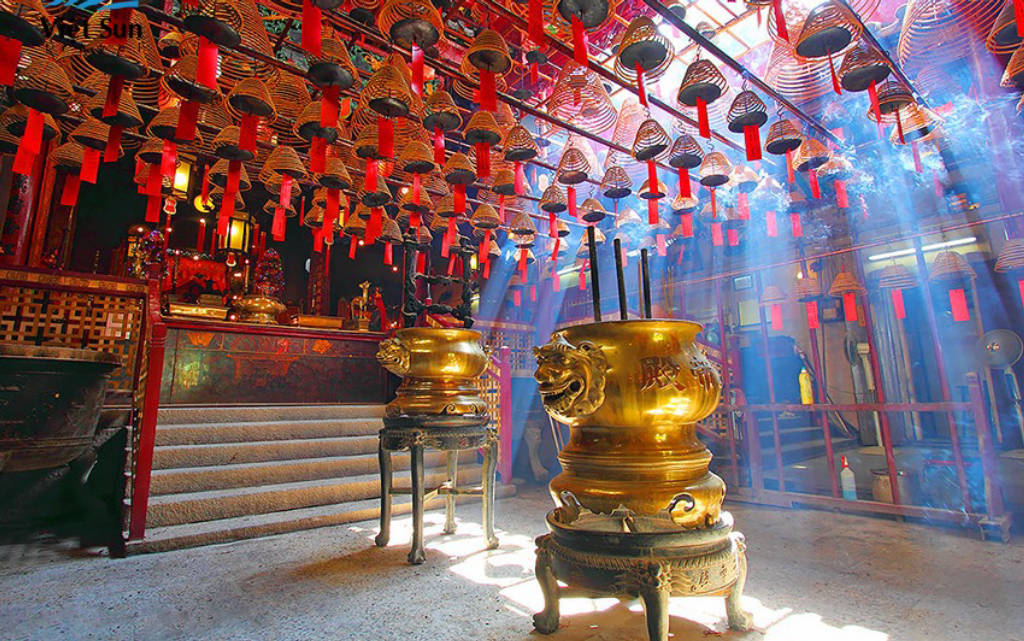
Man Mo temple (Man Mo temple)
 124 Hollywood Rd, Tai Ping Shan, Hong Kong
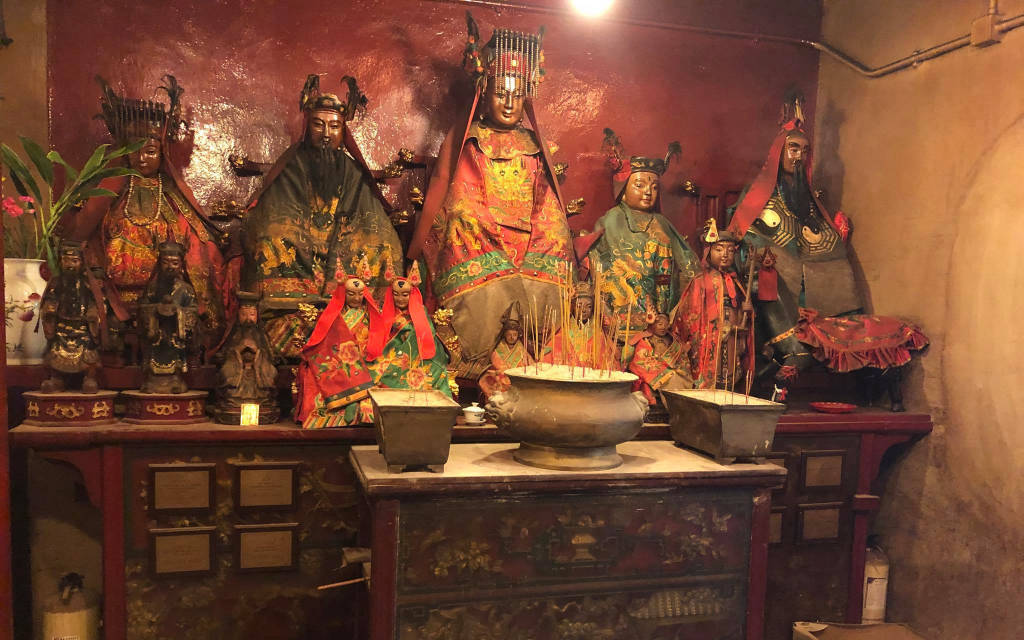
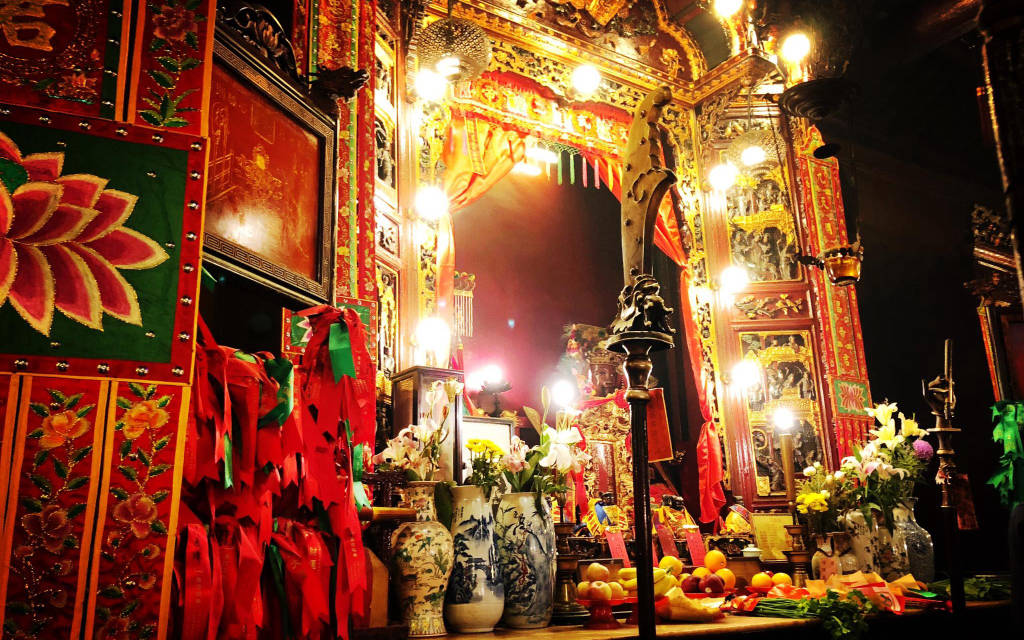
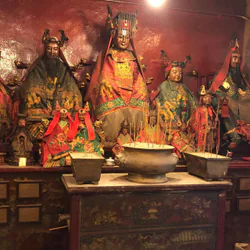
As one of the oldest temples and expressing the faith of the people in Cang Thom, the Man Mo temple was declared a national monument in 1993. It worships the gods of literature. learning "Man" holds a pen and writes symbolically for the intelligentsia; martial gods "Mo" holding swords symbolizes mighty warriors. The temple that worships knowledge, justice, and loyalty is a cultural feature of ancient China's medieval culture and exists to this day.
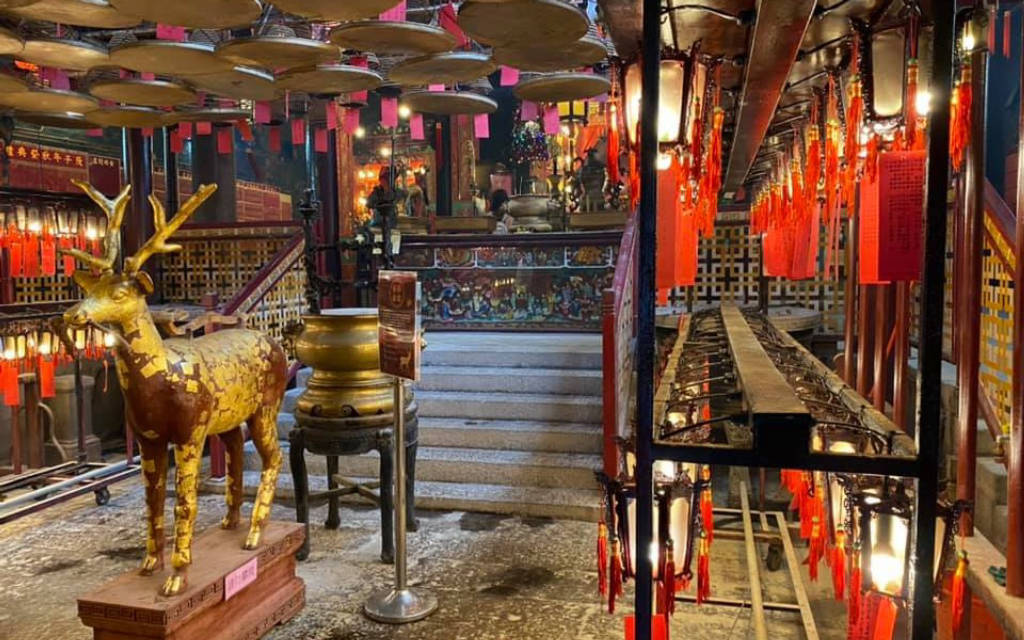
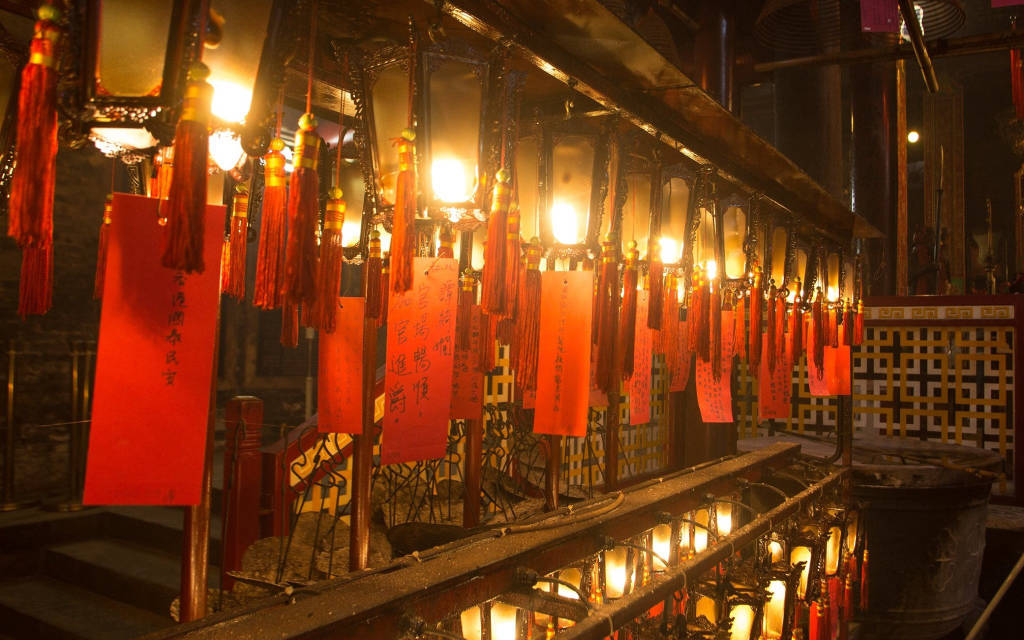
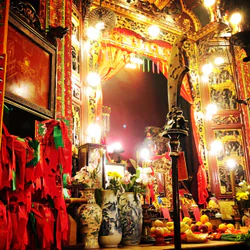
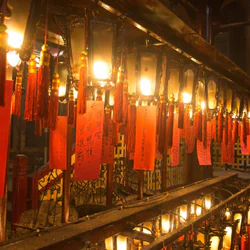
Temple of Literature was built in 1847, during the Qing Dynasty, by wealthy merchants in the area, worshiping Buddhas and Taoist deities, playing an important role in Chinese religious culture. . The temple is named after two sacred deities worshiped dignifiedly inside the main hall: the god Van Xuong "Man" wearing a red dress holding a calligraphy pen in his hand and the god Vo De "Mo" wearing a blue robe. hold sword. In addition to the function of worship and belief, the temple used to have the function of a "court", where disputes were resolved for local people at a time when the Chinese people's belief in the colonial regime at that time became more and more popular. weaker. In the late 19th century, according to custom and folk beliefs, when the promise was recorded, dipping in the blood of the sacrificial chicken and burning it would show sincerity and be proved by the superiors, deciding the fate of the people. right or wrong than any judgment of the colonial court. Today, although this custom and belief has disappeared, the temple is still a reliable address not only for local people but also for visitors from all over the world, who believe in the miracle of spirituality to help them. they remove the afflictions and overcome the difficulties and obstacles of life. Stepping inside the main hall, you will feel the serenity and relaxation of a place of religious reverence imbued with Chinese culture, in stark contrast to the bustling Central area with tall buildings. modern floor a few minutes walk away. Outside the entrance are carved wooden columns, gilded delicately.
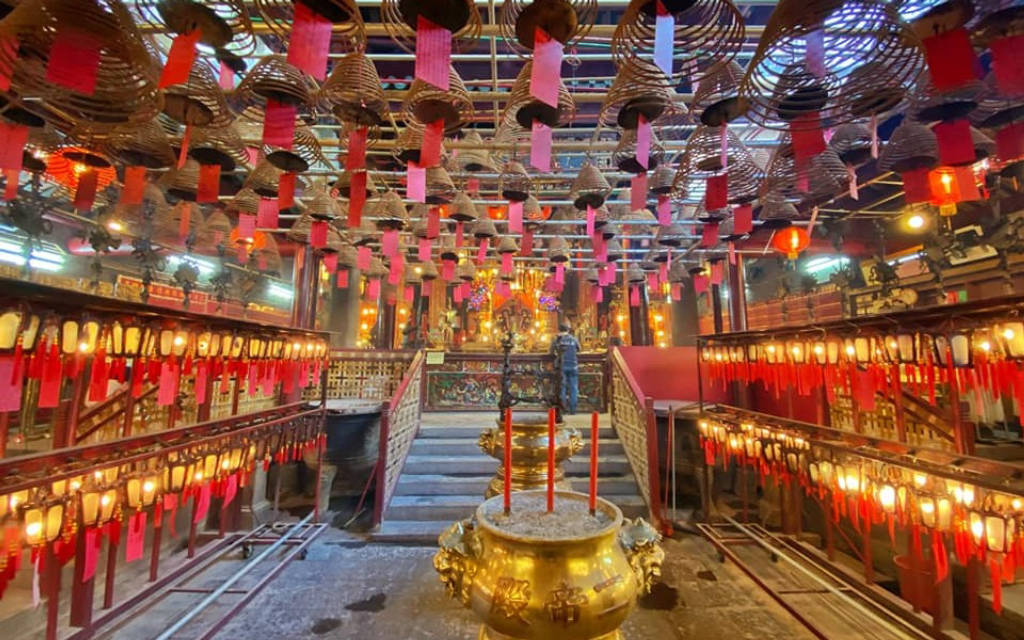
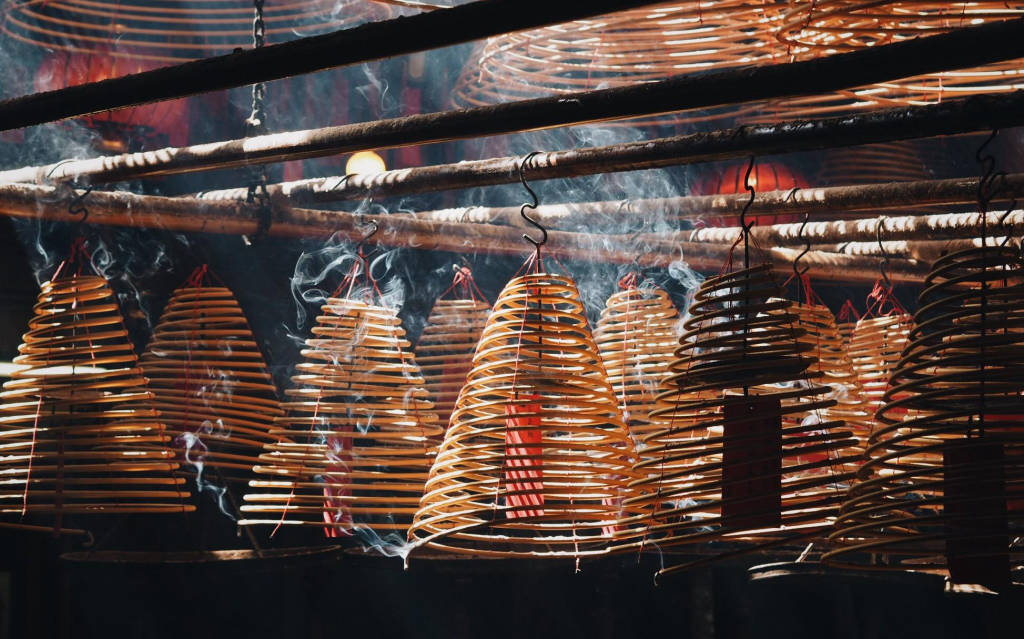
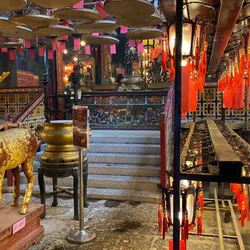
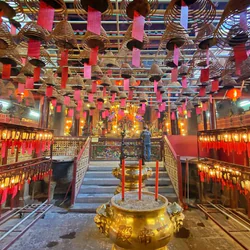
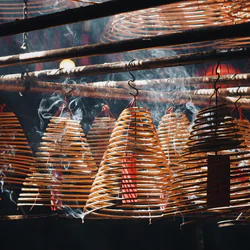
Stepping inside the temple grounds, you will easily recognize two deities worshiped in a dignified and noble manner. Next to it are two elaborately carved 19th-century traditional Chinese procession chairs, used to transport the two to annual festivals in the vicinity. A sense of sanctity and warmth also covers the entire center of the main hall with spiral incense coils suspended overhead, like mushrooms overgrown in an upside-down garden. Next to it is a dignified area, Liet Thanh Cung, a place of worship for other Taoist and Gong deities, once used as a court of spiritual justice to settle community disputes before the feudal system. The modern judicial system was born. A couplet at the entrance advises people to shake off their selfish prejudices and anger outside; try to keep a good mind to have a more peaceful and better life ahead. If you believe in fortune-telling, you can try reaching out to one of the fortunetellers who are always available in the shrine.
Since its construction until now, the temple has undergone a number of renovations but still retains the original architectural features "two halls and three bays" with traditional decorations such as small wooden statues, and flowers. Exquisite wood carvings. The temple is one of the sacred points, a solid spiritual support for local students and students, they often go to pray for the best luck and best for a new school year, usually 3 weeks. before the opening day.
The shrine is open from 08:00 AM to 06:00 PM. Since this is a dignified place of worship, you should note the following points when visiting the shrine:
Always show seriousness and respect. Do not make noise, keep order when entering the temple
+ wear long clothes (cover arms and legs), avoid offensive clothes (open chest or short pants)
+ don't turn on flash mode when taking photos in shrines
+ Do not take photos in the office premises
+ No smoking when visiting the shrine
Located next to Trung Hoan area, it will not be too difficult for you to visit this sacred temple. You can take the H1 sightseeing bus, the “Heritage Road” route (a kind of Hop-on Hop-off), which starts at the Star Ferry and the Temple of Literature is the 5th stop. Or you can Take the subway to Trung Hoan Station, take exit D1 or D2, go to 100 Queen Street and experience the longest escalator in Hong Kong to Hollywood Road, where this sacred shrine is located.