


See all results for ""

 Anytime
 Tiếng ViệtEnglish
 한국어
한국어 日本語
日本語 简体中文
简体中文 Français
 Deutsch
 Español
 Italiano
 Русский


 Login for Corporates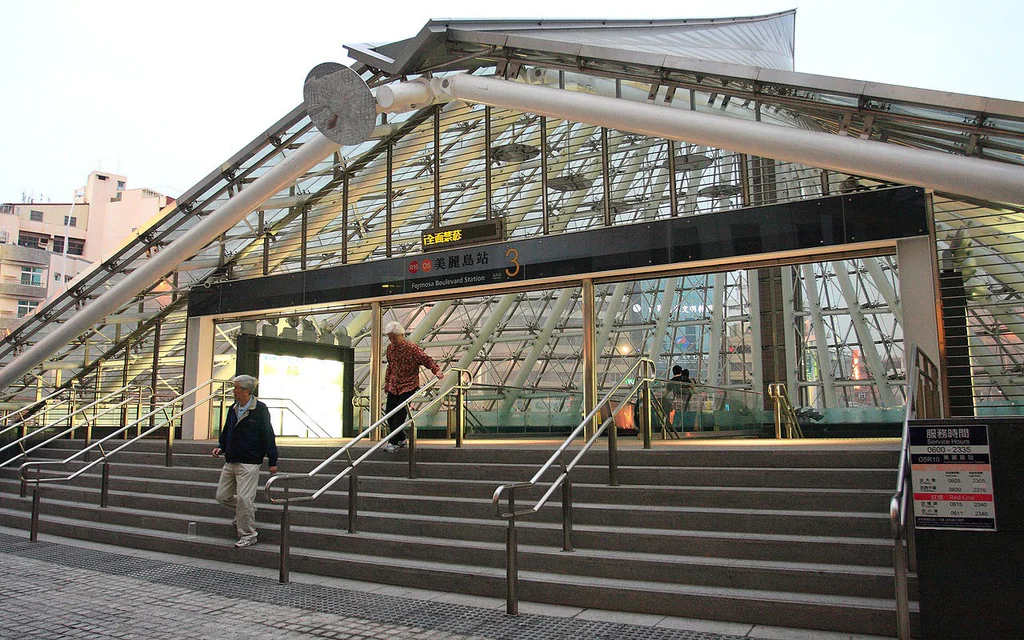
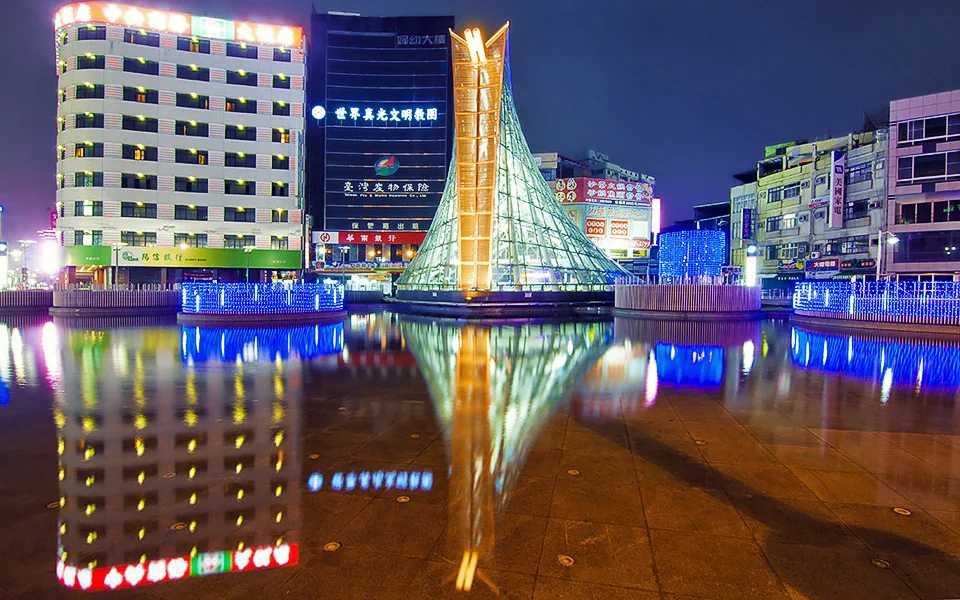
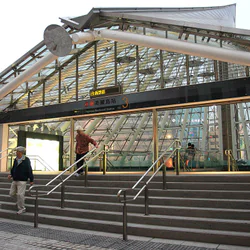
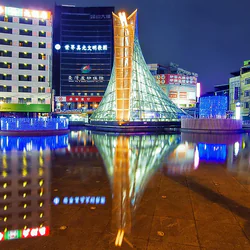
Formosa Boulevard Station
 800, Taiwan, Kaohsiung City, Xinxing District, Zhongshan 1st Road, 115號地下一樓
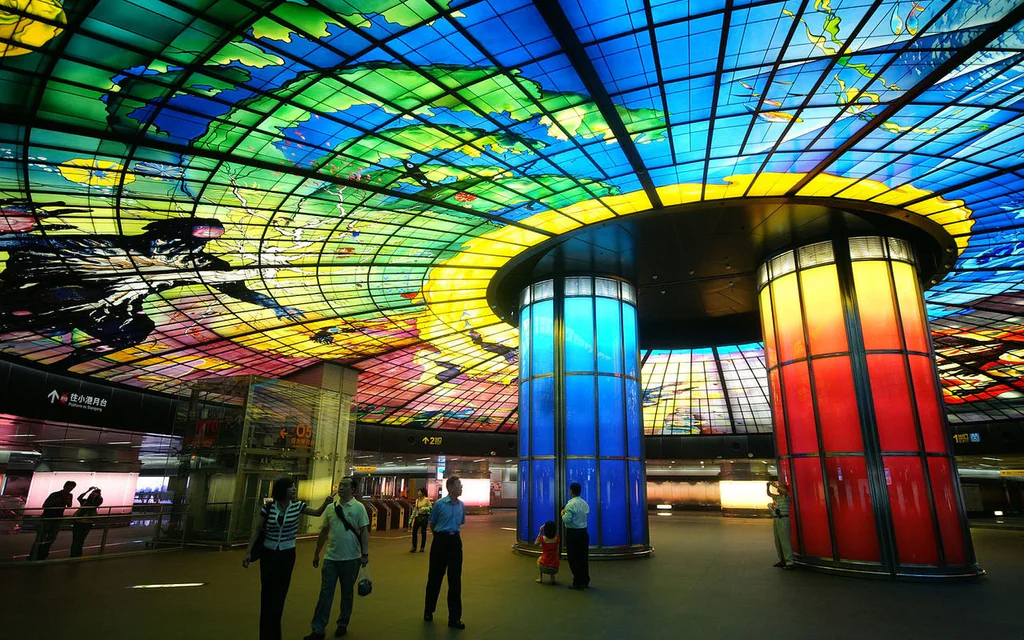
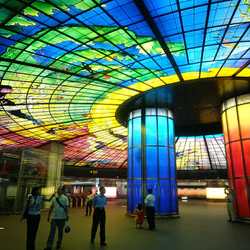
Formosa station is intended to serve the travel needs of the people of Kaohsiung city, but this place attracts tourists everywhere because of its unique decorative art values. Tourists often visit Formosa Station aiming to see the beautiful domes of light. This is a must-visit tourist attraction in Kaohsiung. Just like cities with beautiful train stations, like Moscow and Stockholm, these places have transformed a dull commute into one of wonder and delight. The dome of light at Formosa Avenue has also followed in and created something special for Kaohsiung.
Formosa station not only has an artistic beauty, but hidden deep in it is an interesting historical story of the whole Taiwanese nation. The station is named in memory of the historic Formosa event because it was the site of an important event in Taiwan's history, and Formosa means "beautiful island" in Portuguese. It has been recognized as the turning point in Taiwan's transition to democracy. It's also a place where people stand up to fight oppression, hence the name, Formosa Boulevard as a symbol that leads us to freedom.
Looking back at a time in history, in 1949, when the government imposed martial law to prevent Taiwanese people from voting in presidential elections or other political organizations. That's why a part here decided to stand up to change the situation and fight for their wishes. They founded Formosa Magazine as a voice for their political needs and as a vehicle for self-organization. The first issue was published in August 1979, and soon they decided to take it a step further. They called for a rally to celebrate International Human Rights Day on December 10, 1979, to promote and demand democracy in Taiwan.
It was thanks to standing up and fighting for a common voice that this event was widely reported by the international press and brought out the truth about the prospect of Taiwan at that time. It is thanks to the Formosa event that it has the effect of inciting the Taiwanese community to participate in political actions. Martial law was lifted in 1987 and democracy arrived.
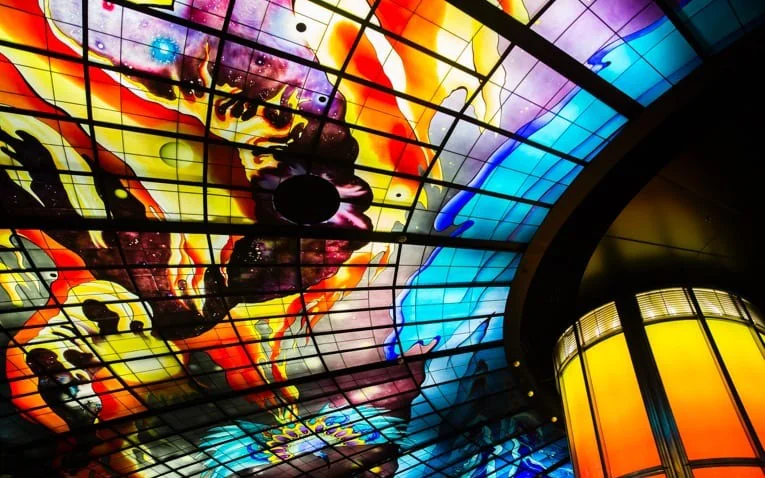
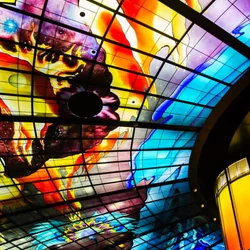
Besides its historical value, Formosa station is also rated as one of the most beautiful subway stations in the world, thanks to the work "Dome of the Light" which roughly translates to Dome of Light. Inaugurated in 2008, with a mix of 1,152 hand-painted glass panels, along with themes ranging from politics to metaphysics. This place has become the pride for thousands of Taiwanese who pass by it every day. It has led the city's transformation from a bleak factory town to the creative heart of Taiwan and has changed not only the world's perception of Kaohsiung, but also Kaohsiung's perception of it. it's him.
Thanks to the talented hands of Narcissus Quagliata – born in Italy and of Mexican descent, he was selected by the Kaohsiung Transportation Corporation (KRTC) to create a work of public art. This decision caused controversy among the public that these creations should be reserved for a native artist. Facing the wave of public opinion, Quagliata spent a lot of time learning about Kaohsiung and especially the Taiwanese people. He realized that this place is really a heavy industrial city and as if there were no special places with artistic value, it was these things that prompted him to turn the station into a work of art. The art makes everyone admire when coming here.
To be able to create a work of modern art while still recreating the cultural features or historical values associated with this Formosa station. Quagliata took the time to talk with the mayor of Kaohsiung city at that time about famous historical events here, as well as survey the level of interest in the arts of young Taiwanese to create art. a great work, recounting historical stories, cultural values, or characters from real life, or imaginary characters, superheroes to bring excitement to the station and attract international tourists.