


See all results for ""

 Anytime
 Tiếng ViệtEnglish
 한국어
한국어 日本語
日本語 简体中文
简体中文 Français
 Deutsch
 Español
 Italiano
 Русский


 Login for Corporates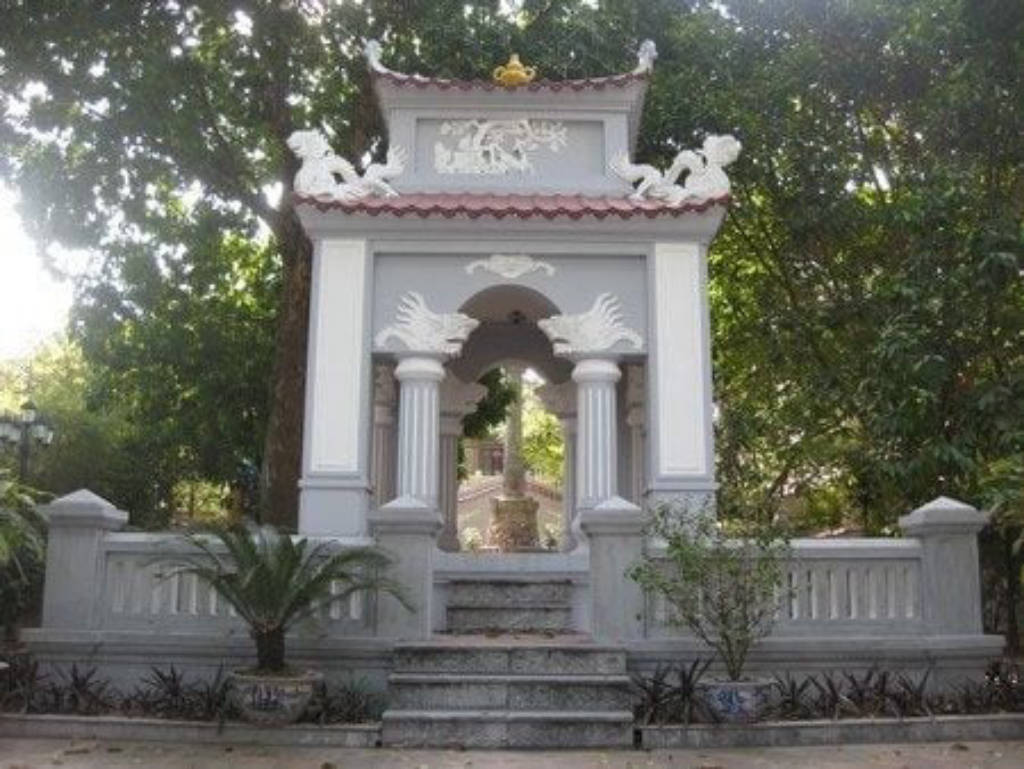
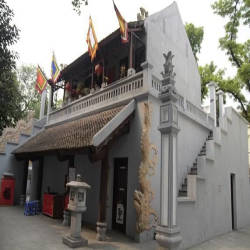
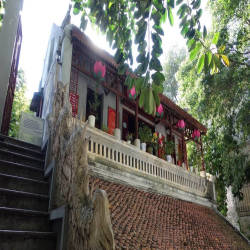
Nam Huong Communal House
 Hàng Trống, Hoàn Kiếm, Hà Nội
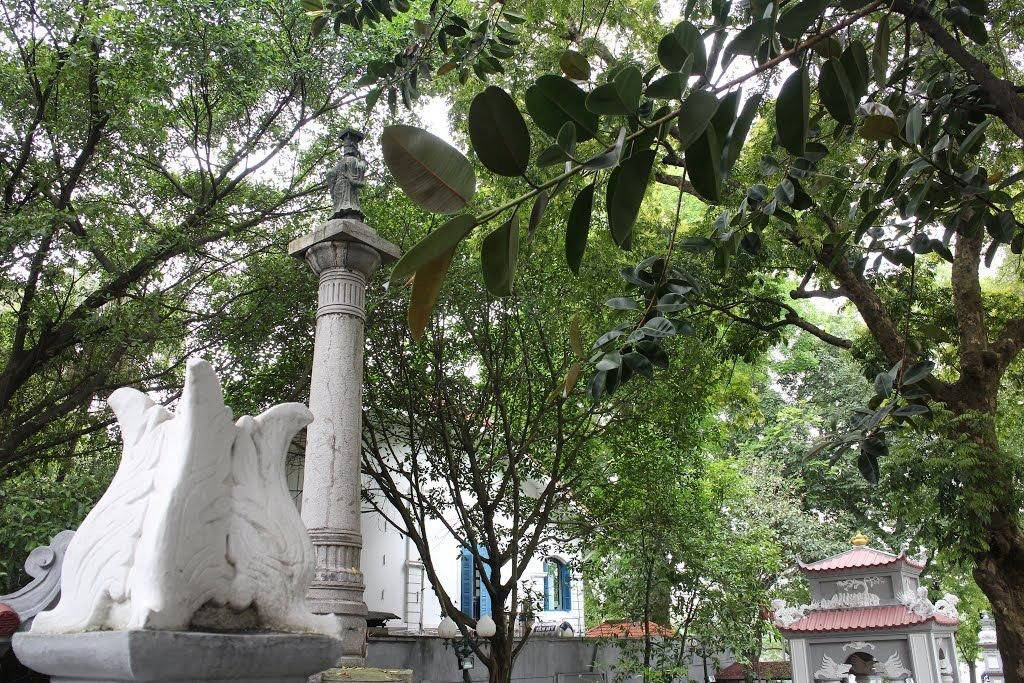
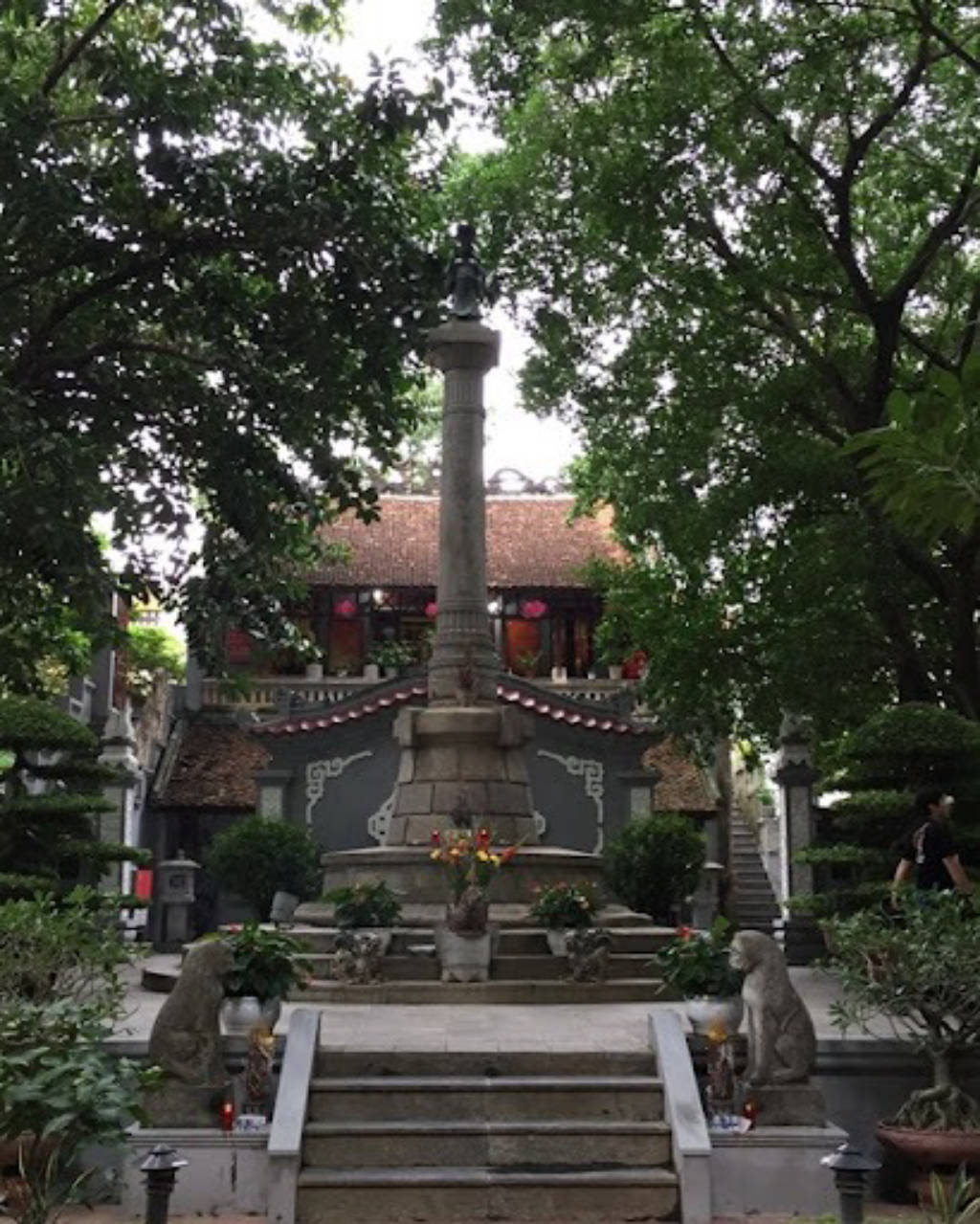
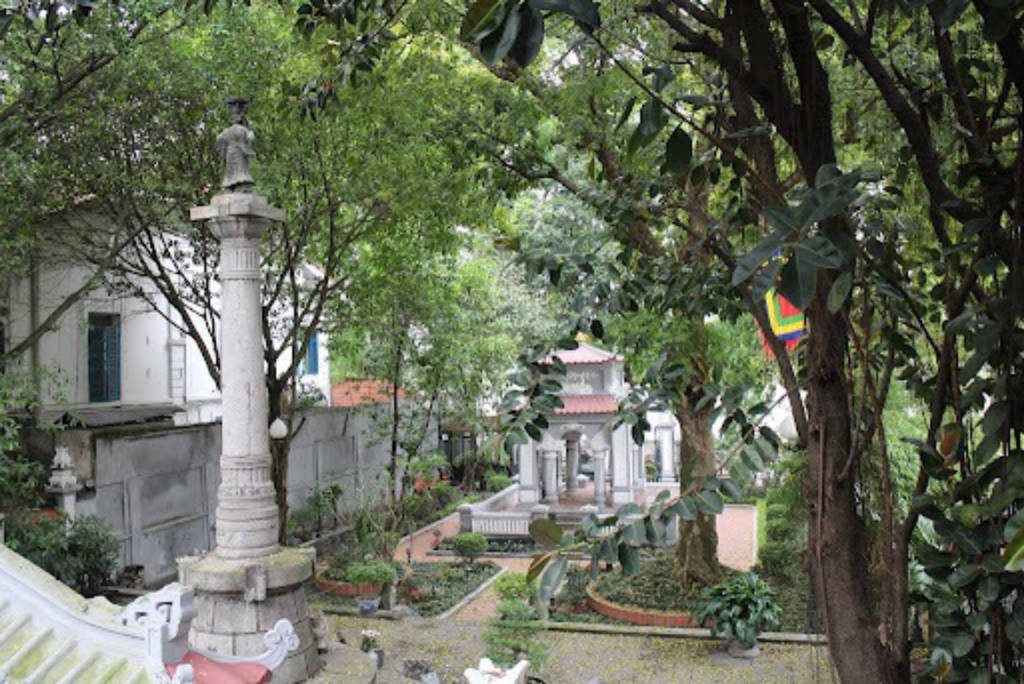
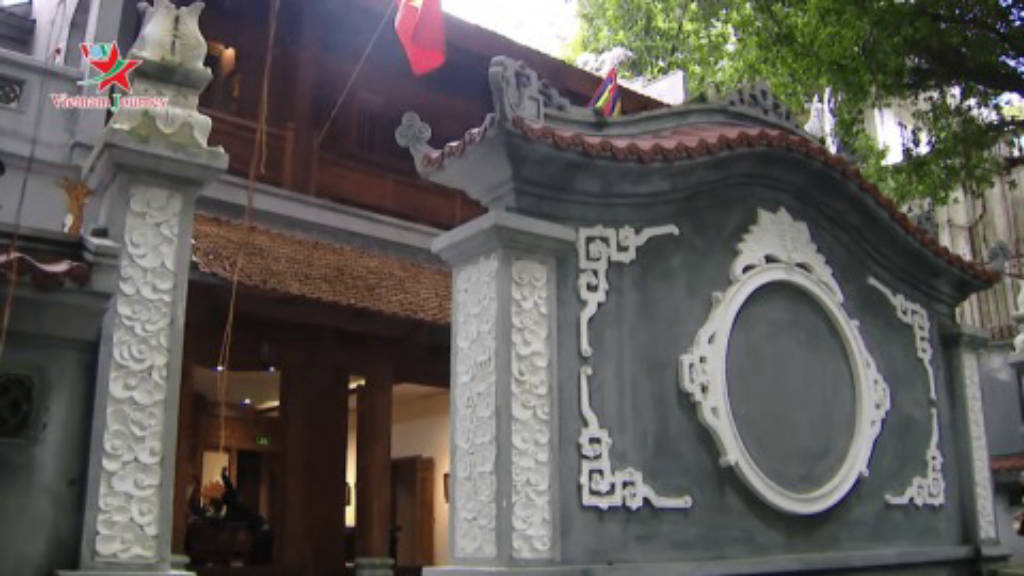
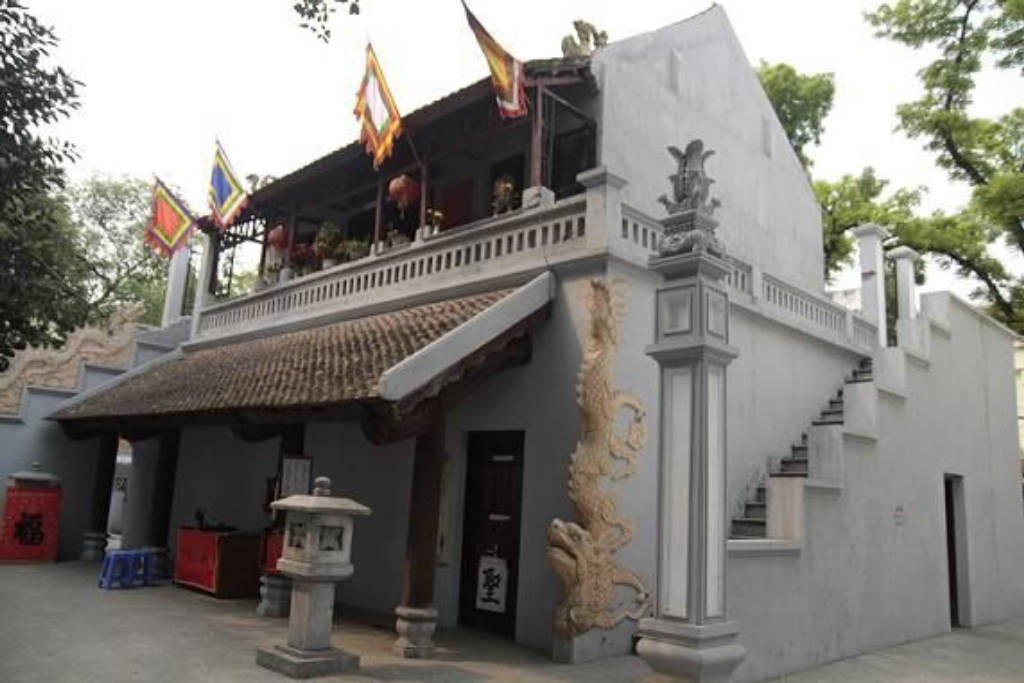
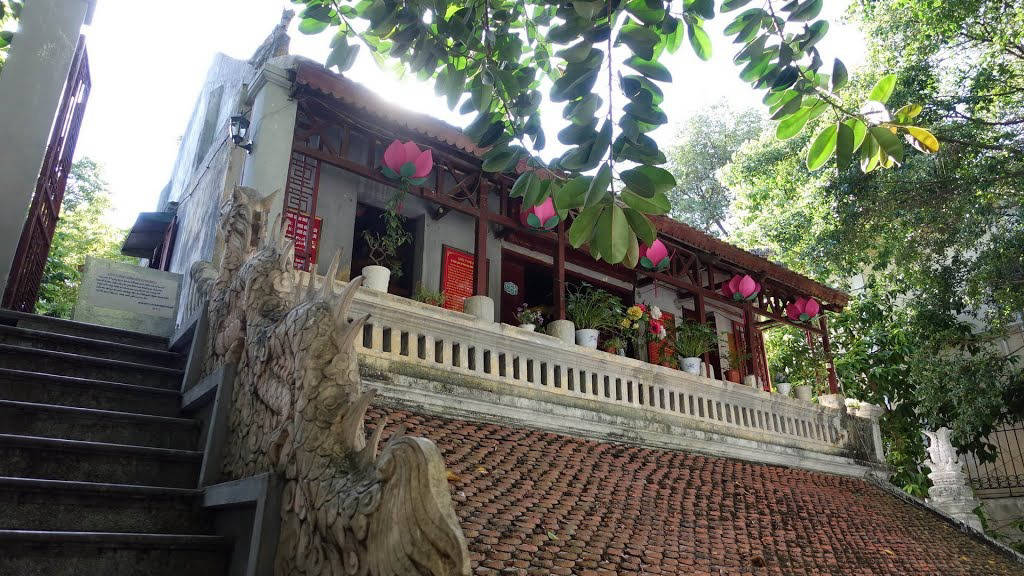
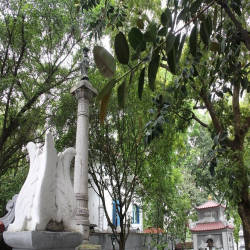
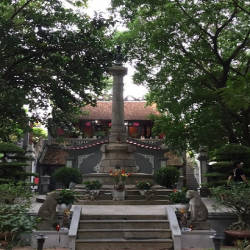
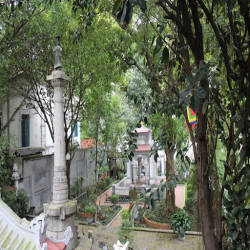
For a long time, Nam Huong communal house - a beautiful landscape among tourist clusters around Hoan Kiem Lake, has been a tourist attraction attracting a large number of domestic and foreign tourists. Nam Huong Communal House is also a typical architectural work imbued with cultural and historical imprints of Hanoi.
Nam Huong Communal House is located in Hang Trong Ward, Hoan Kiem District, Hanoi. The communal house has two entrances, one facing Le Thai To street by Hoan Kiem lake, the other facing Hang Trong street. For a long time, Nam Huong communal house has been a destination not to be missed by many tourists when visiting Hanoi.
Built at the end of the Le Dynasty (1009–1225), the communal house bears strong historical and cultural imprints associated with the Thang Long citadel. The communal house worships three gods Long Do, Cao Son, and Linh Lang; Princess A Duy (Ly Dynasty) and Prince Duong Tu (Nguyen Dynasty)
According to researcher Vu The Khoi, the temple of King Le used to exist near the location of Nam Huong communal house today. In front of the Dinh gate, on the Hoan Kiem lake side, there is a statue of King Le Thai To, facing the lake.
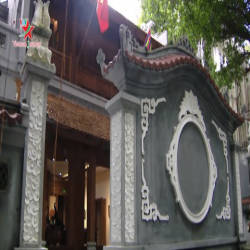
In 1995, Nam Huong communal house was included in the list of Ho Guom relic clusters and recognized by the local government as a national historical relic. In 2006, Hoan Kiem District People's Committee was assigned as the investor of the project to restore Nam Huong communal house. A number of restoration works have been carried out, including clearing households illegally residing inside the communal house, paving stones in the front yard, repairing the stairs, roof and an ancient screen according to the architecture. ancient royal architecture. Through many restorations, today, the communal house bears the characteristics of the architecture of the Nguyen Dynasty. This place also keeps 19 ordinations of the king dynasties to deify the gods, princes and princesses worshiped in the communal house; the earliest ordination dates to the reign of King Canh Hung (1747), the latest ordination from the reign of King Bao Dai (in 1944); as well as many other antiques of worship.
After being restored, many local cultural activities were held at Nam Huong communal house, attracting the attention of locals and tourists, contributing to promoting the culture and history of the thousand-year-old capital. culture to international friends.