


See all results for ""

 Anytime
 Tiếng ViệtEnglish
 日本語
日本語 한국어
한국어 简体中文
简体中文 Français
 Deutsch
 Español
 Italiano
 Русский


 Login for Corporates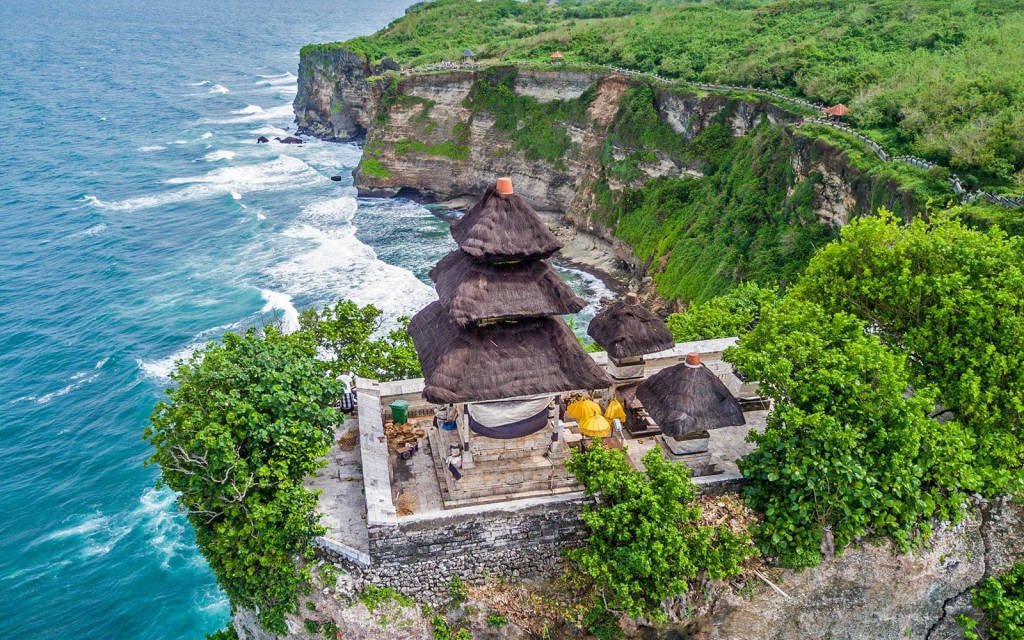
Uluwatu Temple
 Pecatu, South Kuta, Badung Regency, Bali, Indonesia
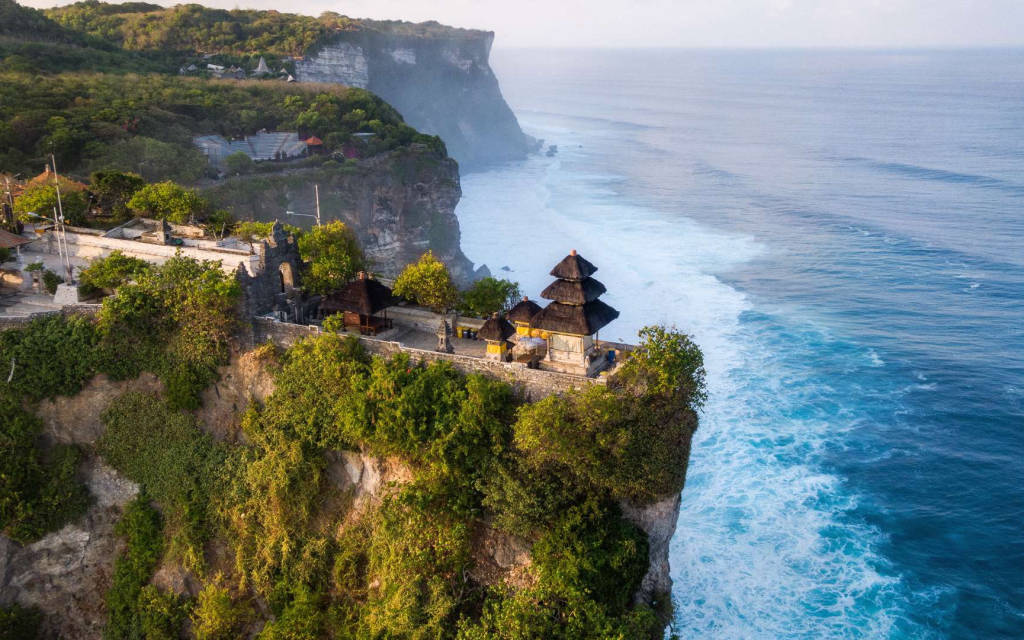
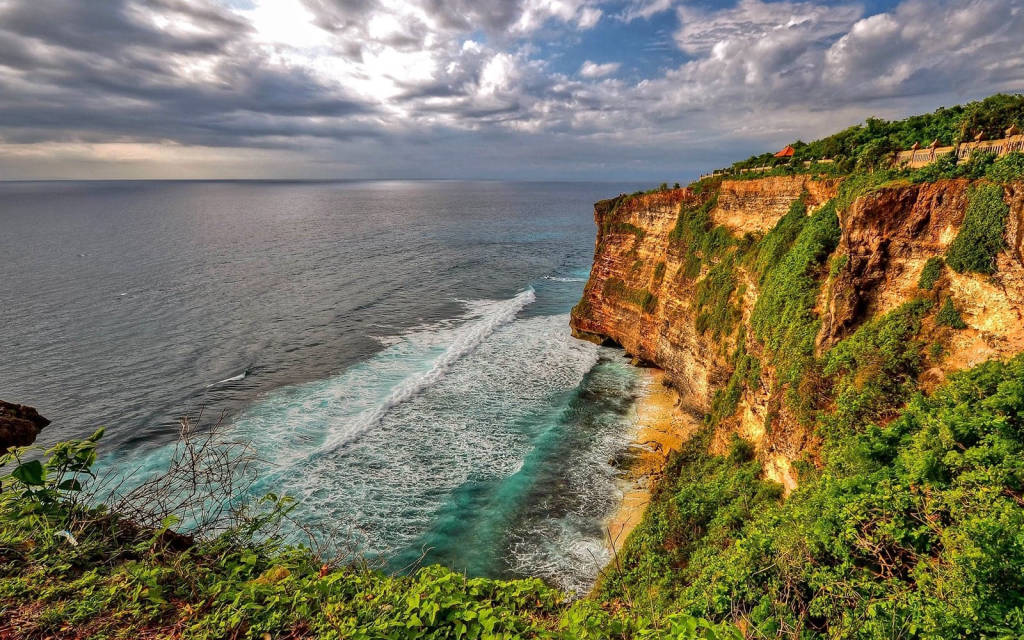
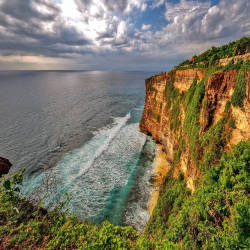
“One of the nine main temples of Bali and one of the most spectacular on the entire island, perched atop a steep cliff about 70 meters above sea level.”
Perched on craggy cliffs above one of Bali's best surf spots, Uluwatu Temple (Pura Luhur Uluwatu) is one of the island's most popular temples, thanks to its stunning mountaintop setting .
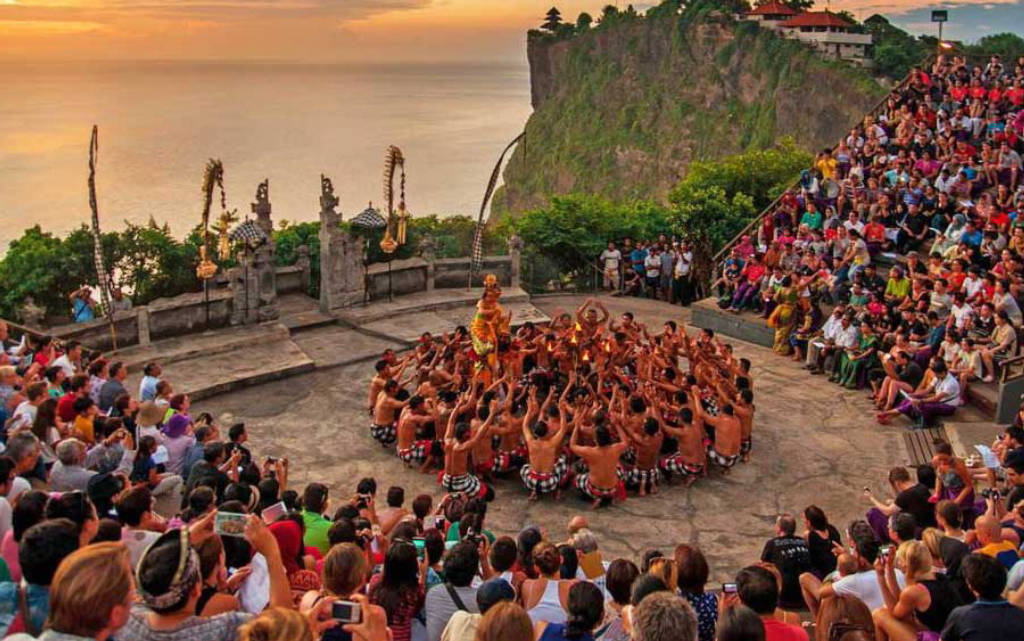
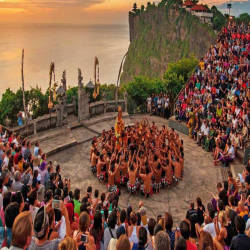
In Indo, "Ulu" means "top" or "end of the land" and "Watu" means rock, a fitting name for the temple's location on the Bukit peninsula, along the southwestern tip of the island. Like Pura Tanah Lot, sunset is the best time to visit, when the sky and sea glow in the evening light.
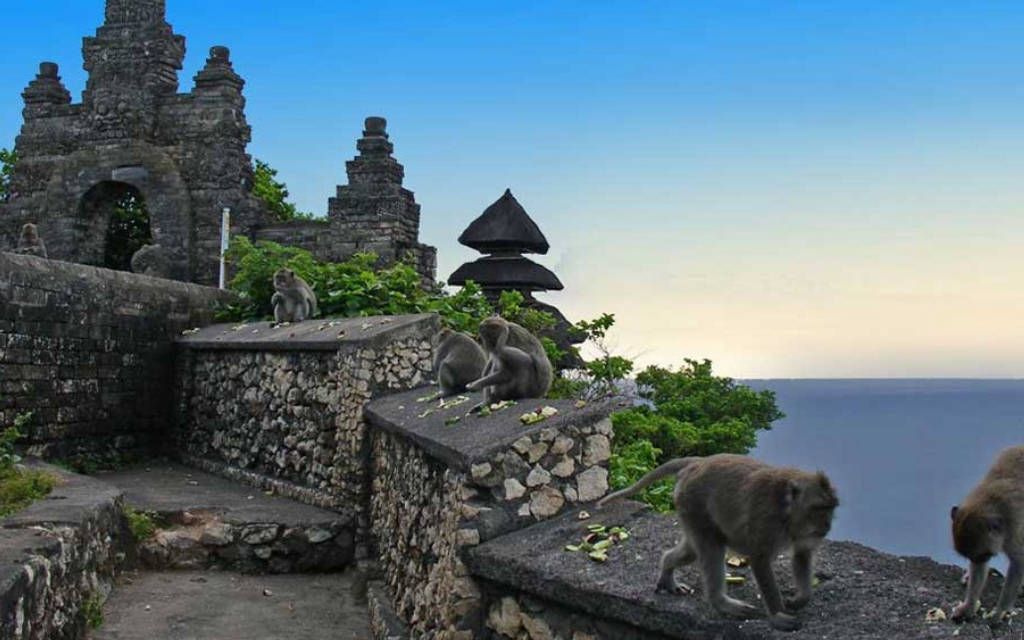
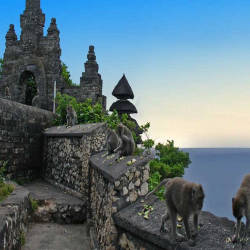
The inscriptions mention that Uluwatu Temple was advised to build by Mpu Kunturan, a Majapahit monk who was involved in the founding of several other important temples in Bali about 1000 years ago. According to archaeological findings by the Archaeological Survey of India, the temple is of megalithic origin, dating back to around the 10th century. The temple is believed to protect Bali from spirits. evil sea, while monkeys residing in the forest near the entrance are said to protect the temple from evil influences.
Behind the main shrine in one of the courtyards of the Uluwatu Temple is a Brahmin statue facing the Indian Ocean, considered to be a representation of Dhang Hyan Dwijendra. The two entrances to the temple are divided gates with carved flowers and leaves. In front of each gate are several sculptures of a human body with an elephant head.
A legacy from the 10th century is the winged one-piece stone gate leading to the inner courtyard of Uluwatu Temple. An addition to the Uluwatu Temple in the 16th century is the Pura Dalem Jurit, which consists of three statues, one of which is a statue of Brahma.
Every six months according to the Balinese 210-day Pawukon cycle, major temple celebrations are held at the temple. The keepers of the temple, the Jro Kuta royal family from Denpasar, are the patrons of the event.
Near Uluwatu Temple is a Uluwatu Monkey Forest that surrounds the cliff edges, home to a colony of gray long-tailed macaques, adding vibrancy to this resplendent landmark. Pilgrims and tourists visiting the uluwatu Temple are often reminded of these monkeys so as not to be snatched by them, especially the cameras.
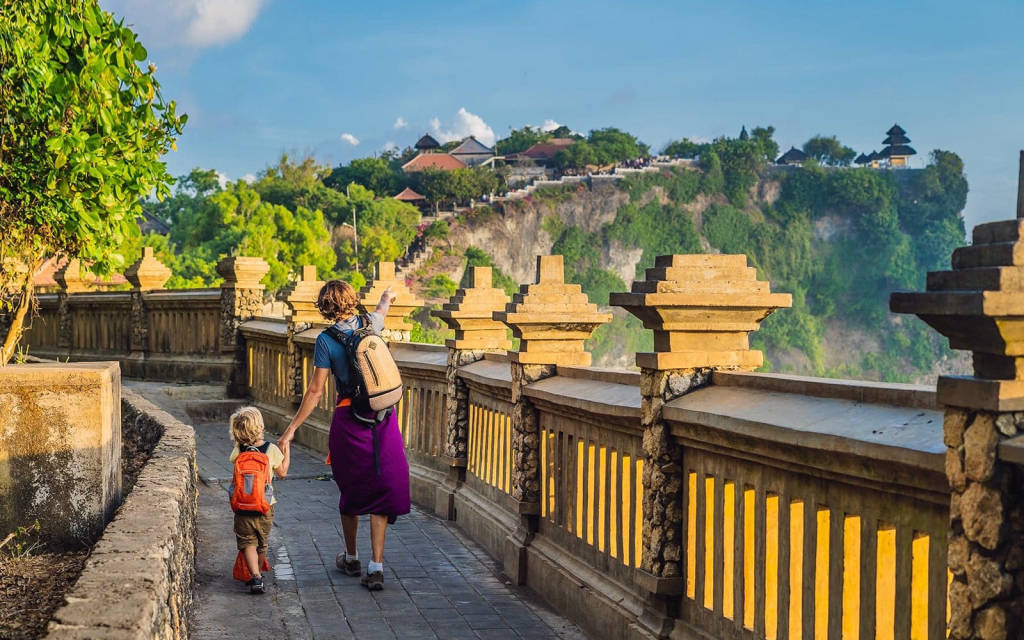
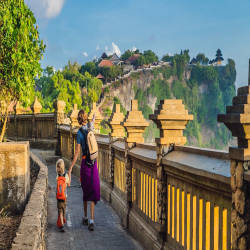
*Note: When visiting any temple in Bali, both men and women are advised to wear sarongs, scarves or belts tied around their waists, sarons and belts are provided free of charge at Uluwatu Temple for visitors visit the temple.
Address: Pecatu, South Kuta, Badung Regency, Bali
Opening hours: daily 09:00 - 19:00 (24/7 for worship purposes)
Entrance ticket: IDR 30,000 (Indonesian Rupiah)