


 Tiếng ViệtEnglish
 한국어
한국어 日本語
日本語 简体中文
简体中文 Français
 Deutsch
 Español
 Italiano
 Русский


 Login for Corporates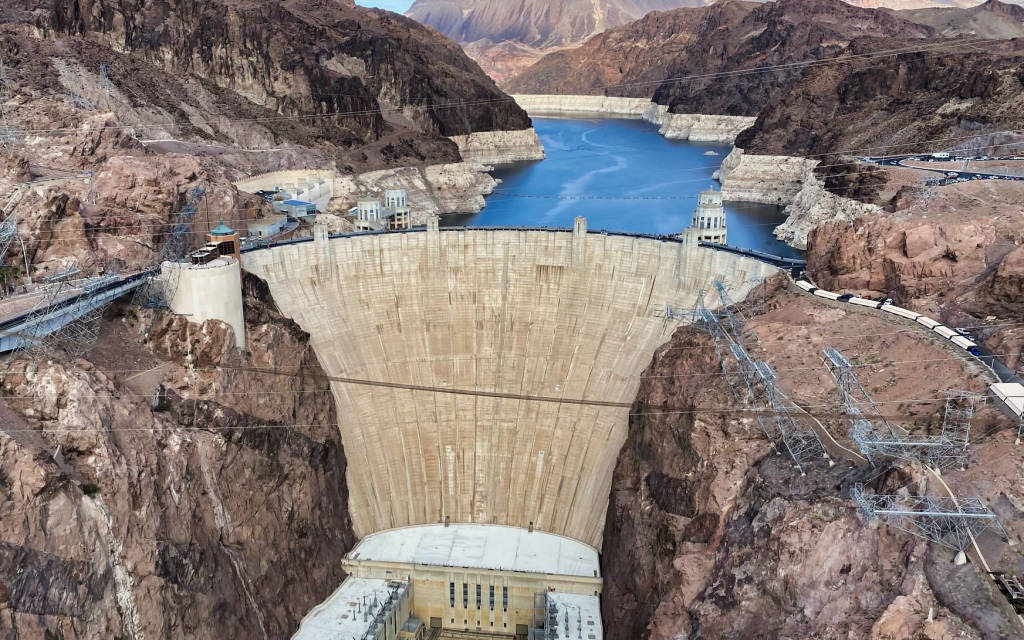
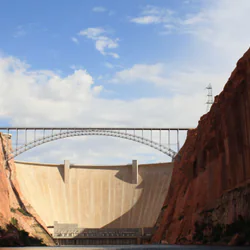
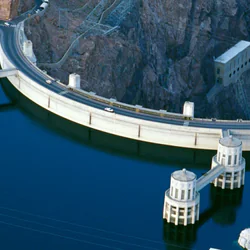
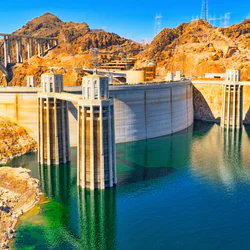
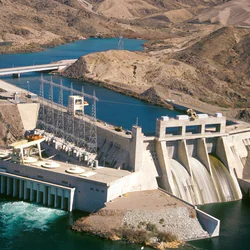
Hoover Dam
 Nevada 89005, USA
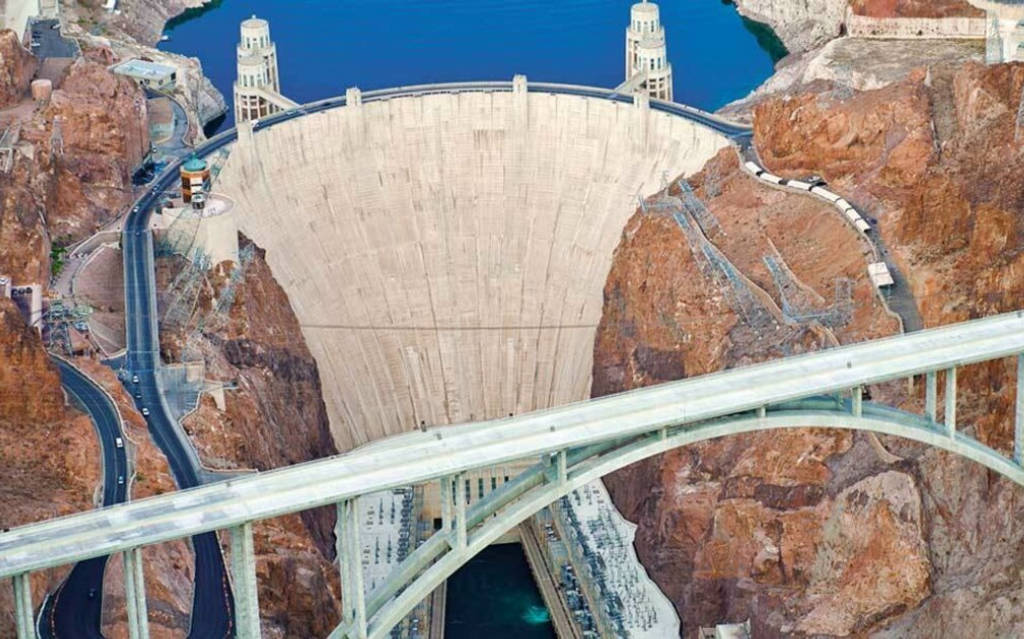
Hoover Dam is a big mark in Las Vegas history, it took 5 years and 21,000 people to work hard to build the majestic dam on the Colorado River.
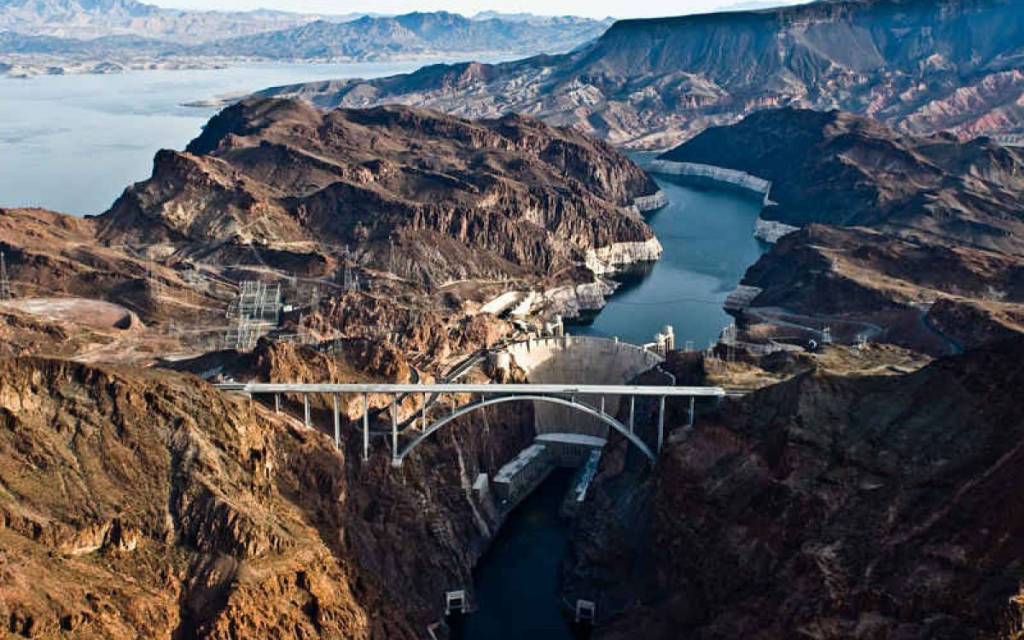
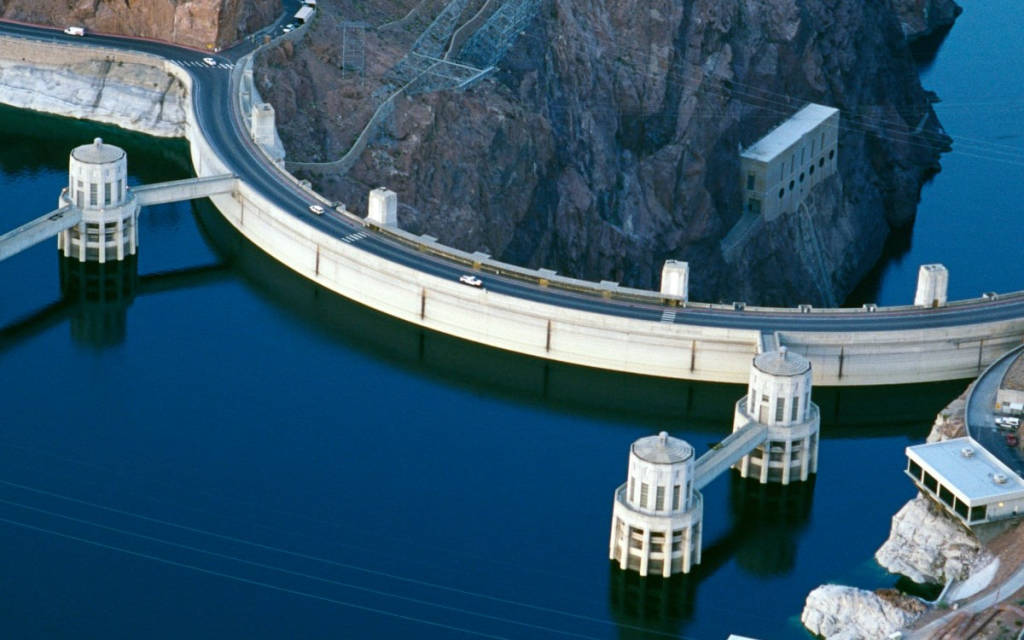
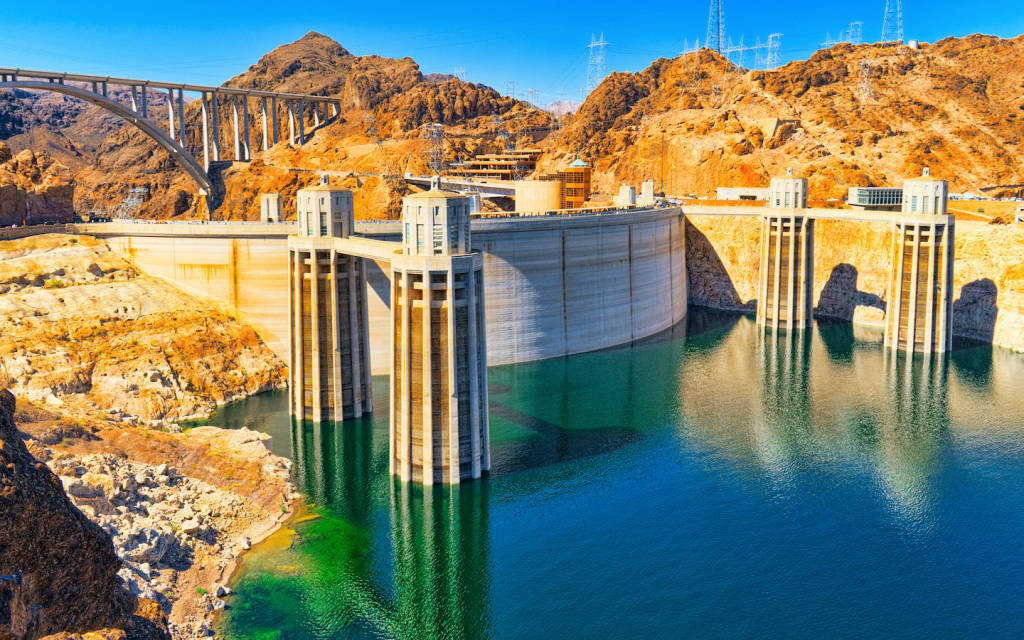
Hoover Dam is located on the border between the US states of Nevada and Arizona, it was built in 1931 during the Great Depression and was officially completed on September 30, 1935. The construction of the dam was one of the a colossal effort involving thousands of workers and the sacrifice of more than a hundred lives. Originally known as Boulder Dam since 1933, it was officially renamed Hoover Dam after President Herbert Hoover by a joint resolution of Congress in 1947.
As the United States developed the Southwest, the Colorado River was seen as a potential source of irrigation water. An early attempt to divert the river for irrigation purposes occurred in the late 1890s, when land speculator William Beatty built the Alamo Canal just north of the Mexican border. Although the water from the canal is enough to supply the daily living of the entire population in the area, it is quite expensive to operate.
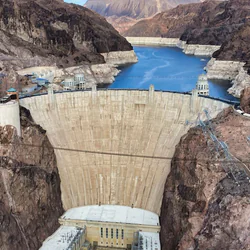
In the early 20th century, the United States Bureau of Reclamation raised the idea of building a dam to tame the Colorado River and provide water and hydroelectric power to the developing Southwest. After consideration, officials finally decided on a large concrete gravity arch dam, the design of which was overseen by chief design engineer John L. Savage. The monolithic dam will be thick at the bottom, thin near the top, leaving room for a highway connecting Nevada and Arizona, the curving arch of the dam will transmit the force of the water to the pillars, in this case the rock walls of the alley. mountain.
Soon after the dam began construction, more and more unemployed people concentrated on southern Nevada. Las Vegas, then a small city of about 5,000 people, saw between 10,000 and 20,000 unemployed flock there. At the beginning, a large number of workers were employed, with more than 3,000 on the payroll in 1932, peaking at 5,251 in July 1934.
Before the dam can be built, the Colorado River needs to be diverted away from the construction site. To accomplish this, four diversion tunnels were run through the walls of the canyon, two on the Nevada side and two on the Arizona side. Faced with tight deadlines, workers work in 140-degree tunnels filled with carbon monoxide and dust.
Along with that is the construction of two garbage dams to protect the construction site from the Colorado River and facilitate the river's diversion. The first concrete dam was poured on June 6, 1933, 18 months ahead of schedule because the concrete heats up and shrinks as it cures, and the uneven cooling and contraction capacity of the concrete is a problem. serious issue. Bureau of Reclamation engineers have calculated that if the dam were built in just one continuous pour, the concrete would take 125 years to cool and the dam could crack and crumble as a result. To ensure the durability of concrete, people have alternately poured concrete into blocks of different sizes, between cool river water and cold water until it stops shrinking, then continue. continue to the next steps. A total of 2,480,000 cubic meters of concrete was used in the dam before the concreting was stopped on May 29, 1935. There were 112 deaths reported in connection with the construction of the dam.
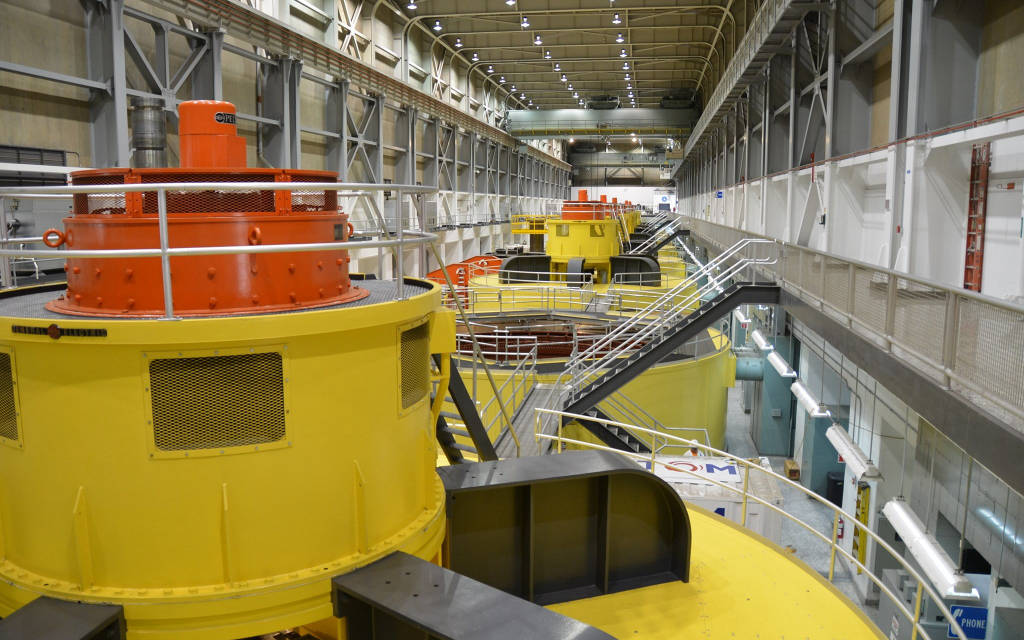
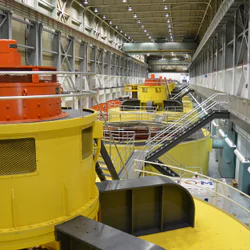
The Hoover Dam accomplishes its goal of spreading the unspoiled Colorado River through the arid Southwest landscape, fueling the growth of major cities like Los Angeles, Las Vegas, and Phoenix. The dam has the capacity to irrigate 2 million acres, its 17 turbines generating enough electricity to power 1.3 million homes. The dam was designated a National Historic Landmark in 1985 and was one of the wonders of modern civil engineering in the United States in 1994. Hoover Dam receives approximately 7 million visitors annually, while Lake Mead , the largest reservoir in the world, has 10 million visitors and is a popular recreational area.
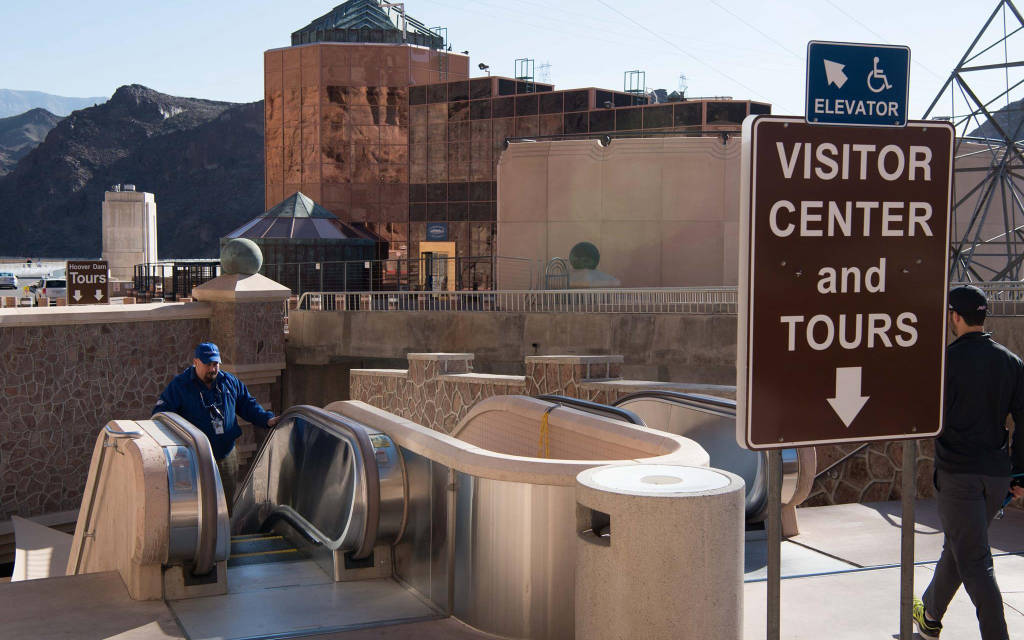
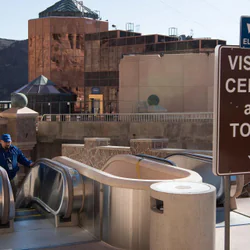
Visitors here can join tours provided by the United States Bureau of Reclamation. What visitors can see here is not only a dam but also a symbol of the human spirit, a project that appeared when the country needed it most.
Website : www.usbr.gov/lc/hooverdam
Phone : 702-494-2517
Hours of Operation :
Visitor Center: 09:00 - 16:15 weekdays
Ticket price: 10$
Parking: 08:00 - 17:15 on weekdays
Fee: 10$
Visiting the power plant: 09:00 - 15:45 weekdays
Adult: 15$
Elderly people: 12$
Teenagers: 12$