


See all results for ""

 Anytime
 Tiếng ViệtEnglish
 한국어
한국어 日本語
日本語 简体中文
简体中文 Français
 Deutsch
 Español
 Italiano
 Русский


 Login for Corporates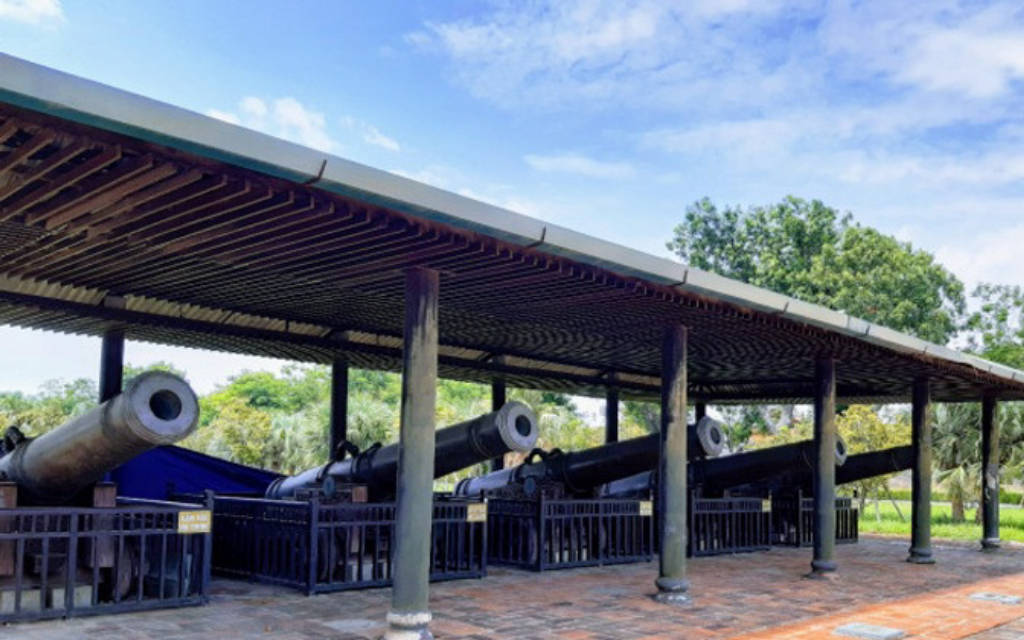
The Nine Dynastic Cannons: Symbols of Power and Victory of the Nguyen Dynasty
 Cửu vị Thần công, P, Thuận Thành, Huế, Thừa Thiên Huế, Việt Nam
Upon arriving in Hue, many visitors are captivated by the imposing presence of the Nine Dynastic Cannons—giant cannons standing guard in front of the Imperial Citadel. These cannons are more than mere weapons; they are symbols of the Nguyen Dynasty’s victory and power.
Historical Background
After defeating the Tay Son Dynasty, Emperor Gia Long ordered the casting of nine cannons from the bronze collected in victory in 1803. Each cannon, measuring 5.1 meters in length and weighing over 17,000 kilograms, was crafted with exceptional skill and embodies the dignity of an entire dynasty. In 1816, Emperor Gia Long bestowed each cannon with the title “Thần Oai Vô Địch Thượng Tướng Quân” (The Supreme General of Invincible Might), underscoring their sacred significance and regal authority.
Symbolic Meaning
The Nine Dynastic Cannons are divided into two main groups: four represent the four seasons (Spring, Summer, Autumn, Winter), while the remaining five symbolize the Five Elements (Metal, Wood, Water, Fire, Earth). This division not only reflects Vietnam’s traditional principles of harmony but also conveys a sense of balance and eternity.
Artistry and Craftsmanship
The significance of the Nine Dynastic Cannons lies not only in their impressive scale but also in the intricate artistry and bronze-casting expertise of the Vietnamese artisans. Each cannon rests on a finely carved stand, representing the peak of Nguyen Dynasty bronze-casting and decorative arts. The exquisite engravings on the cannons’ surfaces elevate them beyond weapons, turning them into invaluable cultural masterpieces.
The Nine Dynastic Cannons are a must-see for those passionate about Vietnam’s history and classical art. Visitors can immerse themselves in the beauty of each intricate detail, gaining a deeper understanding of the Nguyen Dynasty's golden age and feeling the pride of the Vietnamese people. Here, visitors can enjoy moments of reflection and exploration, letting themselves be carried by the historical and cultural flow of this ancient royal capital.