


 Tiếng ViệtEnglish
 한국어
한국어 日本語
日本語 简体中文
简体中文 Français
 Deutsch
 Español
 Italiano
 Русский


 Login for Corporates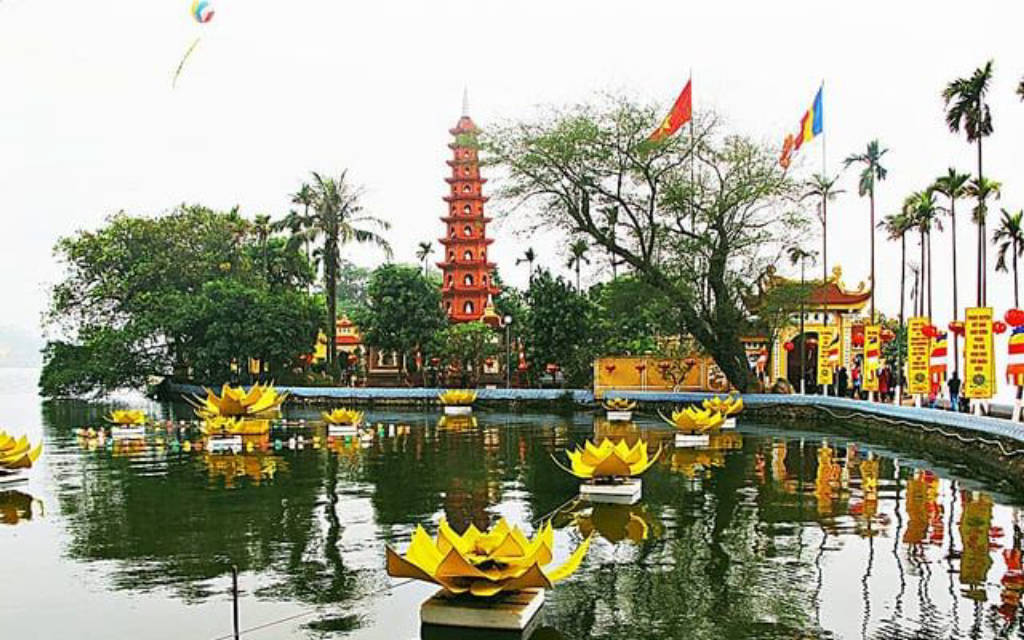

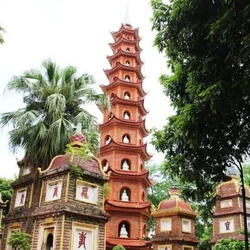
Tran Quoc Pagoda
 No. 46 Thanh Nien Street, Yen Phu Ward, Tay Ho District, Hanoi City, Vietnam
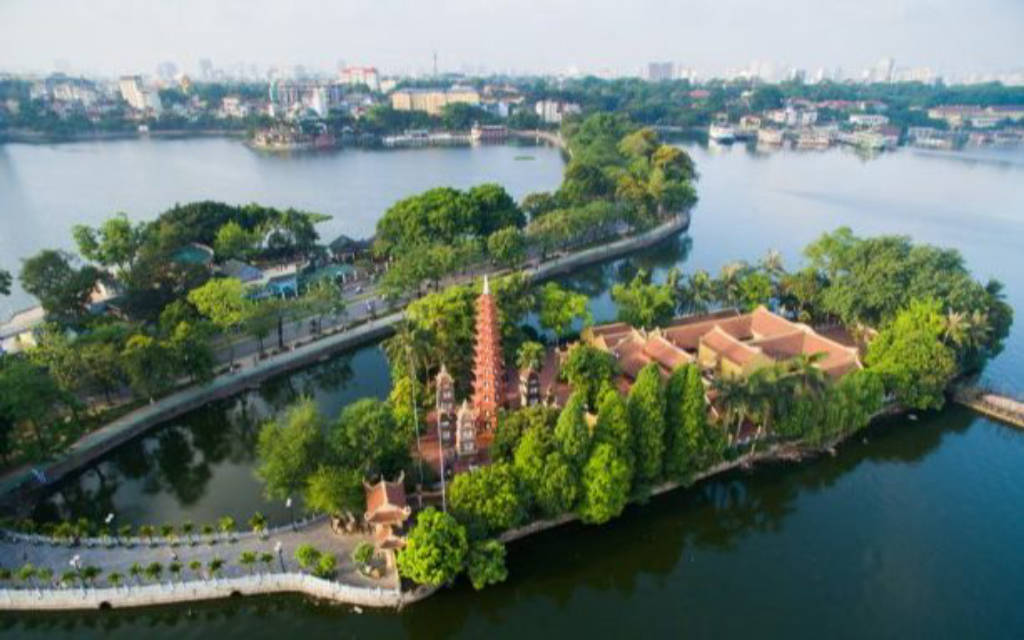
Tran Quoc Pagoda, Hanoi - The oldest pagoda in Vietnam with a history of nearly 1,500 years, located at 46 Thanh Nien Street, Yen Phu Ward, Tay Ho District, Hanoi, on a small island in the middle of West Lake. Standing out with traditional Buddhist architecture, an 11-storey stupa and a sacred Bodhi tree, the pagoda is an attractive spiritual and cultural destination. The peaceful and poetic scenery of Tran Quoc Pagoda attracts domestic and foreign tourists to visit and worship.
Tran Quoc Pagoda – One of the Most Ancient and Sacred Temples in Vietnam
Tran Quoc Pagoda, one of the most ancient and sacred temples in Vietnam, stands not only as a symbol of Buddhist culture but also as a historical witness spanning nearly 1,500 years.
1. Unique Location – A Peaceful Island in the Heart of the Capital
Tran Quoc Pagoda is situated on a small island in West Lake, right in the center of Hanoi. With this unique location, the pagoda appears like a picturesque painting, a harmonious blend of nature and spirituality. Upon arriving here, you will immediately feel the serenity, escaping the hustle and bustle of the city. Standing at the pagoda, you can gaze out at the vast West Lake, enjoy the cool breeze, and experience an incredible sense of relaxation and peace.
2. Long History – The Journey of a Spiritual Symbol
Tran Quoc Pagoda was constructed in the 6th century during the reign of King Ly Nam De. Initially, it was named "Khai Quoc" and was located on the banks of the Red River.
During the Le Trung Hung period (1615), the pagoda was relocated inside the Yen Phu dike, built on the old foundations of Thuy Hoa Palace (Ly Dynasty) and Han Nguyen Palace (Tran Dynasty). The pagoda underwent several renovations and expansions in the years 1624, 1628, and 1639, with inscriptions by the scholar Nguyen Xuan Chinh about the work. In the early Nguyen Dynasty, the pagoda continued to be repaired, with bells cast and statues made. In 1821, King Minh Mang visited the pagoda and granted 20 taels of silver for its restoration. In 1842, King Thieu Tri visited, granted a large gold coin and 200 quan, and renamed the pagoda "Tran Bac."
Through various historical events, the pagoda was moved to its current location in the 17th century and renamed "Tran Quoc" during the reign of Le Hy Tong, meaning "defender of the nation, preserving peace for the country." The pagoda was an important Buddhist center during the Ly-Tran periods, attracting not only monks and nuns but also kings and emperors for worship. Despite the centuries, Tran Quoc Pagoda has retained its sacred value and become a symbol of Vietnamese Buddhism. In 1962, Tran Quoc Pagoda was recognized as a National Historical and Cultural Relic by the Ministry of Culture and Information.
3. Unique Architecture – The Essence of Buddhist Art
Entering the pagoda, you will be impressed by the ancient, harmonious architecture with a distinct Eastern Buddhist style.
Pagoda Gate: With its characteristic red color, the gate is designed in a traditional Vietnamese style with intricate carvings, creating a solemn atmosphere.
Main Hall: As the place for worship, the main hall is designed with multiple layers of gently curved roofs, covered in red tiles, creating an imposing and tranquil look. Here, you will see ancient gilded wooden Buddha statues, each holding deep artistic and religious significance.
Lotus Tower: A special highlight of the pagoda is the 11-story lotus tower, built in 1998. Each tier of the tower has a statue of Amitabha Buddha placed in alcoves, with a precious stone lotus at the top. The tower reflects onto the lake, creating a poetic and sacred scene.
Sacred Bodhi Tree: A must-see is the bodhi tree in the center of the pagoda courtyard. This tree is propagated from the original bodhi tree under which Buddha attained enlightenment in India and was gifted to the pagoda by the President of India in 1959. It symbolizes wisdom and enlightenment, attracting thousands of Buddhists and visitors for worship.
4. Cultural and Spiritual Value
Tran Quoc Pagoda is not only a pilgrimage site for Buddhists but also a cultural and historical destination for those interested in Vietnam's spiritual heritage. On major holidays such as Vesak, Lunar New Year, and Vu Lan, the pagoda is bustling with ceremonies for peace and blessings. You can participate in chanting and incense offerings to feel the sacred and peaceful atmosphere. The pagoda also houses many ancient statues and precious relics. These artifacts hold not only religious value but are also a treasure trove of national art.
5. Discovering the Beauty of Festival Seasons
If possible, visit the pagoda in spring, when the Lunar New Year atmosphere permeates everywhere. This is an ideal time to pray for a peaceful and lucky new year. In the late afternoon, when the sunset casts its glow on West Lake, Tran Quoc Pagoda appears as a tranquil painting, captivating anyone who visits. It is also a time to enjoy the quiet space and immerse yourself in the slow and peaceful rhythm of life.
6. An Unmissable Destination
Tran Quoc Pagoda is not only attractive for its architecture and history but also a place that brings balance and peace to the soul. Dear visitors, if Hanoi is the heart of Vietnam, then Tran Quoc Pagoda is the soul of this capital. Take the time to visit, admire, and feel the wonderful beauty of this place. Once you set foot here, you will feel your heart calm, worries seem to dissipate, leaving only tranquility and peace.
Visitor Information:
- Opening Hours: 8:00 AM - 4:00 PM daily. On the 1st and 15th of each lunar month, the pagoda is open from 6:00 AM - 6:00 PM and on Lunar
- Ticket price: free