


See all results for ""

 Anytime
 Tiếng ViệtEnglish
 한국어
한국어 日本語
日本語 简体中文
简体中文 Français
 Deutsch
 Español
 Italiano
 Русский


 Login for Corporates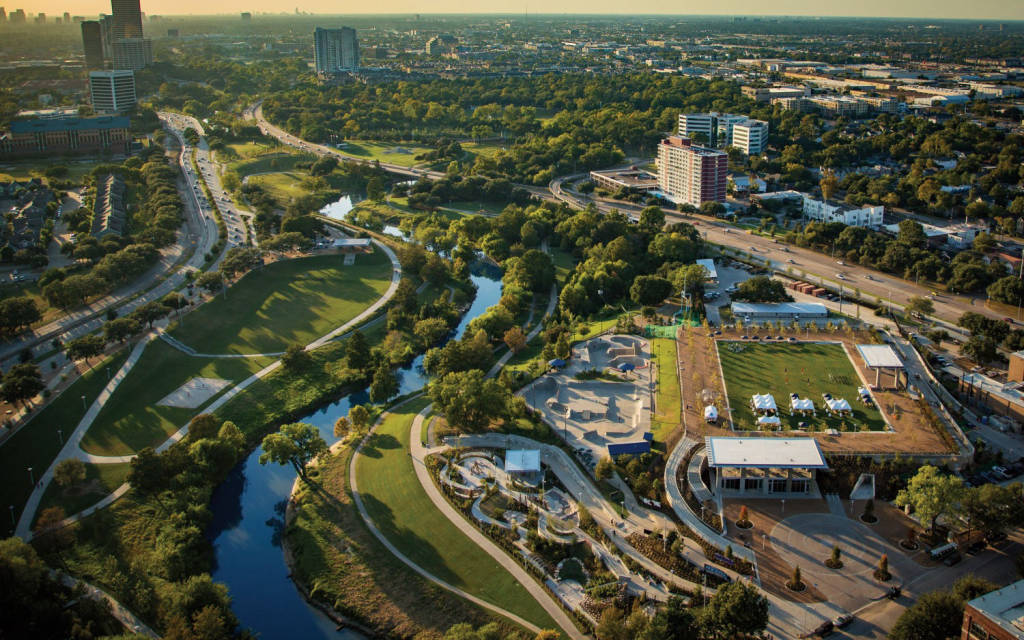
Buffalo Bayou Park
 1800 Allen Pkwy &, Memorial Dr, Houston, TX 77019, USA
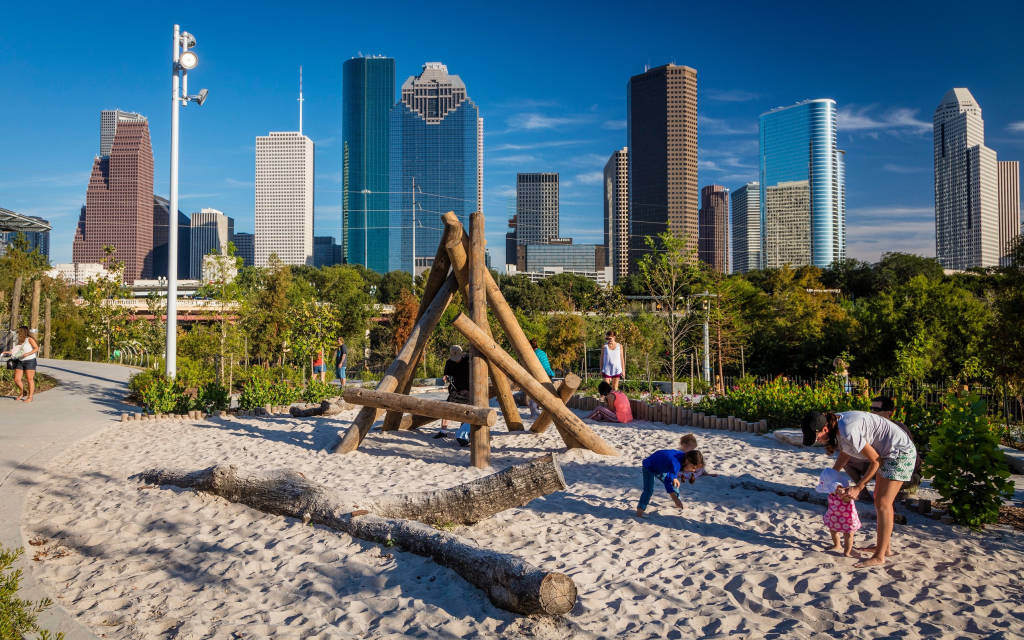
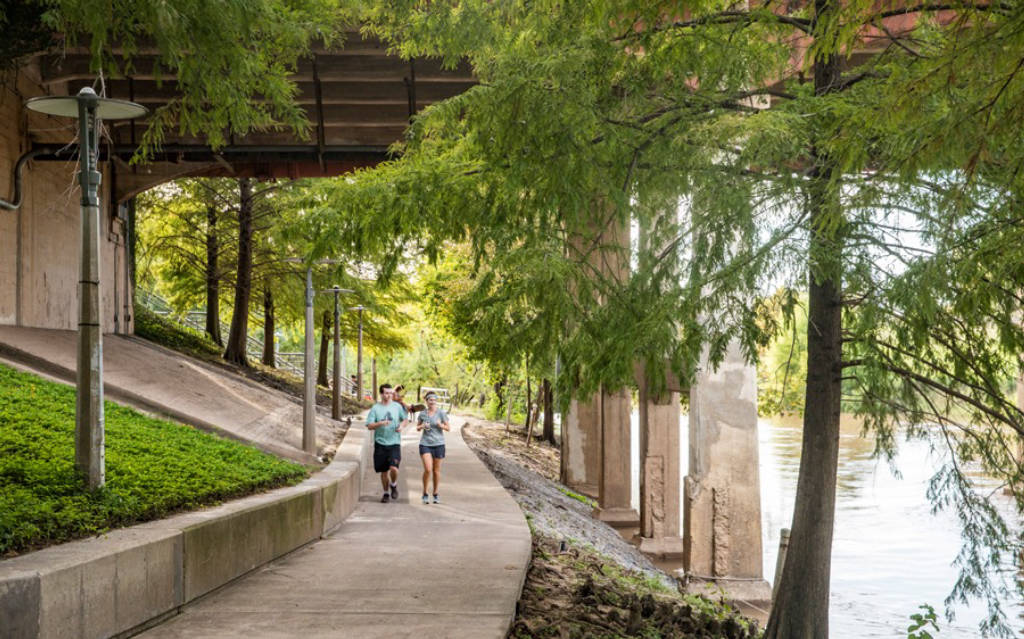
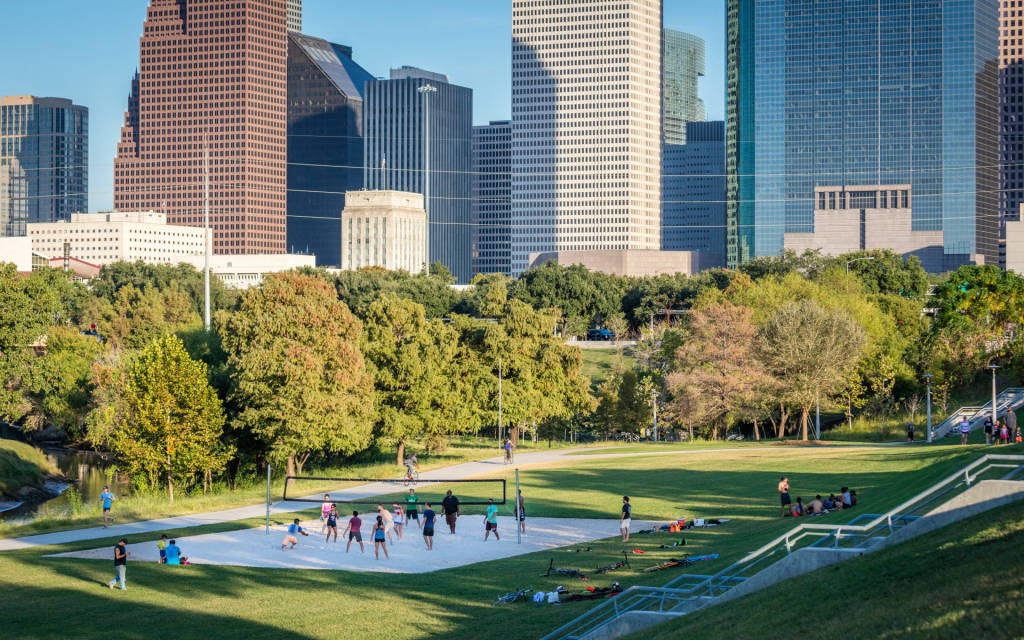
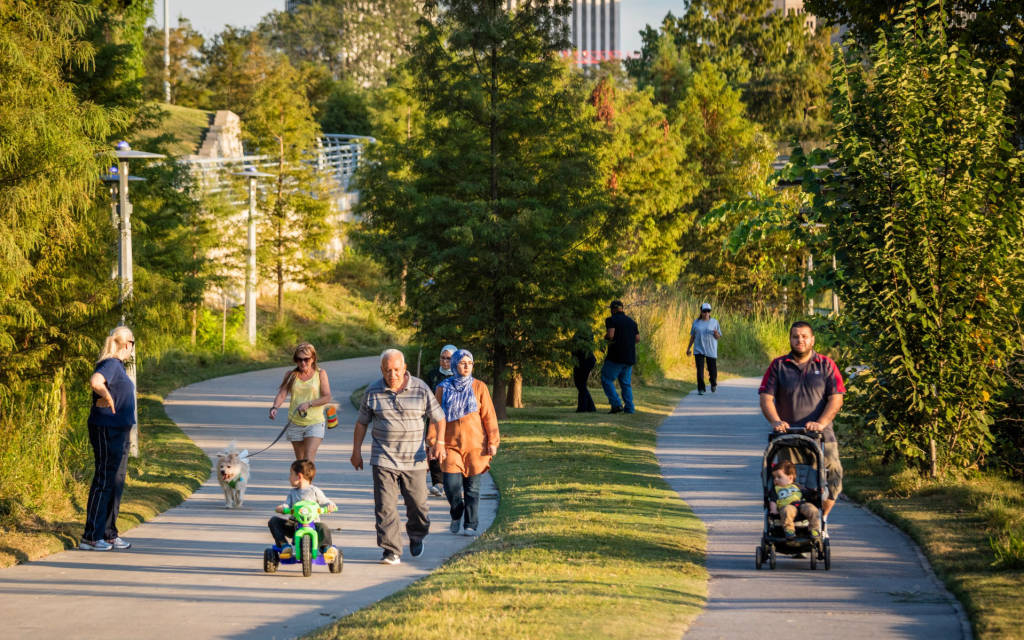
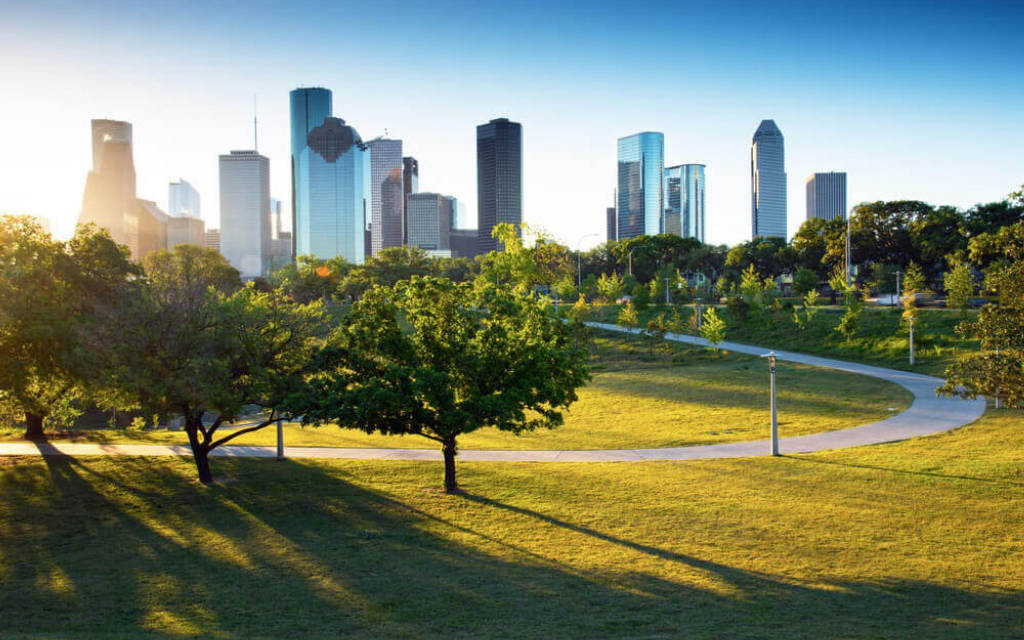
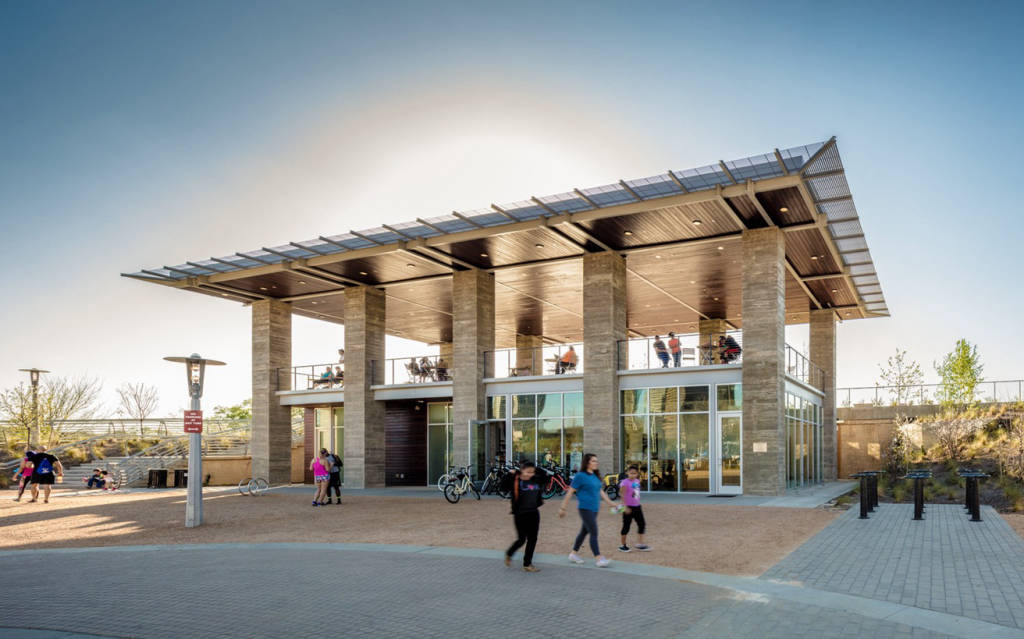
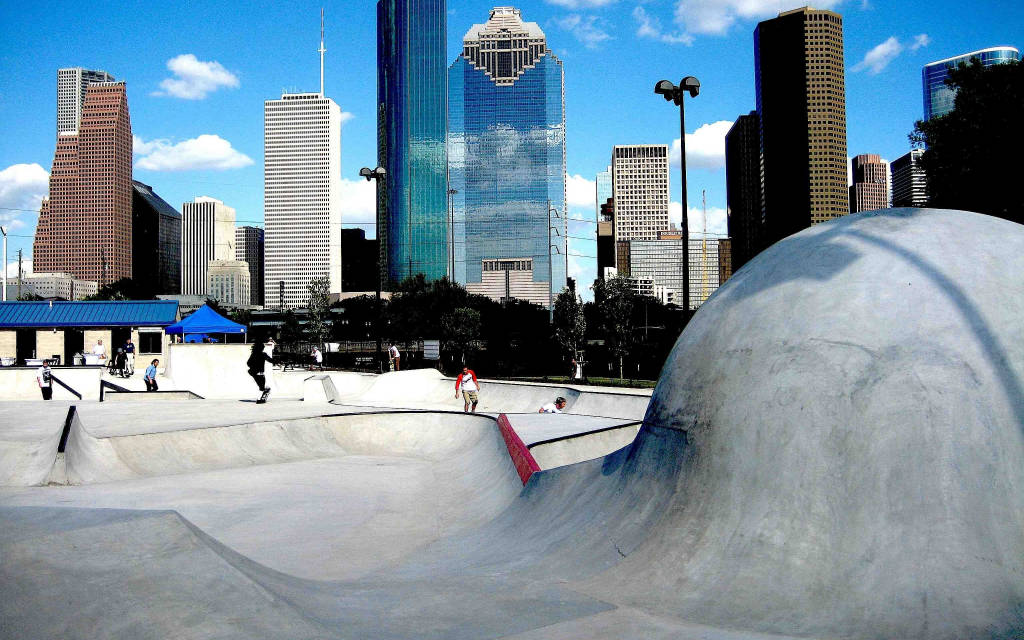
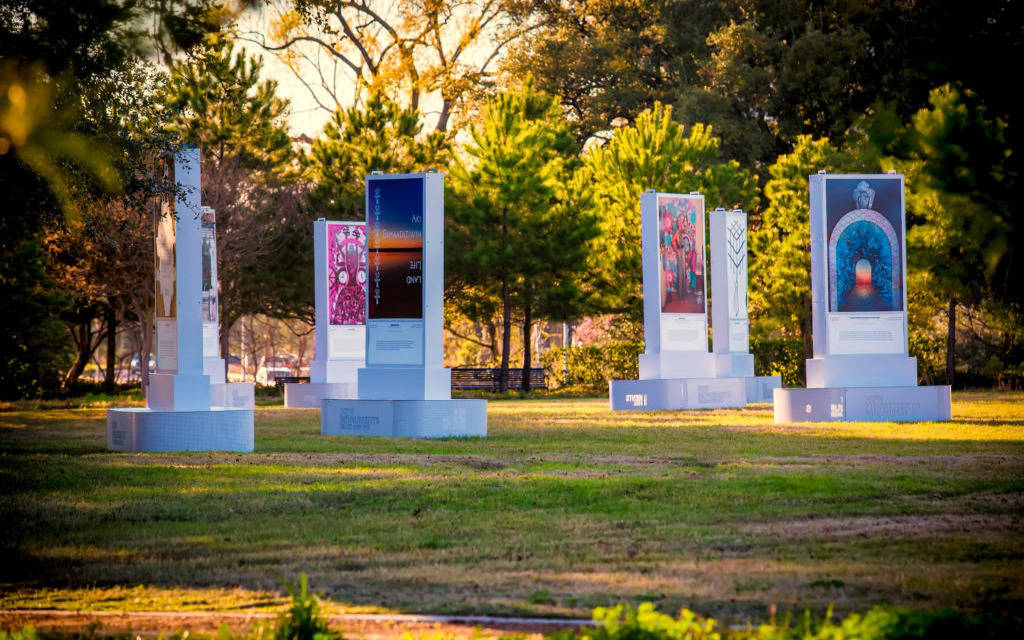
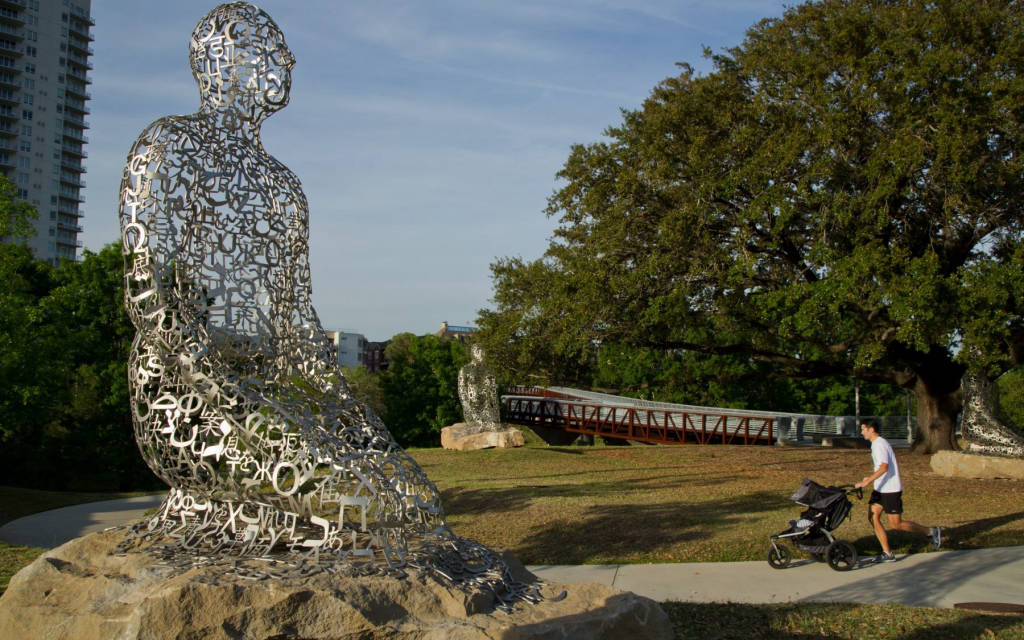
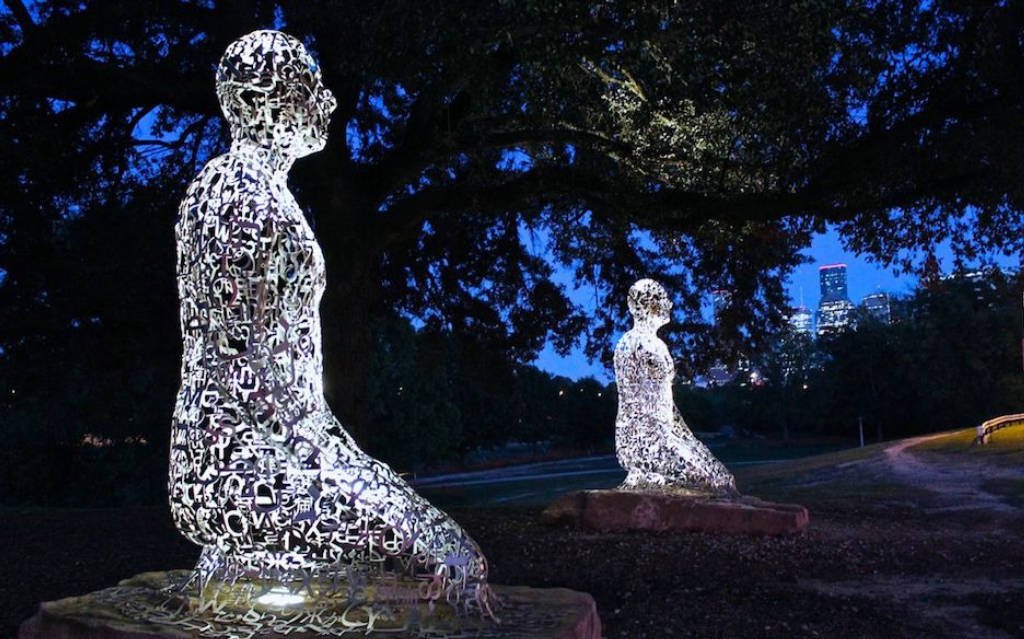
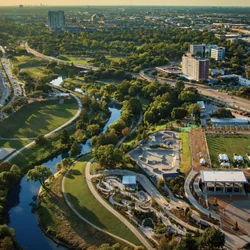
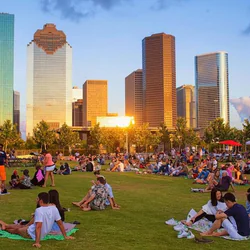
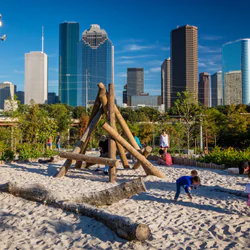
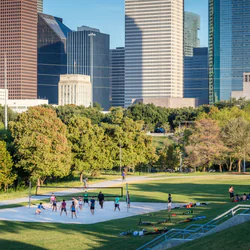
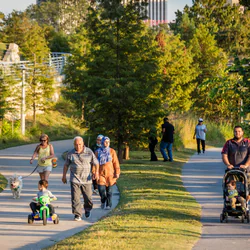
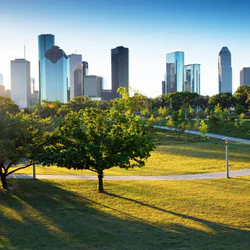
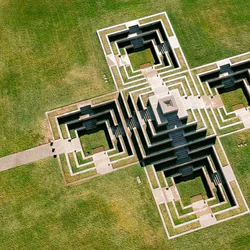
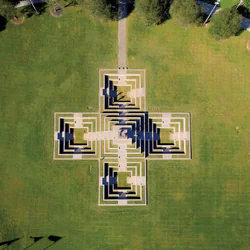
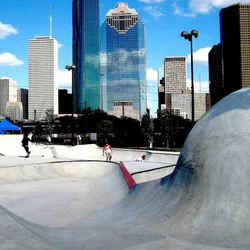
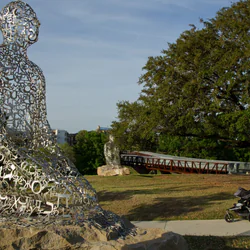
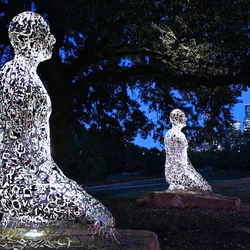
A 160-acre green space located along the 3.7km stretch of road includes beautiful gardens, green natural landscape, dog walking path, creative nature play area, trouser art them, is the ideal place for resort activities and outdoor fun.
In the 1860s - 1880s, Frederick Law Olmstead, the inventor of the landscape architecture profession and the design genius behind New York City's Central Park, promoted urban planning using the Natural environmental features make parks open to reduce urban density and introduce carefully crafted natural beauty into American cities. An 1892 design by George E. Kessler for a park and boulevard system using these ideas in Kansas City, Missouri, influenced city planning throughout the American South and Midwest and changed the views of even the leaders of the city of Houston.
The lands around the city are promising sites for the emergence of a new park. The series of floods also called for a plan to prevent future disasters. Therefore, bay shores in the form of parks and recreation areas without buildings were the answer to both problems at the time.
The idea of acquiring all the land along the head bay for the construction of a park road seemed unworkable due to the presence of cemeteries, but a start was made in 1899 with the purchase of a brick mill. Samuel W. Young on the north bank of the Bayou. In 1906, Vick's Park was privately owned and the Houston Water Works Company was purchased, both located on the banks of the Bayou. Much effort was made to incite a vote for a $250,000 bond election to buy back the park. More park properties have been acquired along Buffalo Bayou, a 20-acre site adjacent to Cleveland Park and the Hebrew Cemetery, and a 35-acre site at the intersection of Shepherd's Dam Road (now Shepherd's Road). Drive) and San Felipe Street (west of Dallas).
Later, through many times of expansion and change of planning and design methods, by 2015, Buffalo Bayou Park was completed and officially put into operation with a construction cost of about 58 million USD.
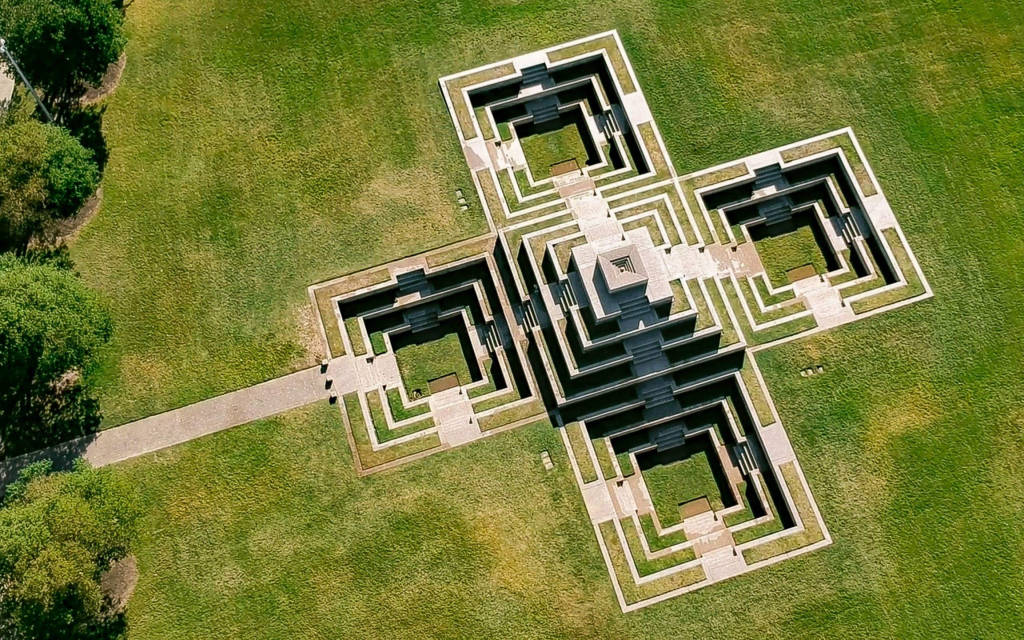
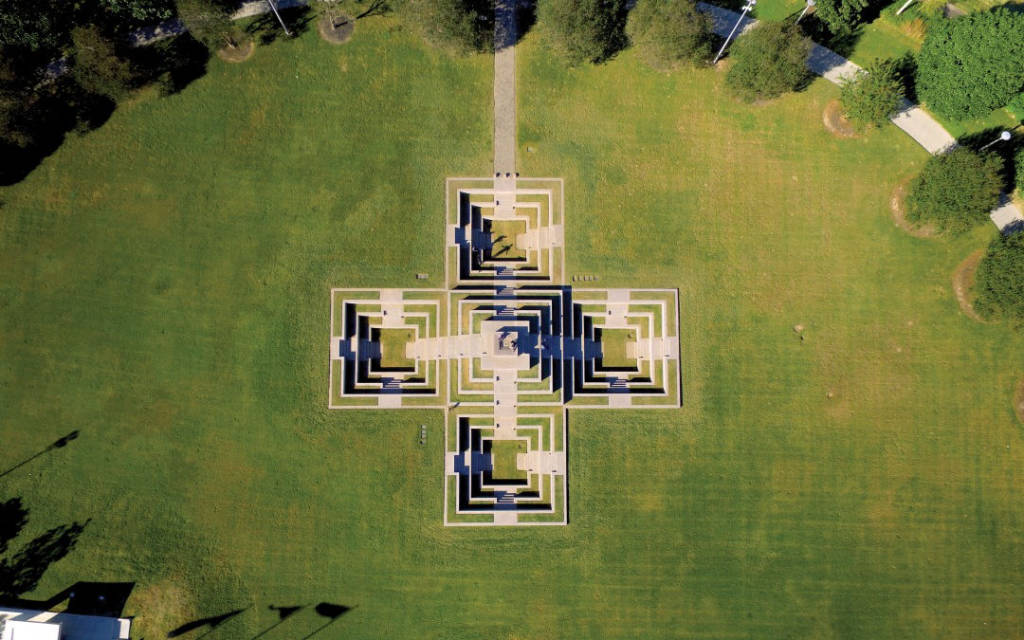
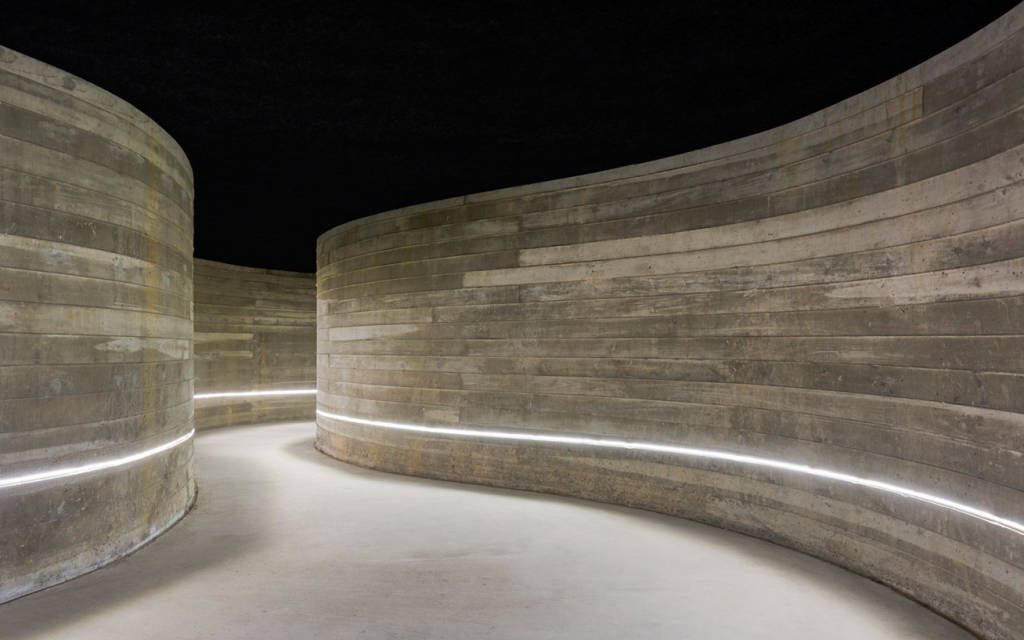
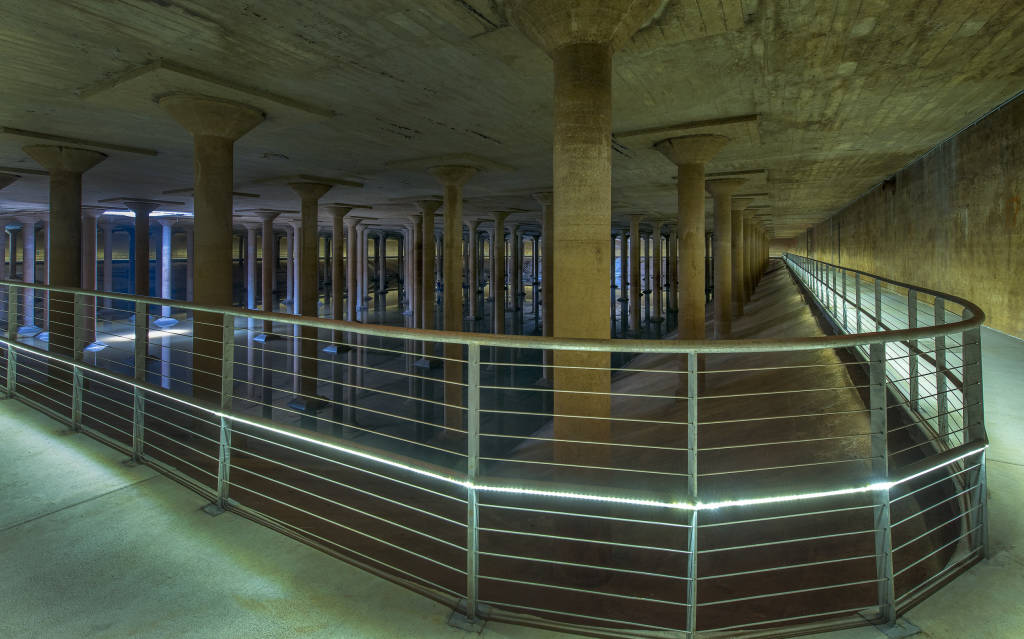
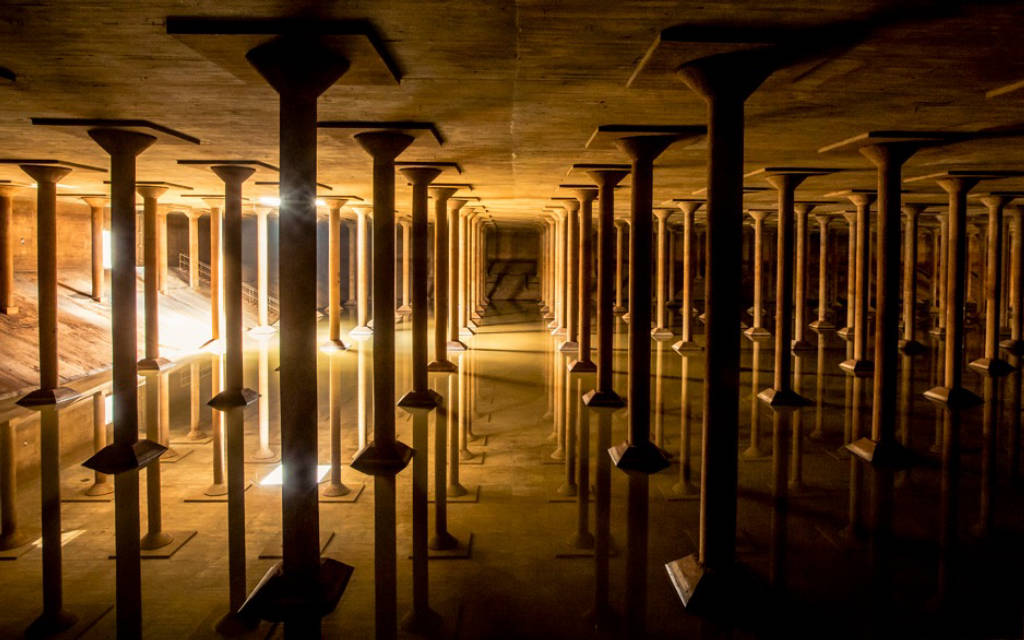
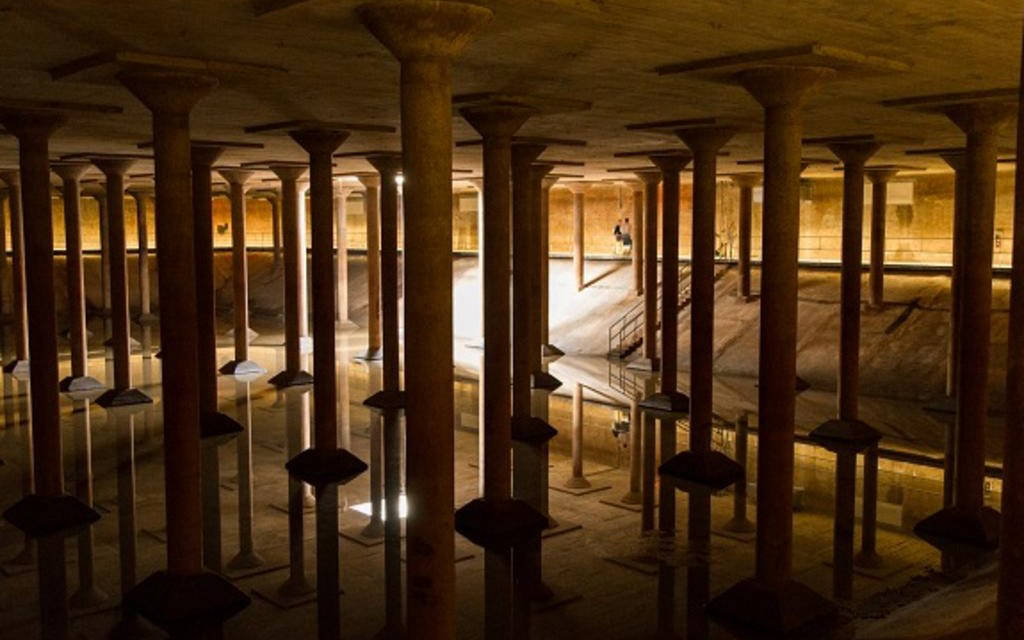
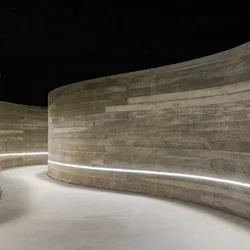
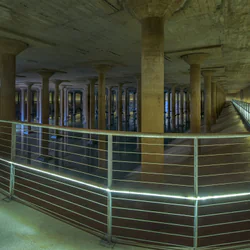
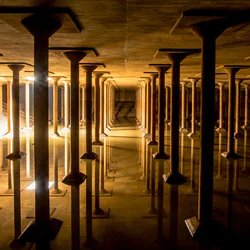
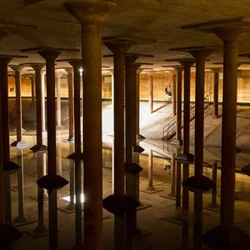
One interesting thing about Buffalo Bayou Park is an abandoned drinking water reservoir called Buffalo Bayou Cistern. This lake was built in 1926, after many years of operation, an irreparable leak was discovered and this more than 8,000 square meter underground reservoir was forced to shut down in 2007. Recognizing the significance of this landmark, the park's executive committee renovated and repurposed the Cistern into a magnificent public space. In addition to tours highlighting the history and architecture of the space, Cistern also has an ambitious program of changing installation art.
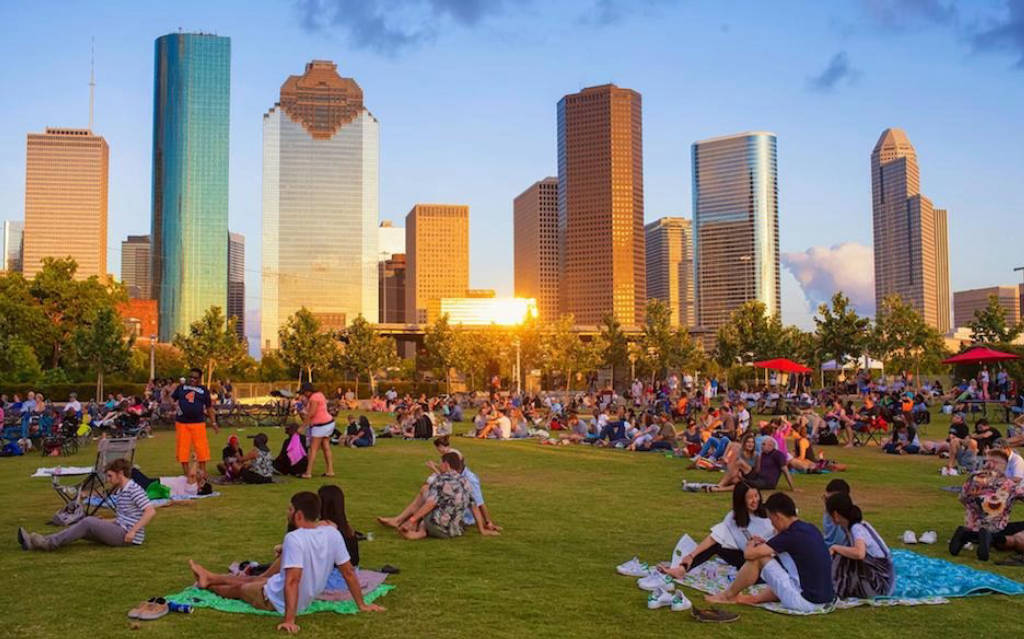
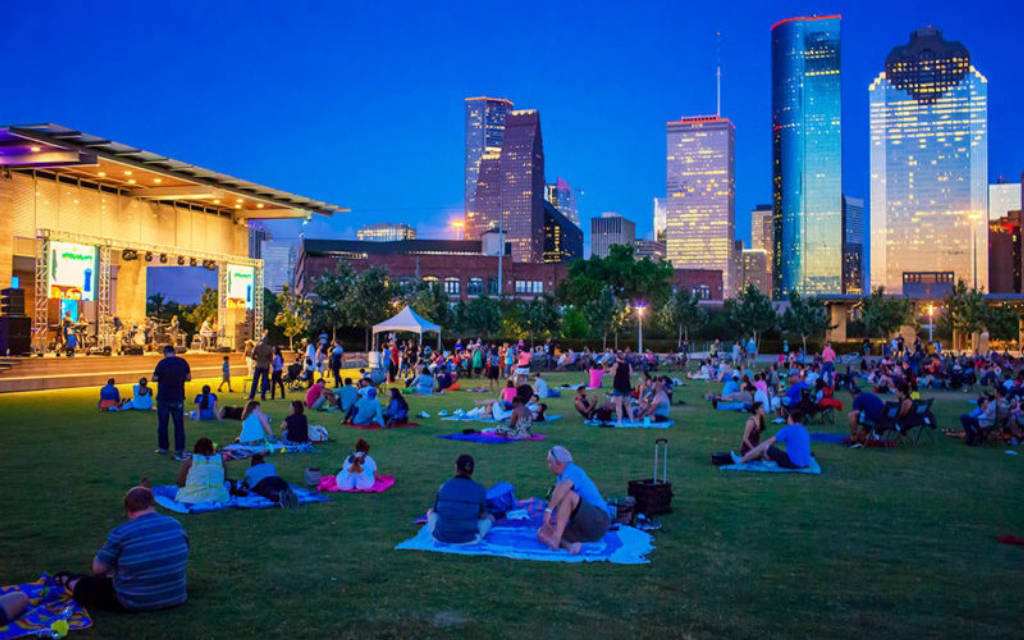
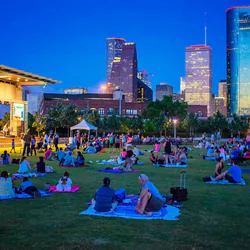
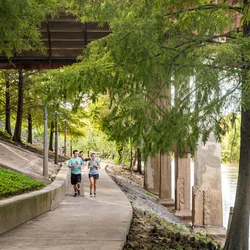
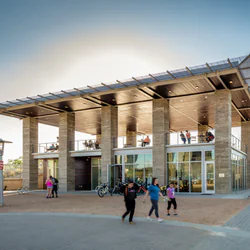
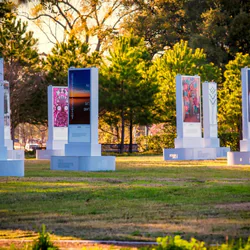
Most of the time, though, Buffalo Bayou is just a park. It's a thriving ecosystem, a venue for community events, an outdoor public art gallery and an oasis for families, joggers, dog walkers, birdwatchers. and cyclists. Its capacity is so great that about 44,000 households can reach the park within a 10-minute walk and half a million people within 30 minutes of cycling here.
Website : www.buffalobayou.org
Phone : (713) 752-0314
Operating hours : 06:00 - 23:00 on weekdays