


See all results for ""

 Anytime
 Tiếng ViệtEnglish
 한국어
한국어 日本語
日本語 简体中文
简体中文 Français
 Deutsch
 Español
 Italiano
 Русский


 Login for Corporates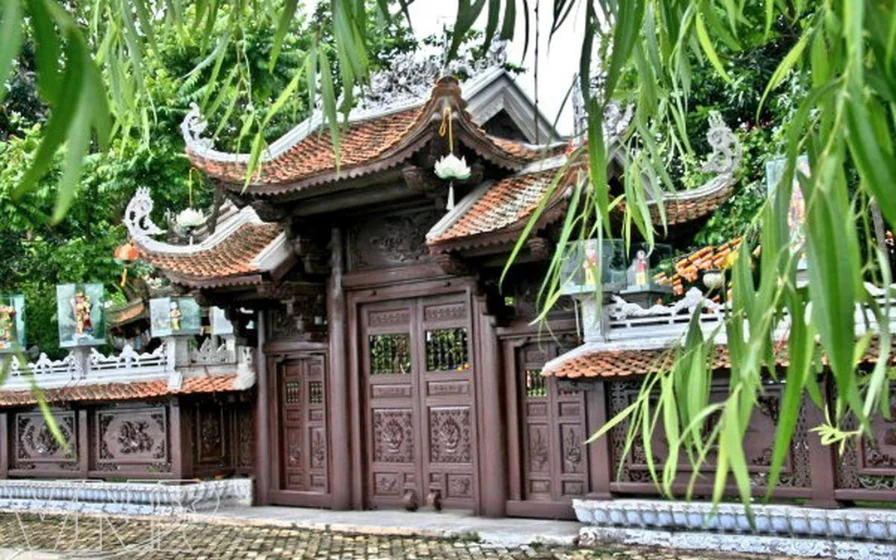
Van Nien Pagoda
 364 Lac Long Quan Street, Tay Ho Ward, Hanoi, Vietnam
Van Nien Pagoda is one of Hanoi’s oldest Buddhist temples, located near West Lake. Known for its peaceful atmosphere, traditional architecture, and long history, the pagoda offers visitors an opportunity to explore the cultural and spiritual heritage of the Vietnamese capital.
Nestled by the poetic West Lake, Van Nien Pagoda formerly known as Van Tue —was built in the 11th century during the Lý dynasty, making it over 1,000 years old. It is one of the oldest pagodas in Hanoi. Beyond its serene atmosphere and tranquil scenery, the pagoda preserves significant cultural, architectural, and historical imprints tied to the formation and development of ancient Thăng Long.
1. Introduction to Van Nien Pagoda
Van Nien Pagoda is located on Lac Long Quan Street, along the banks of West Lake. Despite undergoing several restorations and expansions, the pagoda has retained its solemn ambiance and distinctive traditional cultural values.
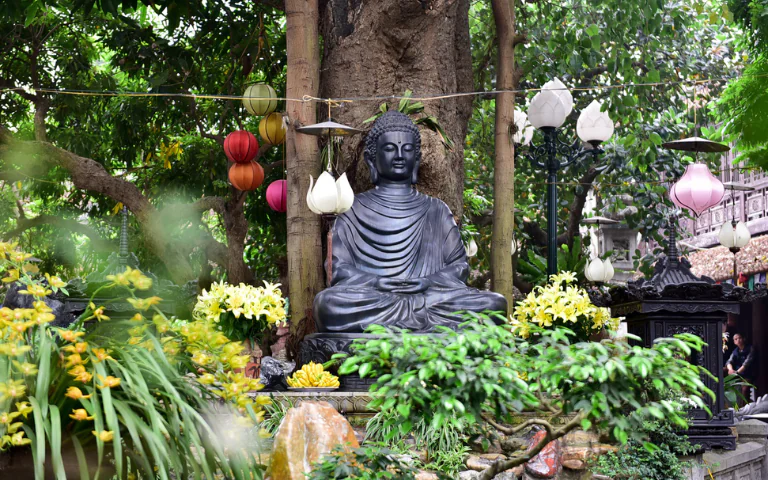
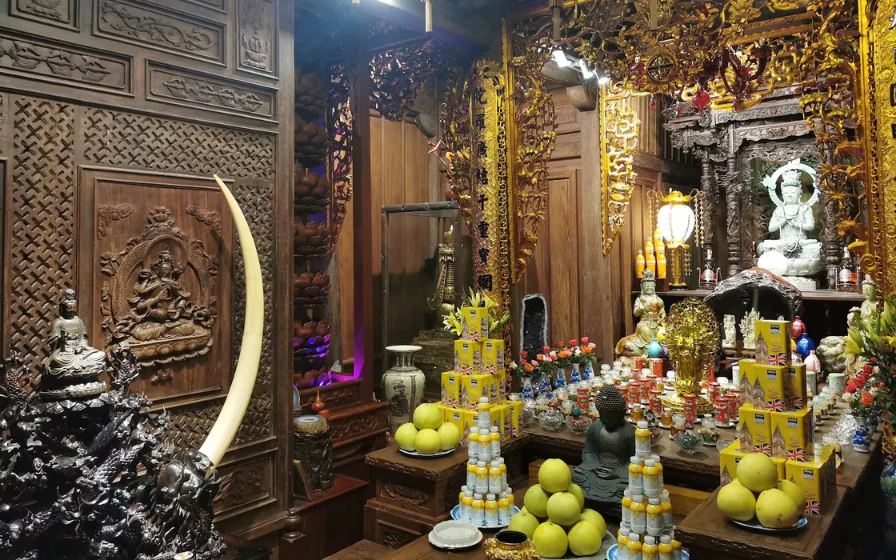
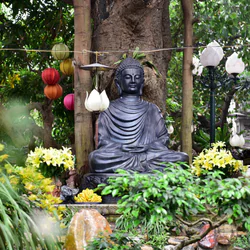
Serving not only as a place of worship for locals, it is also a destination for visitors seeking to learn about Buddhist history and the cultural life of the capital. Inside the pagoda stands a statue of Shakyamuni Buddha carved from a rare natural jade block imported from Myanmar, measuring 1.3 meters in height and weighing 600 kilograms. This sacred jade Buddha statue is considered unique in Vietnam.
2. Architecture and Spiritual Space
2.1. Distinctive Traditional Architecture
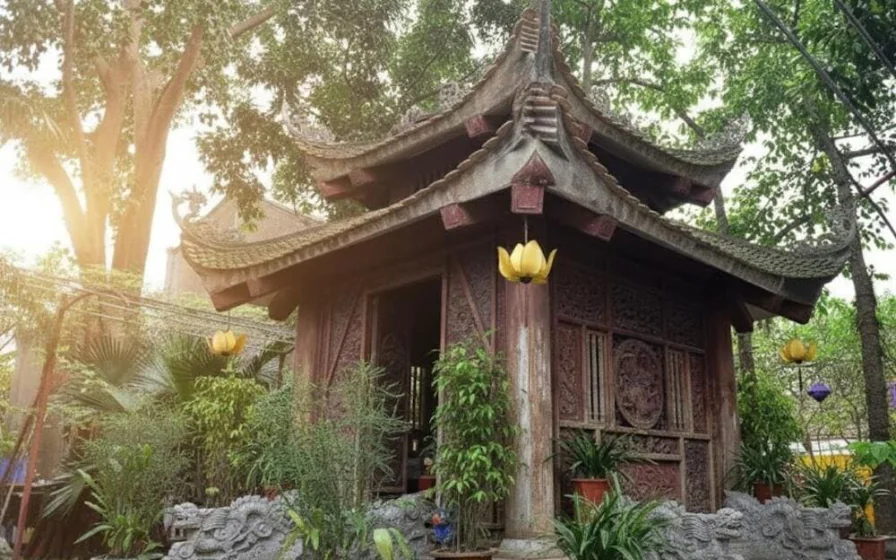
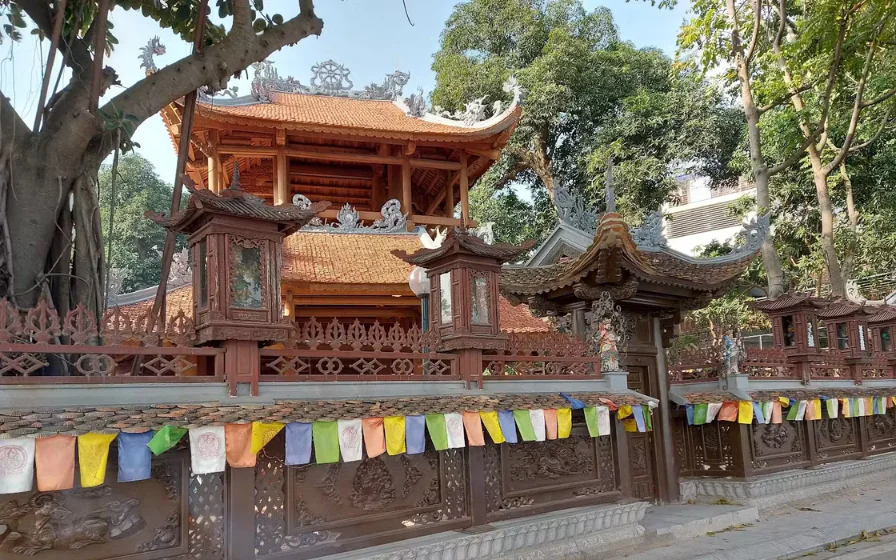
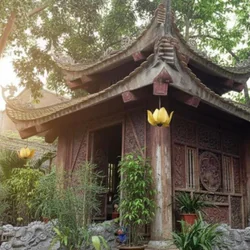
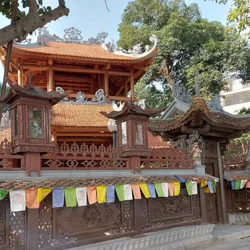
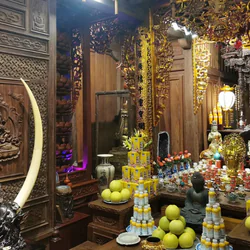
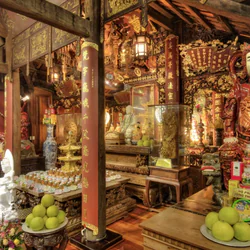
The pagoda embodies traditional Vietnamese Buddhist architecture with its harmonious layout of the triple gate, courtyard, main hall, and auxiliary structures. Intricate carvings, worship statues, and parallel sentences contribute to its solemn and ancient atmosphere.
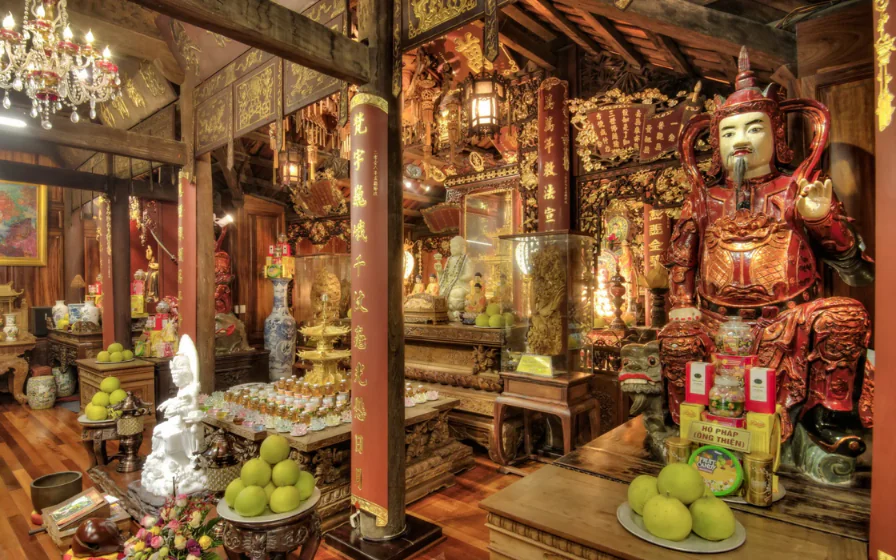
The pagoda worships both Buddha and Mother Goddesses, consisting of five compartments and three sanctuaries. Its structures face east, including the triple gate, main pagoda, Mother Goddess shrine, monks’ quarters, and auxiliary houses. Surrounding the architecture are ancient trees, enhancing the beauty and tranquility of the sacred space.
On the roof, the embossed characters “Van Nien Tu” are prominently displayed. Traditional materials such as wood are used for the triple gate, front hall, ancestral house, guest hall, and Avalokiteshvara pavilion. Decorative motifs carved on pillars and beams feature familiar Vietnamese themes like the Four Sacred Animals and the Four Seasons.
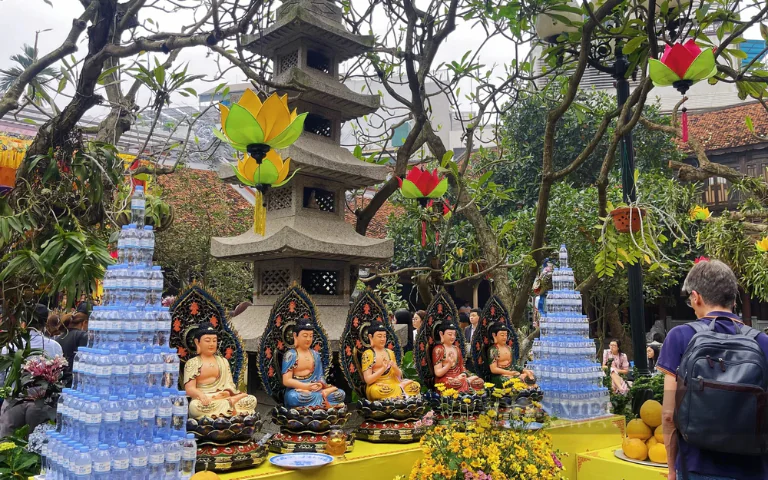
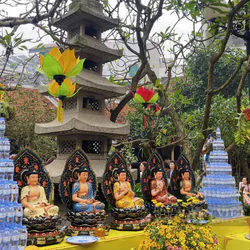
The pagoda preserves 46 statues, including 26 Buddha statues, 20 Mother Goddess statues, and ancestral figures. Some date back to the Le Trung Hung period (17th–18th centuries), while others belong to the Nguyễn dynasty. In addition to its architectural value, the pagoda houses valuable cultural and historical collections such as royal decrees from the Le and Tay Son dynasties, and bronze bells from the Nguyen dynasty. The “Van Nien Tu Bell,” cast during Emperor Gia Long’s reign (1802–1820), describes the pagoda as a grand ancient landmark in western Thăng Long.
Despite numerous restorations, the pagoda has preserved its traditional beauty, reflecting the architectural and artistic values typical of ancient northern Vietnamese pagodas.
2.2. Tranquil Space by West Lake
One of the pagoda’s charms is its location by West Lake, offering a peaceful and refreshing atmosphere. The sound of temple bells, the shade of green trees, and the lake’s scenery create an ideal environment for meditation and inner peace amidst urban life.
This is why many visitors come not only to worship but also to enjoy moments of relaxation in Hanoi’s distinctive cultural setting.
3. Cultural and Historical Value
Throughout history, Van Nien Pagoda has been closely tied to the spiritual life of West Lake residents and is part of Hanoi’s ancient cultural heritage system. It preserves values of history, religion, and national tradition.
For those passionate about exploring history and ancient architecture, the pagoda offers insights into the development of Buddhism and the role of religious institutions in community life over centuries.
4. Conclusion
With its long history, traditional architecture, and tranquil setting by West Lake, Van Nien Pagoda is a meaningful destination for anyone wishing to explore Buddhist culture, discover Hanoi’s historical values, or simply find a moment of peace in the heart of the city.
Visitor Tips
• Opening hours: 06:00 – 21:00 daily.
• On festivals, New Year, or lunar days (1st and 15th), hours may be extended to serve worshippers and visitors.
• Dress code: Wear respectful, appropriate attire for a religious space.
• Etiquette: Maintain silence and respect ongoing rituals.
• Best time to visit: Early morning or late afternoon, when the weather is cooler and West Lake is more peaceful.
Would you like me to refine this into a travel-style guide (more engaging for tourists) or keep it as a formal historical translation?