


See all results for ""

 Anytime
 Tiếng ViệtEnglish
 日本語
日本語 한국어
한국어 简体中文
简体中文 Français
 Deutsch
 Español
 Italiano
 Русский


 Login for Corporates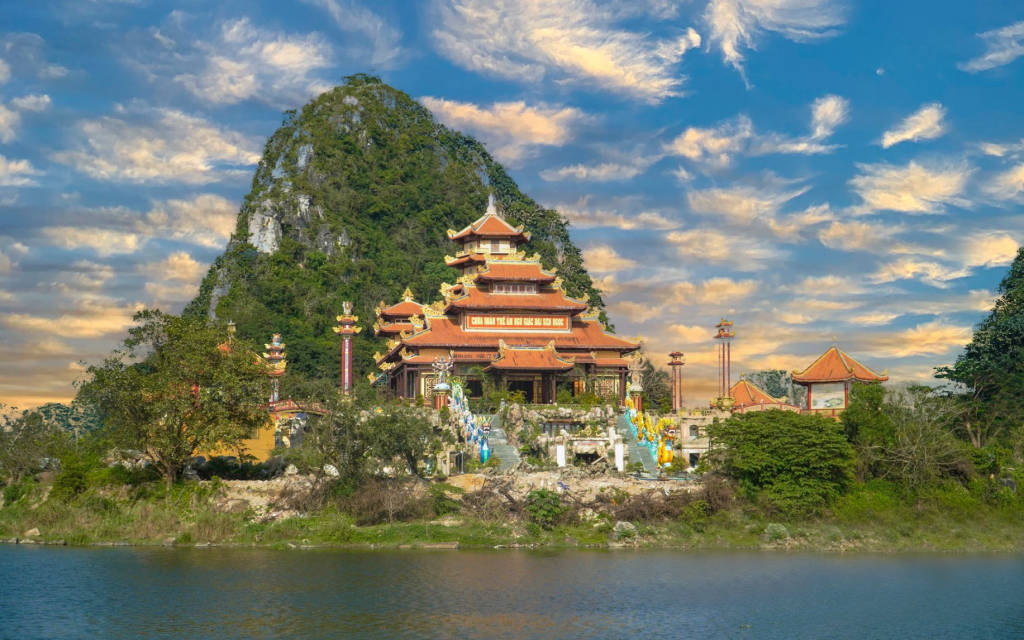
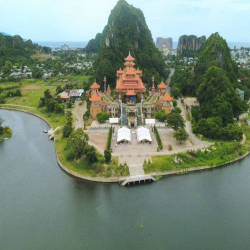
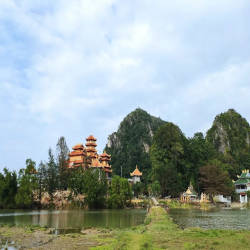
Quan The Am Pagoda – A Sacred Buddhist Sanctuary in Da Nang
 48 Su Van Hanh, Hoa Hai, Ngu Hanh Son, Da Nang, Vietnam
While the blue sea, Marble Mountains, and modern bridges make Da Nang a vibrant and dynamic city, Quan The Am Pagoda brings a serene and spiritual touch to the landscape. Nestled at the foot of Kim Son Mountain – one of the famous Marble Mountains – this pagoda is not only a pilgrimage site for Buddhists across Vietnam but also a cultural and spiritual destination for travelers. Every step into this sacre6d place feels like a journey toward peace, where the sound of the temple bell blends with the breath of nature, bringing a deep sense of tranquility to the soul.
1. General Information
1.1. Location
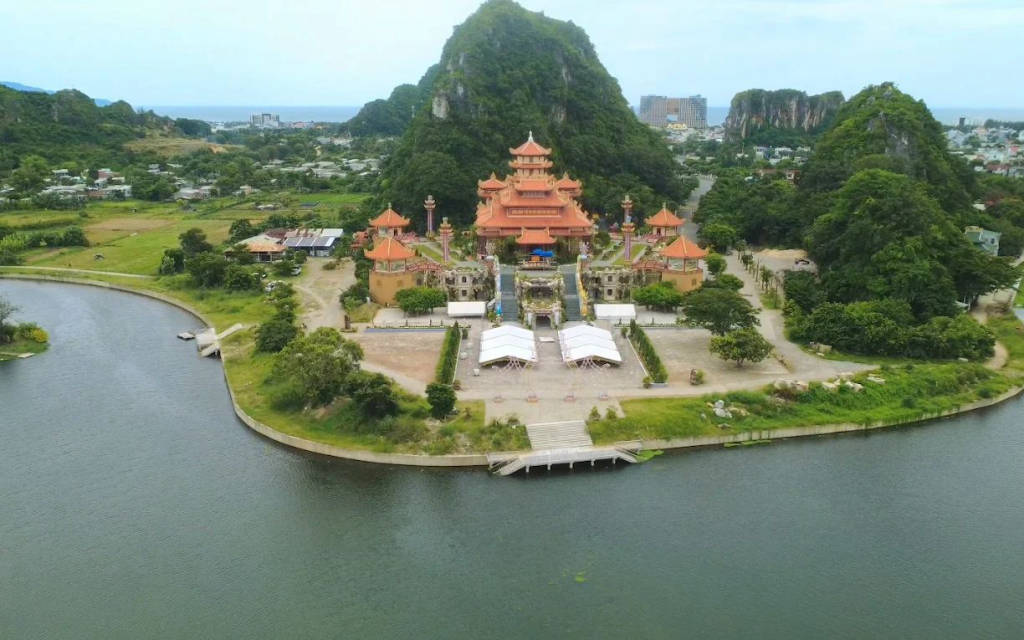
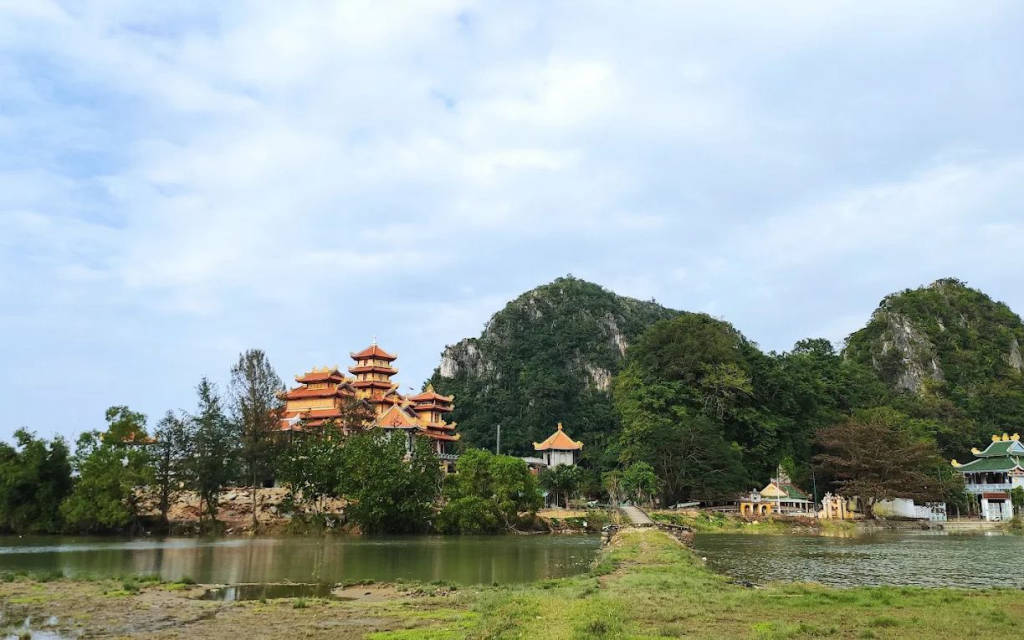
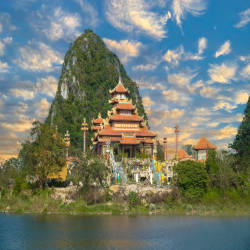
Quan The Am Pagoda is located at the foot of Kim Son Mountain, part of the Marble Mountains cluster, about 8km southeast of Da Nang city center. The pagoda is conveniently accessible and surrounded by picturesque scenery with mountains at the back and the sea in front.
1.2. Significance
The pagoda is regarded as one of the most important Buddhist centers in Central Vietnam, deeply connected with the spiritual life of locals and influential throughout the country. With its unique architecture, serene atmosphere, and renowned annual festival, it has become a sacred sanctuary where visitors can discover inner peace and understand the Buddhist spirit of compassion and mercy.
2. History
2.1. Origins
Quan The Am Pagoda was founded in 1957 by Venerable Thich Phap Nhan. At first, it was just a small shrine enshrining a statue of Avalokitesvara Bodhisattva (Quan The Am) that he brought back from India. Over time, the spiritual significance of the site and the devotion of the local people transformed it into a major pilgrimage destination.
2.2. Development
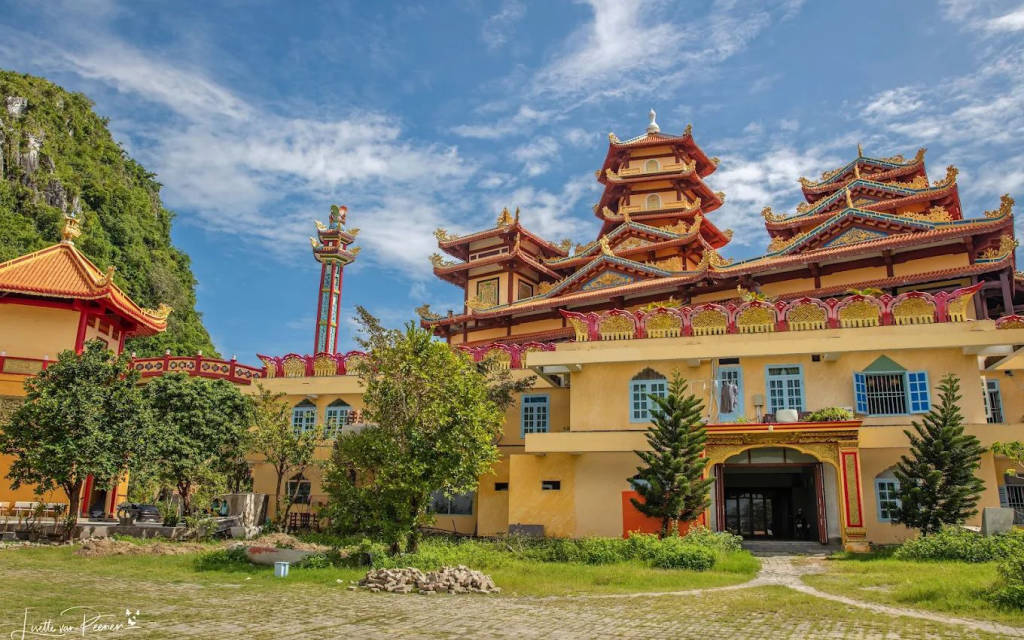
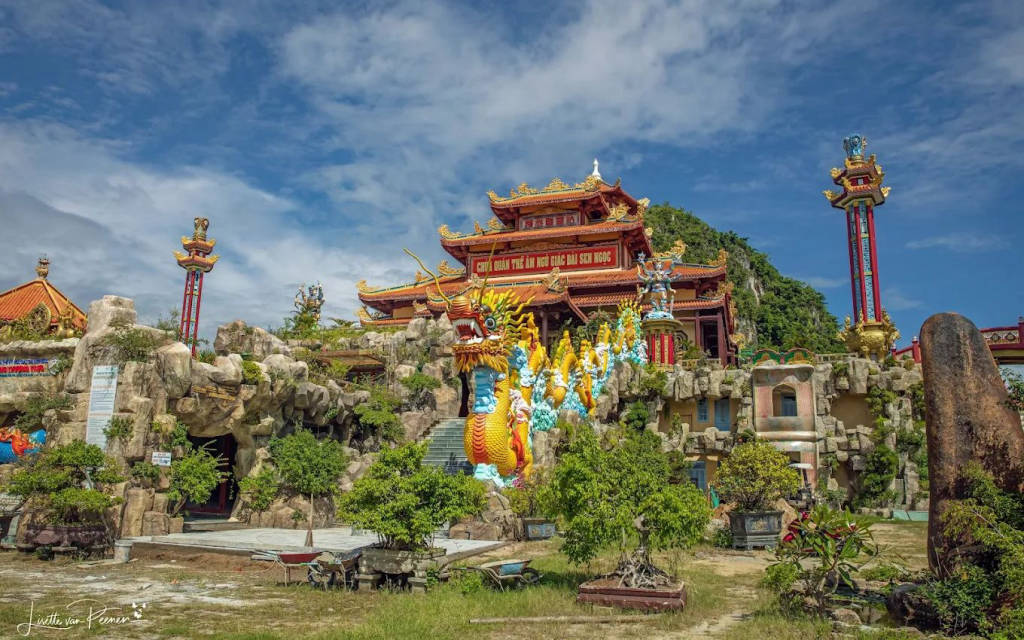
Through more than half a century, the pagoda has undergone several restorations and expansions. From a modest temple, it has grown into a large religious complex with a main hall, towers, artificial caves, and auxiliary structures. The annual Quan The Am Festival has further enhanced its reputation as a spiritual and cultural landmark of Da Nang.
3. Architecture & Space
3.1. Overall Design
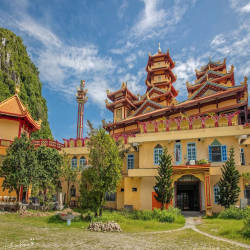
Quan The Am Pagoda showcases traditional Vietnamese Buddhist architecture, blending man-made structures harmoniously with nature. The three-entrance gate, curved-tile roofs, brick walls, and surrounding gardens create an atmosphere that is both solemn and tranquil.
3.2. Highlights
- Main Hall: spacious and solemn, housing statues of the Buddha and Bodhisattvas.
- Statue of Avalokitesvara Bodhisattva: the spiritual heart of the pagoda, radiating compassion and peace.
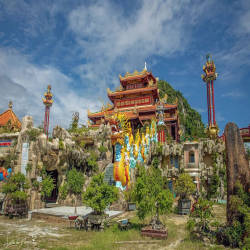
- Quan Am Cave: an extraordinary construction resembling a spiritual world, filled with intricately carved statues illuminated by soft light, creating a mystical ambiance.
- Multi-tiered Stupa: a sacred tower that preserves Buddhist relics and serves as a pilgrimage spot for devotees.
3.3. Spiritual Space
Beyond the architecture, the entire compound exudes tranquility. Visitors can stroll around the gardens, listen to the temple bell, hear the mountain breeze and the sound of waves, and experience the harmony of nature and Buddhist teachings.
4. Quan The Am Festival
4.1. Time
The festival is held annually on the 19th day of the second lunar month, the day of Avalokitesvara Bodhisattva’s manifestation.
4.2. Main Activities
- Religious rituals: prayers for peace, health, favorable weather, and prosperity for the people.
- Traditional performances: lion dances, folk songs, and traditional musical instrument performances.
- Charity activities: free vegetarian meals, donations to the poor, spreading the Buddhist spirit of compassion.
- International cultural exchange: welcoming Buddhist delegations from Vietnam and abroad.
The festival is not only a significant religious event but also a vibrant cultural highlight that enriches Da Nang’s tourism image.
5. Cultural & Spiritual Values
5.1. A Sacred Pilgrimage Site
The pagoda is a spiritual refuge where Buddhists and visitors come to pray for health, happiness, and peace. Many believe that worshiping Avalokitesvara here helps relieve suffering and brings inner harmony.
5.2. Cultural Significance
Quan The Am Pagoda is a living testament to the integration of Buddhism and Vietnamese cultural identity. Its architecture, festivals, and religious activities contribute to preserving traditional values while enhancing the cultural richness of Da Nang’s tourism.
6. Visitor Information
- Opening hours: from early morning until late afternoon (free entrance).
- Dress code: modest and respectful attire is required.
- How to get there: about 15–20 minutes from Da Nang city center by taxi, motorbike, or guided tour.
- Notes: maintain cleanliness, avoid loud noise, and do not touch statues or sacred objects.
7. Conclusion
Quan The Am Pagoda is more than just a religious site; it is a cultural and spiritual symbol of Da Nang. With its long history, solemn architecture, and vibrant festivals, the pagoda offers visitors a journey that is both sacred and culturally enriching. Coming here, you will not only find peace for your soul but also deeply appreciate the Buddhist values of compassion and kindness – a timeless spiritual strength that endures through generations.