


See all results for ""

 Anytime
 Tiếng ViệtEnglish
 한국어
한국어 日本語
日本語 简体中文
简体中文 Français
 Deutsch
 Español
 Italiano
 Русский


 Login for Corporates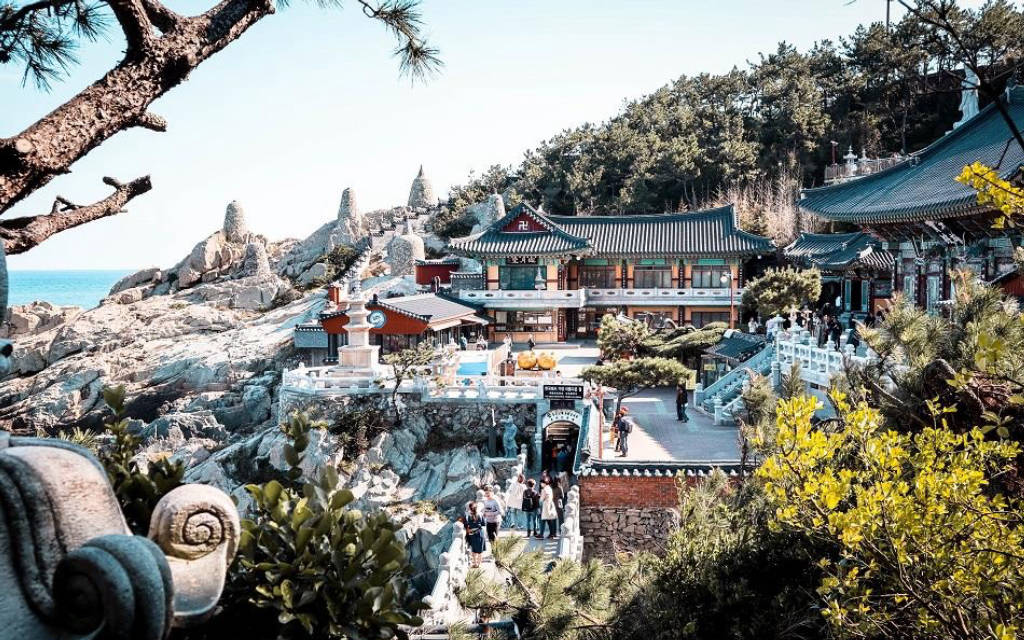
Haedong Yonggungsa Temple
 86 Yonggung-gil, Gijang-eup, Gijang, Busan, South Korea
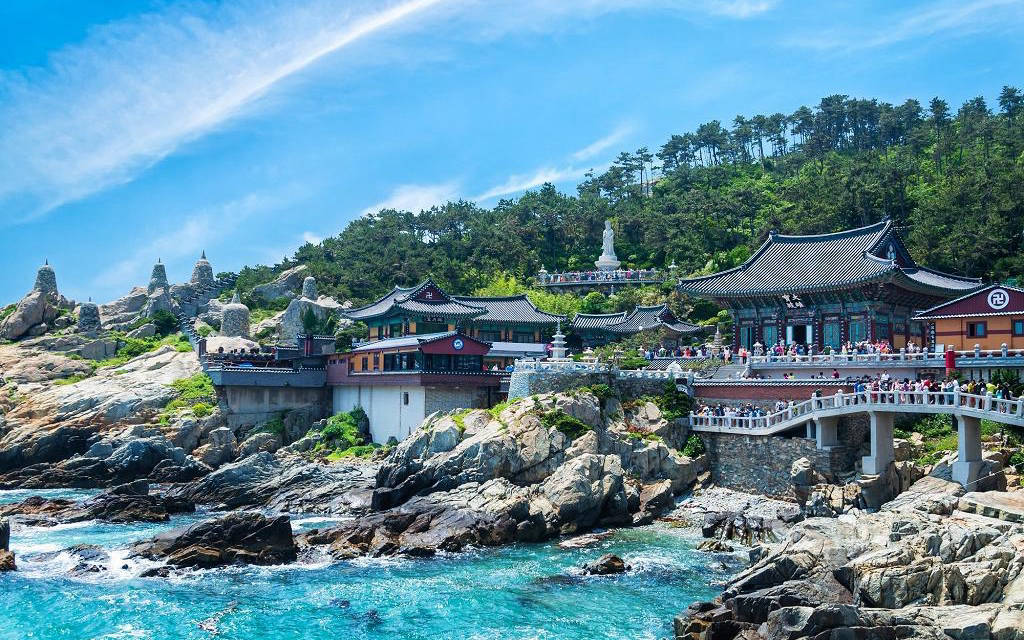
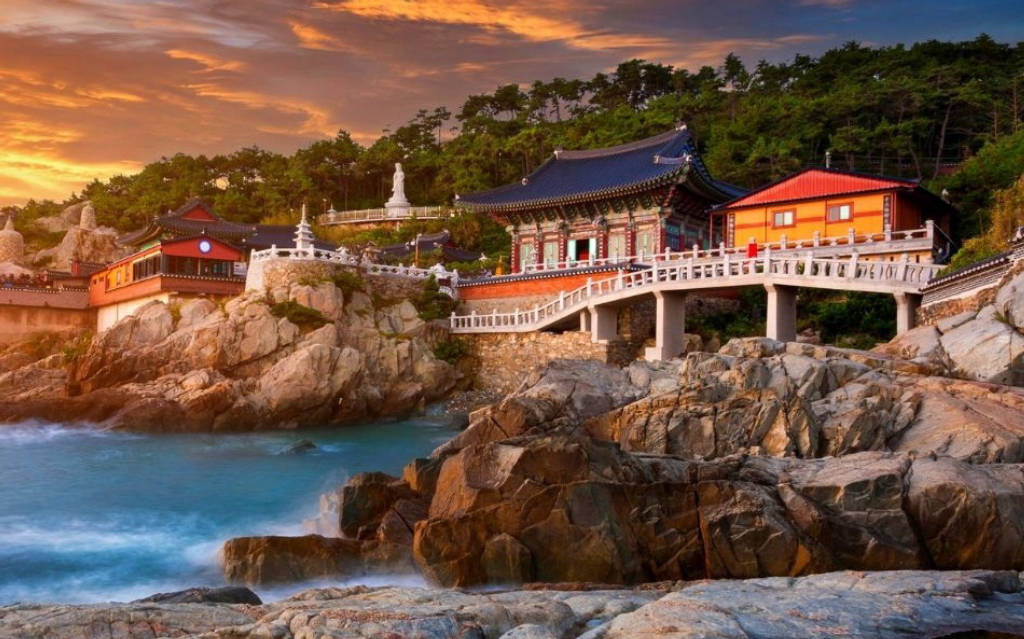
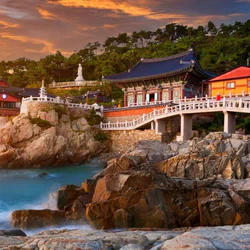
“One of the only seaside Buddhist temples in Korea, one of the country's most unique places of worship with over 600 years of history, known for its unusual location and mystical sites. "
Nestled on a beautiful stretch of coast northeast of Busan, Haedong Yonggungsa dates back to 1376 when it was founded by Naong Hyegeun (1320-1376), a royal consultant during the Goryeo dynasty (918-1392). and a great master who helped lay the groundwork for Buddhism during the Joseon era (1392-1910). It is said that while Naong was practicing asceticism at Bunhwangsa Temple in Gyeongju (present-day Korea), the place was affected by a drought that resulted in the destruction of crops and then a famine. Angry with the gods for not providing rain, people began to reject Buddhism, which was weakened by the widespread corruption in the religion at the time. Legend has it that one day, a sea god appeared in Naong's dream. The god told him that if he built a temple on the edge of Bongrae mountain and prayed there, the people would once again live happily and without hardship. Following what was told in the dream, Naong traveled to the location where Haedong Yonggungsa was currently standing. He immediately realized that the site was auspicious according to the principles of pungsu-jiri-seol, located between the mountains and the sea. Naong named the mountain Bongrae, alluding to the pure state of mind achieved by the great hermits, and built a temple there. The temple was then called Bomun, signifying the absolute and limitless power of Gwanseum-bosal, the Goddess of Mercy.
Like most temples in Korea, Haedong Yonggungsa was damaged and rebuilt over the years. During the first Japanese invasion of Korea (1592–1598), also known as the Imjin War, the temple was nearly destroyed by a fire, falling into ruin, where it still stands. at for many years. It was only in the early 1930s that the monk Ungang of Tongdosa Temple began to rebuild the complex. After his initial efforts, Ungang's fellow monks took great care to restore and take care of the temple. In 1974, when the temple's newly appointed abbot Jeong-am was practicing jeong-geon kido - 100 days of intensive prayer - he had a vision. The one who appeared before him was none other than the Goddess of Mercy, wearing a white cloak riding on a dragon that emitted a beam of multicolored light. Jeong-am later changed the temple's name to Haedong Yonggungsa, which means Korean Dragon Palace Temple.
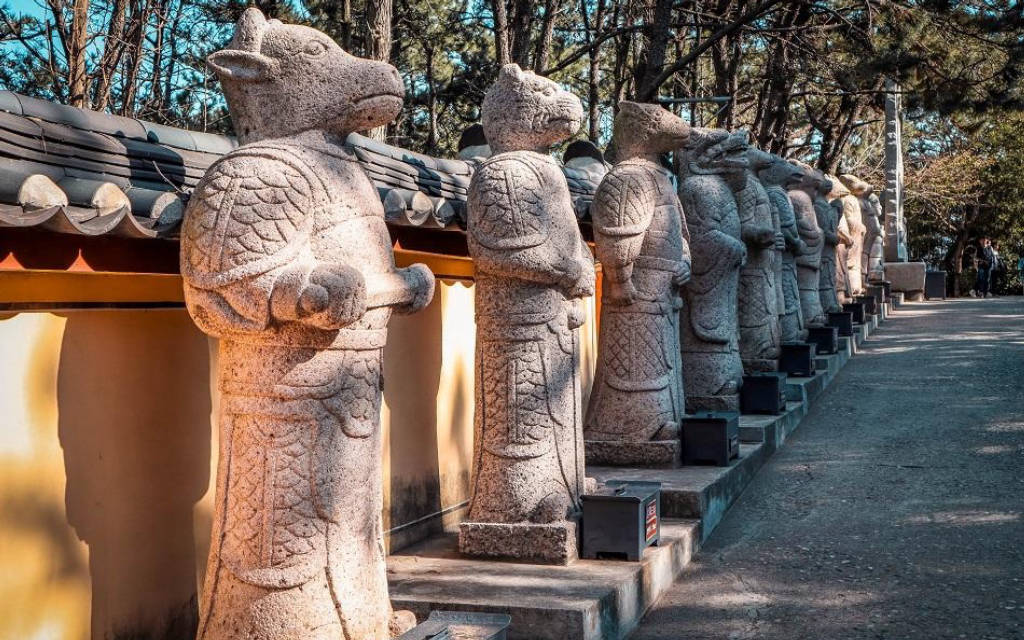
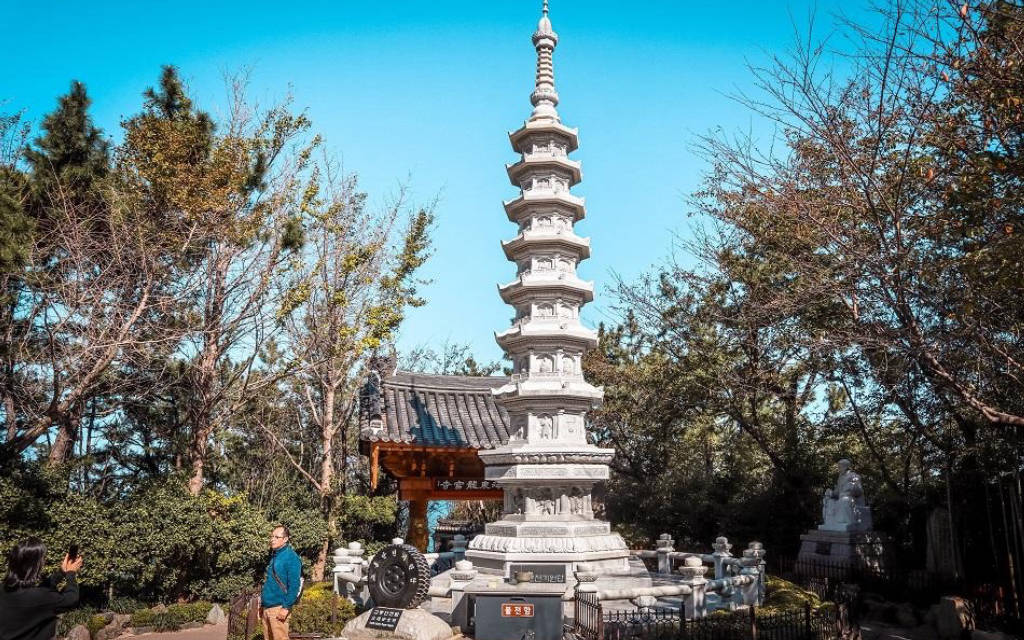
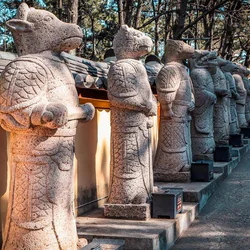
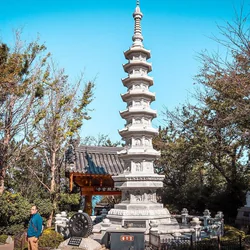
Today, Haedong Yonggungsa continues to preserve its unique religious traditions and harmony with nature, and is one of the three temples dedicated to the Goddess of Mercy. The complex is centered around the main Sanctuary of Daeungjeon, restored in 1970 with great attention to the colors used on its exterior. In front of the shrine is a magnificent three-chambered pagoda guarded by four stone lions representing joy, anger, love, and oh. Nearby is the Yacksayeorae Healing Buddha, a statue of Buddha wearing a bonnet (traditional Korean hat) believed to have healing powers, in addition to a path of 108 steps and stone lanterns through. Temple.
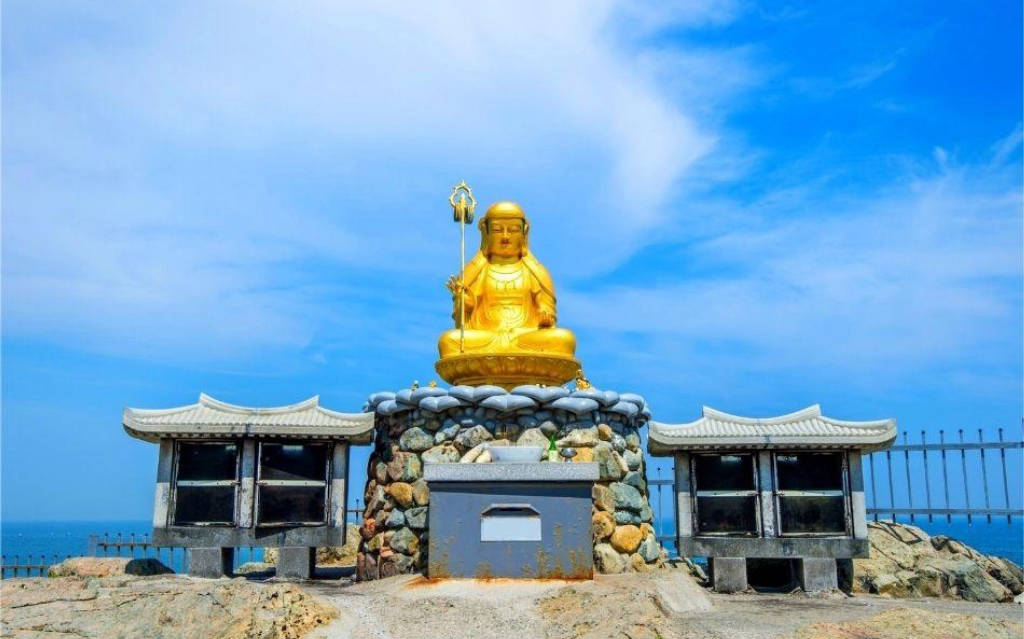
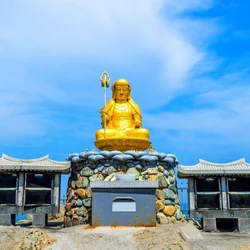
Perhaps the most notable site of Haedong Yonggungsa is Haesu Gwaneum Daebul, or the statue of the Goddess of Mercy. It is said that this structure is especially mysterious, as snow never settles here and even in winter, arrowroot flowers grow around it. In addition, a brilliant five-color light (like the one Jeong-am saw) mysteriously illuminated the statue on the third day after it was stored. These mysterious occurrences along with Haedong Yonggungsa's history, architectural beauty, and stunning ocean views continue to make it one of the most popular temples in Korea, attracting visitors. from all over the world looking for some spiritual peace.
Address: 86 Yonggung-gil, Gijang-eup, Gijang-gun, Busan
Opening hours: daily 05:00 - 19:00