


 Tiếng ViệtEnglish
 한국어
한국어 日本語
日本語 简体中文
简体中文 Français
 Deutsch
 Español
 Italiano
 Русский


 Login for Corporates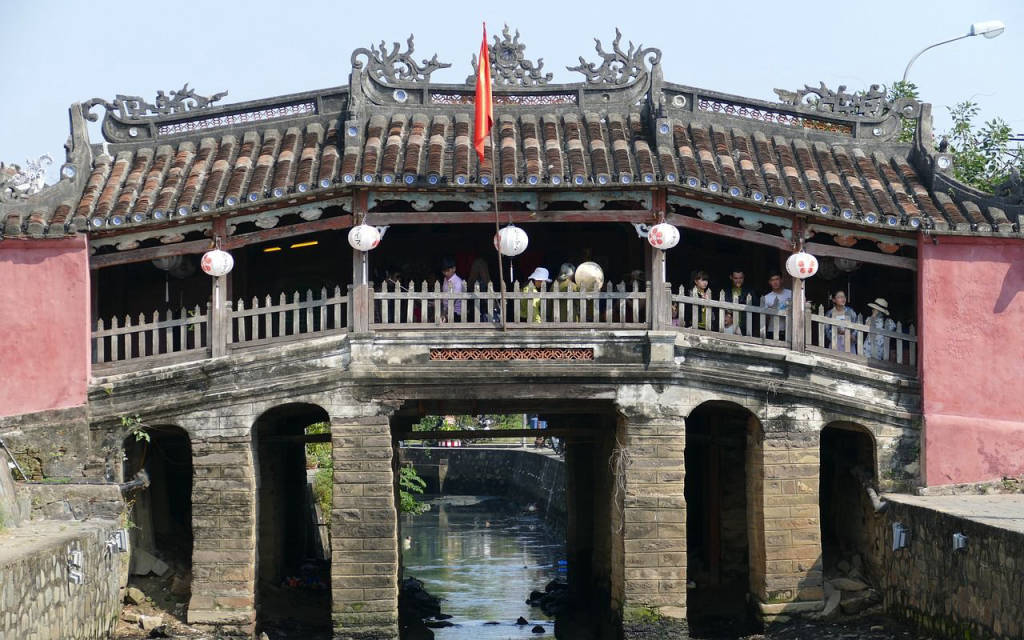
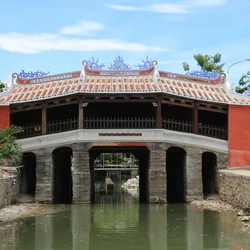
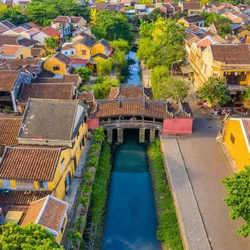
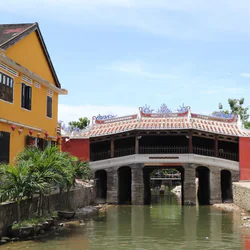
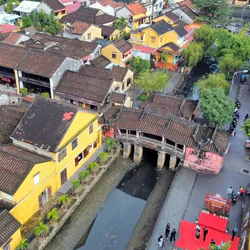
Chua Cau - The Japanese Covered Bridge
 Minh An Ward, Hoi An City, Quang Nam Province, Vietnam
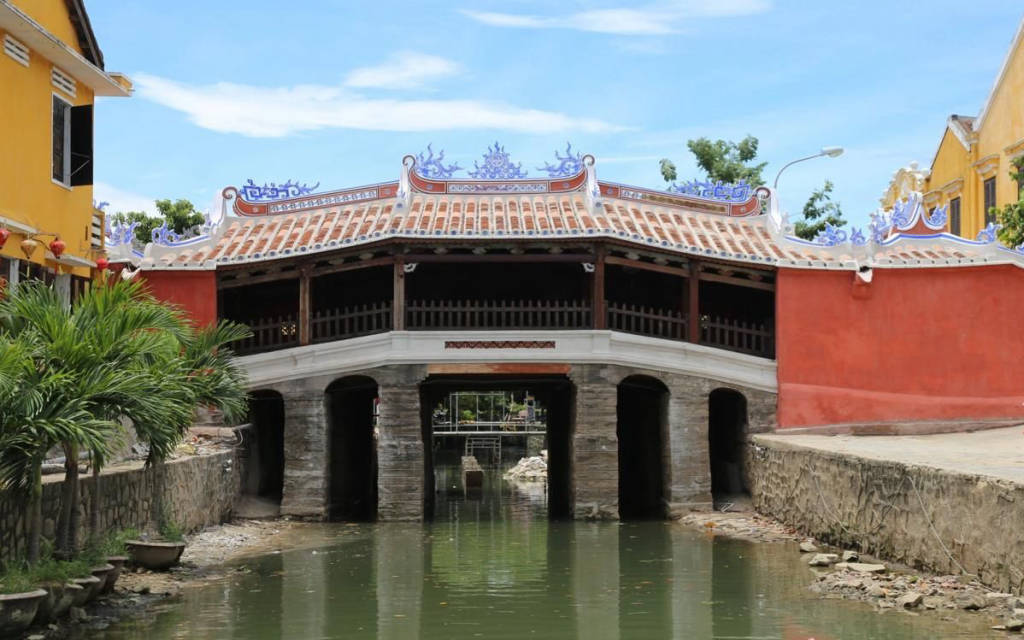
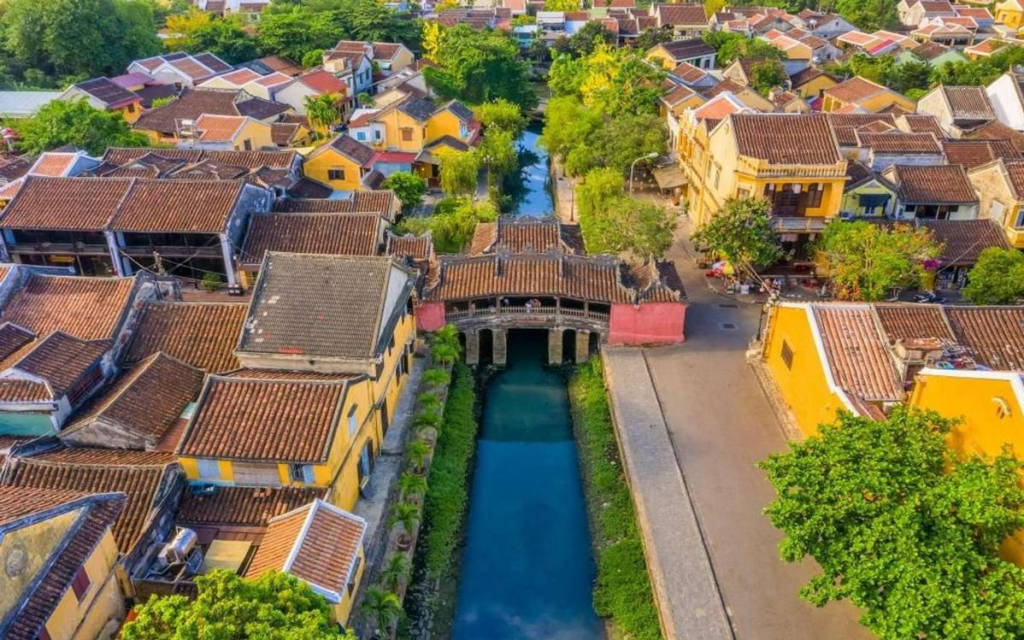
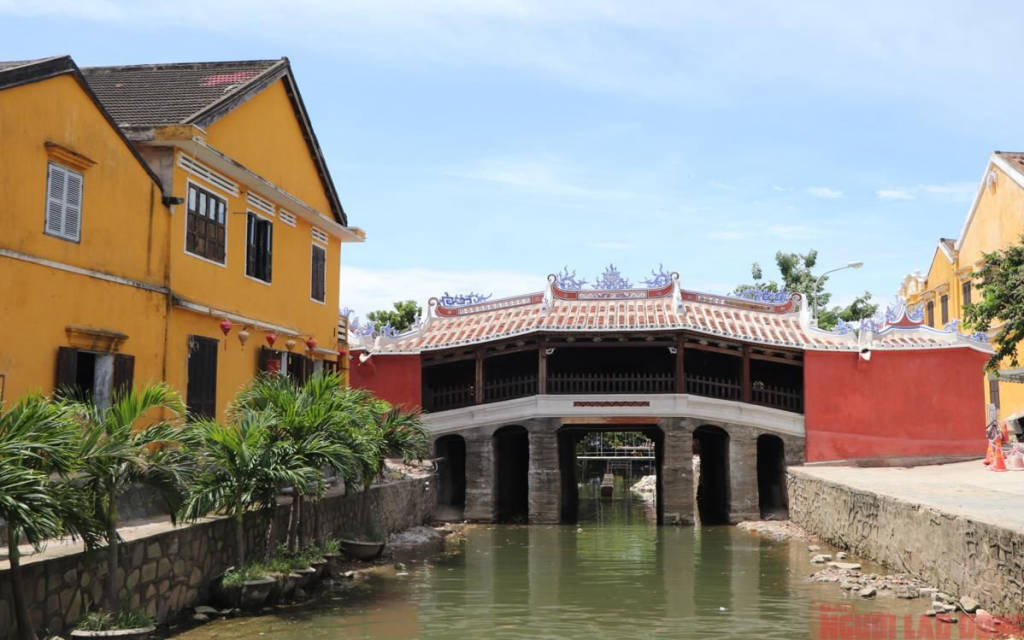
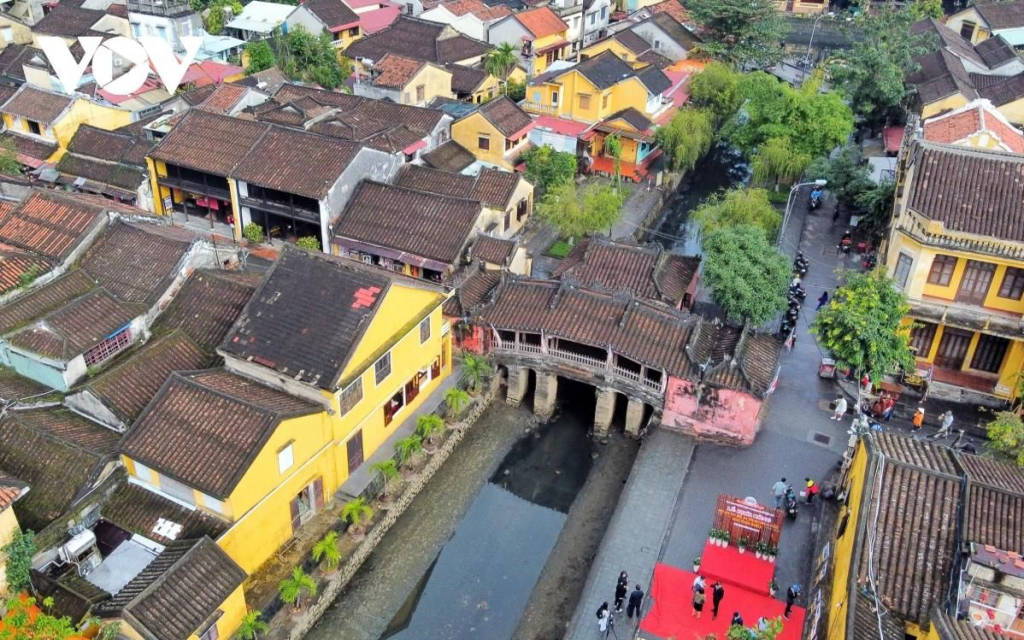
Chua Cau, also known as the Japanese Covered Bridge, is the most iconic symbol of Hoi An Ancient Town. With more than 400 years of history, it is a unique combination of architecture, culture, and spirituality.
1. Introduction to Chua Cau – Japanese Covered Bridge
Chua Cau, also known as the Japanese Covered Bridge, is the most iconic symbol of Hoi An Ancient Town. With more than 400 years of history, it is a unique combination of architecture, culture, and spirituality.
2. History of Chua Cau
Built in the late 16th – early 17th century by Japanese merchants, the bridge linked the Japanese quarter with the Chinese quarter. It symbolized prosperity and peace in a bustling international trading port. Despite several restorations, its cultural blend of Vietnam, Japan, and China has remained intact.
3. Architecture of Chua Cau – A fusion of styles
3.1. The Bridge – Traditional wooden structure
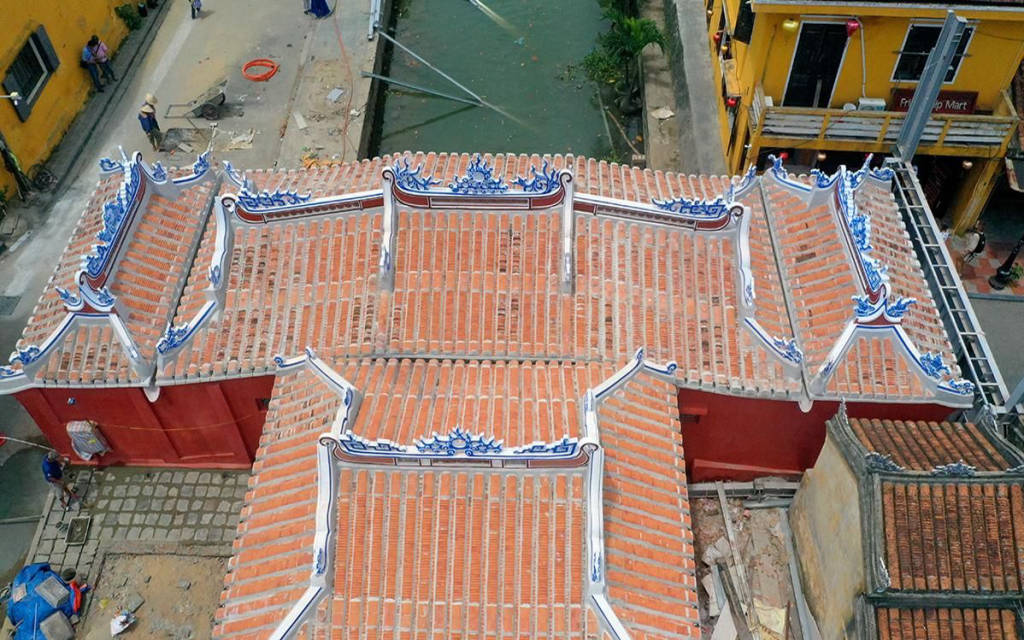
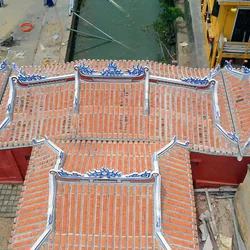
What is Chua Cau made of? The 18-meter-long bridge is entirely built from precious ironwood, covered with yin-yang tiles. The wooden floor polished by millions of footsteps, carved railings with wave patterns, and stone pillars beneath make it a masterpiece of durability.
3.2. The Pagoda – Spiritual core
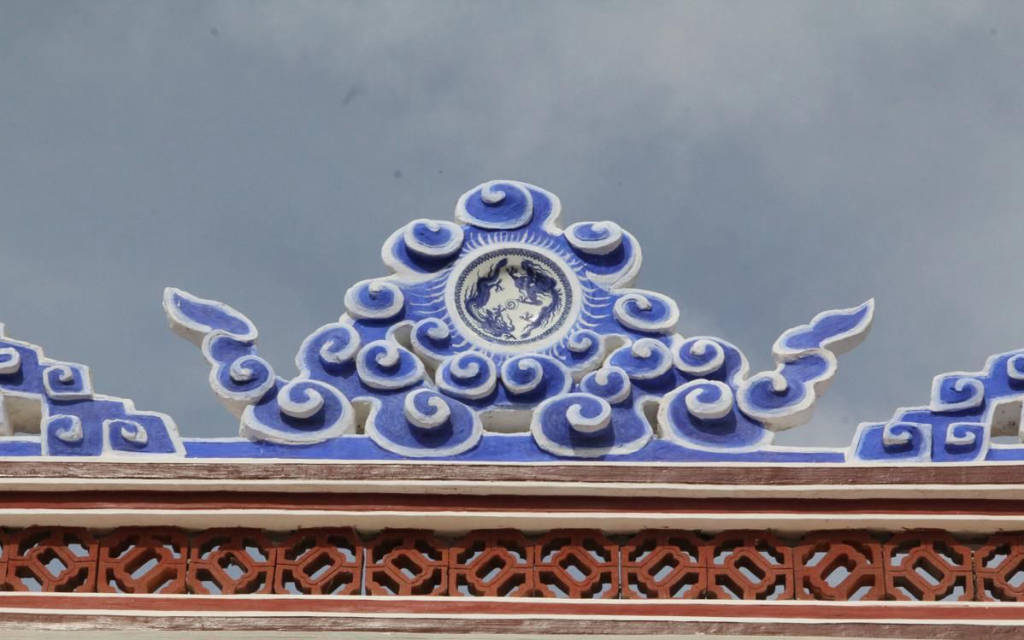
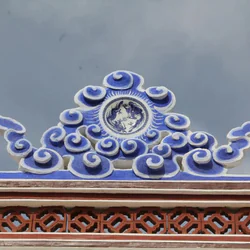
Unlike typical Vietnamese temples, the pagoda does not worship Buddha but Bac De Tran Vu – the guardian deity protecting people from floods and disasters. The curved roof carved with dragons and clouds reflects the harmony of Eastern philosophy.
3.3. The Gate – Multicultural influence
Which countries’ architectural styles does Chua Cau combine?
Japanee style: overall wooden structure.
Chinese style: yin-yang tiles, Han characters, dragon motifs.
Vietnamese style: use of local ironwood and philosophy of yin-yang balance.
The gate bears the inscription “Lai Vien Kieu” (Bridge for Friends from Afar), showing Hoi An’s openness to the world.
4. Legend of Chua Cau
A legend says a sea monster called Cu stretched from Japan to India, causing earthquakes and floods. The Japanese built Chua Cau in Hoi An to subdue it, with monkey and dog statues guarding both ends. Remarkably, the bridge was started in the Year of the Monkey and completed in the Year of the Dog, adding symbolic meaning.
5. Cultural and spiritual values
Chua Cau is a sacred place for rituals like peace-praying ceremonies. It also symbolizes the unity of communities. In 1999, when Hoi An was recognized by UNESCO, Chua Cau was one of its most representative heritage structures.
6. Visiting Information
Chua Cau ticket: included in Hoi An Ancient Town entrance fee (about 80,000 – 120,000 VND).
Best time to visit: evening, when lanterns light up.