


 Tiếng ViệtEnglish
 한국어
한국어 日本語
日本語 简体中文
简体中文 Français
 Deutsch
 Español
 Italiano
 Русский


 Login for Corporates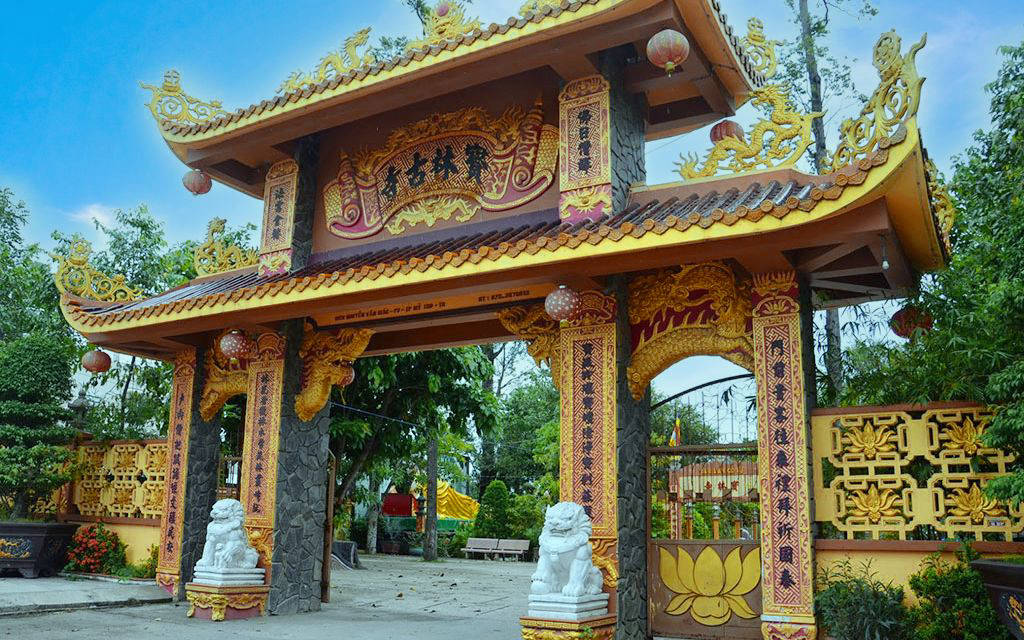
Buu Lam Pagoda
 Chùa Bửu Lâm, Nguyễn Văn Giác, Phường 3, Mỹ Tho, Tiền Giang, Việt Nam
Buu Lam Pagoda, located on Nguyen Van Giac Street, Ward 3, My Tho City, Tien Giang Province, is a national historical relic with ancient architecture and profound cultural values. Built in the 18th century, the pagoda stands out with a large Buddha statue and sophisticated wood carvings. This is an ideal destination for tourists who love spiritual tourism, check-in and learn about Western culture.
Buu Lam Pagoda – A Peaceful Spiritual Retreat in My Tho Nestled quietly on Anh Giac Street, Ward 3, in My Tho City, Buu Lam Pagoda is a popular destination for those interested in spiritual tourism and exploring the cultural heritage of the Mekong Delta. Surrounded by tall coconut trees and lush gardens, the pagoda offers a serene atmosphere and a peaceful landscape. If you're planning a self-guided trip to Tien Giang, this is definitely a must-visit spot!
A Long and Rich History
Buu Lam Pagoda is a historical site with deep roots, originally established around 1742 during the reign of Lord Nguyen, when settlers moved south to cultivate land and build villages. A Buddhist nun, skilled in herbal medicine, followed the migration and set up a small hermitage in the Dau village to practice and heal the locals. Her compassion and healing attracted powers many people who came to offer donations. The pagoda was built in its present form around 1742 during the reign of Lord Nguyen Phuc Khoat. After the nun's passing, the pagoda became quiet and abandoned.
In 1803, during the second year of Emperor Gia Long's reign, Nguyen Thi Dat, a devout Buddhist, donated funds to have the pagoda rebuilt. The famous monk, Venerable To Tri - Khanh Hung, appointed Venerable Tien Thien as the abbot and officially named the pagoda "Buu Lam." The pagoda was originally constructed from durable wooden spokes and grew into a large and significant religious site. Although it has endured several renovations, the architecture of Buu Lam Pagoda has preserved its original style. Today, the pagoda remains a key location for those seeking to learn about history, culture, and religion, as well as a place for worship and local community gatherings.
Ancient Architecture of Buu Lam Pagoda
Buu Lam Pagoda is an outstanding example of religious architectural art, following the Lam Te Chanh Tong Buddhist sect. The pagoda sits on a platform 1 meter above the ground, covering an area of nearly 1,000m², surrounded by fruit orchards and ornamental gardens. The pagoda is divided into three main sections: the front hall, the main hall, and the back hall.
Inside the main hall, you'll find a large statue of the seated Buddha with a gentle, compassionate expression, surrounded by dozens of smaller Buddha statues in various materials and forms. The hall is adorned with nine elaborate carved wooden panels, including the famous "Nine Dragons Spitting Water" and the pair of dragon columns, "Fish Transforming into Dragons". The other panels feature intricate depictions of the Four Sacred Creatures, Four Noble Gems, and lotus flowers.
The wood carvings at Buu Lam are particularly noteworthy, displayed on 12 panels of horizontal plaques, each adorned with detailed and lively patterns crafted by artisans over 100 years ago. The pagoda is also home to couplets, tureens (vertical scrolls), and ancient Buddha statues from the 18th and 19th centuries. These art pieces are unique and hold great historical value, making the pagoda a fascinating destination for visitors interested in exploring ancient cultural and religious heritage.
A Sacred and Picturesque Location for Visitors
Stepping into Buu Lam Pagoda, visitors will immediately feel a sense of peace and tranquility. The pagoda’s entrance, with its towering oil trees and shaded pathways, creates the perfect setting for a peaceful stroll and photos. Here, you can admire ancient Buddha statues and hundreds of valuable artifacts, each one telling the story of time and standing as historical testimony to the pagoda’s long history.
Buu Lam Pagoda – A Historical Landmark in the Resistance War
In addition to being a place of worship, Buu Lam Pagoda is also a national historical monument, recognized by the Ministry of Culture, Sports, and Tourism. In the 1930s, the pagoda became the headquarters of revolutionary activities in the Dau village. The pagoda's guardian altar was used as a hiding place for revolutionary leaders, contributing significantly to the movement for independence.
Best Time to Visit The ideal time to visit Buu Lam Pagoda is during the spring, when the weather is cool and the pagoda’s serene surroundings are particularly peaceful. You can easily organize a self-guided tour, allowing you to explore the spiritual beauty of the place and relax in its tranquil environment.
How to Get to Buu Lam Pagoda
Buu Lam Pagoda is located not far from downtown My Tho, making it easily accessible by motorbike or car. The route is straightforward and the pagoda is located near the Bao Dinh River, another popular tourist attraction in the region.
For travelers seeking to discover the spiritual and historical values of the Mekong Delta, Buu Lam Pagoda is the perfect destination.