


See all results for ""

 Anytime
 Tiếng ViệtEnglish
 한국어
한국어 日本語
日本語 简体中文
简体中文 Français
 Deutsch
 Español
 Italiano
 Русский


 Login for Corporates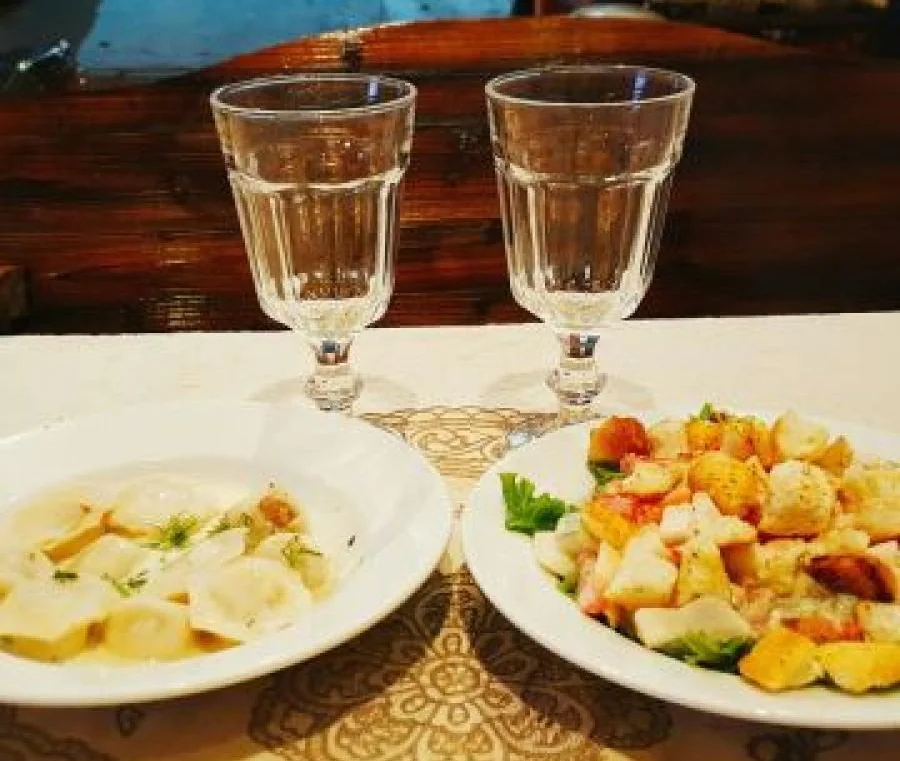
CCCP Cafe & Restaurant
 103, Ngõ 84, phố Ngọc Khánh, Hanoi, Vietnam
Modestly located in a quiet residential area by Hanoi's Ngoc Khanh Lake, CCCP Cafe is a place reminiscent of a bygone era, of the Soviet era. This is a place to sell authentic Russian dishes prepared by the owner, Ukrainian Svetlana Nguyen and her husband. Coming here, diners can not only enjoy delicious dishes but also witness the eternal love story of the owner and his wife.
Svetlana Nguyen and her husband Nguyen Van Thang were married in Kiev in 1988 before the collapse of the Soviet Union in 1991. They settled in Ukraine until Thang decided to return to Vietnam in 2001. After a stroke occurred. In Vietnam, Svetlana followed her husband to settle in a new country with a new culture, where she didn't even speak the native language.
Svetlana Nguyen opened a small cafe serving Russian food at their home on Ngoc Khanh Street in 2004 and they named it Cafe CCCP (Russian for Soviet Union). They use the emblem of the former Soviet Union for their logo, and on the sign they print images of Karl Marx, Friedrich Engels and Vladimir Lenin. As if fate had arranged for a long time, this cafe-cum-restaurant is located in a residential area named after the Marxist-Leninist Institute formerly for the staff of the institute.
They have three children and earn income from selling Russian food to the local community, raising children and paying for hospital bills when Thang suffered a series of strokes and his health declined recently.
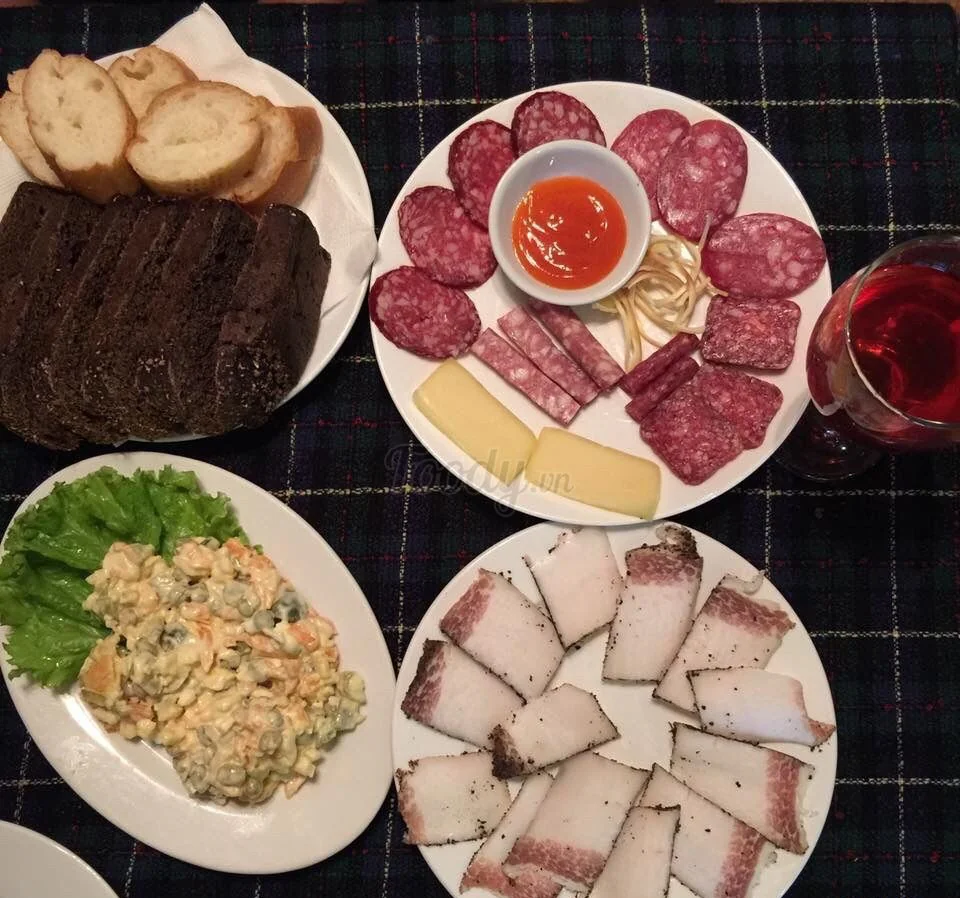
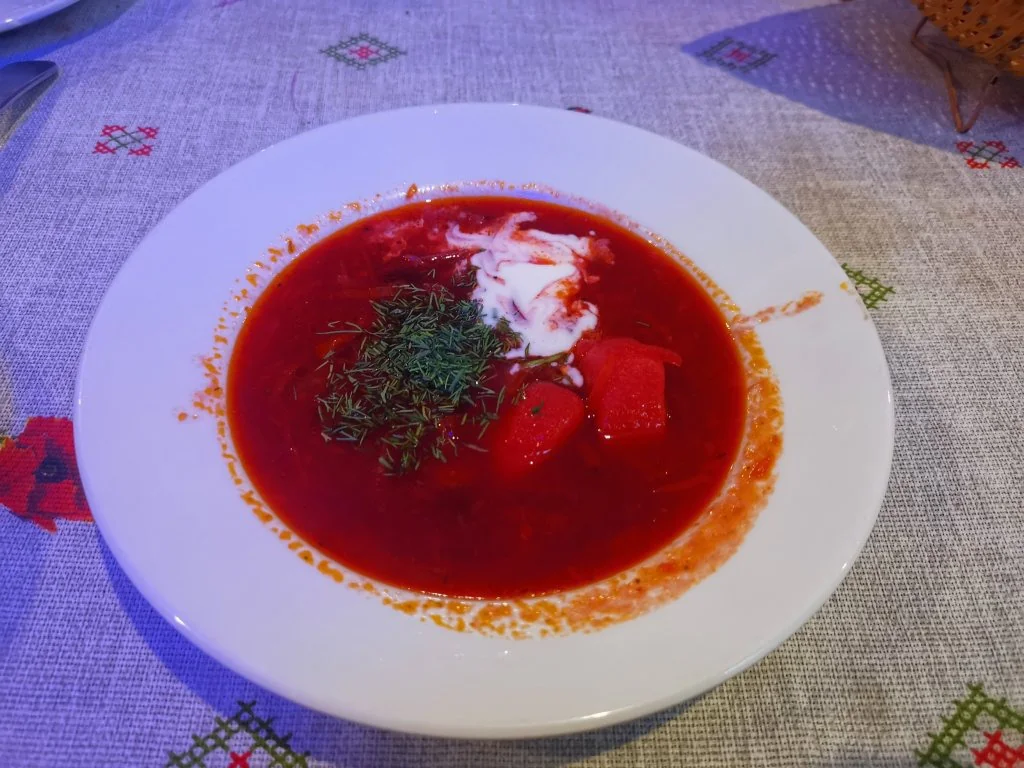
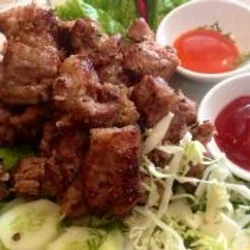
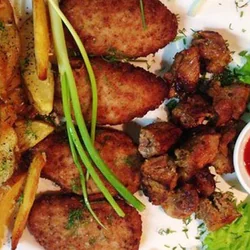
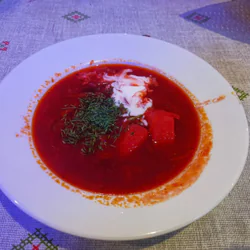
At this cafe, visitors can find traditional Russian dishes such as milk porridge, salted lard or boiled potatoes. In addition, the restaurant also serves delicious borscht soup. Many tourists, who have studied and worked in the former Soviet Union often come here to find their childhood memories.
CCCP is not a standard restaurant you would normally expect. It's like a living room in a Soviet house model with limited space, the basic decoration of a small table with some chairs, a crocheted tablecloth, wooden cabinets and some Soviet posters on it. wall.
Many visitors have a negative first impression of the restaurant because they feel like they are invading the private life of the owner's family and do not feel comfortable. The restaurant uses some music from the Soviet era as the background music. Surprisingly, the restaurant is always full of customers, all the diners here seem to know the place well and know each other well.
The 1970s were not a great time for the Soviet Union. Food was scarce and people had to queue to buy basic things like bread and potatoes. But what Vietnamese students get is still much better than in Hanoi. Due to food shortage, each person can only get 10kg of rice and 300g of meat a month. Hanoi, despite being devastated and lacking everything, still concentrated all its resources to fight an unequal war with the world's No. 1 military power. What we can have today in one meal, was once what our parents' generation had during a wartime month.
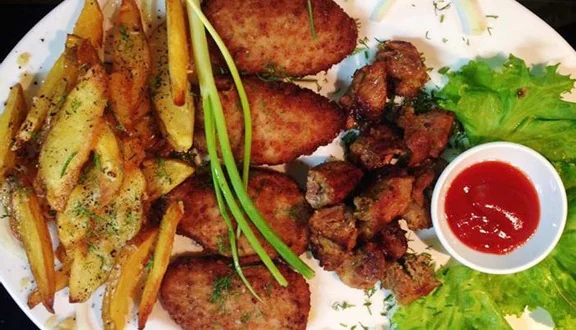
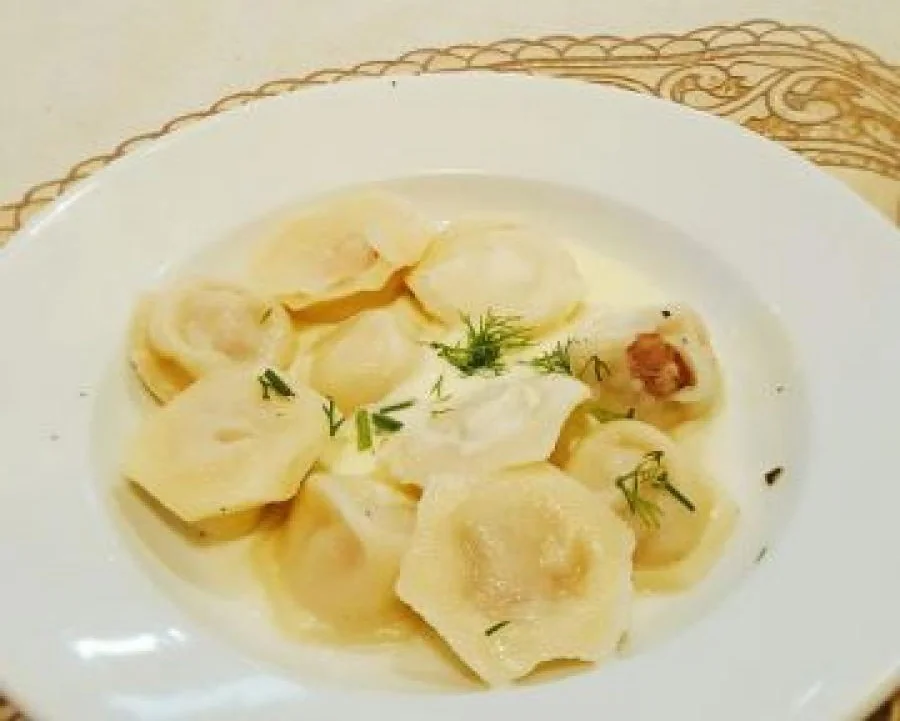
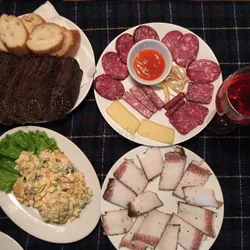
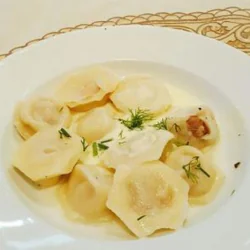
Many diners come here to reminisce about their youth in the former Soviet Union. They rated the food here as much better than what they had experienced when they were students. Diners can choose from a menu with a platter of Russian cold cuts including Italian sausage and lard. Sliced young pickled cucumbers and garlic should be an accompaniment to meat dishes often served with a glass of Russian vodka. Followed by borsch soup, or any other soup. The red borsch is a rather appetizing soup. The sweet and sour taste from salted cabbage creates a delicious, easy-to-eat taste like Vietnamese beef stew with pickled cabbage. The result of simmering beef and potatoes for hours gives the restaurant's soup a velvety flavor as soon as you take the first spoonful. Borsch is commonly used in Slavic cultures but each family has its own tips and tricks. The next, or second course, as the Slavic tradition has it, can be meat, fish or pelmeni dumplings served with sour cream. Diners can also choose from smoked fish, Russian salad, Meldovik honey cakes and enjoy homemade drinks including Kvas and Kompot.
Café CCCP is not the most famous restaurant in Hanoi, but it is a familiar address for those who have lived and studied in the former Soviet Union. For them, Café CCCP is very dear and attached, a place where they can relive their youth.