


See all results for ""

 Anytime
 Tiếng ViệtEnglish
 한국어
한국어 日本語
日本語 简体中文
简体中文 Français
 Deutsch
 Español
 Italiano
 Русский


 Login for Corporates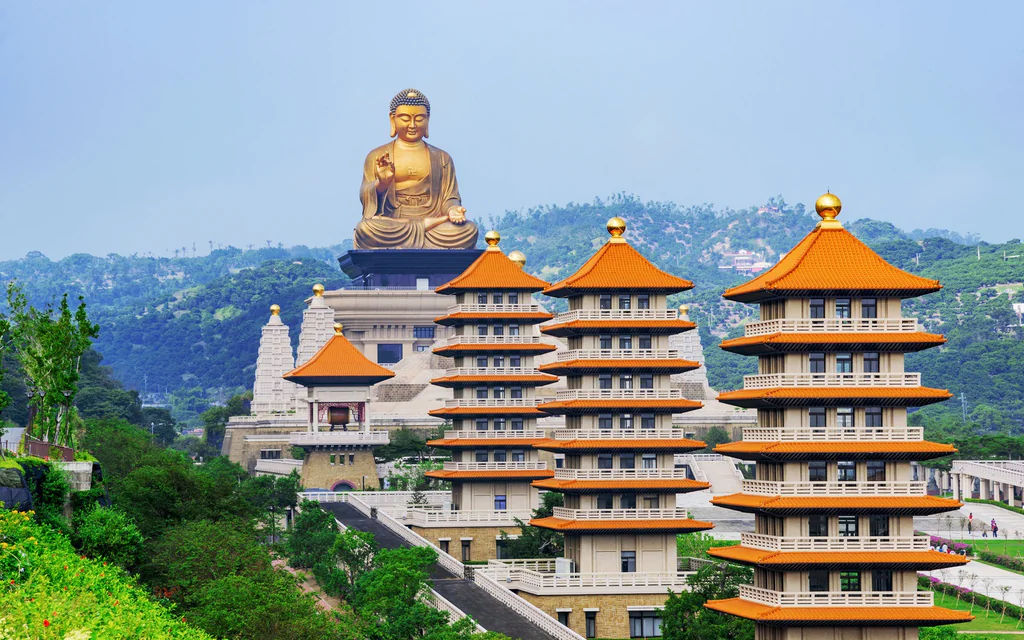
Fo Guang Shan Buddha Museum
 No. 1號, Tongling Road, Dashu District, Kaohsiung City, Taiwan 84049
Fo Guang Shan Museum (Chinese: 佛光 山 佛陀 紀念館; pinyin: Fóguāngshān Fótuó jìniánguǎn), formerly known as the Buddha Memorial Center. It is also a museum of culture, religion and a place of Mahayana Buddhism education. The museum also cooperates with Fo Guang Shan Buddhist Center - one of Taiwan's largest Buddhist organizations to create a religious value for local people. The museum was born to preserve one of the tooth relics of Buddha Shakyamuni, the founder of the Buddhist religion. It is one of the greatest treasures of Buddhist art in the world.
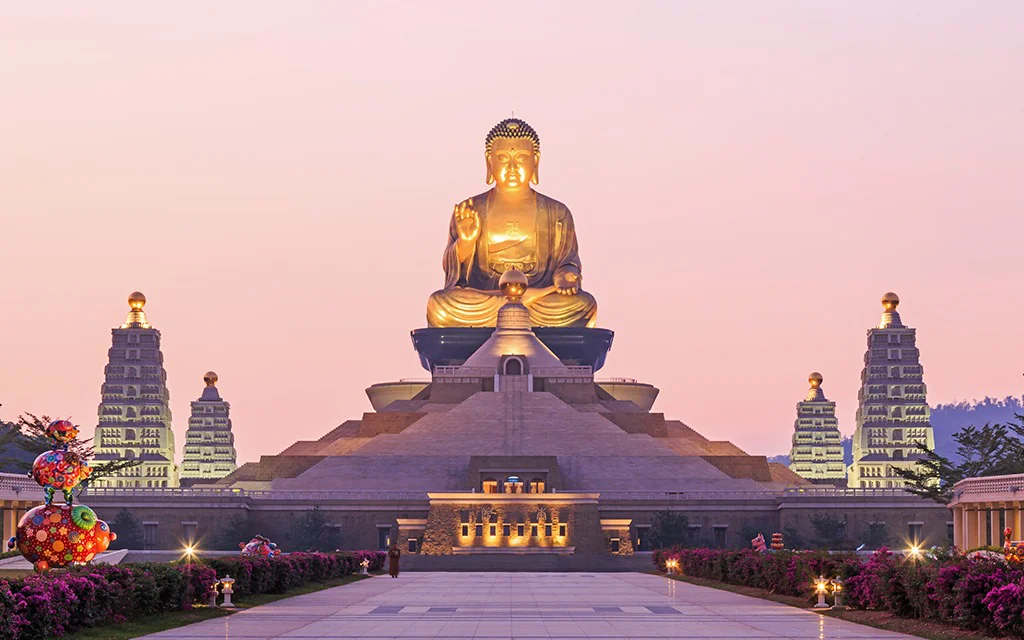
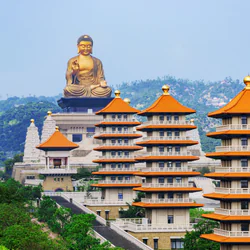
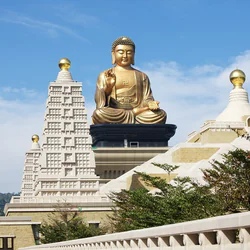
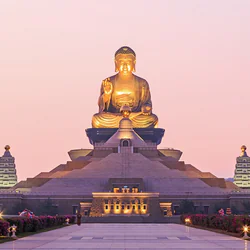
Fo Guang Shan Temple is the famous Buddhist center in southern Taiwan and the largest Buddhist monastery in Taiwan. The design of the Buddha Memorial Center was inspired by both an Indian stupa and the Mahabodhi Temple. Above is the tallest bronze sitting Buddha statue in the world. In front of the statue is the Path to Buddha Nature with Eight Pagodas on either side, making it the most magnificent Buddhist site in southern Taiwan. The Buddha Memorial Center houses a relic believed to be the tooth of the Buddha - one of only three in the world, as well as many Buddhist artifacts donated by other countries. The art gallery displays a wide range of historical and cultural treasures, including inscriptions, calligraphy, religious instruments, and antiques. It is one of the greatest treasures of Buddhist art in the world.
In the 1927s, Master Hsing Yun founded a temple called Shoushan in Kaohsiung City. However, due to the continuous increase of Buddhists, the land was sold in 1967 and the proceeds from the sale of the old land were used to build a new temple in Dashu District named Fo Guang Shan. The new temple includes a Buddhist college, a main hall, a childcare center, a clinic and other services.
However, in 1997, Fo Guang Shan Temple was closed and does not accept visitors and residents in order to provide monks with a quiet place for meditation and Buddhist practices.
In 1998, Master Hsing Yun went to Bodh Gaya in India to receive the International Three Precepts (a religious event for Buddhist monastics). During this visit, a Tibetan Buddhist leader – Gongkar Dorje Dhenpa Rinpoche gave Master Hsing Yun the tooth relic of the Buddha kept in a temple in Taiwan – one of only three in the world. all over the world.
Fo Guang Shan Museum is divided into different areas, which can be mentioned as follows:
- The first is the Fo Guang Shan temple, which has the appearance and shape of a lotus petal. The temple is built on five small mountain peaks, and is divided into 5 peaks with 5 different functions.
- Magic Buddha Land, also known as Great Buddha Land. Built in 1975, and is one of the oldest landmarks of Fo Guang Shan Temple. There are 480 small Buddha statues surrounding the 40m high Great Buddha to depict the life of the Buddha.
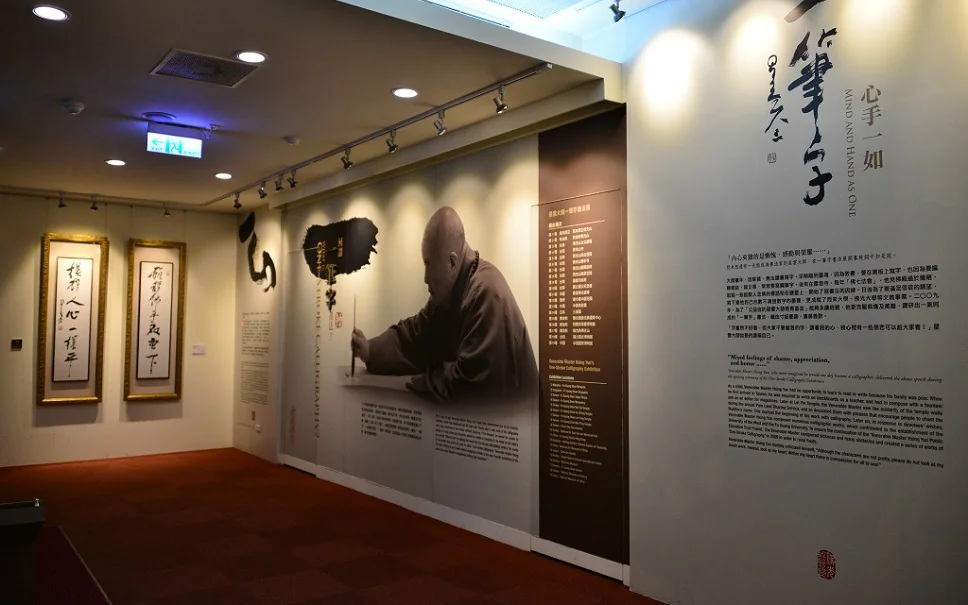
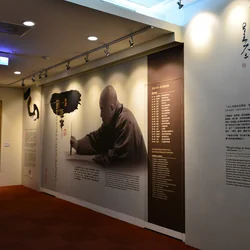
- Next is the Buddhist museum with an area of about 2.65 hectares, with the same architecture as thousands of Buddhas in Dunhuang, China. There are eighteen galleries in the museum, which house a variety of statues, religious paraphernalia and calligraphy from around the world.
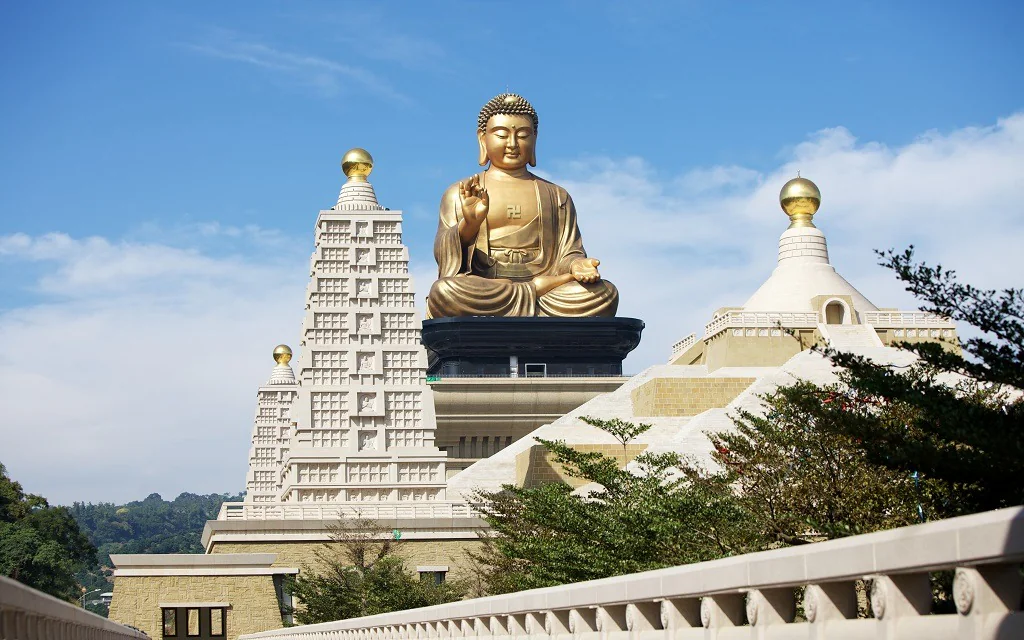
- The Buddha Memorial Center, also known as Fo Guang Shan Museum, is 50 meters high and 13 hectares wide. The tower is an inverted version of the Lama temple. It is decorated with meticulously carved reliefs. This place is also a place to store golden Buddha images or white jade Buddha images, or special or special heart sutras that are Buddha's teeth - one of only three in the world.
- Next is the path leading to Buddhahood and eight small temples along the way. With a length of 240m and a width of 113m, this road leads directly to the Buddha Memorial Center known as the Path to Buddhahood.
- Finally, the Great Buddha Light is located behind the Buddha memorial center. This place is the most important place of Fo Guang Shang Temple. Big Buddha statue 108 m including the base. The statue is made of 1,872 tons of bronze and is the tallest bronze seated Buddha in the world. During the construction of the statue, one million devotees were invited to write the Heart Sutra to keep inside the statue.
Visitors can find more activities and programs held periodically at the museum's official website: https://www.fgs.org.tw/ .
Open time:
- Monday – Friday: 09:00AM – 06:00PM (closed every Tuesday)
- Saturday – Sunday: 09:00AM – 07:00PM