


See all results for ""

 Anytime
 Tiếng ViệtEnglish
 日本語
日本語 한국어
한국어 简体中文
简体中文 Français
 Deutsch
 Español
 Italiano
 Русский


 Login for Corporates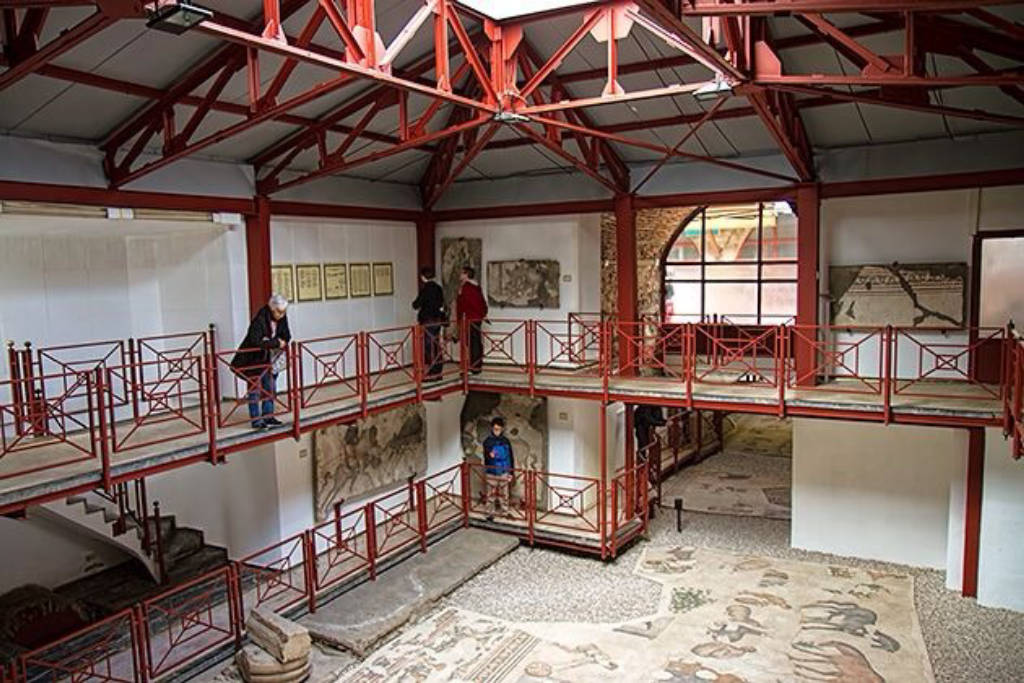
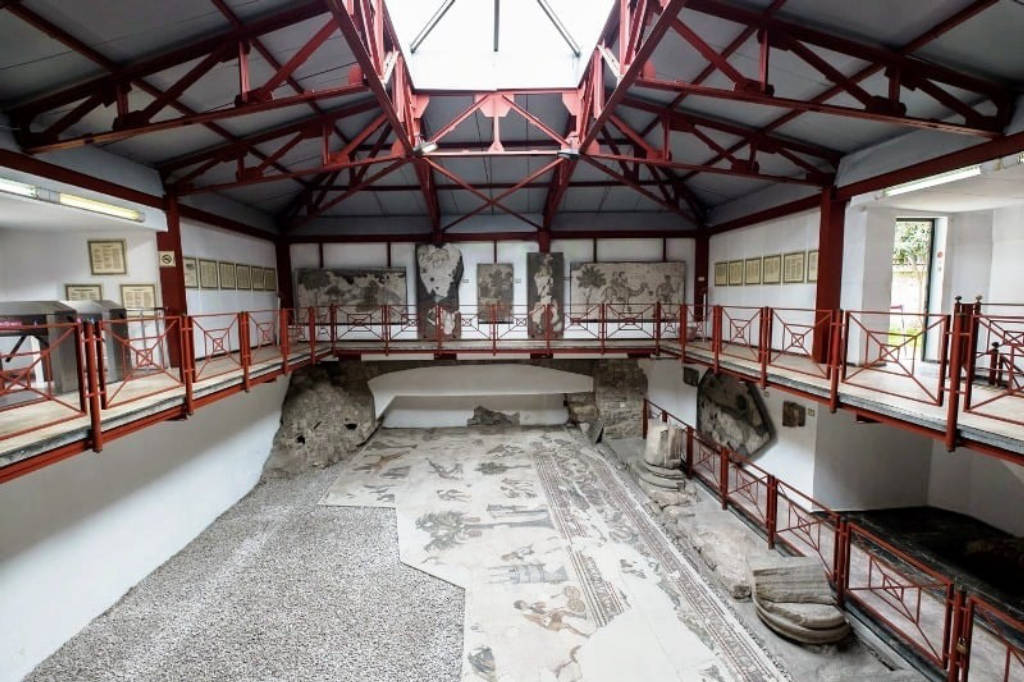
The Great Palace Mosaics Museum in Istanbul
 Arasta Çarşısı, Sultanahmet, Fatih, Istanbul
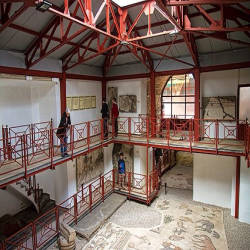
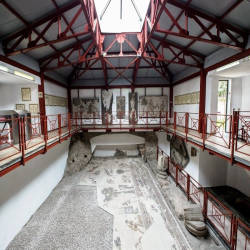
The Great Palace Mosaics Museum, also known as the Mosaic Museum of Istanbul, is an impressive mosaic museum located in Arasta Bazaar within the Blue Mosque complex. The museum houses one of the finest mosaics in the world, preserved from the Great Palace of Constantinople, during the Byzantine period from 610 to 641 AD.
During the Byzantine period, artists from different parts of the country made a giant mosaic with 40,000 pieces on the ground covering an area of 1,870 square meters. And then, during the 7th and 8th centuries, when painting was banned, the mosaics on the ground were covered with giant marble slabs and they were forgotten until they were saved. revealed in 1921. And that also shows why those mosaics are still in pretty good condition today.
During the Ottoman Empire, due to the danger of possible attack from the sea, the Ottoman palaces were moved to the Golden Horn region and by order of Fatih Sultan Mehmed, the conqueror of Istanbul.
Istanbul, a settlement was established on the site of the mosaics because no one knows the location of these paintings.
After a massive fire in this Ottoman residential area, those mysterious mosaics were revealed. Digging and excavation works began in 1921 and continued between 1935 and 1951, and eventually the mosaics and ruins of the Byzantium palaces were completely unearthed. And so the site was declared the Great Palace Mosaics Museum in 1997.
What's interesting at the Mosaics museum?
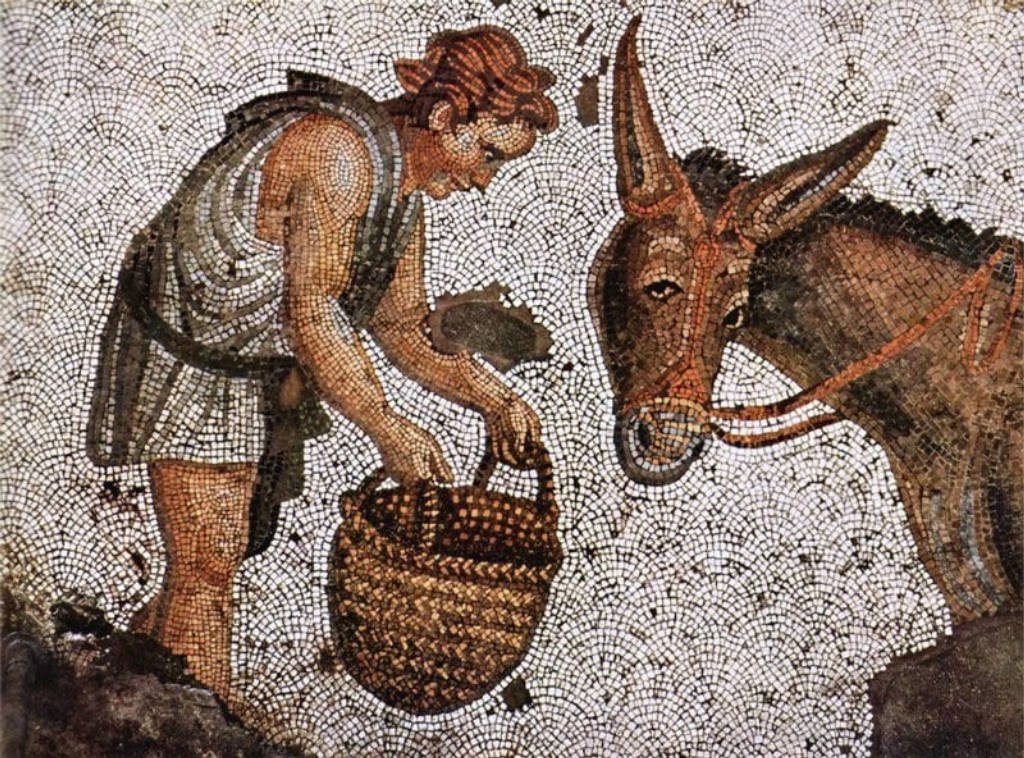
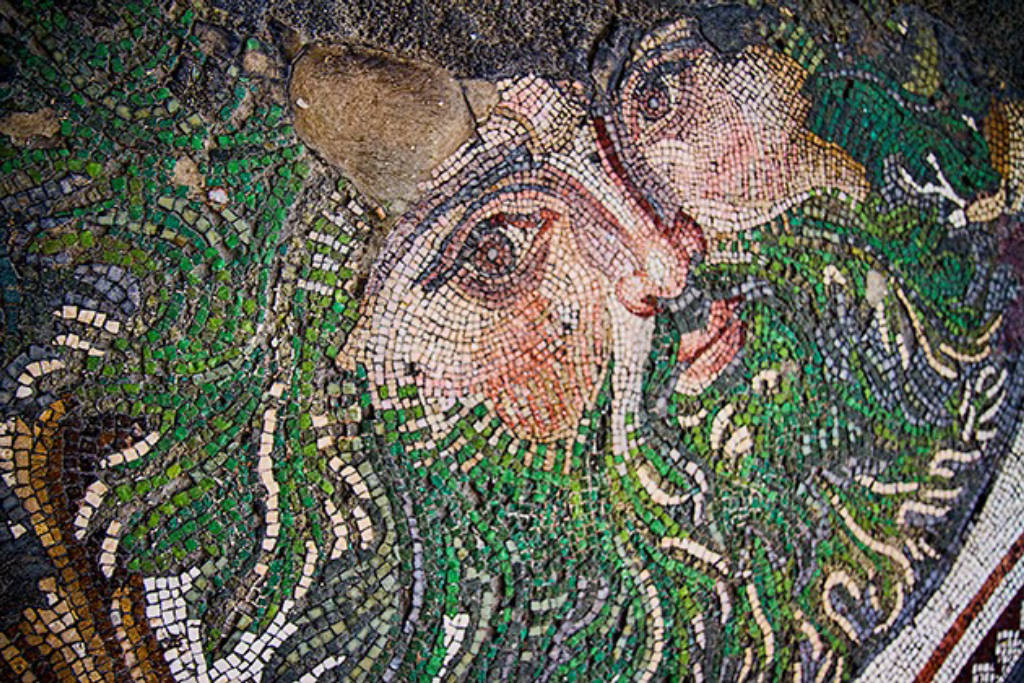
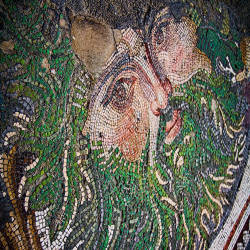
Here, visitors can admire one of the most beautiful mosaics in the world inlaid with limestone, terracotta and colored stone. The main portraits in the center of the painting are inlaid with marble fragments.
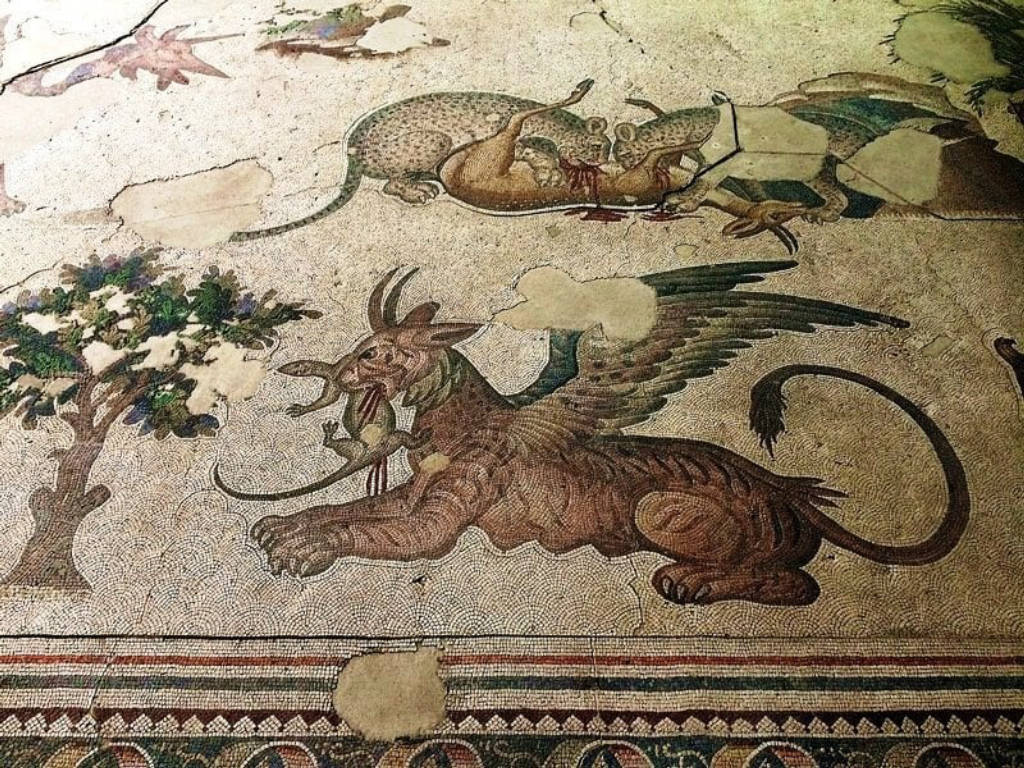
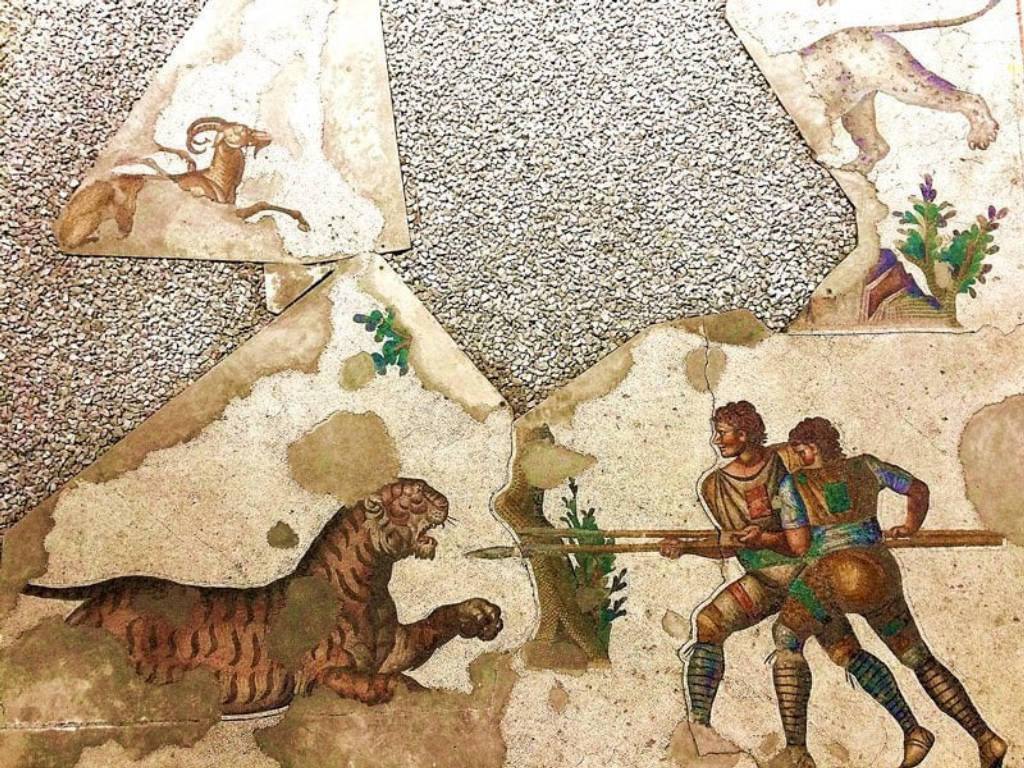
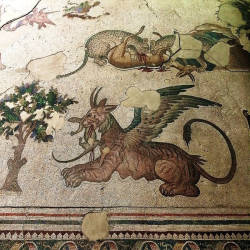
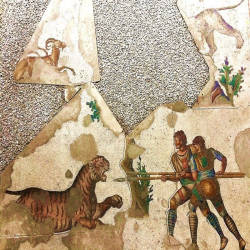
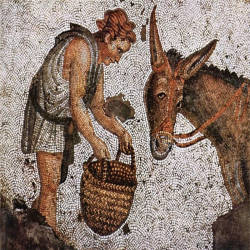
The collages at the museum have themes from everyday life, nature and mythology such as: lizard eating gryphon, elephant and lion fight, donkey kid, girl, hunter's fight and tiger and more.
The Great Palace Mosaics Museum is in the heart of Sultanahmet Square (Hippodrome), in the Sultanahmet neighborhood of the Fatih district, right at the Arasta Bazaar in the Blue Mosque complex. To get to the museum, visitors can use the Bagcilar-Kabatas tram (line T1). The nearest tram stop is Sultanahmet. Sultanahmet Square and most of the connecting roads are closed to vehicular traffic except trams and tourist buses. For those staying at the Sultanahmet hotels, the museum is easily accessible on foot.
Fare:
Adults: 30 liras / pax
Business hours:
Daily:
From April 1 to October 31: 09:00 – 19:00
From October 31 to April 1: 09:00 - 17:00
The ticket counter will close 30 minutes before the museum closing time.
Address: Arasta arşısı, Sultanahmet, Fatih, Istanbul
Phone: +90 212 518 12 05