


See all results for ""

 Anytime
 Tiếng ViệtEnglish
 日本語
日本語 한국어
한국어 简体中文
简体中文 Français
 Deutsch
 Español
 Italiano
 Русский


 Login for Corporates
Detailed Phu Quoc self-guided travel experience for first-time visitors
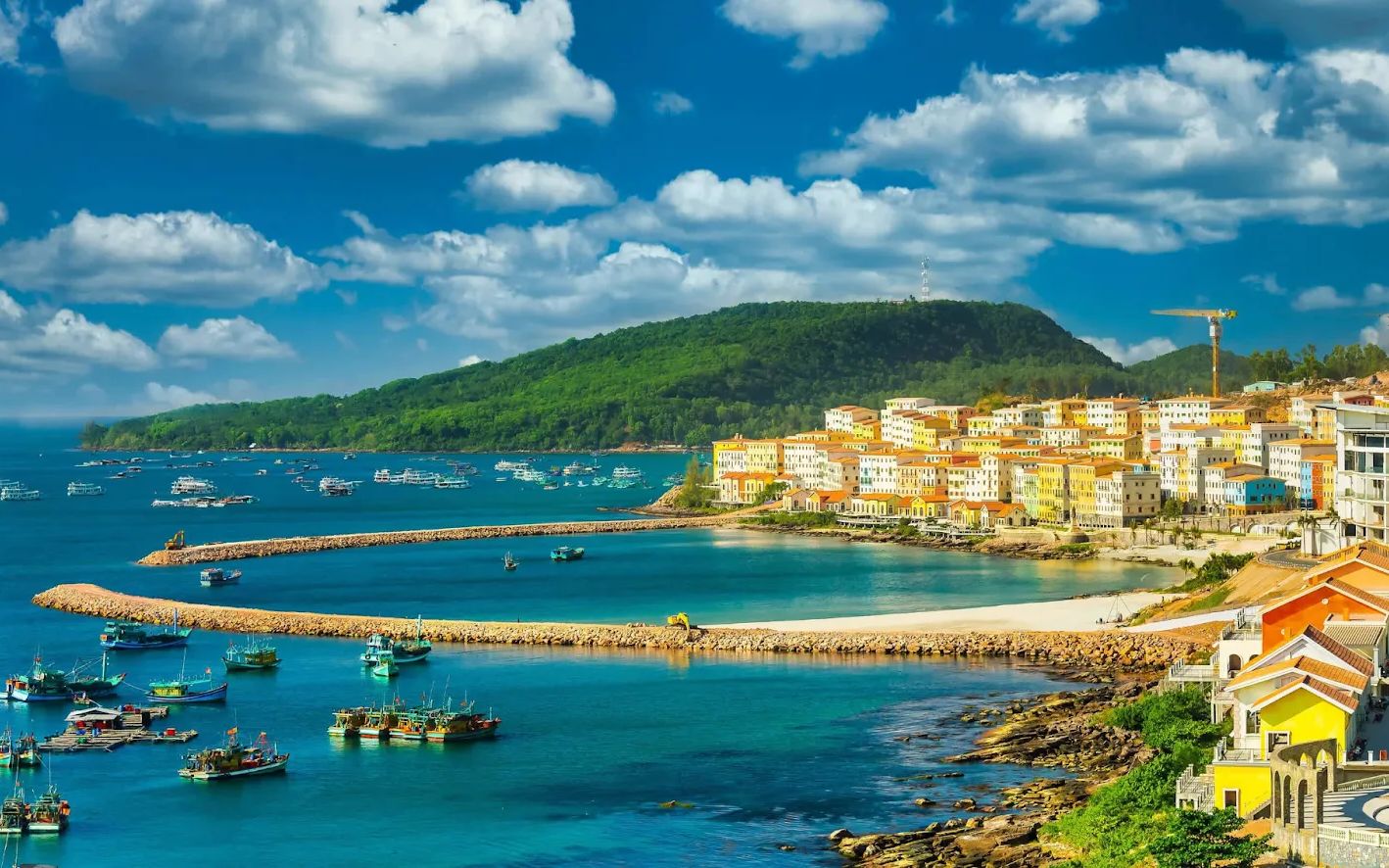
Phu Quoc – the largest island in Vietnam – is famous for its turquoise waters, white sandy beaches, diverse ecosystem, and large-scale entertainment complexes. If you are looking for Phu Quoc self-guided travel experience that is complete and easy to follow for first-time travelers, this article will help you plan in detail from the best time to visit, transportation, exploring the North and South of the island to costs and a reasonable itinerary.
1. When is the best time to visit Phu Quoc?
Phu Quoc has a tropical monsoon climate with two distinct seasons. The dry season from November to April is the best time for Phu Quoc self-guided travel, as the sea is calm, the weather is sunny, and ideal for outdoor activities such as island hopping, snorkeling, and sunset photography.
The rainy season from May to October brings showers and sometimes rough seas, especially in the South Island. However, if you monitor the weather carefully and stay flexible, this period can help you save more on travel costs.
2. Transportation to Phu Quoc
2.1. Flights to Phu Quoc Airport
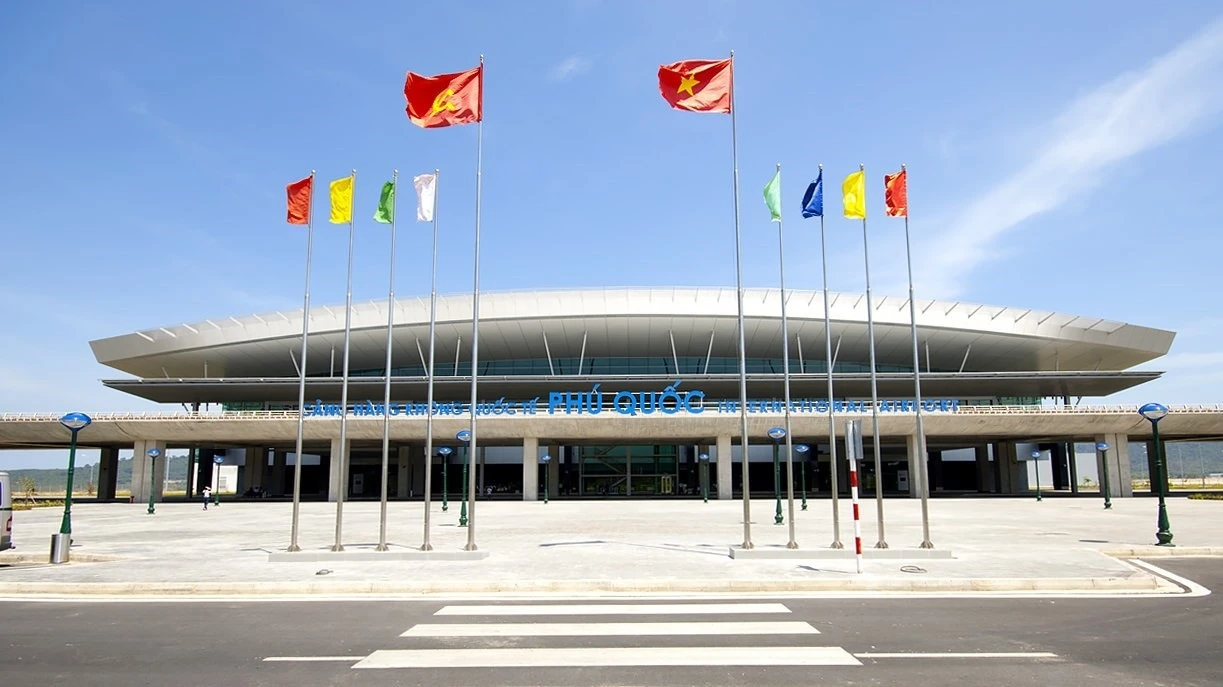
Phu Quoc International Airport
Flying is the fastest and most popular option in Phu Quoc travel experience. Domestic routes connect Hanoi, Ho Chi Minh City, Da Nang, and more, reducing travel time to just 1–2 hours. If you depart from Ho Chi Minh City, you can choose direct flights to Phu Quoc, with around 4–7 flights per day from Tan Son Nhat Airport. It takes only about 1 hour to reach the crystal-clear waters of Phu Quoc.
Refer to book flight tickets to Phu Quoc at Tatinta.com.
2.2. High-speed ferry from Rach Gia & Ha Tien
Travelers from the Mekong Delta can take a high-speed ferry to the island. The ferry from Rach Gia to Phu Quoc takes about 2 hours 10 minutes to 2 hours 30 minutes. Popular operators include Superdong and Phu Quoc Express, with ticket prices ranging from about 226,000 VND to 354,000 VND per adult. Ferries depart from Rach Gia Port and arrive at Bai Vong Port (Phu Quoc), with multiple trips daily.
A useful tip: if you are not confident booking tickets or accommodation yourself but still want flexibility in your itinerary, travel combos are a great option. These often include hotel stays, transportation, ferry tickets, or additional services. Check out Phan Thiet to Phu Quoc travel combo - Phu Quoc Express
Book tickets 1–2 months in advance, especially during peak season. Morning departures give you extra time to explore, while afternoon trips help optimize costs.
3. Exploring North Phu Quoc
The North Island is a hub for high-end entertainment and resorts while still preserving vast areas of primary forest. It is considered the “northern tip” of the island, blending modern development with natural beauty.
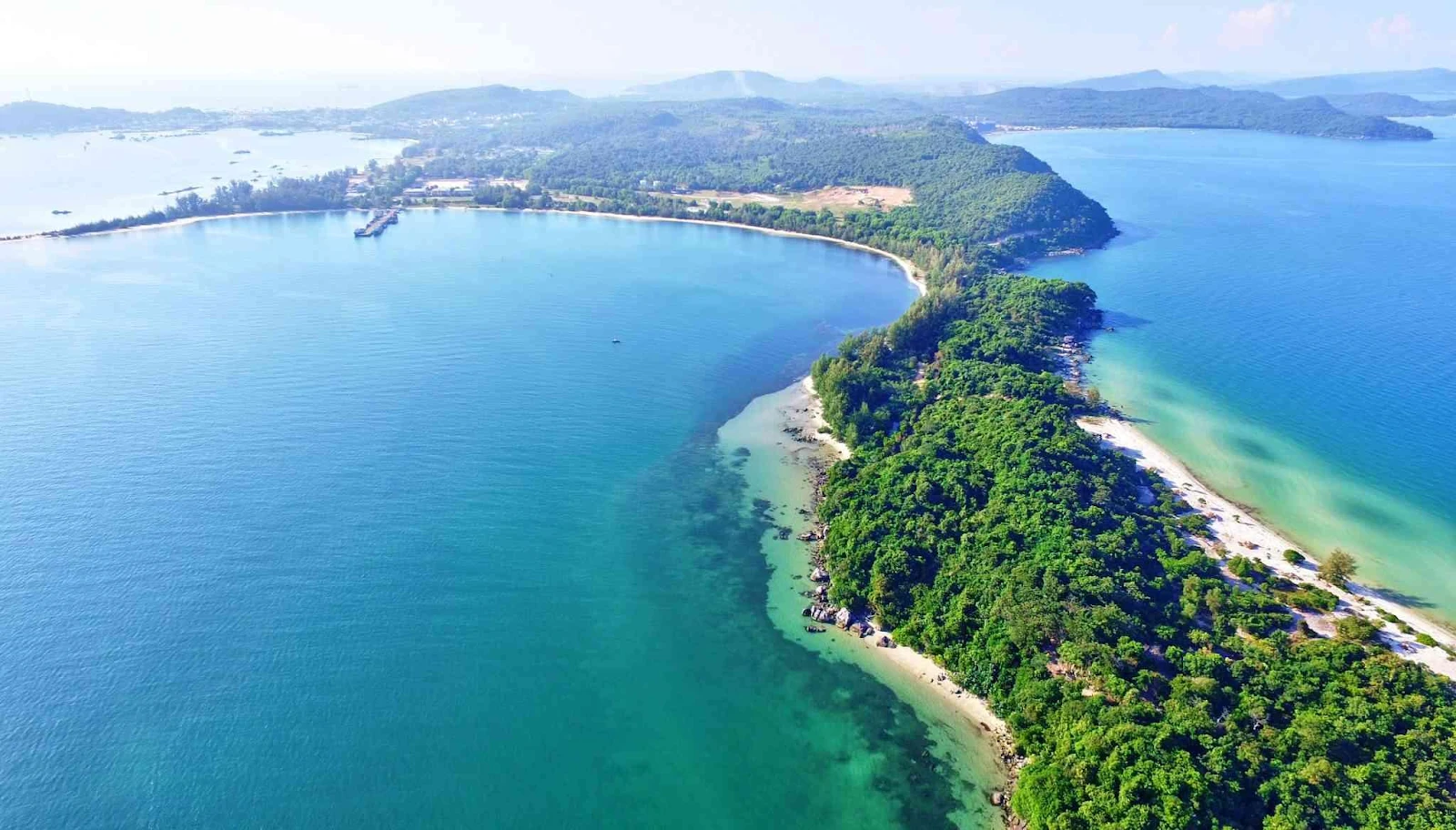
North Phu Quoc is home to top entertainment and resort complexes
3.1. VinWonders Phu Quoc – Vietnam’s largest theme park
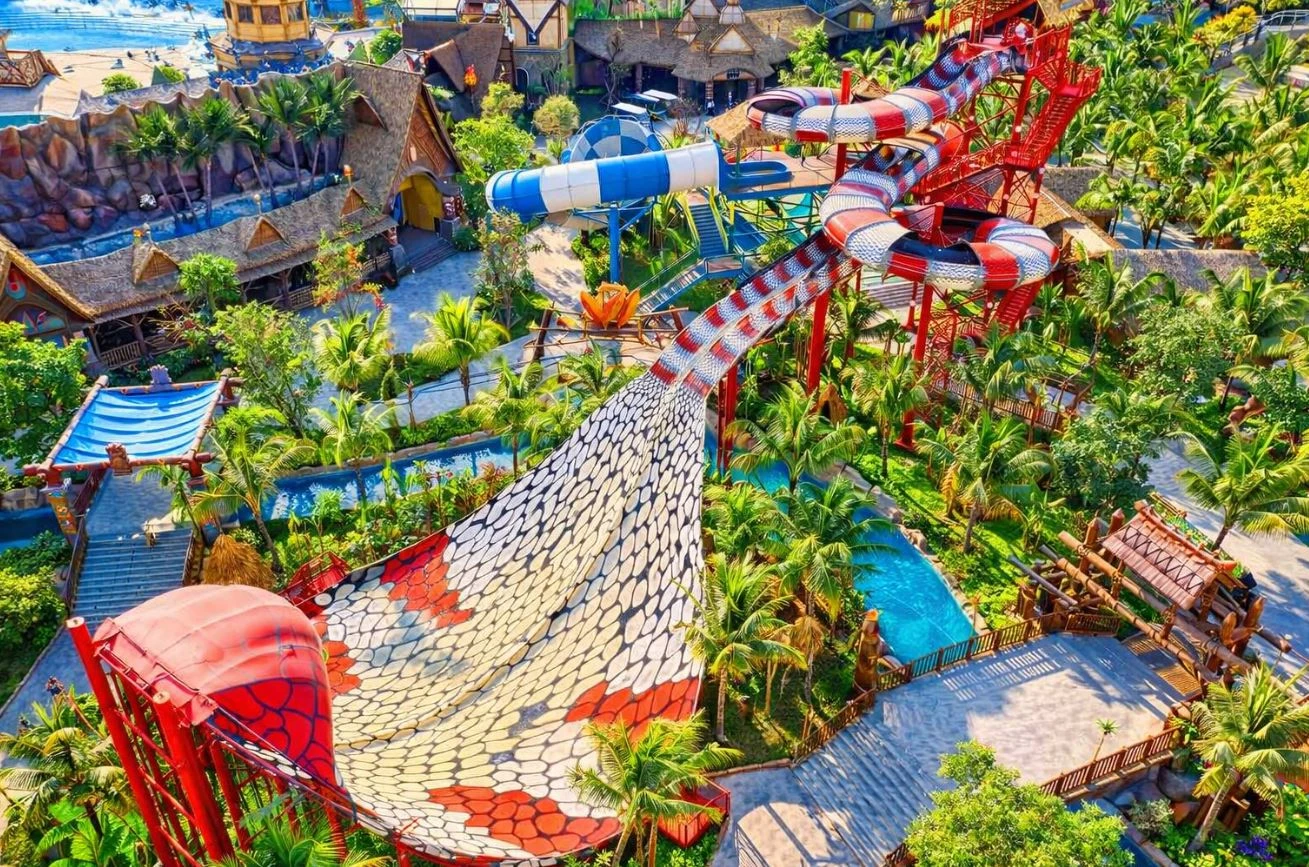
Vietnam’s largest theme park is VinWonders Phu Quoc
VinWonders features multiple zones including thrilling outdoor rides, a water park, an aquarium, and European-style architecture areas. Visitors can spend nearly a full day enjoying rides, shows, and exploring indoor marine ecosystems. Don’t miss the giant turtle-shaped “Sea Shell Palace” aquarium – a mesmerizing underwater world.
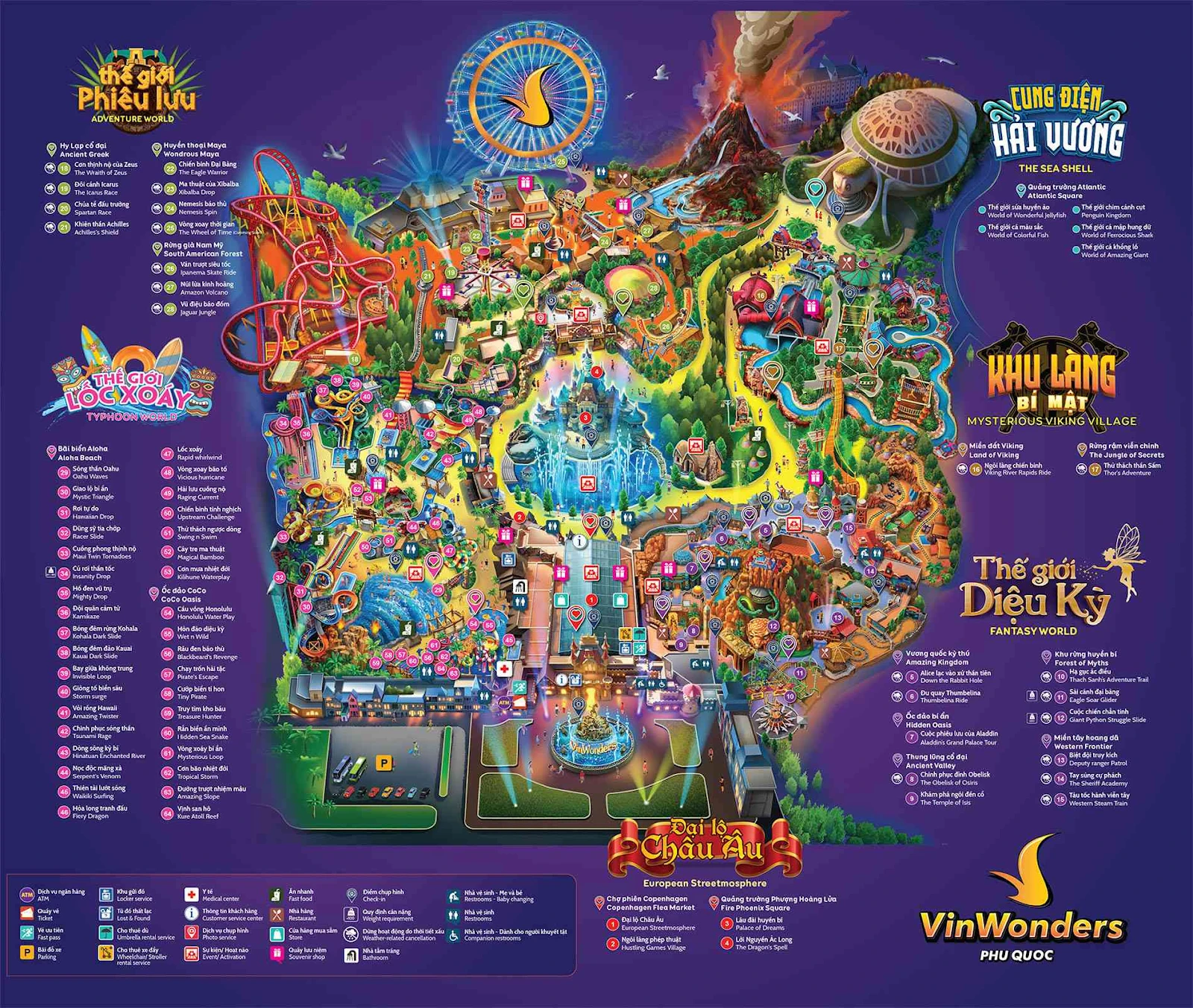
VinWonders Phu Quoc zone map
3.2. Vinpearl Safari Phu Quoc – Semi-wild zoo
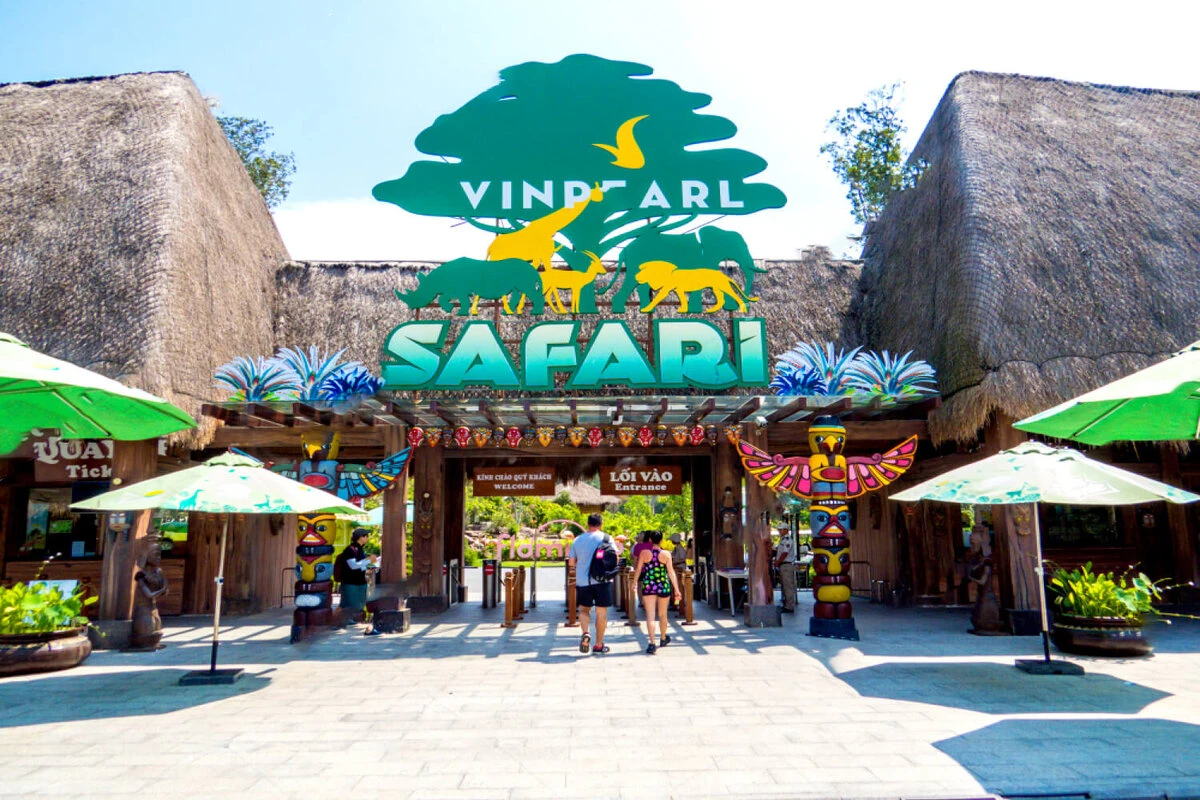
Vinpearl Safari Phu Quoc operates under a semi-wild model
Vinpearl Safari Phu Quoc is Vietnam’s first wildlife conservation park built under a semi-wild model, covering 380 hectares. It has two main zones: an open zoo with over 90 species living in natural environments, and a safari zone where nearly 50 species roam freely while visitors observe from specialized vehicles in a “humans in cages, animals outside” experience. The park is home to around 4,000 individuals from 200 rare species such as Bengal tigers, lions, Asian elephants, white rhinos, giraffes, and zebras. It is especially suitable for families with children who love learning about wildlife.
Visitors can buy tickets at the gate or online to save time. Check ticket prices for Vinpearl Safari Phu Quoc on Tatinta.com.
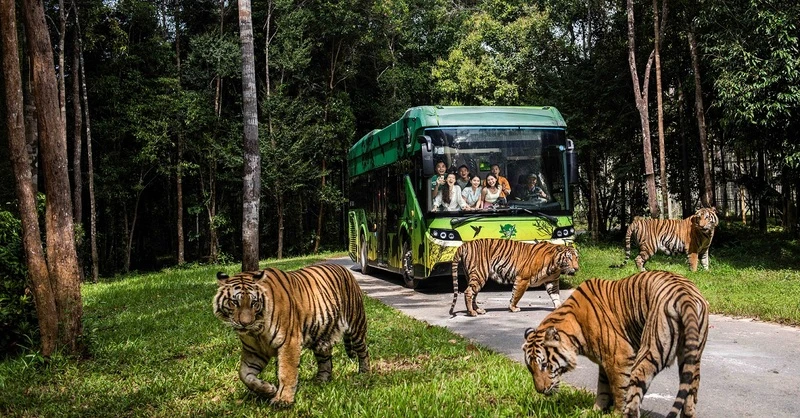
Visitors experience the “humans in cages, animals outside” activity at Phu Quoc Safari
3.3. Grand World Phu Quoc – The sleepless city
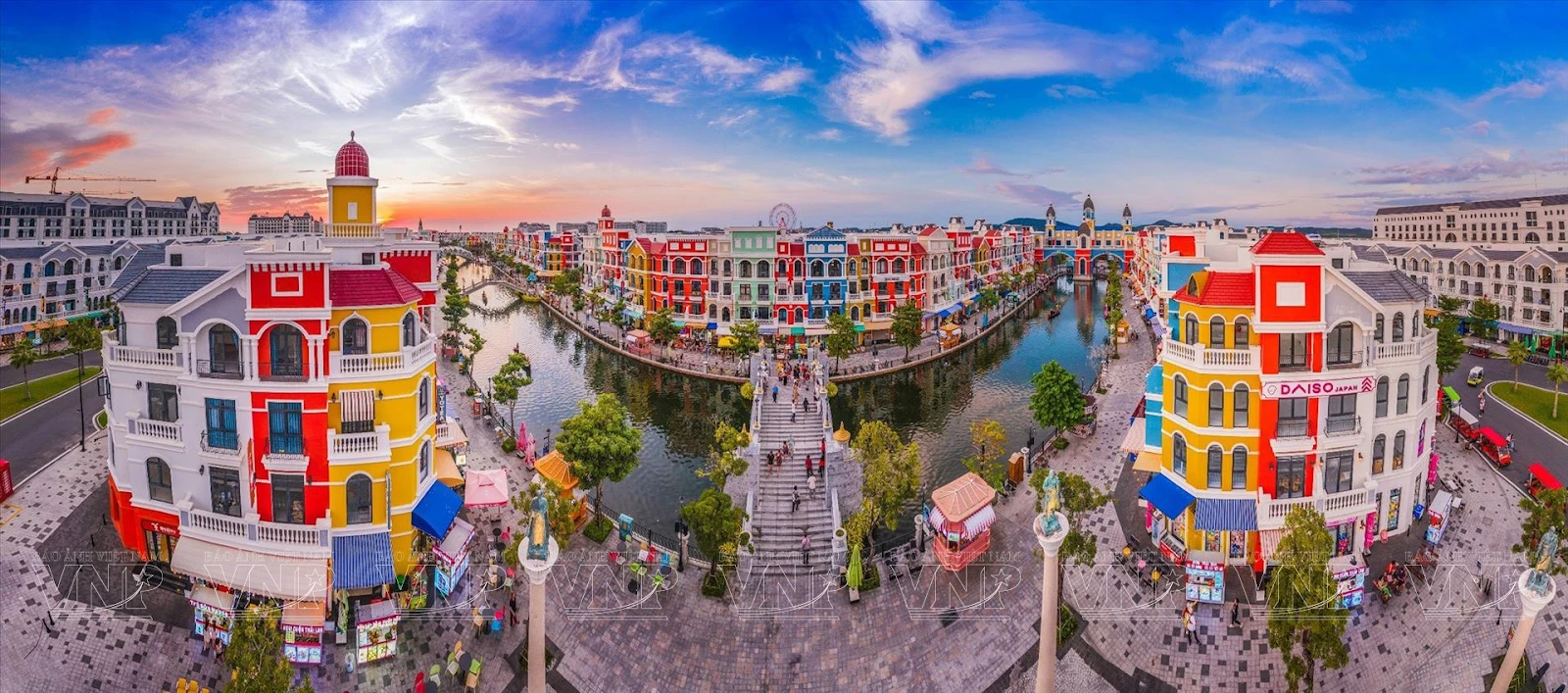
Grand World Phu Quoc – the sleepless festival city
Grand World stands out with its vibrant architecture, Venice-style canal, pedestrian streets, and nightly performances. Known as the “city that never sleeps,” it operates 24/7 with numerous events and entertainment activities. It hosts international-scale shows such as “The Quintessence of Vietnam” and “Colors of Venice,” along with over 2,920 daytime mini shows and around 265 street performances annually.
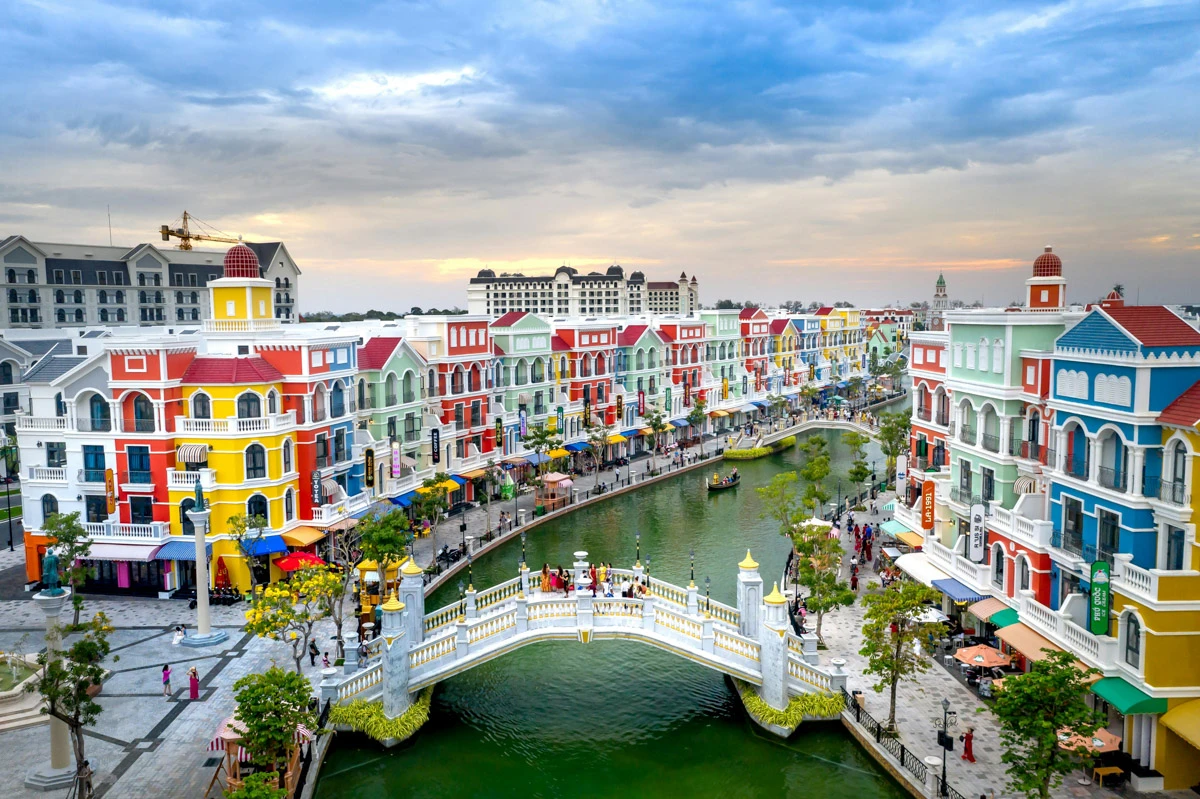
Mini Venice canal in Phu Quoc
3.4. Bai Dai – Ideal resort beach
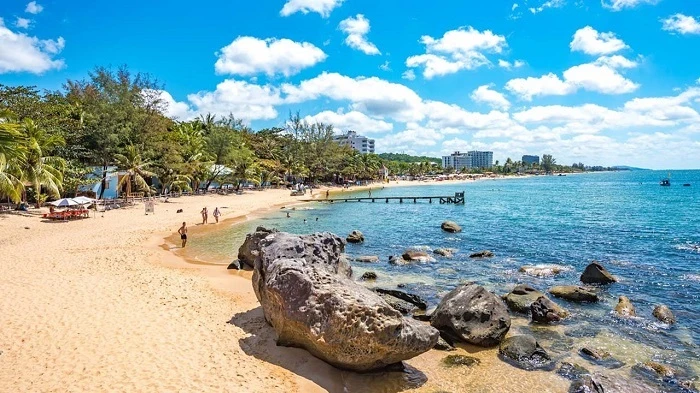
Bai Dai is located in the North of Phu Quoc
Bai Dai features a long coastline, soft sand, and crystal-clear water. The area is home to many luxury resorts, offering a peaceful retreat away from crowds.
3.5. Mui Ganh Dau – A pristine coastal viewpoint
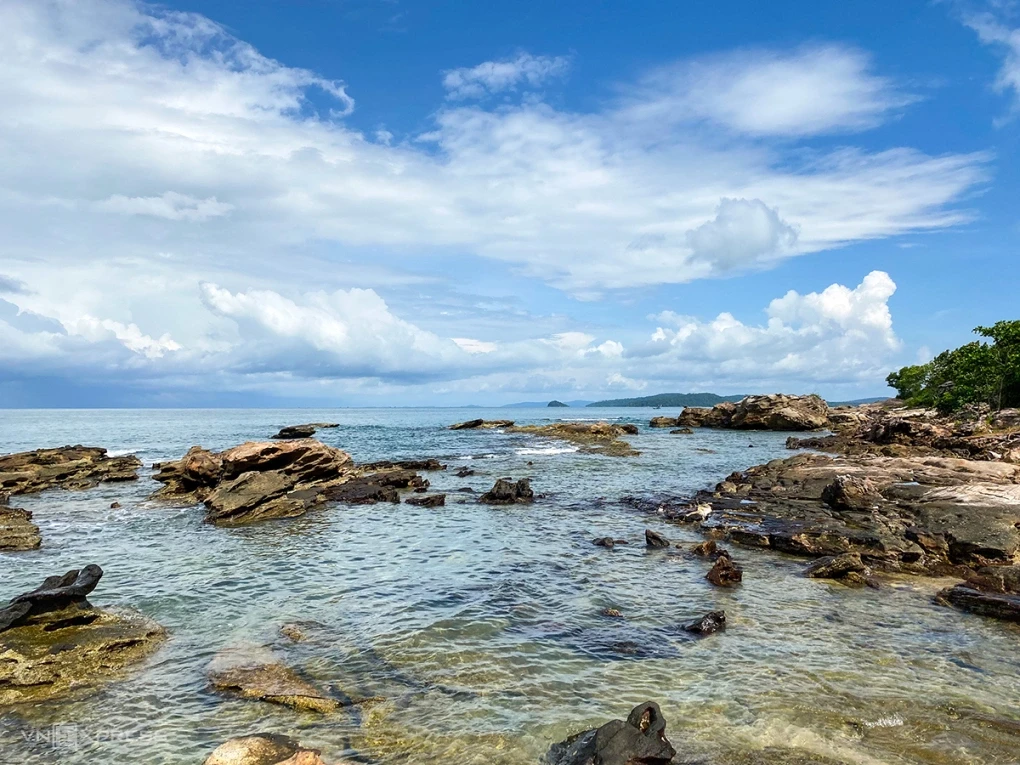
Mui Ganh Dau retains its untouched beauty
Mui Ganh Dau is located in the northwest, about 30 km from the center. It is known for its untouched beauty, sparse population, curved golden sand beaches, and clear waters with views toward Cambodia. Nearby lies Phu Quoc National Park – the island’s “green lung.”
3.6. Phu Quoc National Park – Tropical forest ecosystem
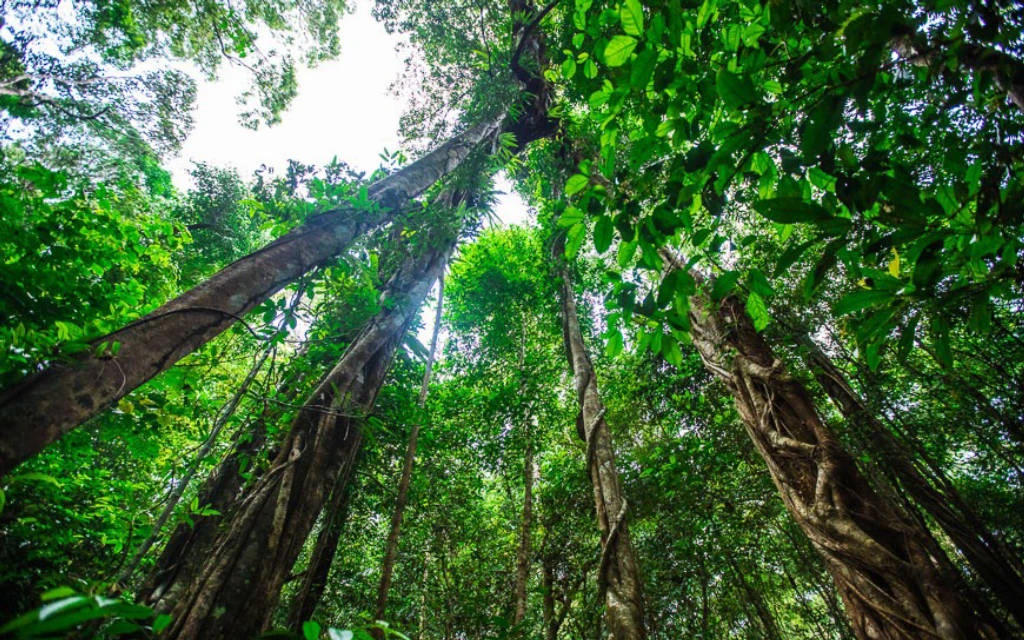
Phu Quoc National Park is known as the “green lung” of the island
Phu Quoc National Park preserves tropical forest ecosystems with diverse flora and fauna. Visitors can enjoy light trekking, conquer Mount Chua for panoramic views, or explore forest streams such as Suoi Da Ban and Suoi Da Ngon.
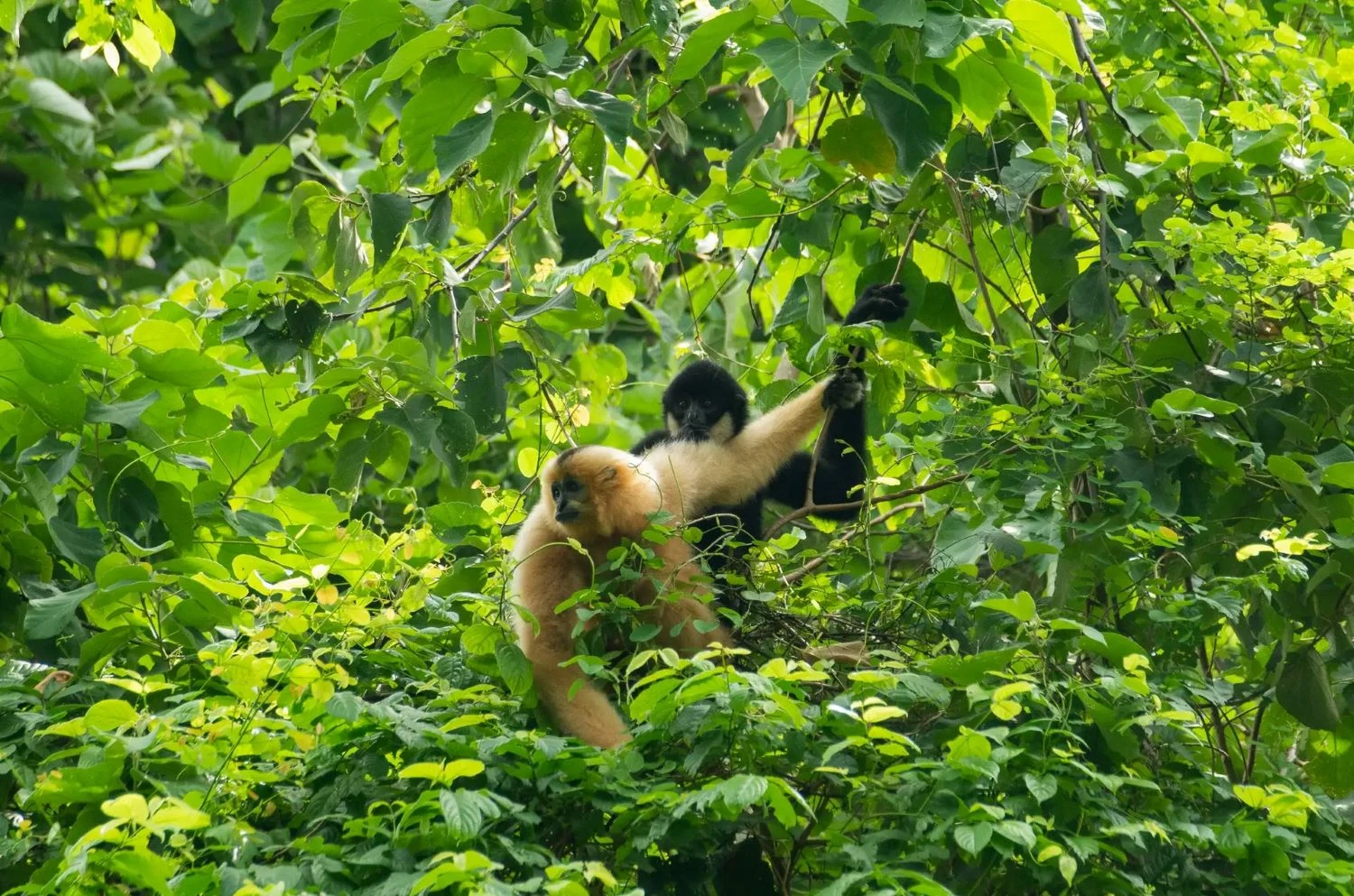
With diverse wildlife, Phu Quoc National Park is home to many rare species
4. Discovering South Phu Quoc
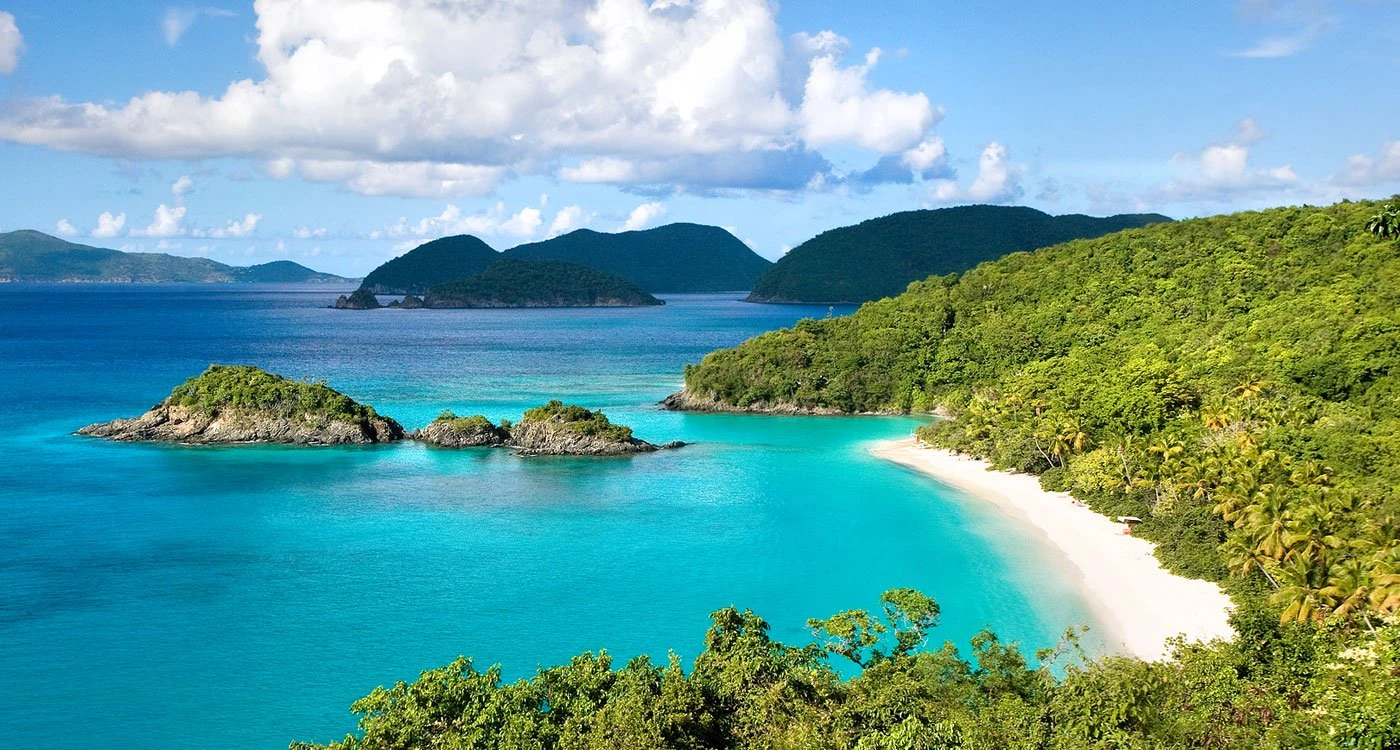
An Thoi archipelago in southern Phu Quoc
Known as the charming “southern tip,” this area features the stunning An Thoi archipelago with pristine islands. Unlike the bustling center, South Phu Quoc offers a true escape into nature.
4.1. Hon Thom Cable Car – The world’s longest sea-crossing cable car
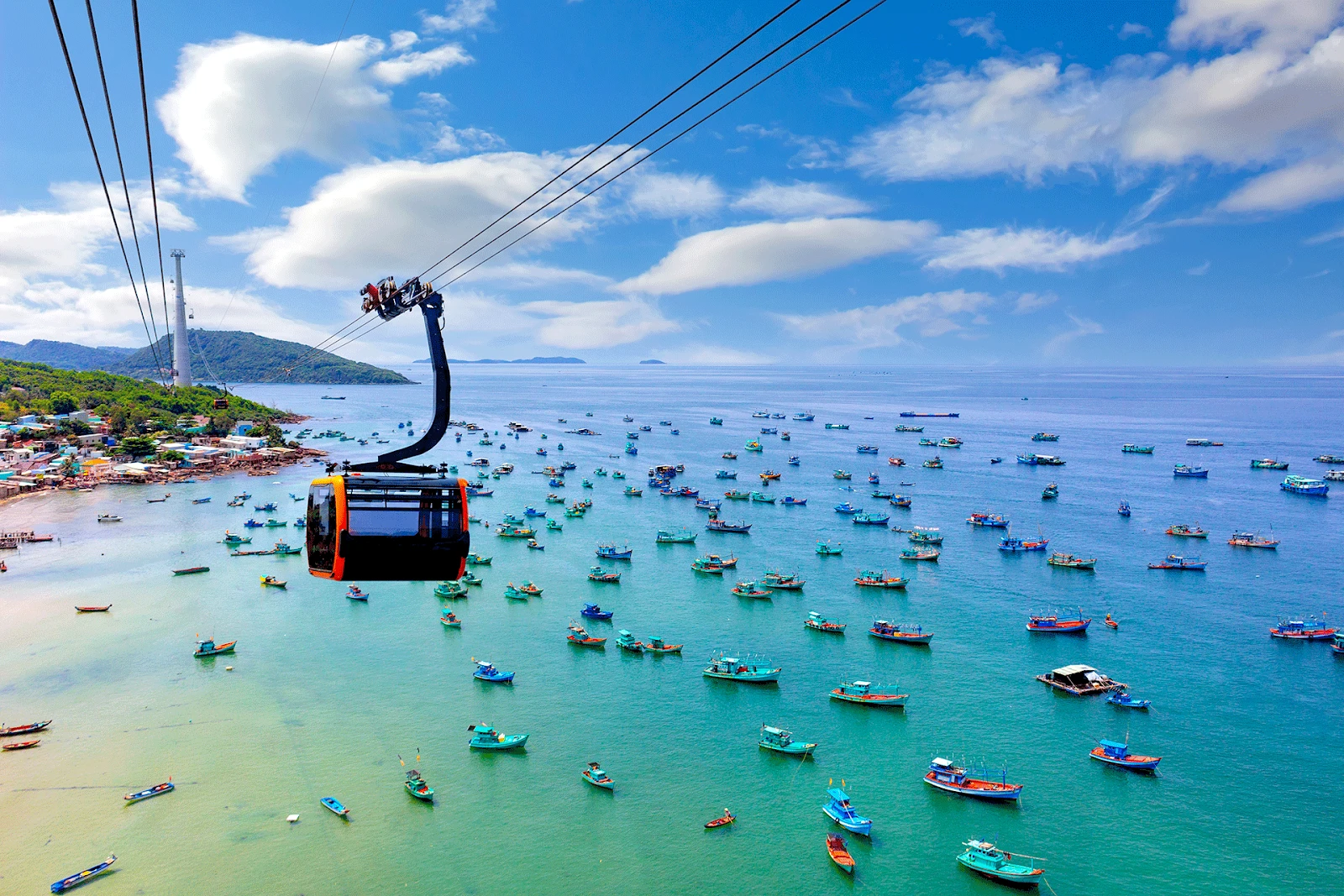
Hon Thom cable car
This is your “ticket” to paradise. Stretching nearly 8 km from An Thoi to Hon Thom, the ride lasts about 15 minutes with breathtaking views of An Thoi Bay. It holds the Guinness World Record as the longest sea-crossing cable car.
4.2. Hon Mong Tay – Hon Gam Ghi – Hon May Rut
Don’t miss the famous 4-island tour!
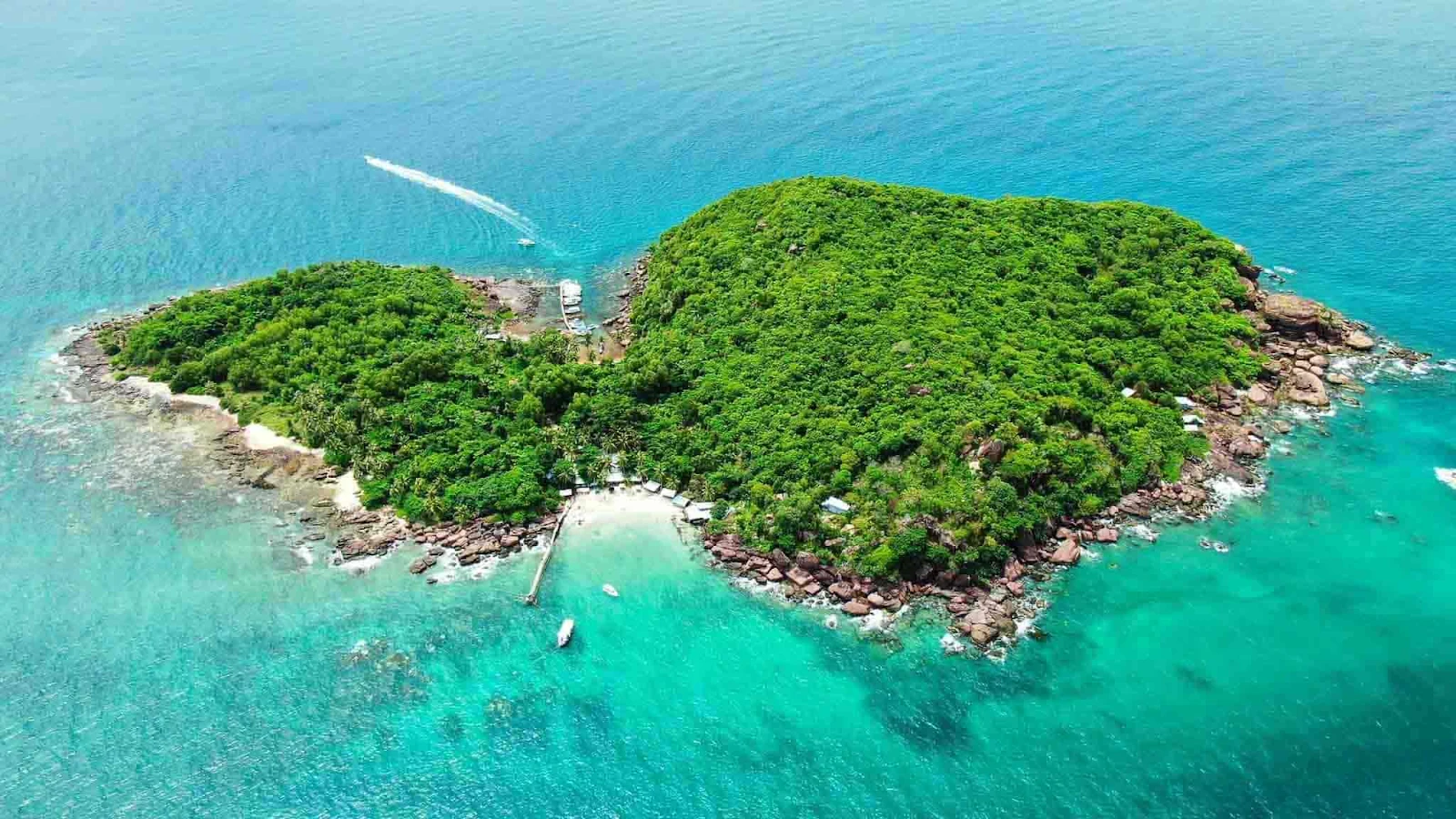
Aerial view of Hon Mong Tay
Hon Mong Tay: Known for white sand and coconut trees – a perfect check-in spot.
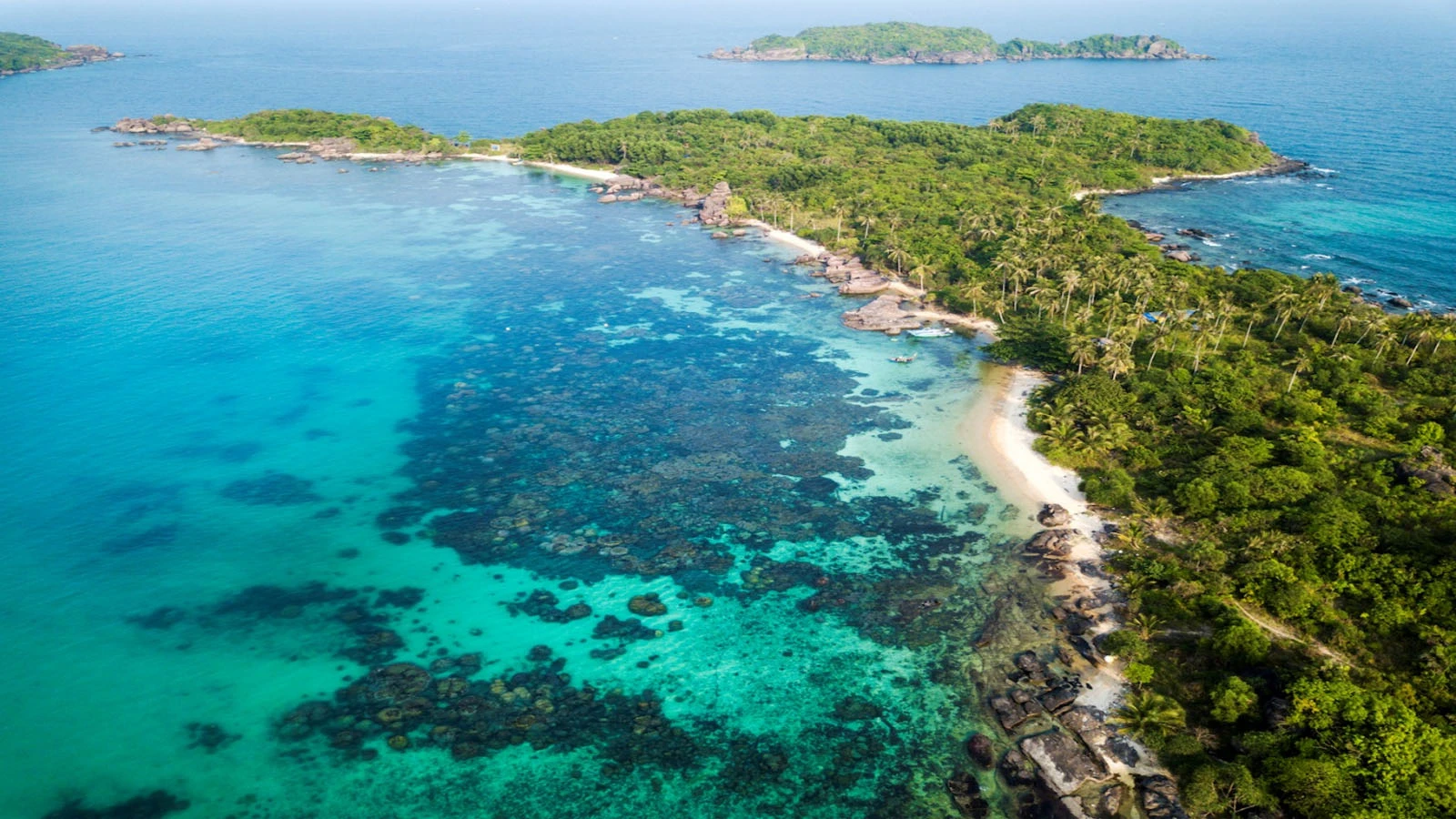
Hon Gam Ghi also known as Dam Ngang Island
Hon Gam Ghi: A paradise of colorful coral reefs near the surface.
Hon May Rut is ideal for relaxing and dining
Hon May Rut: Perfect for hammocks, picnics, and relaxing by the sea.
4.3. Bai Sao – White sand beach
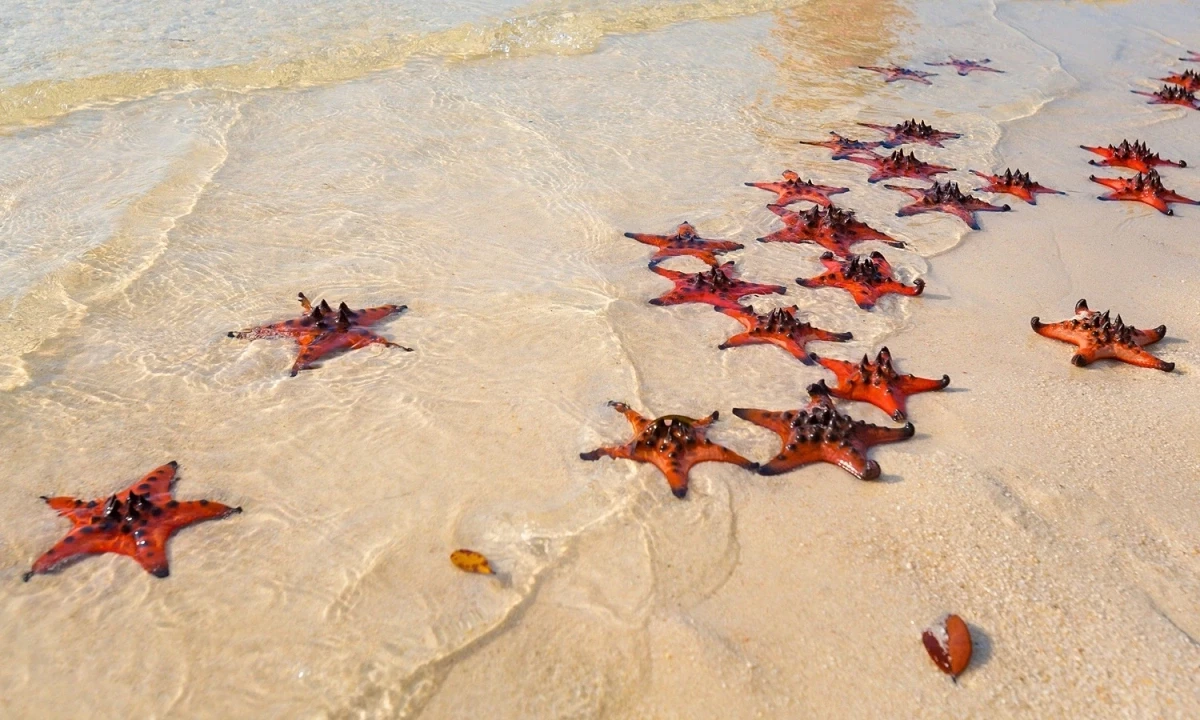
Iconic scenery at Bai Sao Phu Quoc
Bai Sao is famous for its powdery white sand and calm turquoise water, perfect for relaxation.
4.4. Bai Khem – Peaceful retreat
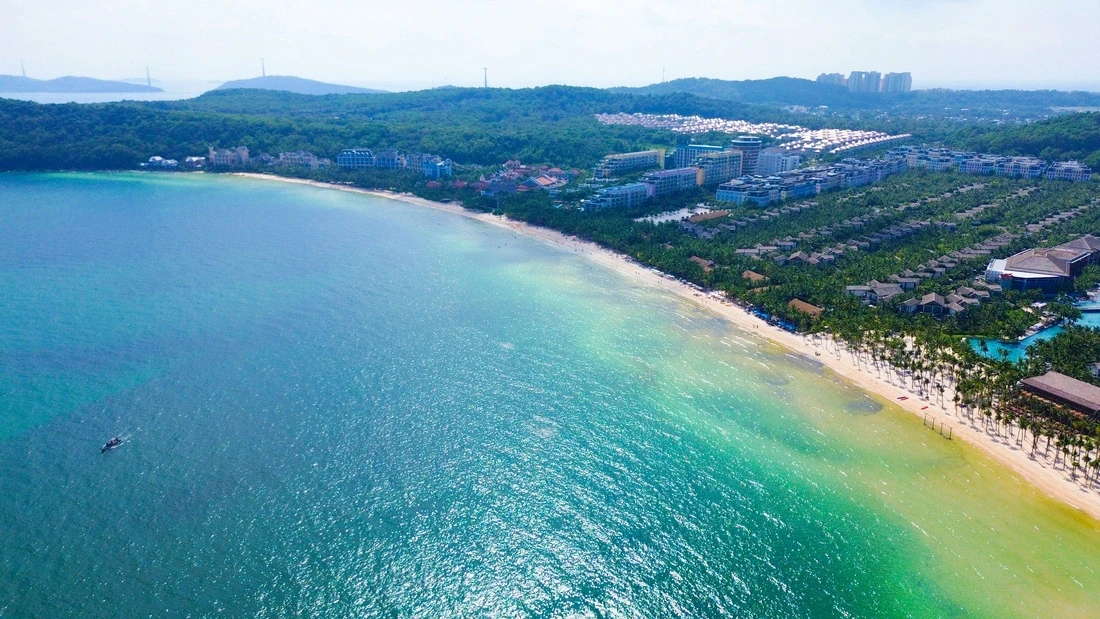
Bai Khem with golden sand and clear water
Bai Khem offers a quiet and elegant curved coastline, ideal for luxury resort stays.
4.5. Bai Truong – Best sunset spot

Sunset paradise at Bai Truong
Stretching along the west coast, Bai Truong is perfect for sunset watching with vibrant sky colors.
5. What to eat in Phu Quoc?
Herring salad is made with fresh fish, coconut, herbs, and sweet fish sauce.
Bun quay Kien Xay features fresh seafood broth and DIY dipping sauce.
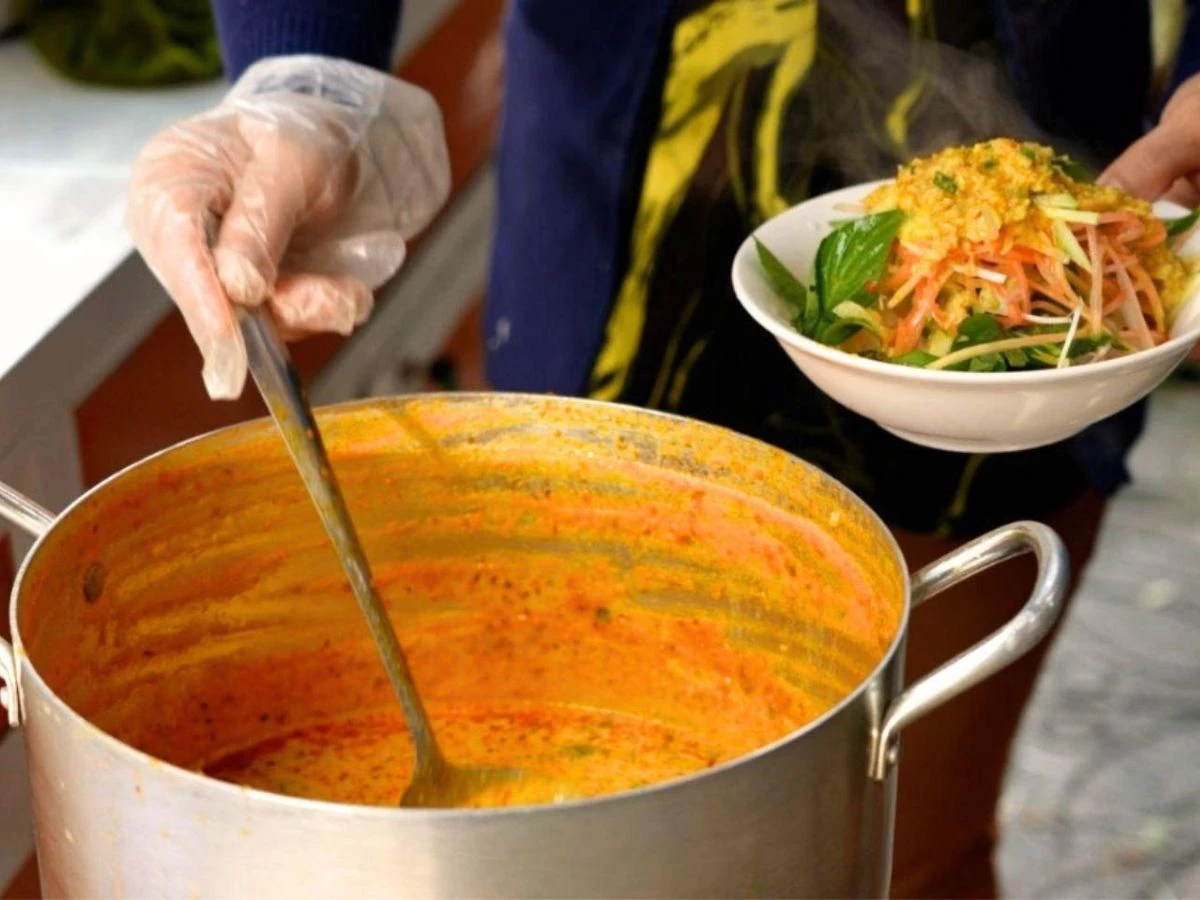
Bun Ken – a signature dish in Phu Quoc
Bun Ken uses ground fish with coconut milk. Ham Ninh crabs are sweet and fresh; grilled sea urchin is rich and flavorful.
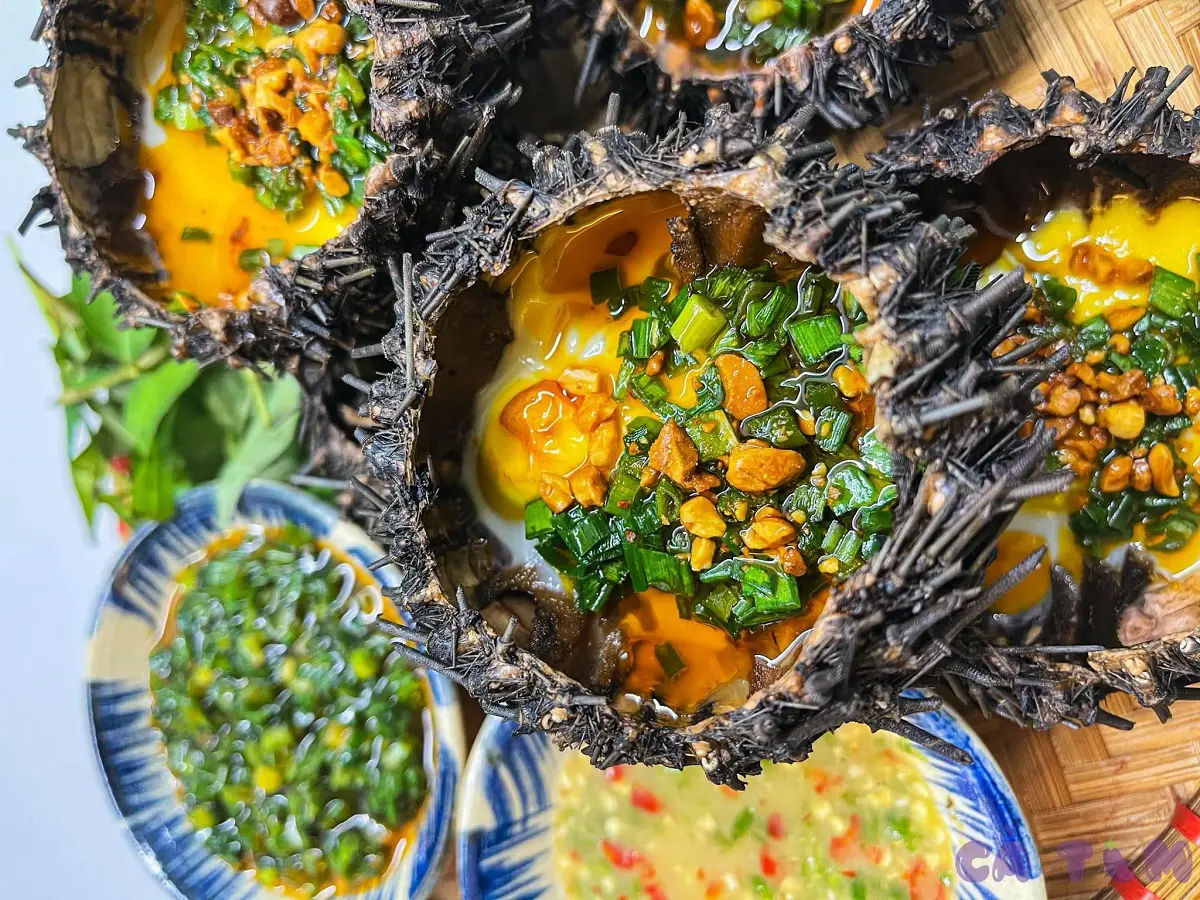
Grilled sea urchin with scallion oil and quail eggs
At night, visit Duong Dong Night Market for local seafood and street food.
6. Suggested 3-day 2-night Phu Quoc itinerary
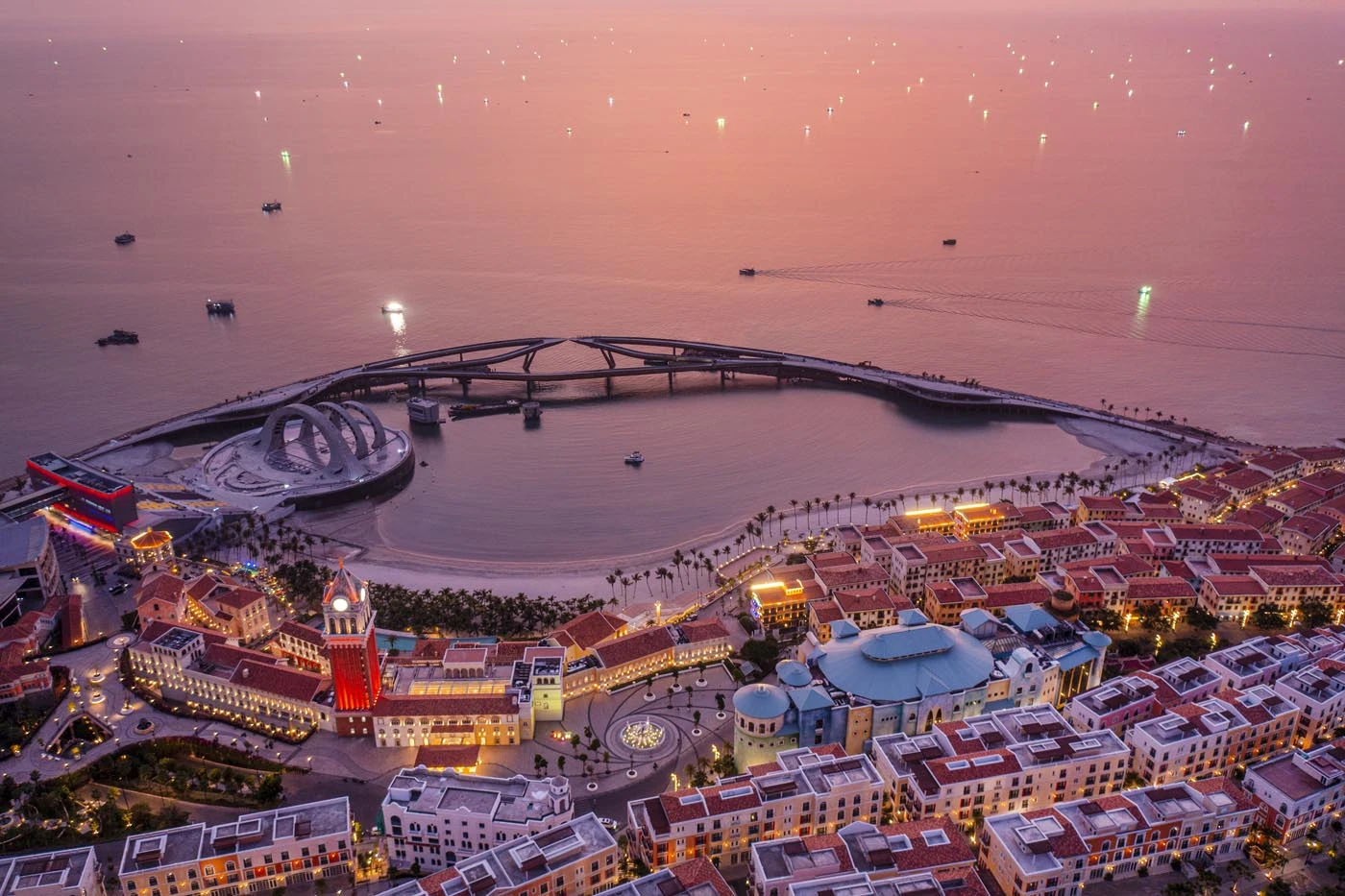
Sunset town with dreamy pink tones in Phu Quoc
Day 1: Explore the North Island – visit VinWonders or Safari, relax at Bai Dai, and enjoy Grand World at night.
Day 2: Head to the South Island – ride the Hon Thom cable car, join a 4-island tour, and watch sunset at Bai Truong.
Day 3: Visit traditional craft villages such as fish sauce factories, pepper farms, pearl farms, and shop for souvenirs before departure.
7. Costs & important tips
Main expenses include flights, accommodation, tours, food, and local transport.
Budget extra for motorbike rental, souvenirs, and unexpected costs. Book early during peak season and check weather before island tours.
8. FAQs – Phu Quoc travel tips
1. Is self-guided travel to Phu Quoc difficult?
No, if you plan carefully and book in advance.
2. Is 3 days 2 nights enough?
Yes, enough for major highlights.
3. Where to stay?
Duong Dong or Bai Truong are convenient.
4. Should I rent a motorbike?
Yes, for flexibility.
5. Best season?
Dry season from November to April.
6. Is the 4-island tour worth it?
Absolutely, it’s a highlight of the South Island.
7. Is Phu Quoc family-friendly?
Yes, with many activities for all ages.
8. Average cost?
Depends on timing and service level.
9. Should I buy souvenirs?
Yes, pepper and fish sauce are famous.
10. Can I combine relaxation and cultural exploration?
Absolutely, with proper planning.
New Posts