


Xem tất cả kết quả cho ""

 Ngày bất kỳ
  Tiếng Việt
 English
 日本語
日本語 한국어
한국어 简体中文
简体中文 Français
 Deutsch
 Español
 Italiano
 Русский


 Đăng nhập cho Doanh nghiệp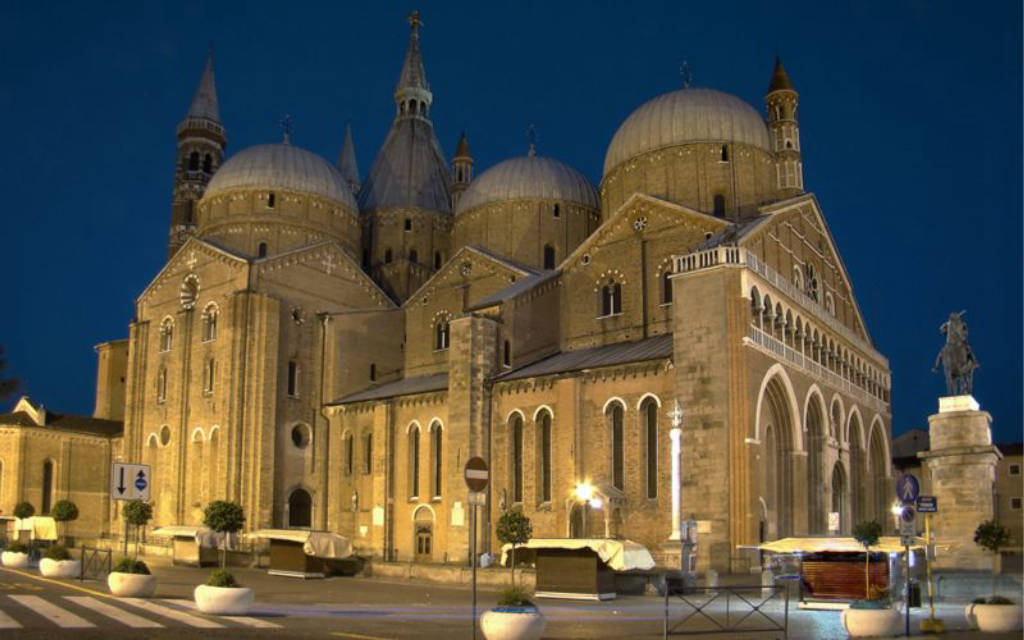
Basilica of Saint Anthony - Padova
 Piazza del Santo, 11, 35123 Padova PD, Ý
The Basilica of Saint Anthony, known as the "Basilica di Sant'Antonio," is a magnificent and revered religious monument located in Padova, Italy.
The Basilica of Saint Anthony, known as the "Basilica di Sant'Antonio," is a magnificent and revered religious monument located in Padova (Padua), Italy. This monumental basilica, dedicated to Saint Anthony of Padua, stands as one of the most important pilgrimage sites in the Christian world, attracting millions of visitors each year.
Construction of the basilica began shortly after Saint Anthony's death in 1231, and it was consecrated in 1310. The design of the basilica blends both Romanesque and Gothic architectural styles, creating a visually stunning and spiritually significant structure. Its grand facade is adorned with a wealth of intricate sculptures and reliefs, depicting scenes from the life of Saint Anthony and other religious themes.
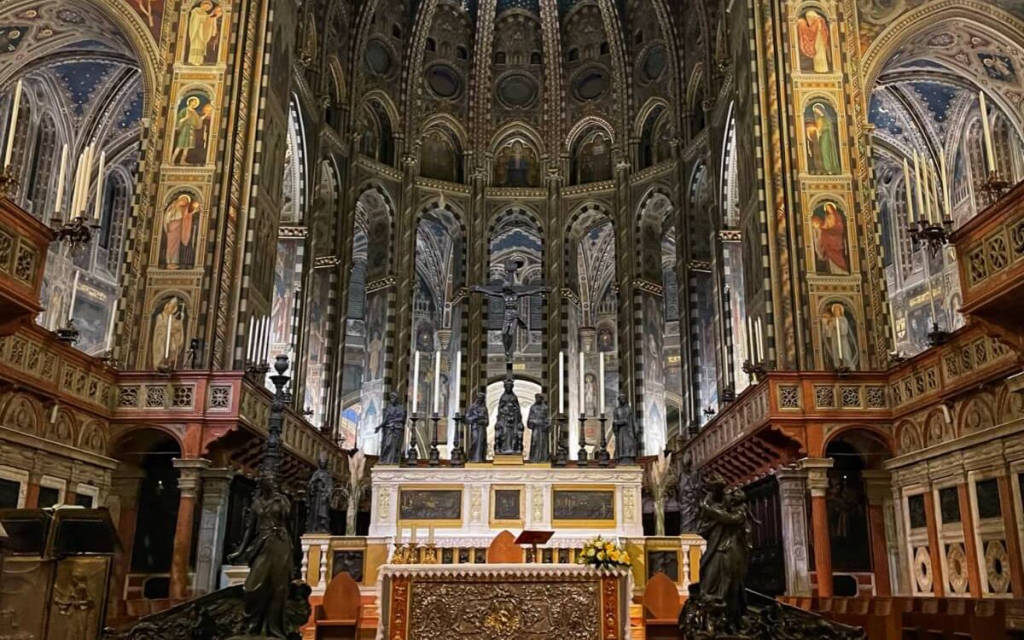
Inside the basilica, visitors are greeted by a breathtaking interior filled with soaring vaulted ceilings, elaborately decorated chapels, and stunning frescoes by renowned artists like Altichiero, Giusto de' Menabuoi, and Guariento di Arpo. The most sacred area of the basilica houses the tomb of Saint Anthony, which draws pilgrims from around the world who come to pay their respects and seek spiritual solace.
One of the basilica's highlights is the ornate Chapel of the Relics, where a rich collection of Saint Anthony's personal belongings and relics are displayed, including his tongue, jaw, and vocal cords, preserved in a crystal reliquary. This chapel is a place of deep veneration and reflection.
The Basilica of Saint Anthony is not only a place of worship but also a center for cultural and religious events. It hosts concerts, religious processions, and celebrations throughout the year, further emphasizing its role as a spiritual and cultural hub.
For visitors, the basilica is a place of awe and inspiration, where art, history, and faith converge. It stands as a symbol of Saint Anthony's enduring legacy and a testament to the enduring power of faith and devotion in the heart of Padova, Italy.