


Xem tất cả kết quả cho ""

 Ngày bất kỳ
  Tiếng Việt
 English
 日本語
日本語 한국어
한국어 简体中文
简体中文 Français
 Deutsch
 Español
 Italiano
 Русский


 Đăng nhập cho Doanh nghiệp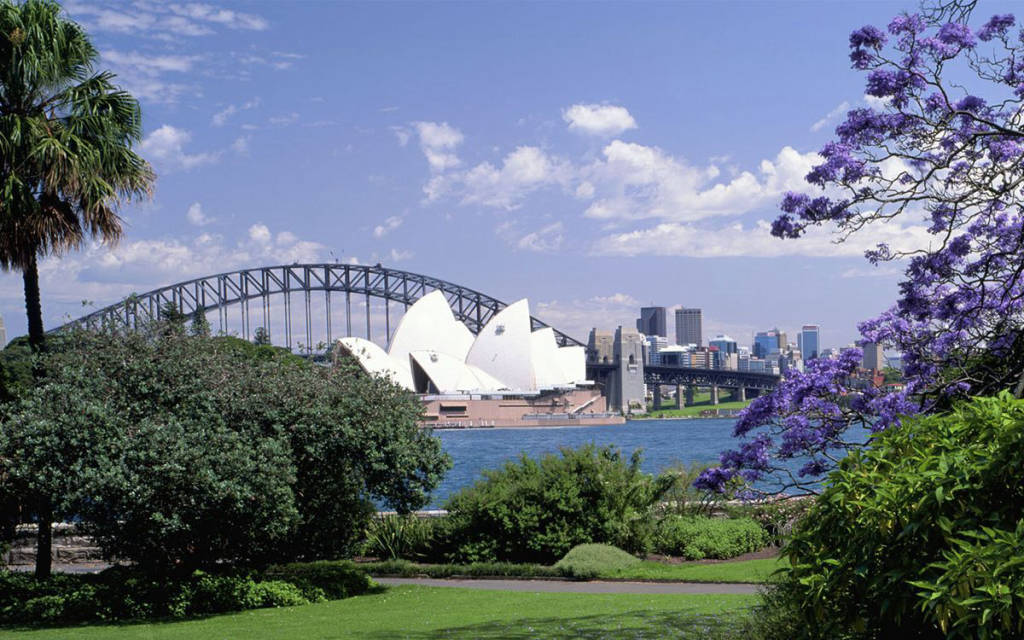
Vườn Bách thảo Hoàng gia Sydney
 Mrs Macquaries Rd, Sydney NSW 2000, Úc
Vườn Bách thảo Hoàng gia, một ốc đảo xanh tươi nép mình bên bờ Cảng Sydney, là thiên đường làm vườn làm say đắm du khách bởi sự đa dạng thực vật, sự yên tĩnh và cảnh quan tuyệt đẹp.
Vườn Bách thảo Hoàng gia, một ốc đảo xanh tươi nép mình bên bờ Cảng Sydney, là thiên đường làm vườn làm say đắm du khách bởi sự đa dạng thực vật, sự yên tĩnh và cảnh quan tuyệt đẹp. Được thành lập vào năm 1816, khu vườn rộng lớn này trải rộng 74 mẫu Anh và đóng vai trò vừa là cơ quan khoa học vừa là nơi nghỉ dưỡng đẹp như tranh vẽ ở trung tâm Sydney.
Cảnh quan tươi tốt của khu vườn trưng bày bộ sưu tập phong phú các loài thực vật, bao gồm cả những mẫu vật quý hiếm và kỳ lạ. Tản bộ dọc theo những con đường uốn khúc, du khách sẽ bắt gặp những khu vườn theo chủ đề như khu vườn mọng nước, vườn hoa hồng và trung tâm nhiệt đới, mỗi khu vườn là minh chứng cho thảm thực vật phong phú được quản lý trong khu bảo tồn đô thị này.
Calyx, một nhà kính hiện đại và không gian triển lãm, nổi bật như một viên ngọc thực vật trong khu vườn, tổ chức các buổi trưng bày và sự kiện quyến rũ làm nổi bật sự giao thoa giữa nghệ thuật và thiên nhiên. Ngoài sức hấp dẫn về mặt thẩm mỹ, Vườn Bách thảo Hoàng gia còn đóng một vai trò quan trọng trong việc nghiên cứu và bảo tồn thực vật, góp phần nâng cao hiểu biết của chúng ta về hệ sinh thái độc đáo của Úc.
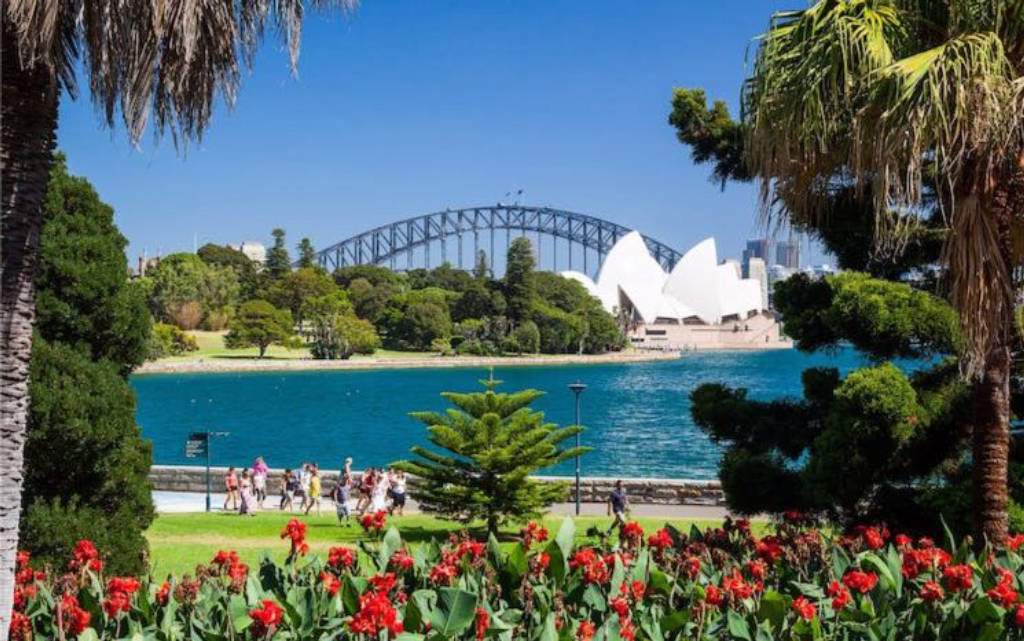
Khi du khách khám phá, họ sẽ được chiêm ngưỡng khung cảnh ngoạn mục của Cảng Sydney, Nhà hát Opera và Cầu Cảng, mang đến khung cảnh tuyệt đẹp cho sự thanh bình của những khu vườn. Các khu vực theo chủ đề, bao gồm Vườn Rừng nhiệt đới Úc và Vườn Phương Đông, tạo ra những trải nghiệm sống động, đưa du khách đến với môi trường thiên nhiên đa dạng.
Vườn Bách thảo Hoàng gia Sydney không chỉ đơn thuần là một bộ sưu tập thực vật mà còn là minh chứng sống động cho vẻ đẹp của thế giới tự nhiên. Dù đang tìm kiếm một lối thoát yên bình, một cơ hội học tập hay chỉ đơn giản là đi dạo nhàn nhã giữa khung cảnh ngoạn mục, viên ngọc thực vật này mời gọi tất cả mọi người kết nối với thiên nhiên ở trung tâm thành phố nhộn nhịp.