


Xem tất cả kết quả cho ""

 Ngày bất kỳ
  Tiếng Việt
 English
 한국어
한국어 日本語
日本語 简体中文
简体中文 Français
 Deutsch
 Español
 Italiano
 Русский


 Đăng nhập cho Doanh nghiệp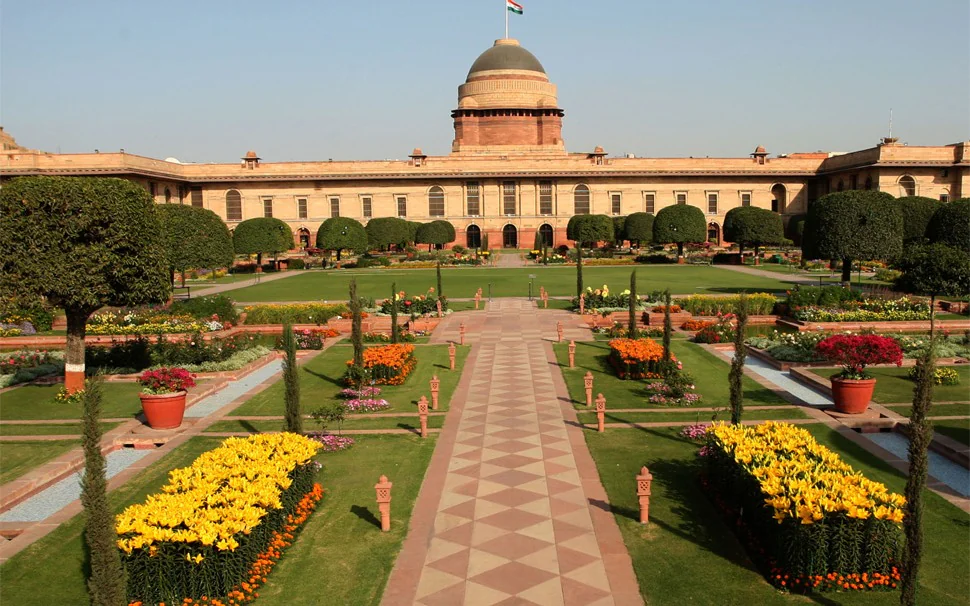
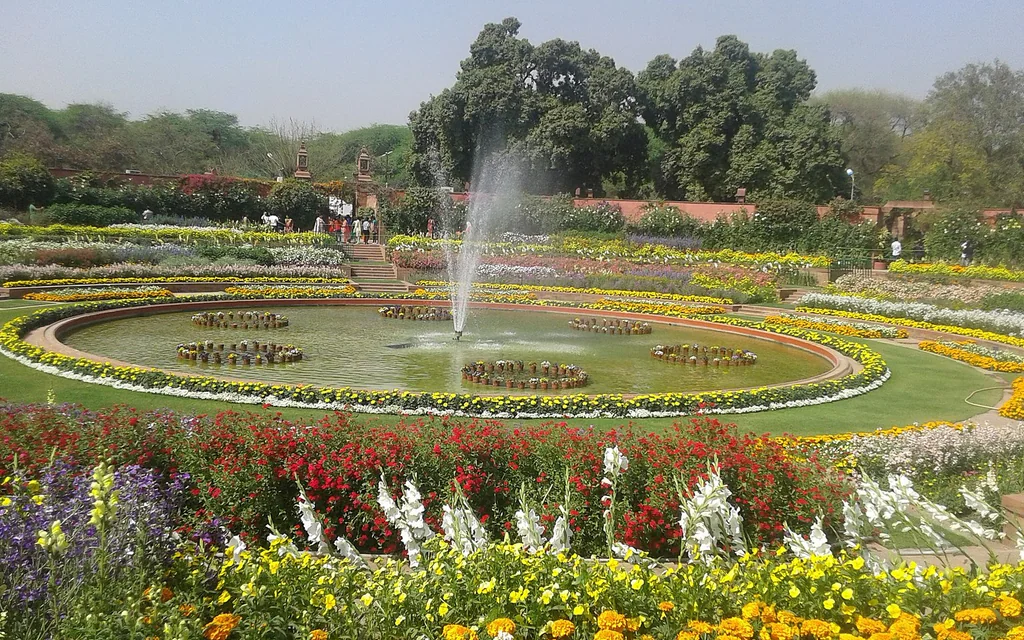
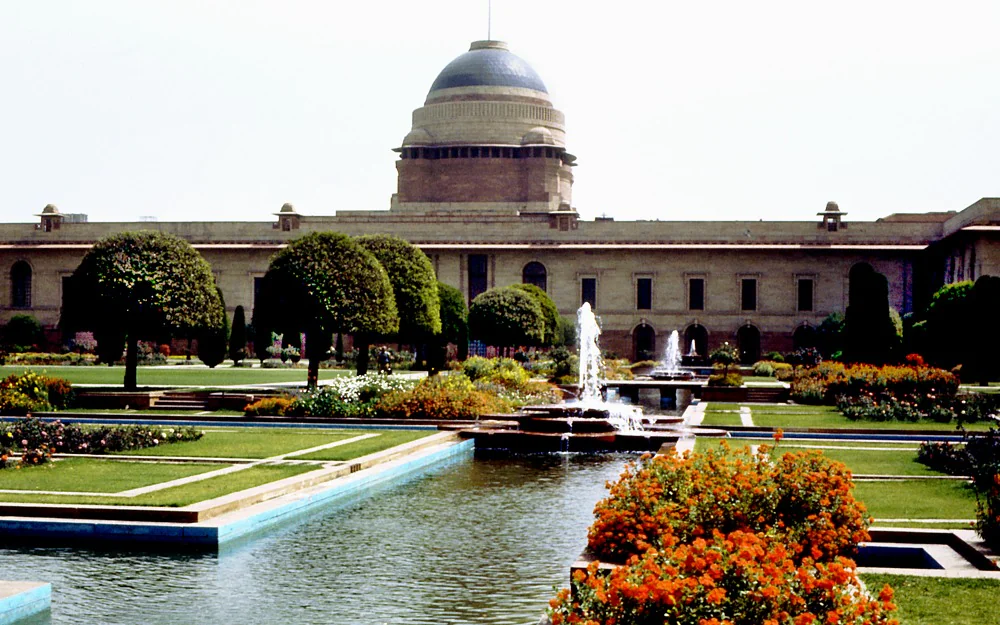
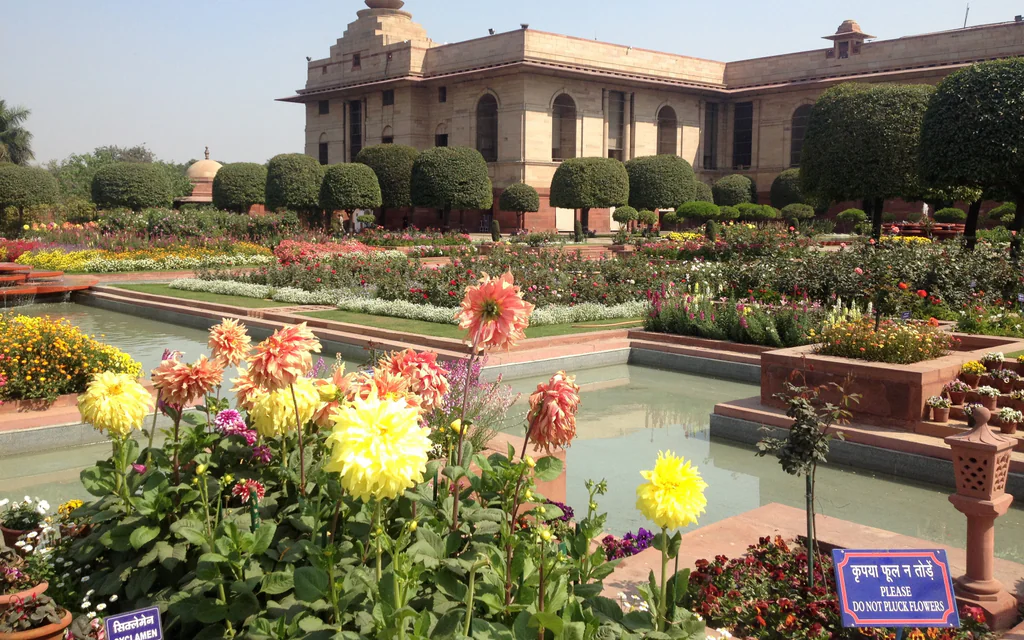
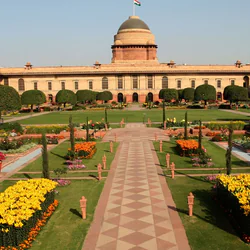
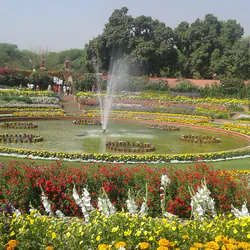
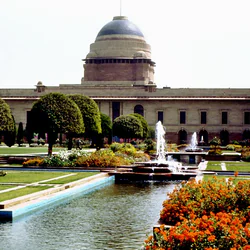
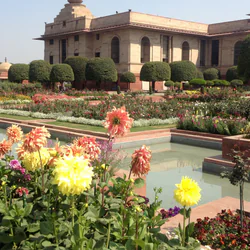
Mughal Garden
 Rashtrapati Bhawan, President's Estate, New Delhi, Delhi 110004, India
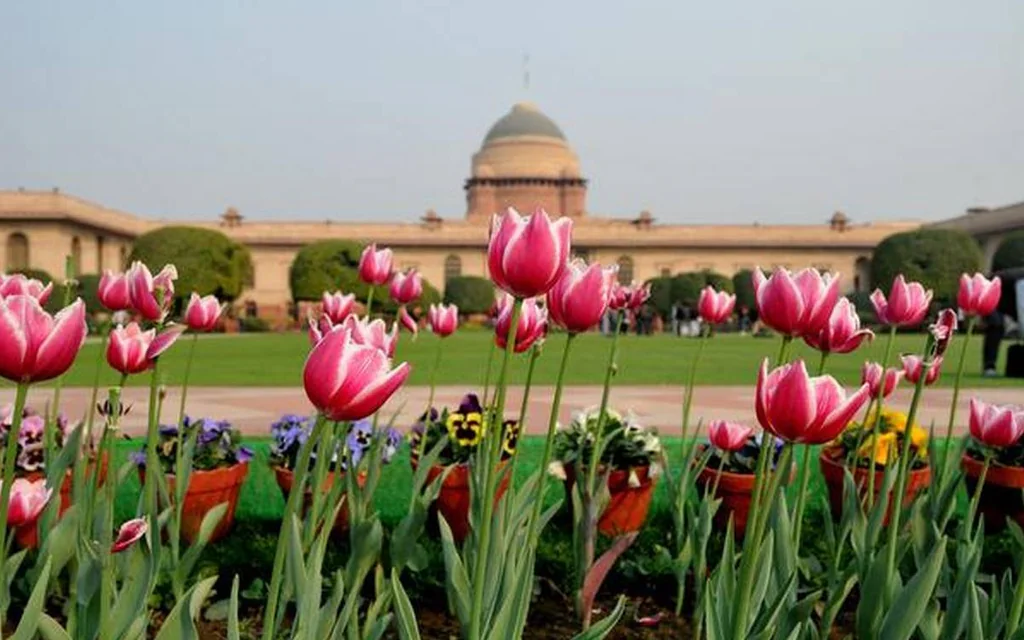
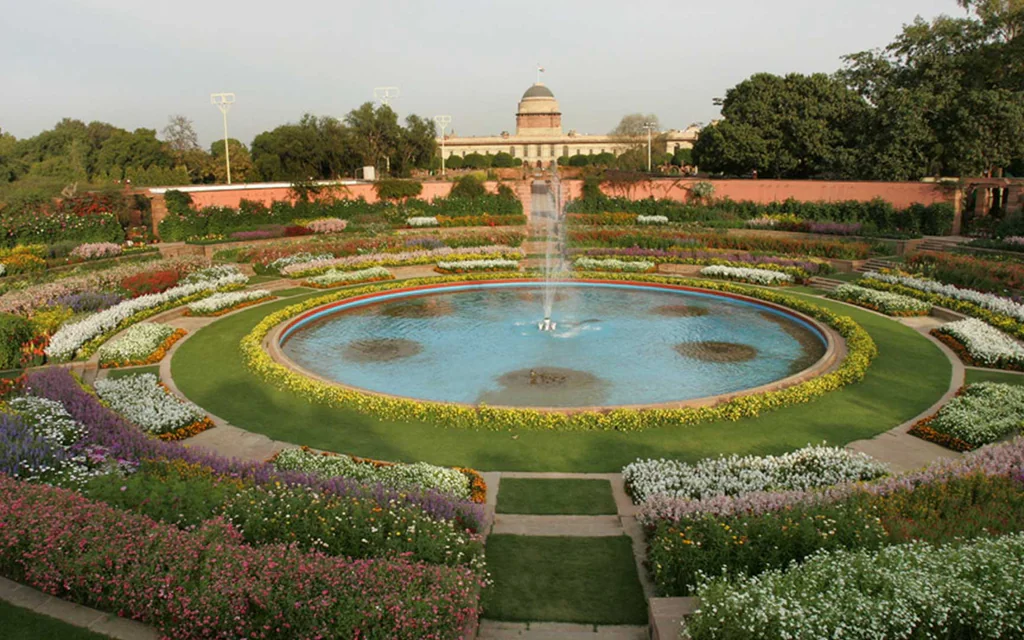
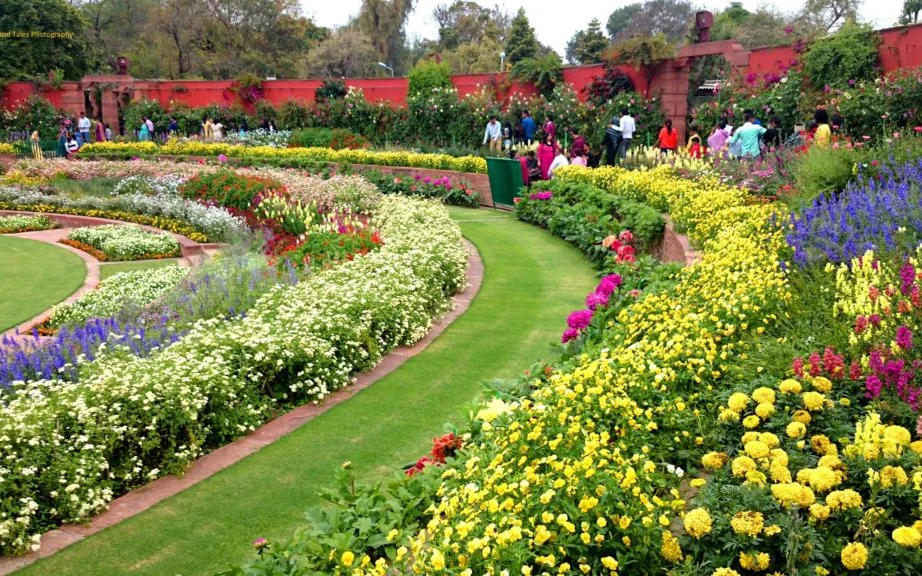
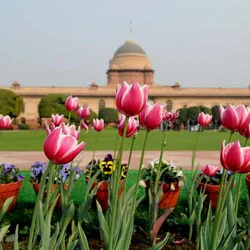
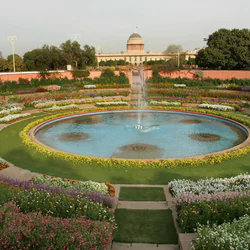
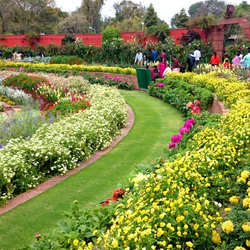
Located inside the Presidential Palace of Rashtrapati Bhawan, the vast Mughal garden is an English and Mughal landscape design with vibrant colors and carefully lined with diverse flowers, which is considered a pride. and is the soul of the Presidential Palace.
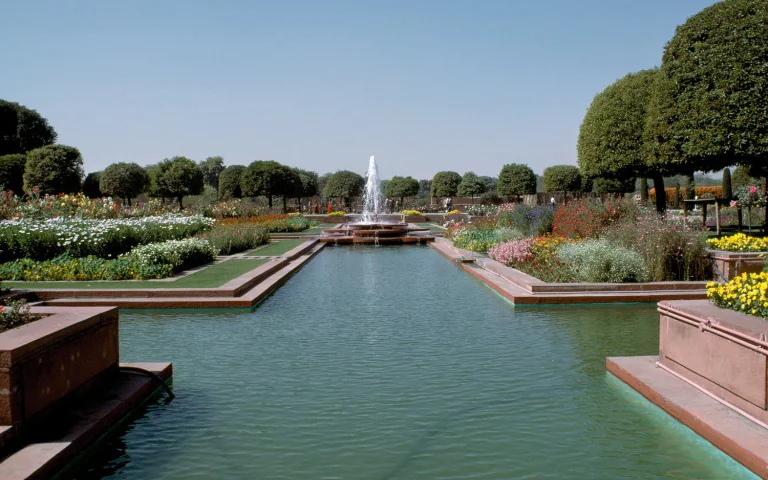
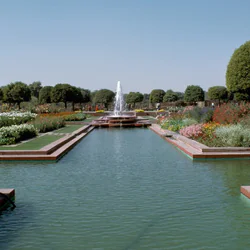
The Mughal Garden was designed by the famous architect Sir Edwin Lutyens in early 1917, with an area of more than 6 hectares, the garden is inspired by the Mughal gardens of Jammu & Kashmir and the picturesque flowerbeds painted around the Taj Mahal in Agra, and even miniatures of India and Persia.
The garden is applied two different gardening methods, Mughal style and English flower garden style. Canals, terraces and shrubs are harmoniously combined with European flower beds, lawns and hedges. The highlight of the Mughal garden is the "Rose garden", with nearly 160 different species. All roses are named, including many species named after famous figures such as "Queen Elizabeth", "Lincoln", "Monezuma", "John F. Kennedy" "Mother Teresa"…
In addition to roses and tulips, lilies, daffodils, hyacinths and other seasonal flowers all enhance the beauty of the park at the Presidential Palace. There are more than 70 species of seasonal flowers, including exotic bulbs and winter flowers. In the park, 60 out of 101 species of bougainvillea are planted. Surrounding and beautifying the flower garden are windflowers, chrysanthemums, daffodils, etc. The grass in the park is doob grass, brought back from Clacutta (now Kolkata) during the planting process. The park has about 50 species of trees, shrubs and vines, including the Moulsiri tree, the golden rain tree, the torch tree and many others. Currently, more than 300 permanent and non-permanent staff are deployed to develop and maintain the park.
The Mughal Garden is only open to visitors in February and March each year during the Udyanotsav festival.
Time: from 10:00 am - 4:00 pm.
Closed every Monday.
There is no entrance fee, but reservations must be made prior to arrival and remember to bring your passport for identification. Reservations can be made online, by email or by phone.