


Xem tất cả kết quả cho ""

 Ngày bất kỳ
  Tiếng Việt
 English
 한국어
한국어 日本語
日本語 简体中文
简体中文 Français
 Deutsch
 Español
 Italiano
 Русский


 Đăng nhập cho Doanh nghiệp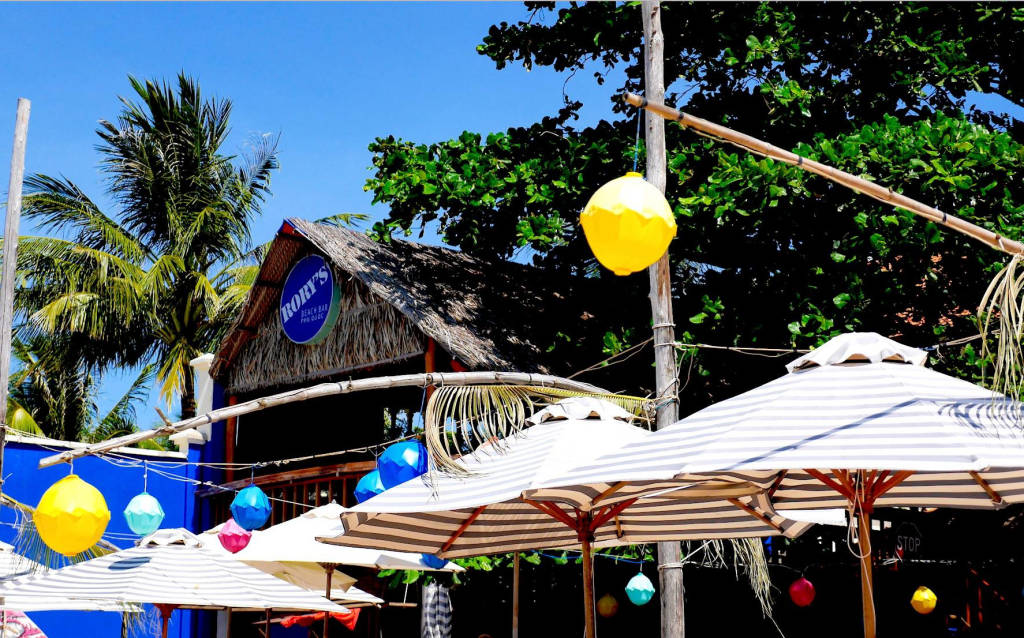


Rory’s Beach Bar
 Phú Quốc - Việt Nam
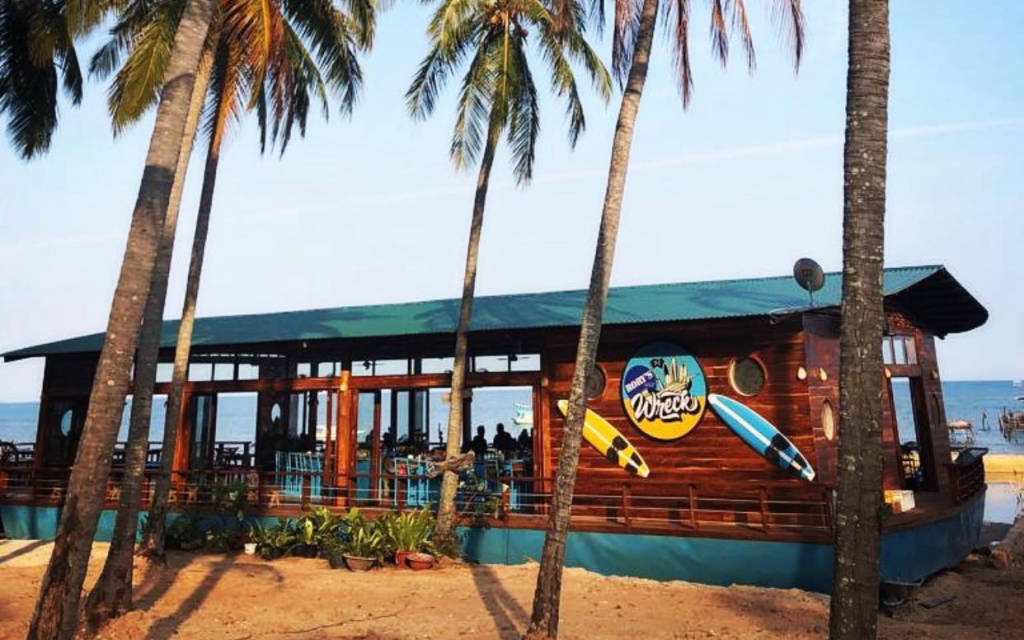
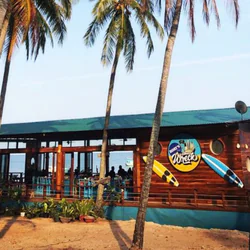
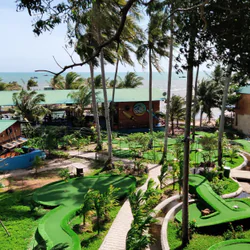
Một trong những địa điểm giải trí về đêm nổi tiếng của Phú Quốc với thực đơn đồ uống ấn tượng, không gian sảnh rộng rãi và tầm nhìn tuyệt đẹp ra đại dương và các đảo xung quanh.
Tọa lạc tại Bãi Dài, Rory’s Beach Bar từ lâu đã khá nổi tiếng với những du khách muốn thư giãn sau một ngày dài khám phá đảo Phú Quốc.
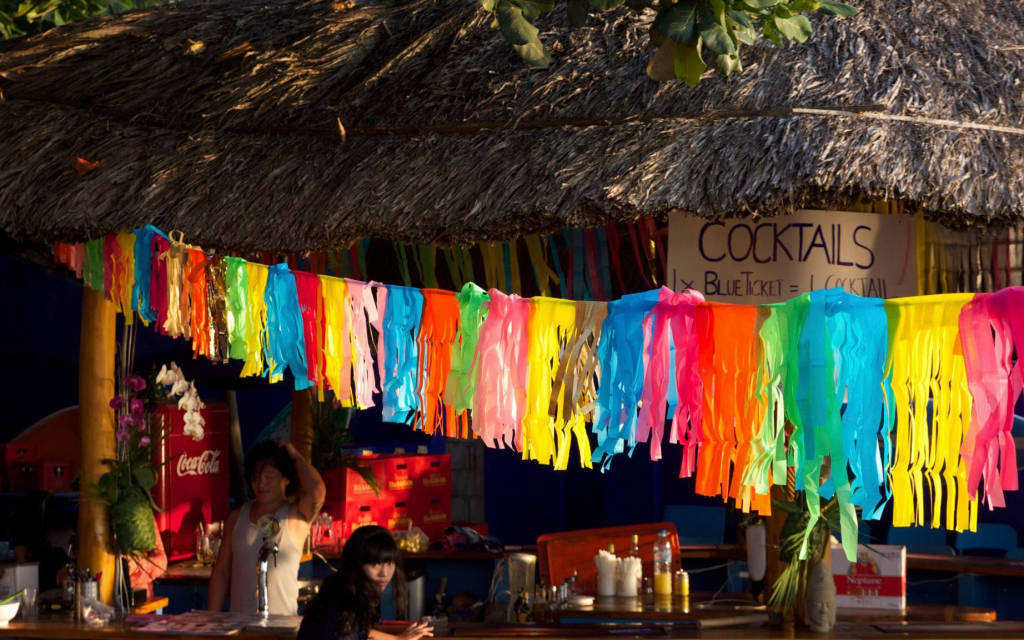
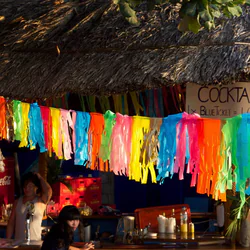
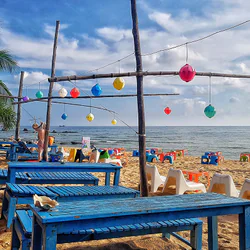
Với quầy bar dài, rộng rãi, sàn gỗ bóng loáng, bàn bi-a và một số TV thường xuyên chiếu các sự kiện thể thao, khu vực bên trong của Rory’s Beach Bar khá thích hợp cho những ai muốn có những cuộc trò chuyện thân mật, ấm cúng cùng người thân, bạn bè. Rory’s Beach Bar cũng có những chiếc ghế tựa dài, nhiều màu sắc, cùng những dây đèn lồng sặc sỡ được đặt ngoài bãi biển tạo thành một khu vực yêu thích cho những du khách muốn ngắm cảnh hoàng hôn hoặc tham gia một số trò chơi vận động trên biển như bóng chuyền, bóng đá, bóng bầu dục,…
Đồ uống tại Rory’s Beach Bar Phú Quốc đa phần là các món cocktail nhiệt đới, bia tươi và rượu vang nhập khẩu với giá khá hợp lí. Về ẩm thực, bên cạnh các món ăn phổ biến như burger, khoai tây chiên, mì ý, du khách nên thưởng thức các món ăn được biến tấu mới lạ từ hải sản như salad cua lột, hải sản nướng và bánh mì kẹp thịt kiểu Úc.
Nhờ không gian thoải mái, dịch vụ thân thiện cùng với các món ăn, nước uống đa dạng, Rory’s Beach Bar đã trở thành địa điểm yêu thích yêu thích của nhiều du khách. Đặc biệt vào mùa cao điểm từ tháng 11 đến tháng 3, du khách có thể thưởng thức nhạc sống, chơi bóng bầu dục và đốt lửa mỗi đêm.
Trang web: www.facebook.com/RorysBarPhuQuoc
Điện thoại: 091 933 3250
Giờ hoạt động: 09:00 – 24:00 các ngày trong tuần