


Xem tất cả kết quả cho ""

 Ngày bất kỳ
  Tiếng Việt
 English
 한국어
한국어 日本語
日本語 简体中文
简体中文 Français
 Deutsch
 Español
 Italiano
 Русский


 Đăng nhập cho Doanh nghiệp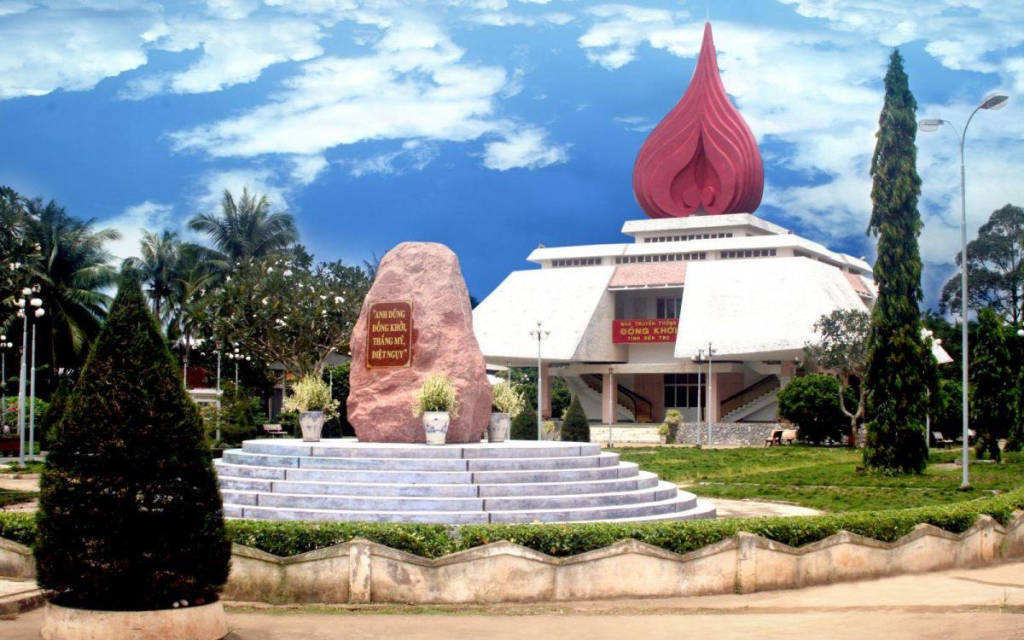
Di Tích Lịch Sử Quốc Gia Đặc Biệt Đồng Khởi ở Bến Tre
 Di tích Quốc gia đặc biệt Đồng Khởi Bến Tre, Hà Huy Giáp, Định Thủy, Mỏ Cày Nam, Bến Tre, Việt Nam
Di tích Đồng Khởi Bến Tre nằm tại xã Định Thủy, huyện Mỏ Cày Nam, tỉnh Bến Tre, là nơi diễn ra sự kiện Đồng Khởi Bến Tre vào ngày 17 tháng 1 năm 1960, đánh dấu sự khởi đầu của phong trào Đồng Khởi trong cuộc cách mạng miền Nam Việt Nam. Đây là một bước ngoặt quan trọng trong cuộc kháng chiến chống Mỹ, mở ra một làn sóng nổi dậy trên toàn miền Nam, làm suy yếu chính quyền Việt Nam Cộng hòa và góp phần tạo nền tảng cho Mặt trận Giải phóng miền Nam Việt Nam.
Bối Cảnh Lịch Sử
Vào tháng 5 năm 1959, Hội nghị Trung ương Đảng lần thứ 15 đã vạch ra đường lối cách mạng cho cả nước và miền Nam, với mục tiêu giải phóng miền Nam khỏi ách thống trị của đế quốc, thực hiện độc lập dân tộc và quyền lợi cho người cày có ruộng. Để thực hiện mục tiêu này, đầu tháng 12 năm 1959, Khu ủy Khu 8 quyết định phát động phong trào Đồng Khởi. Tỉnh ủy Bến Tre chọn ba xã Định Thủy, Phước Hiệp, và Bình Khánh làm trọng điểm, nơi đầu tiên thực hiện kế hoạch nổi dậy.
Phong Trào Đồng Khởi
Sau chiến thắng đầu tiên tại Định Thủy, phong trào Đồng Khởi tiếp tục lan tỏa sang các xã Phước Hiệp và Bình Khánh. Ngày 17/01/1960, tại Phước Hiệp, nhân dân đồng loạt nổi dậy, phá vỡ các đồn dân vệ và tề xã, giành lại quyền làm chủ. Tại Bình Khánh, sau những ngày chiến đấu căng thẳng, đến 20/01/1960, xã này cũng hoàn toàn được giải phóng.
Phong trào Đồng Khởi không chỉ diễn ra ở Bến Tre mà còn nhanh chóng lan rộng ra các tỉnh đồng bằng sông Cửu Long và miền Nam. Các đoàn thể cách mạng lần lượt được thành lập, tạo cơ sở cho cuộc kháng chiến sau này, đồng thời làm thất bại chính sách tìm diệt cộng sản của chính quyền Ngụy quyền.
Ngày nay, khu di tích Đồng Khởi Bến Tre bao gồm hai địa điểm chính: Nhà Truyền thống Đồng Khởi và Đình Rắn.
1. Nhà Truyền thống Đồng Khởi: Xây dựng năm 2001, trưng bày hình ảnh, hiện vật về phong trào Đồng Khởi và các cuộc đấu tranh cách mạng từ 1954 đến 1959. Ngôi nhà có biểu tượng ngọn đuốc Đồng Khởi cao 12m trên mái.
2. Bia Chiến thắng: Được khắc dòng chữ “Anh dũng đồng khởi, thắng Mỹ diệt Ngụy”, tôn vinh sự kiên cường của nhân dân Bến Tre trong cuộc kháng chiến.
3. Đình Rắn: Xây dựng từ năm 1878, là nơi thờ thần Thành hoàng. Sau nhiều lần tôn tạo, đình ngày nay cũng là địa điểm lưu giữ nhiều hiện vật từ phong trào Đồng Khởi.
Ý Nghĩa Lịch Sử
Phong trào Đồng Khởi Bến Tre không chỉ là cuộc nổi dậy vũ trang mà còn là một biểu tượng cho tinh thần đấu tranh kiên cường của nhân dân miền Nam trong cuộc kháng chiến chống Mỹ. Phong trào đã thành công trong việc giải phóng các vùng nông thôn, đánh sập chính quyền cơ sở của chính phủ Việt Nam Cộng hòa, và tạo tiền đề cho sự hình thành Mặt trận Giải phóng miền Nam Việt Nam vào 22/12/1960.
Phong trào Đồng Khởi đã đập tan chính sách "tìm diệt cộng sản" của Mỹ, làm suy yếu quân đội Ngụy, và đánh dấu bước chuyển quan trọng trong cuộc kháng chiến, từ thế giữ gìn lực lượng sang thế tấn công. Đây là bước ngoặt có ảnh hưởng sâu rộng đến phong trào cách mạng miền Nam, góp phần đưa đến chiến thắng lịch sử trong cuộc kháng chiến chống Mỹ, thống nhất đất nước.
Với giá trị lịch sử đặc biệt, di tích Đồng Khởi Bến Tre đã được Thủ tướng Chính phủ công nhận là di tích quốc gia đặc biệt theo Quyết định số 2499/QĐ-TTg ngày 22 tháng 12 năm 2016, trở thành điểm đến không thể bỏ qua đối với những ai muốn tìm hiểu về cuộc kháng chiến anh dũng của nhân dân Bến Tre và miền Nam Việt Nam.