


Xem tất cả kết quả cho ""

 Ngày bất kỳ
  Tiếng Việt
 English
 한국어
한국어 日本語
日本語 简体中文
简体中文 Français
 Deutsch
 Español
 Italiano
 Русский


 Đăng nhập cho Doanh nghiệp
Huyền sử Rồng thiêng
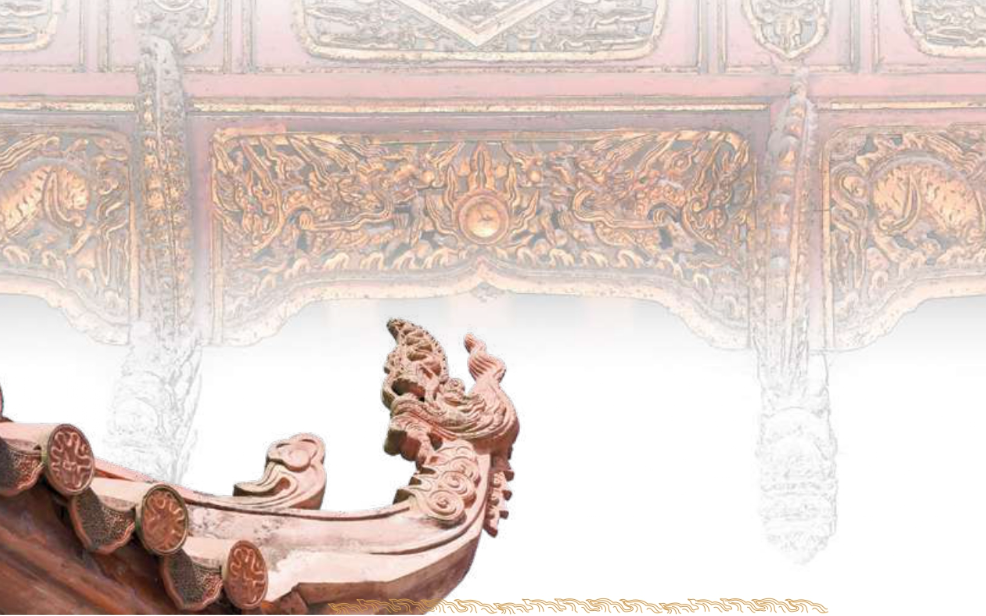
Lịch sử đầy huyền bí về các loài rồng hùng vĩ.
Biểu tượng con rồng huyền thoại có tính phổ biến trên thế giới. Ở phương Tây con rồng không tượng trưng cho vương quyền, mà nghiêng về các thế lực ác. Con ở phương Đông, rồng tượng trưng cho nhà vua, hoàng đế, điều hòa thời tiết, sự sinh sôi nảy nở của xã hội nông nghiệp. Dự là biểu tượng cho triết lý, thể lực nào thì nguồn gốc sinh ra loài rồng trên thế giới là khá tương đồng. Con người khi buộc ra khỏi hang động có nỗi sợ đến từ 3 thể lực: con sư tử, hoắc hổ trên mặt đất, con rắn hoặc thúy quái, bộ sát hung dữ dưới nước, con đại bàng lớn và các loài chim ăn thịt hung dữ trên trời. Đó là những đối thủ đáng gờm, nhanh nhẹn, mạnh mẽ, nhanh vượt sắc nhọn, bất cứ lúc nào cũng có thể ăn thịt con người. Dần dần, người ta tổng hợp cả 3 loại độ vào một hình tượng chung, gọi là con rồng.
Con rồng có đầu sư tử, mình rắn, vảy cá, sừng hươu, rồng phương Tây thì còn cánh, rồng phương Đông không có cánh, nhưng bay luồn trong mây, phun nước, làm mưa. Con ngựa kết hợp với con sư tử và cá thành con long mã, hay con kỳ lân, mình ngưạ, nhưng đầu sư tử, cánh có vảy. Các khái niệm có lẽ cùng xuất phát từ âm độc đầu tiên: dragon (Anh), lung/long (Trung Quốc), rồng (Việt)... tương tự có một nguồn âm tiết.
Người ta cho rằng hình tượng chạm khắc rồng sớm nhất trong khảo cổ học thời kỳ đồ đá mới ở Trung Quốc, khoảng 5.000 năm TCN và văn bản nhắc đến rồng sớm nhất trong trước tác của Khổng Tử khoảng 2.000 năm TCN. Rồng ở Việt Nam xuất hiện trên các di tích thời Lý (năm 1010 - 1225), và phổ biến trong suốt một ngàn năm phong kiến tự chí. Nhưng dấu tích đầu tiên liên quan đến rồng cũng được thấy trên chạm khắc đồ đồng Đông Sơn, cách đây 2.500 năm. Con rồng phương Tây xuất hiện nhiều vào thời Trung cổ, từ khoảng thế kỷ 7 - 14. Trong Ấn Độ giáo, Makara - thủy quái, cũng được coi là một loại rồng, nó rất phổ biến trong nghệ thuật Champa.
Theo tư liệu nghiên cứu Robert Beer, trong cuốn Hand book of the Tibetan Buddhist symbol (Sổ tay Biểu tượng Phật giáo Tây Tạng), thì rồng Trung Quốc được cho là có 3 loại chính và 9 loại phụ. 3 loại chính là: rồng sấm sét có phổi hoạc có sừng (cường long/ trường giác lôi long/rồng sấm sét có sừng), ly hay rồng biển không sừng (hải long không sừng/long mã); giao long (có vảy) sống trong đầm hồ và hàng động. 9 loại phụ là: thiên long, thần long, dục long (rồng có cánh), bàn long (rồng cuộn), đới giác long (rồng có sừng), ủng chủy long (rồng có mõm), hoàng long (rồng vàng), thủy long (rồng nước), hổ pháp long (rồng bảo vệ kho báu). Tên của 12 loại này theo tiếng Hán, do người Trung Quốc khảo cứu, và cũng được người Việt Nam biết đến.
Cùng theo khảo cứu của Robert Beer, con rồng điển hình được cho là có 3 phần và 9 hình tượng. 3 phần là đầu đến chân trước, chân trước đến thắt lưng và thắt lưng đến đuôi. 9 hình tượng (đặc điểm) là: đầu giống lạc đà, sừng như sừng hươu, mặt như quỷ, thỏ hoặc tôm; cổ như rắn, bụng như sứa, mắt như thằn lằn; tai như bò, vảy như cá, móng vuốt như đại bàng. Được cho là một hình tượng như thế là do trong quá trình cổ đại, con người phải đương đầu với những loài thú có kích thước khổng lồ và khả năng săn mồi cực kỳ linh hoạt, như cá sấu, cá mập hay chim đại bàng, mỗi loài có một bộ phận nổi bật riêng biệt. Trong thời tiền sử, những con thú này là những kẻ thù đáng gờm nhất đối với con người, họ đã tập hợp các đặc điểm nổi bật nhất của các loài này để tạo nên hình tượng rồng.
Bài viết mới