


Xem tất cả kết quả cho ""

 Ngày bất kỳ
  Tiếng Việt
 English
 한국어
한국어 日本語
日本語 简体中文
简体中文 Français
 Deutsch
 Español
 Italiano
 Русский


 Đăng nhập cho Doanh nghiệp
Ẩm thực Nhật Bản: Hành trình khám phá những món ăn tinh tế bậc nhất thế giới
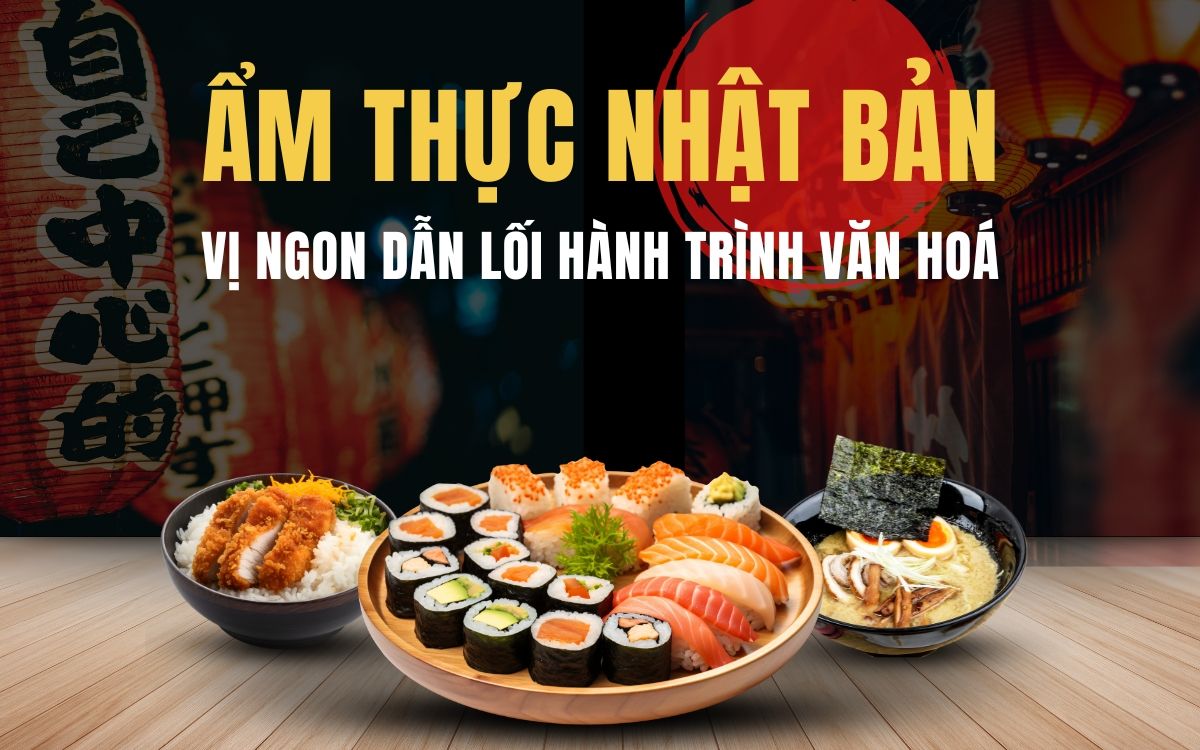
Không phải ngẫu nhiên mà thế giới gọi ẩm thực Nhật Bản là một trong những nền ẩm thực tinh tế và quyến rũ nhất hành tinh. Từ những món ăn đường phố giản dị như takoyaki hay onigiri, đến những bữa ăn nghệ thuật như kaiseki, mỗi món đều thể hiện rõ nét văn hóa, triết lý sống và thẩm mỹ độc đáo của người Nhật. Là một người từng đồng hành cùng hàng trăm du khách khám phá xứ sở mặt trời mọc, tôi có thể khẳng định rằng: để thật sự hiểu nước Nhật, bạn phải nếm thử các món ăn Nhật Bản, bởi mỗi hương vị đều ẩn chứa một phần linh hồn dân tộc. Hãy cùng Tatinta mở cánh cửa dẫn vào thế giới ẩm thực Nhật Bản, nơi từng món ăn mang theo hơi thở của đất nước, con người và truyền thống lâu đời.
1. Văn hoá ẩm thực Nhật Bản – Cốt lõi là sự tinh tế và hài hòa
Văn hoá ẩm thực Nhật Bản không chỉ là chuyện ăn uống, mà là một nghi thức tôn trọng thiên nhiên, mùa vụ và con người. Triết lý "ngũ sắc – ngũ vị – ngũ pháp" tạo nên sự cân bằng cả về thẩm mỹ lẫn dinh dưỡng trong từng món ăn. Mỗi bữa cơm truyền thống Nhật là sự phối hợp khéo léo giữa màu sắc (xanh, đỏ, vàng, trắng, đen), vị giác (ngọt, mặn, chua, cay, đắng) và kỹ thuật nấu (hấp, luộc, chiên, nướng, sống).
Điển hình cho tính cách của người Nhật trong ăn uống là Trà đạo Nhật Bản. Không chỉ là thưởng thức trà, trà đạo còn là sự thiền định, tinh lọc tâm hồn, thể hiện sự khiêm nhường và tôn trọng người đối diện. Từ không gian, âm thanh nước sôi, đến cách rót trà – tất cả đều hàm chứa triết lý sống sâu sắc.
2. Những món ăn Nhật Bản nổi tiếng thế giới
2.1. Sushi – Biểu tượng toàn cầu của ẩm thực Nhật Bản
Là người từng dẫn đoàn tham quan chợ cá Toyosu – nơi cung cấp hải sản tươi ngon nhất Tokyo – tôi có thể khẳng định rằng: không có món nào thể hiện rõ bản sắc ẩm thực Nhật Bản như sushi và sashimi. Từ lát cá hồi béo ngậy đến miếng cá ngừ đỏ thẫm, mỗi miếng sushi là kết tinh của sự chọn lọc nguyên liệu nghiêm ngặt, kỹ năng điêu luyện và cả sự khiêm nhường trong tinh thần Nhật. Sushi nắm (nigiri) được ép vừa tay, miếng cá phủ lên phải mịn màng như lụa, và phần cơm phải còn hơi ấm – không quá lạnh, không quá nóng.
Điều đặc biệt là bạn có thể ăn sushi theo nhiều phong cách: sushi băng chuyền bình dân, nhà hàng omakase cao cấp nơi đầu bếp phục vụ tận tay, hay đơn giản là mua hộp sushi tươi ngon trong siêu thị tiện lợi. Dù ở đâu, món ăn Nhật Bản này vẫn giữ được hương vị truyền thống và sự tinh tế khó trộn lẫn.
Sushi là đại diện tinh túy cho những món ăn Nhật Bản. Dù là sushi cuộn (maki), sushi nắm (nigiri) hay cá sống thái lát (sashimi), tất cả đều đòi hỏi sự tỉ mỉ, kỹ thuật cao và nguyên liệu phải thật tươi. Sushi và sashimi không chỉ làm hài lòng vị giác mà còn làm mãn nhãn với cách trình bày như một tác phẩm nghệ thuật. Đó là lý do vì sao sushi luôn có mặt trong top đầu các món ăn Nhật Bản được yêu thích nhất trên thế giới.
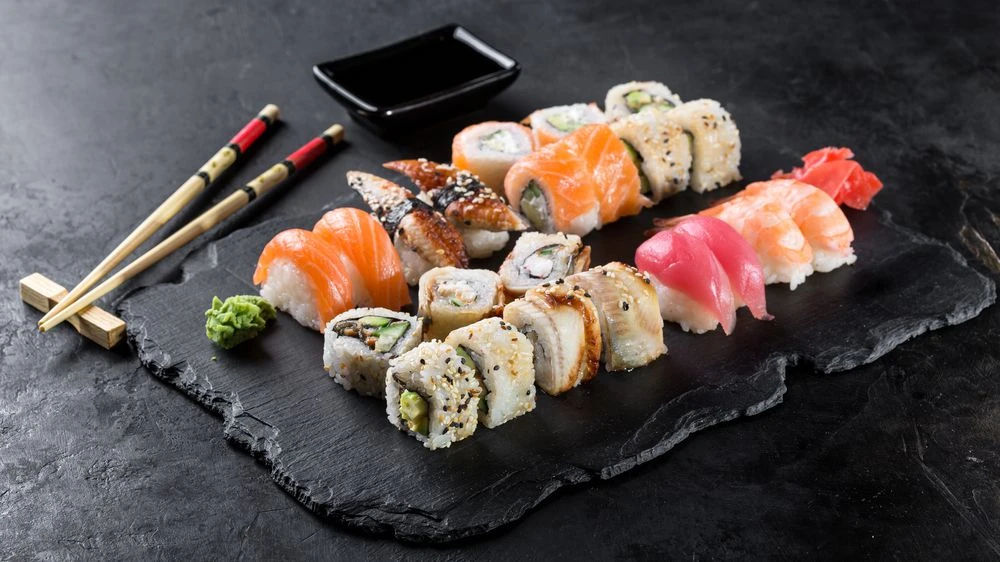
Sushi - món ăn không thể thiếu khi nhắc đến Nhật Bản
2.2. Ramen – Món mì quốc dân với hàng ngàn biến thể
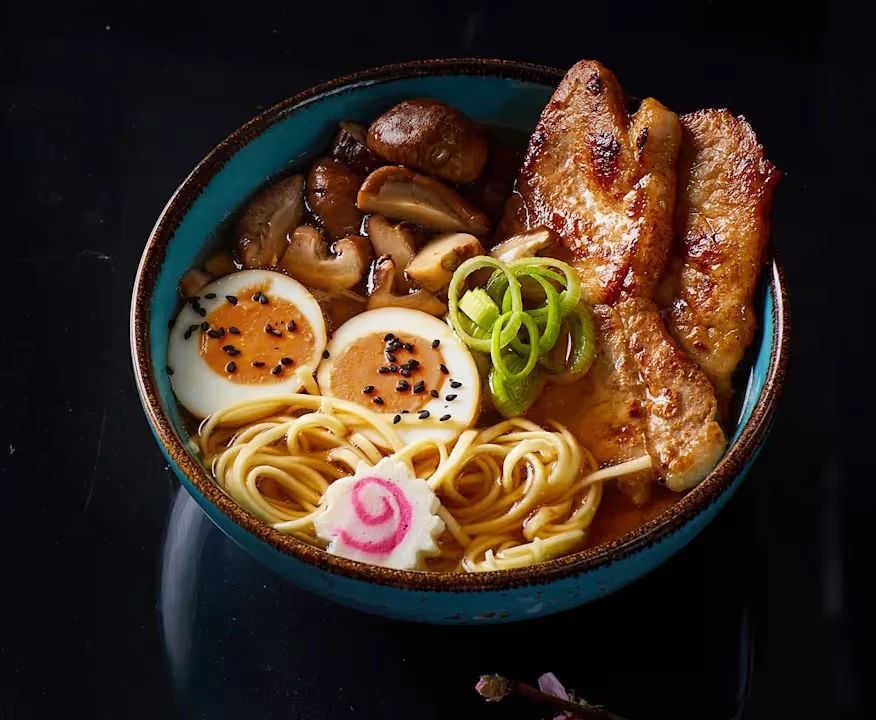
Mì ramen đậm đà và đầy cuốn hút
Nếu bạn muốn tìm một món ăn phản ánh rõ nét văn hóa bình dân Nhật Bản, thì không gì hợp hơn ramen và udon. Ramen – món mì với nước dùng đậm đà từ xương heo, tương miso hay nước tương – có hàng ngàn biến thể theo từng vùng miền. Mỗi tô ramen là sự hòa quyện giữa nước dùng nóng hổi, sợi mì dai và topping như trứng lòng đào, thịt chashu, rong biển. Trong khi đó, udon với sợi mì to tròn, nước dùng thanh nhẹ lại mang đến cảm giác nhẹ nhàng, tinh tế.
2.3. Tempura – Món chiên giòn nhẹ, không ngấy
Tempura và tonkatsu là hai đại diện tiêu biểu cho nghệ thuật chiên rán trong ẩm thực Nhật. Tempura được làm từ tôm, cá, rau củ tươi nhúng qua lớp bột mỏng rồi chiên giòn ở nhiệt độ cao – giữ trọn hương vị và không hề bị ngấy. Trong khi đó, tonkatsu là món thịt heo chiên xù giòn rụm, ăn cùng sốt đặc biệt và bắp cải bào mỏng. Mỗi món đều là minh chứng cho sự khéo léo, tinh tế và khả năng kiểm soát nhiệt độ tuyệt vời của đầu bếp Nhật.
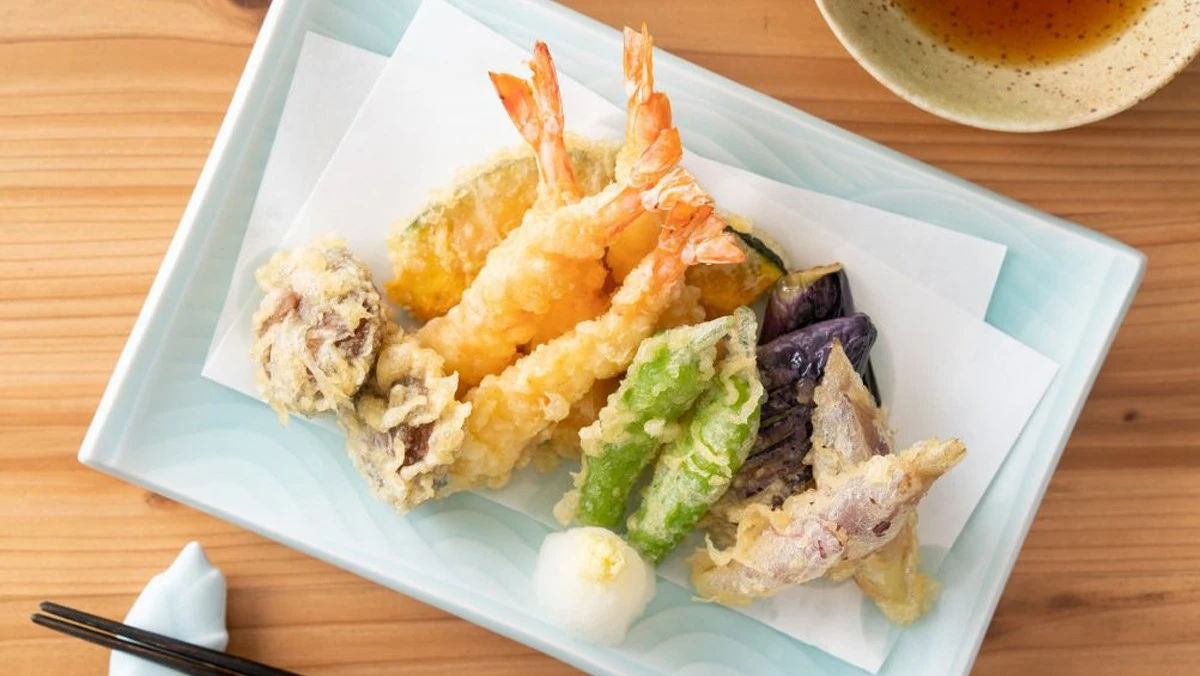
Tempura - món ăn nhẹ đặc sắc của Nhật Bản
2.4. Okonomiyaki – “Pizza” kiểu Nhật đầy cá tính
Không thể không kể đến Okonomiyaki – món bánh xèo Nhật Bản đầy màu sắc và sáng tạo. Tên gọi nghĩa là "nướng những gì bạn thích", phản ánh sự linh hoạt trong nguyên liệu. Bột, bắp cải, trứng, hải sản hoặc thịt được chiên trên chảo gang, phủ sốt okonomi ngọt mặn, mayonnaise và cá bào – mang lại trải nghiệm vị giác sống động, vui tươi, đầy phóng khoáng.
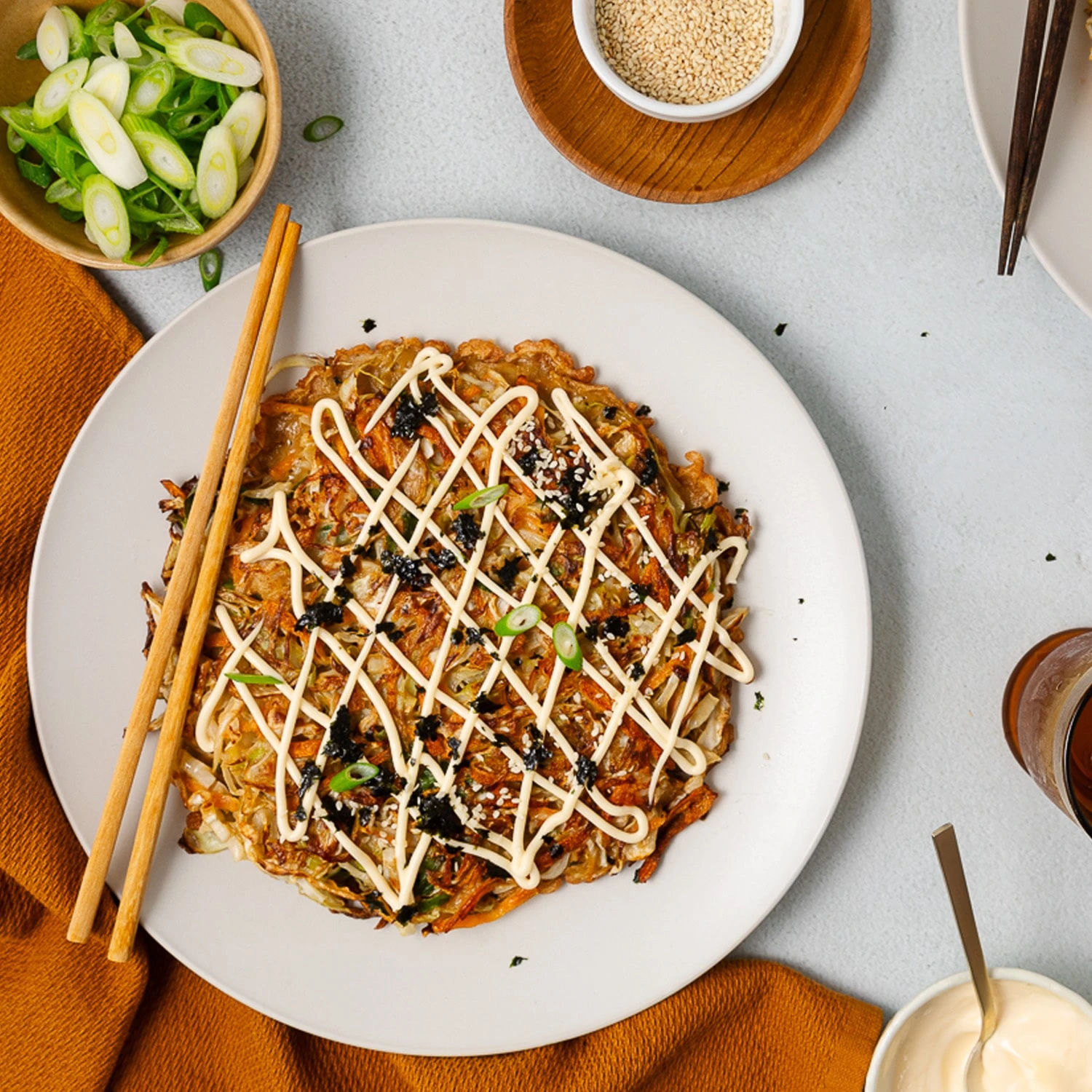
Okonomiyaki - bánh xèo kiểu Nhật
2.5. Kaiseki – Bữa ăn truyền thống Nhật Bản cao cấp
Kaiseki là đỉnh cao của nghệ thuật ẩm thực truyền thống Nhật Bản – một bữa ăn gồm nhiều món nhỏ, được phục vụ tuần tự theo nguyên tắc chặt chẽ. Mỗi món ăn trong Kaiseki sử dụng nguyên liệu theo mùa, được trình bày như một bức tranh thiên nhiên thu nhỏ, thể hiện tinh thần "wabi-sabi" – vẻ đẹp trong sự đơn giản và sâu lắng. Đây là trải nghiệm không thể bỏ lỡ nếu bạn muốn hiểu rõ chiều sâu của văn hoá ẩm thực Nhật Bản.
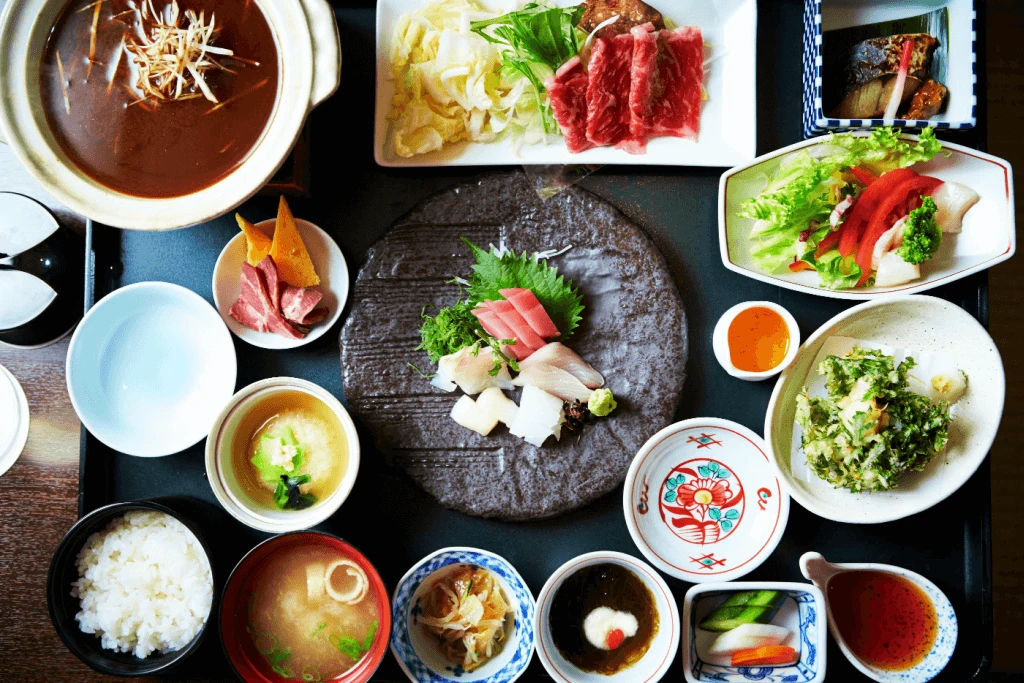
Bữa ăn truyền thống của người Nhật
3. Các món ăn Nhật Bản đường phố & đời thường
3.1. Takoyaki – Viên bạch tuộc giòn ngoài, mềm trong
Takoyaki là món ăn vặt biểu tượng của Osaka, gồm những viên bột nhân bạch tuộc được chiên giòn, phủ sốt takoyaki, mayonnaise và cá bào. Vị béo nhẹ, giòn rụm kết hợp cùng hương thơm đặc trưng khiến bất kỳ ai cũng phải dừng chân thưởng thức khi đi qua các khu chợ đêm hoặc lễ hội truyền thống.
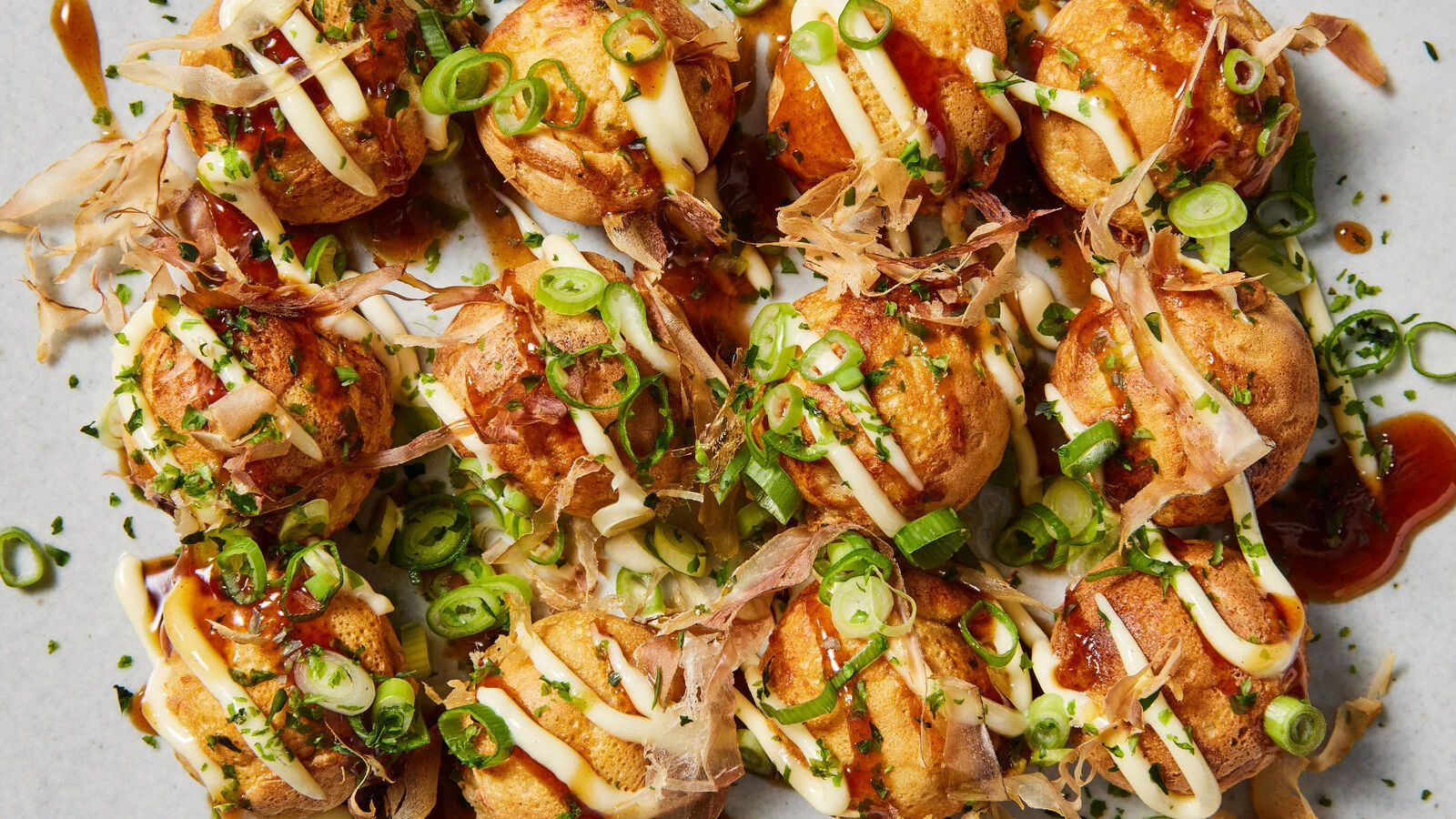
Takoyaki - món ăn đường phố Nhật Bản
3.2. Yakitori – Xiên thịt gà nướng thơm lừng
Yakitori là món xiên thịt gà nướng trên than hoa, tẩm ướp với sốt tare mặn ngọt hoặc chỉ đơn giản là rắc muối. Từ da gà, đùi, gan cho đến sụn, mọi phần đều được chế biến thành từng xiên nhỏ hấp dẫn. Đây là món ăn không thể thiếu trong các izakaya – quán nhậu Nhật Bản – nơi người Nhật thư giãn sau giờ làm việc.
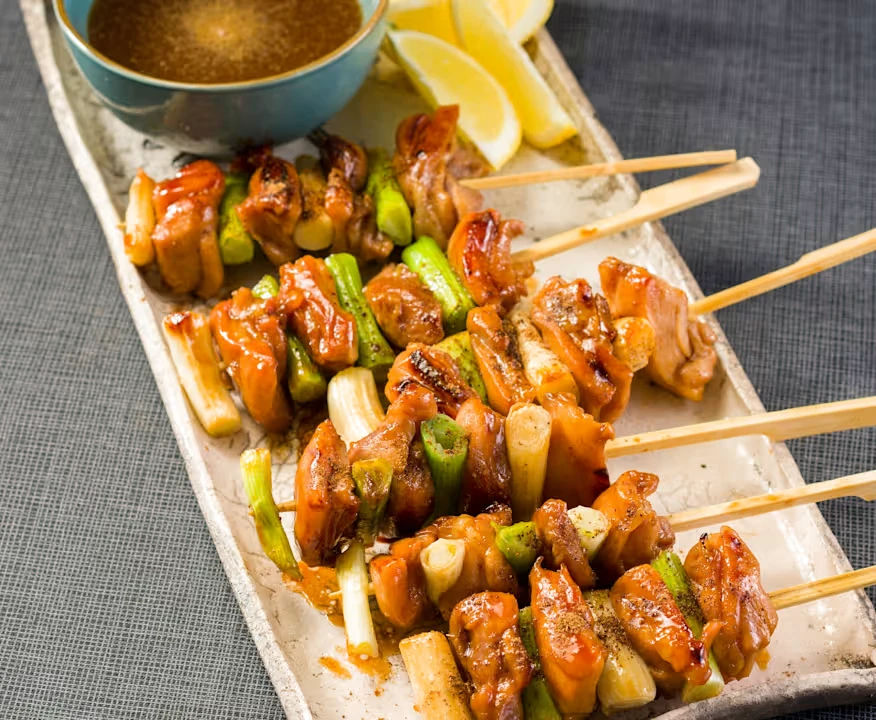
Xiên gà kiểu Nhật - Yakitori
3.3. Onigiri – Cơm nắm tiện lợi và phổ biến nhất Nhật Bản
Onigiri – món ăn truyền thống, giản dị nhưng đầy tiện dụng. Những nắm cơm tam giác bọc rong biển, bên trong là nhân cá hồi, umeboshi (mận muối), cá ngừ sốt mayonnaise… không chỉ ngon mà còn dễ mang theo. Được bày bán khắp các cửa hàng tiện lợi, onigiri là món ăn gắn bó với mọi tầng lớp người dân Nhật Bản.
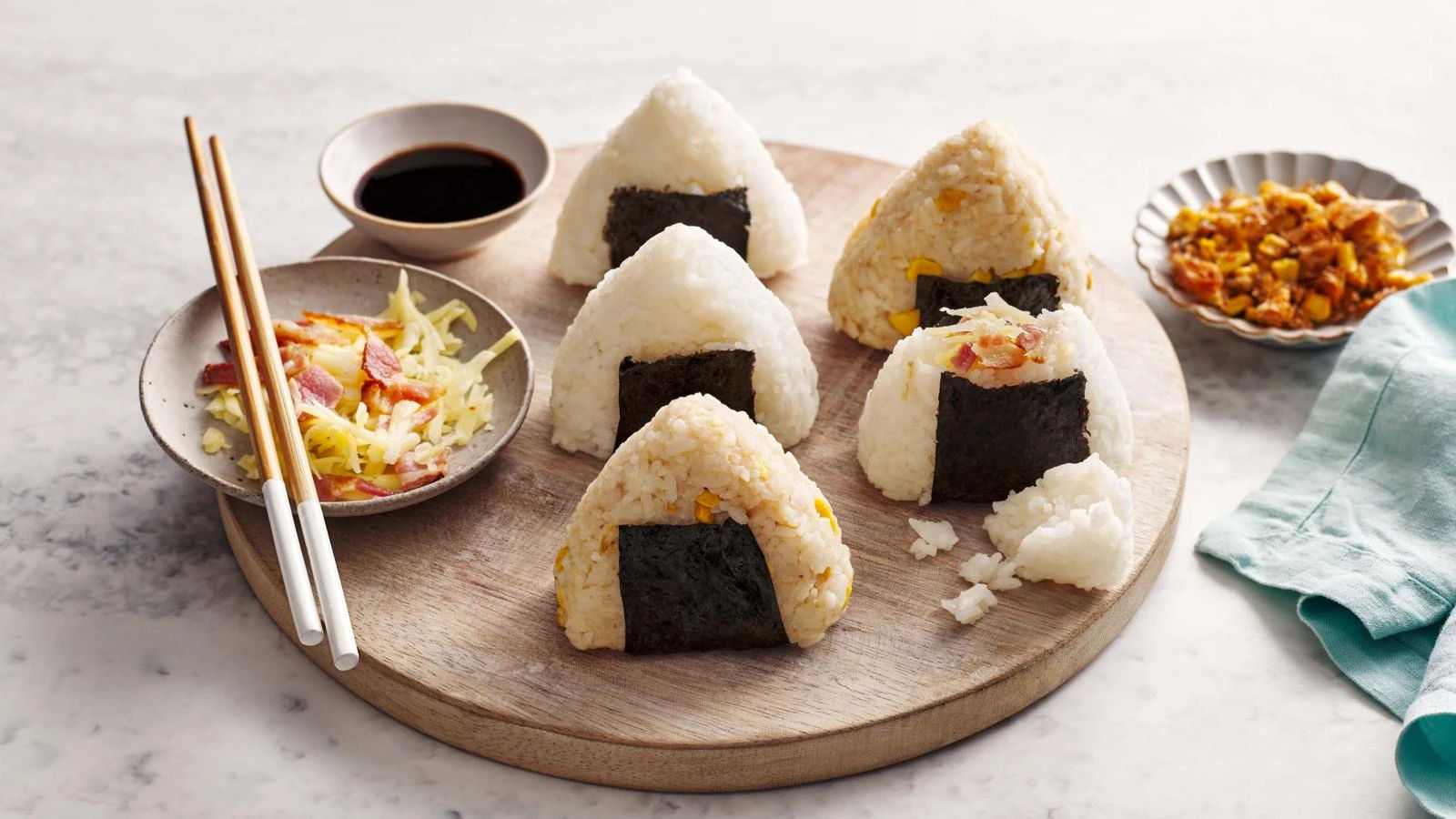
Cơm nắm Nhật Bản
3.4. Bento – Hộp cơm đầy đủ dinh dưỡng, đẹp mắt
Bento không chỉ là một hộp cơm – đó là nghệ thuật sắp đặt. Với các ngăn nhỏ chứa cơm, thịt, rau, trứng, trái cây... bento vừa đủ chất, vừa đẹp mắt. Những hộp cơm bento được mẹ chuẩn bị cho con, hoặc người yêu cho nhau, thể hiện tình cảm và sự quan tâm đầy tinh tế theo đúng phong cách Nhật.
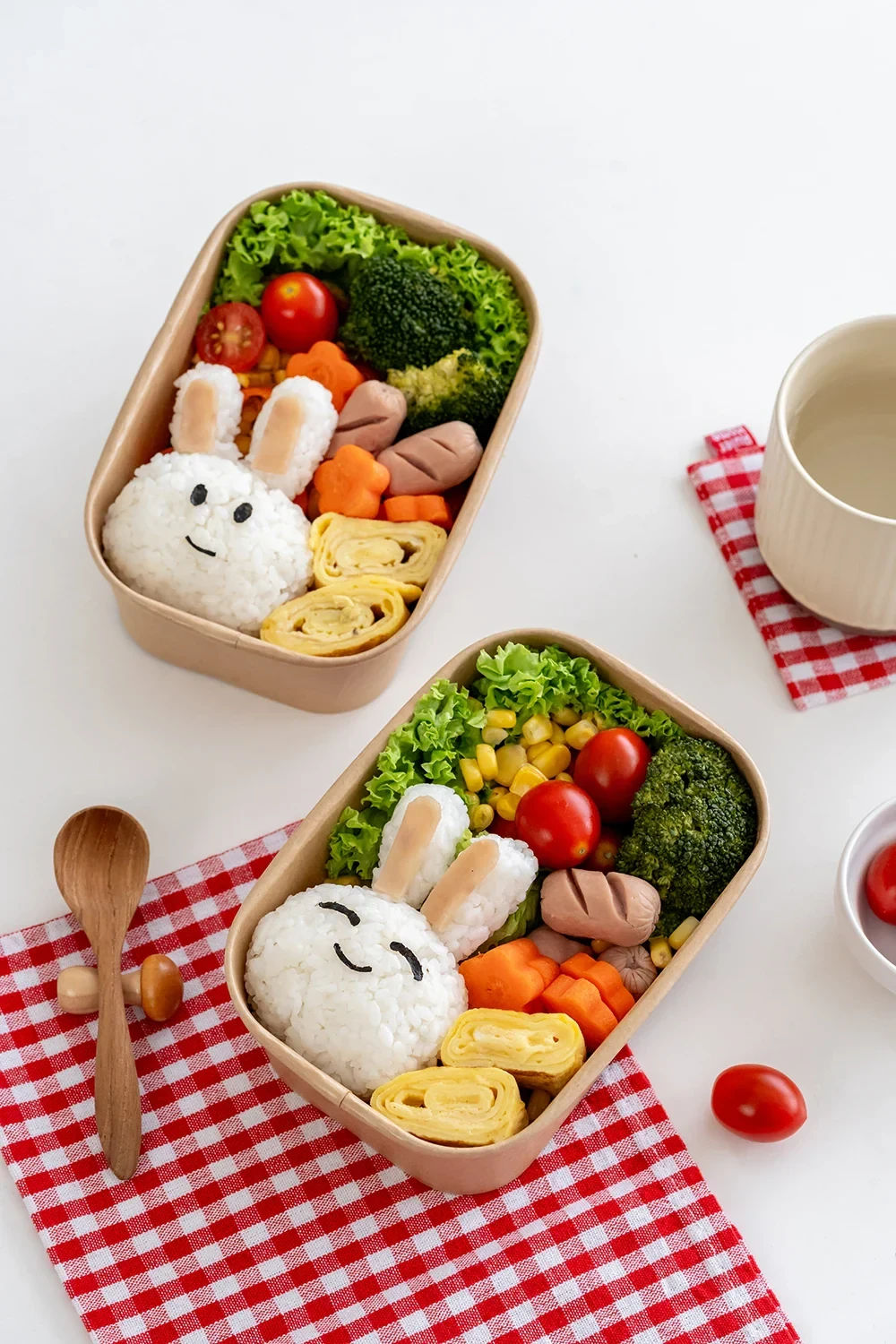
Hộp cơm Bento dinh dưỡng
3.5. Korokke – Bánh khoai tây chiên kiểu Nhật
Korokke – món bánh chiên làm từ khoai tây nghiền, thịt bằm hoặc rau củ, bọc ngoài bởi lớp bột chiên giòn. Vị ngọt bùi, lớp vỏ giòn rụm, giá cả phải chăng – khiến korokke trở thành món ăn vặt quốc dân, dễ bắt gặp ở bất kỳ khu phố nào của Nhật Bản.
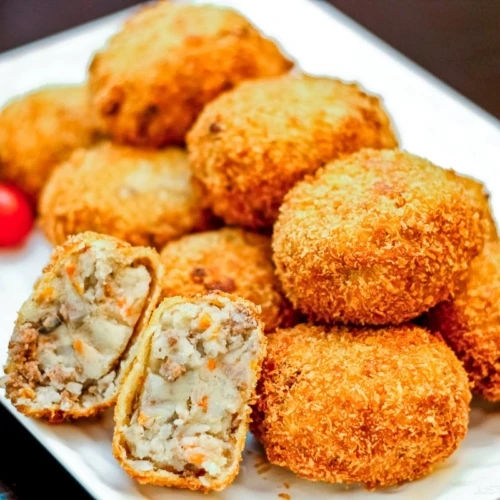
Bánh khoai tây chiên độc đáo
Bài viết mới